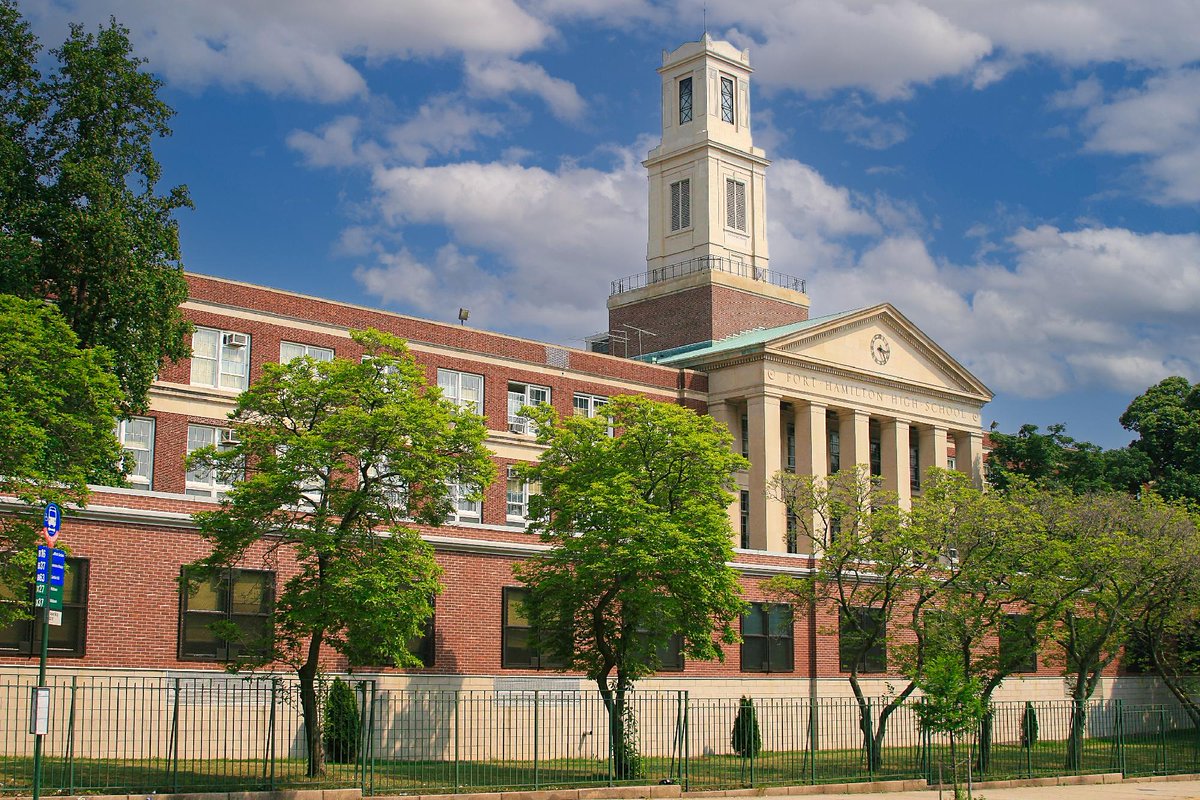
Welcome to Duffield Engineering! 🐻
“Stay open to everything around you. This is an incredible place to explore and our faculty and staff are here to support you every step of the way.”
— Lynden Archer, Joseph Silbert Dean of Engineering
Portable test: @Cornell researchers have developed a portable diagnostic test that can simultaneously detect and distinguish Ebola and Lassa, two serious viruses whose early symptoms can be difficult to tell apart. @CornellEng@CornellCHE@CornellRsrch https://t.co/OMwR16Vt9q
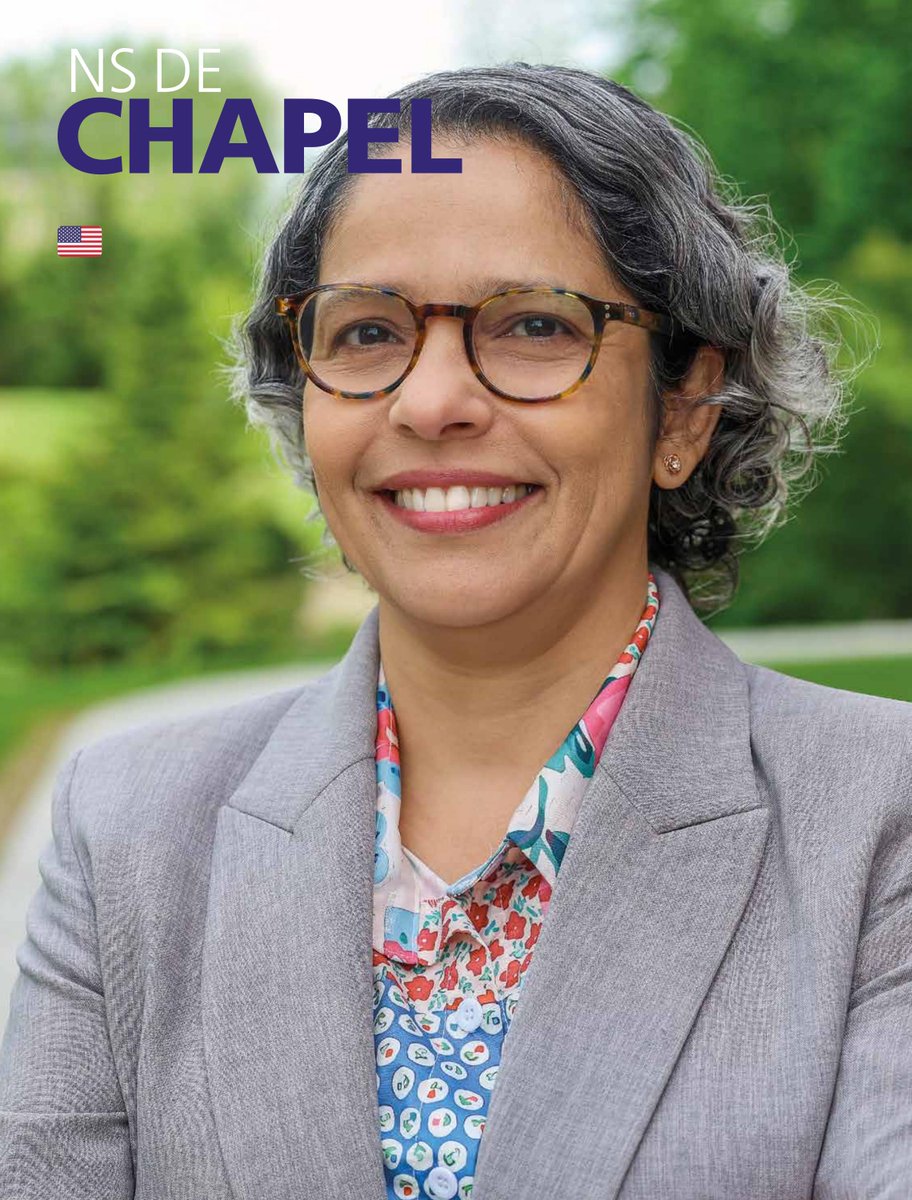
How can engineering move from the lab to the clinic? Meinig School faculty member @SueliaRosa is helping bridge that gap, translating cutting-edge engineering into medical treatments that can improve patients’ lives. Read her profile p22, Inside Chapel. https://t.co/2DBolR7liZ
#ClimateWeekNYC 2026 is almost here ⭐️
In just a few days, the @Cornell delegation will lead and engage in conversations on AI, climate finance, critical minerals, nuclear energy, circularity & more.
📌 Your guide to Cornell at Climate Week NYC: https://t.co/O74OgF37nq
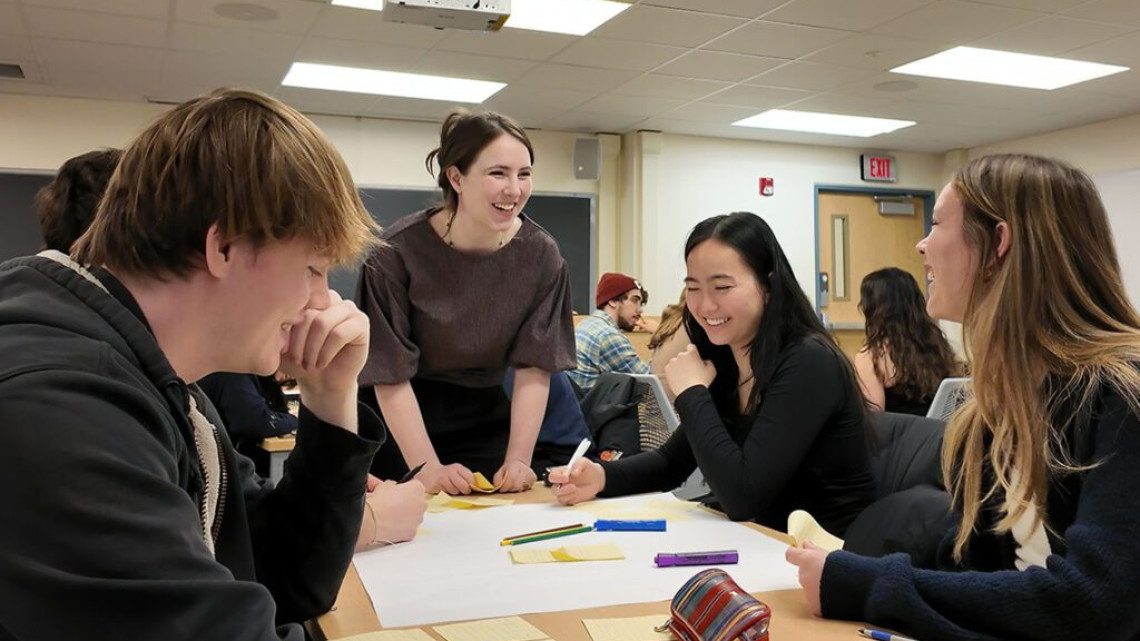
Can AI help students become better critical thinkers? A new $750,000 NSF grant led by asst prof Alexandra Werth will explore how generative AI can prompt student reflection and strengthen critical thinking in engineering, biology and physics courses. https://t.co/DqlmEjZj3X
Where can an M.Eng. take you? Just ask the Class of 2016. Ten years after graduation, alumni are leading in medical devices, pharma, robotics, consulting, bioinformatics, entrepreneurship and more, while staying connected and mentoring the next generation. https://t.co/jbWAMiLhWz
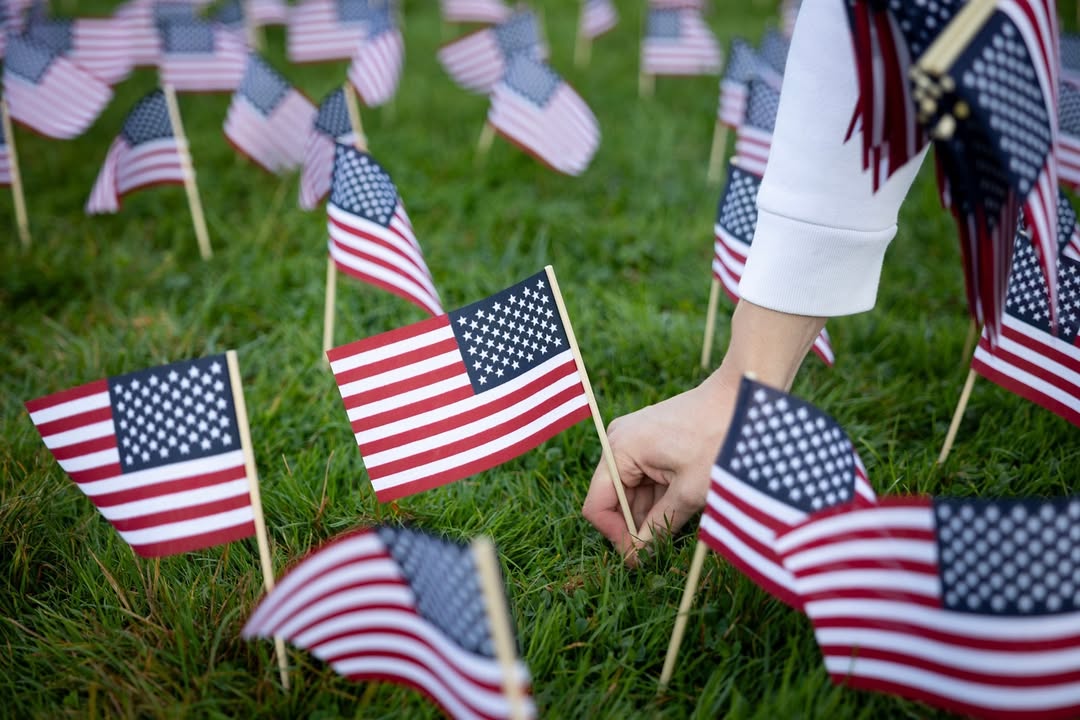
This morning on the Arts Quad, Cornell Republicans and Cornell Democrats joined together to plant American flags in honor of lives lost in the attacks of September 11, 2001.
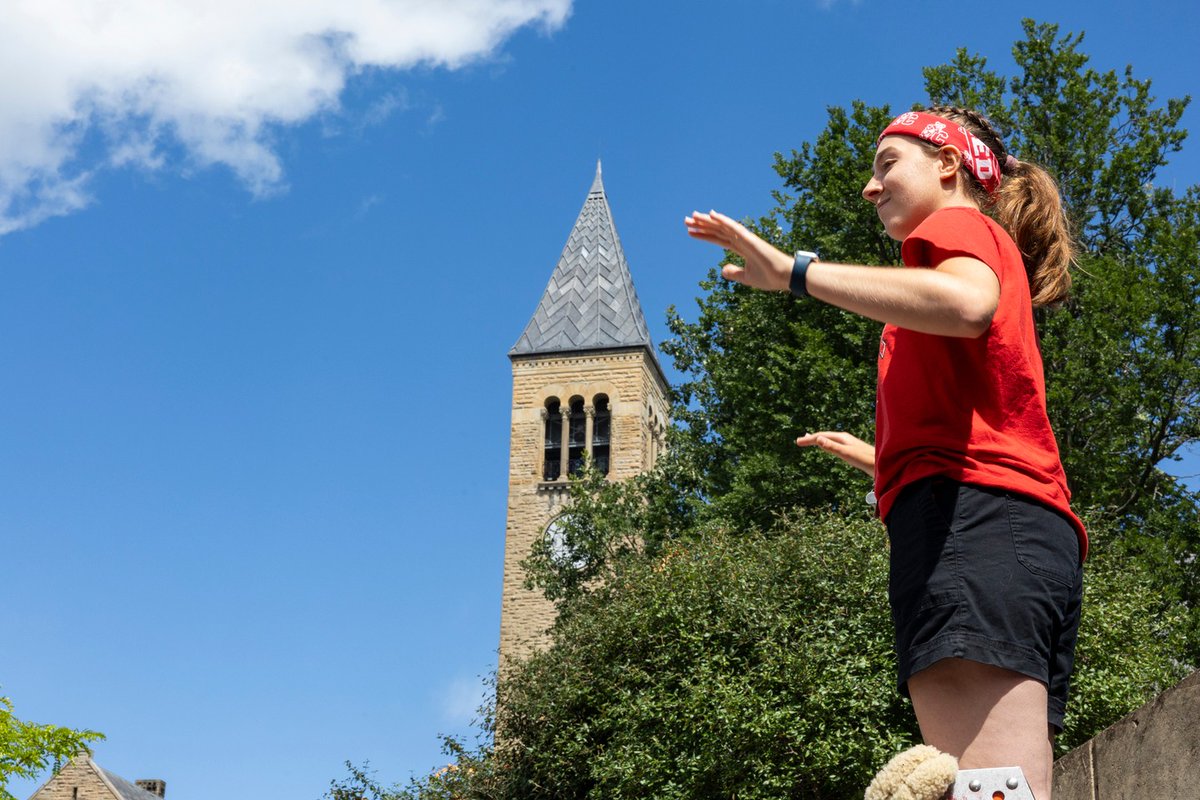
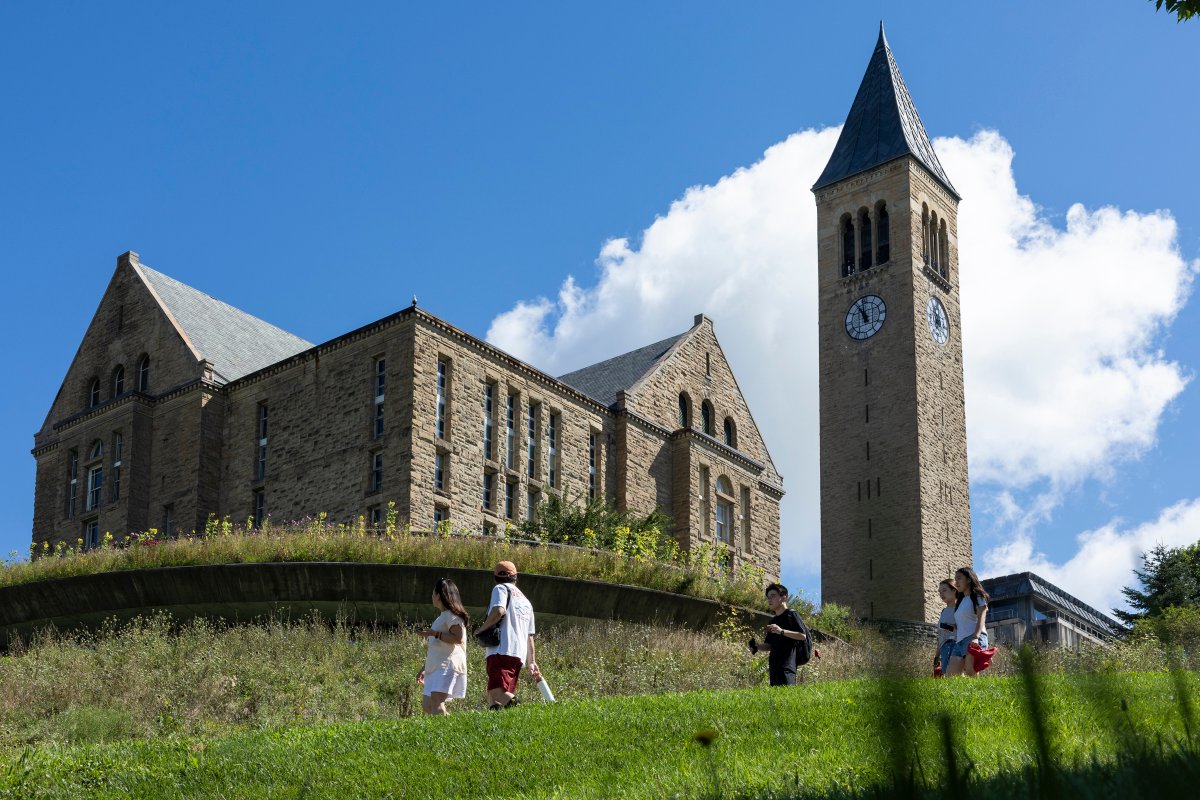
Throughout the morning, the McGraw Tower chimes are tolling to mark when the planes crashed and towers fell, as our community pauses to honor and remember those killed. Our community is also invited to visit the memorial in the Anabel Taylor Hall rotunda dedicated to the 21 Cornell alumni who died on 9/11.
Spreading finely crushed basalt across farmland has been promoted as a relatively simple way to remove large quantities of carbon dioxide from the atmosphere.
But a new study led by @CornellEng researchers suggests the real-world potential of this method, known as enhanced weathering, may be far smaller than widely cited estimates.
Read more: https://t.co/Sfr3FsYCOx.
A beautiful sight on the Cornell campus: A fledgling Red-tailed Hawk at sunrise, framed by this season's wildflowers near the Libe Slope.
It's a rare shot — our hawks aren't often photographed near flowers.
📷: Cynthia Sedlacek
📍Your guide to @Cornell at Climate Week NYC 2026
From AI and climate finance to energy, critical minerals, circularity and more, we are convening researchers and partners at events across NYC Sept 20-27.
📌 Browse the full agenda: https://t.co/O74OgF37nq
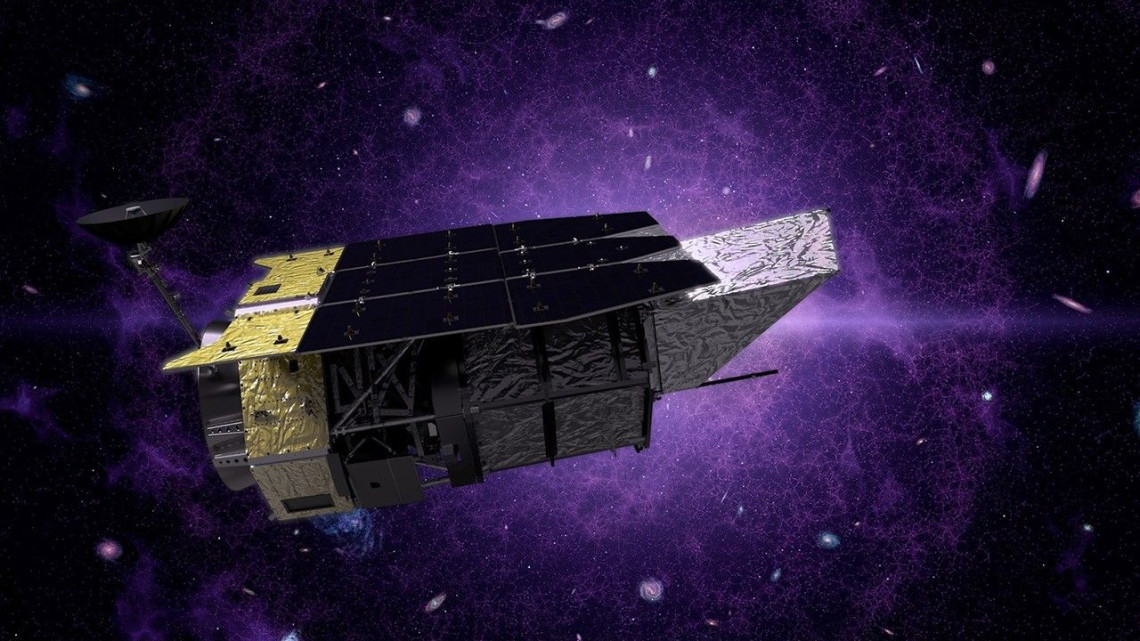
Scanning vast swaths of sky, NASA’s next flagship observatory, the Nancy Grace Roman Space Telescope, promises to revolutionize our understanding of dark matter and dark energy while discovering some 100,000 exoplanets.
The minimum five-year survey mission – targeting launch from Florida no earlier than Aug. 30 – also includes a technology demonstration that will attempt a first in space: direct imaging of exoplanets in visible light wavelengths.
As a principal investigator supporting Roman’s state-of-the-art coronagraph – an instrument designed to block out direct light from a star or another bright object – Cornell faculty member Dmitry Savransky has helped determine the targets that the instrument will study and when best to observe them. Capturing pictures of these previously hidden, Jupiter-like planets, he said, marks a first step toward directly imaging potentially habitable Earth-like planets.
“If we are successful, it would be incredibly compelling and exciting scientifically, because this will be a unique dataset that literally doesn’t exist,” said Savransky, associate professor of mechanical and aerospace engineering in @CornellEng, and of astronomy in @CornellCAS. “No other space observatory has this capability.”
Read more: https://t.co/qTFiWX0iBi
Image courtesy of @NASA
New director of @CHESS_user: Gabriella Carini, associate lab director for discovery technologies at @BrookhavenLab, will take over from Joel Brock, who has been the director of @Cornell’s synchrotron facility since 2013. @CornellEng@CornellMAE https://t.co/Ke3PFv7ZrG
Gearing up for the semester with the annual @CornellBME@CornellEng@CUbmes symposium in Weill Hall atrium. Graduate student connecting with colleagues, sharing research.
Cornell Tech researchers are helping NYC students tackle one of America's toughest admissions systems—and aim higher.
Learn more: https://t.co/SbJaWBfnyL @CornellEng@Cornell_Bowers