New-found immune cells called ‘ruptoblasts’ explode when triggered, ejecting toxic chemicals capable of delivering death to surrounding cells in just minutes. The cells’ discoverers say that this process, which they call ruptosis, seems to be a new form of cell death.
https://t.co/6JtcC1HjY0
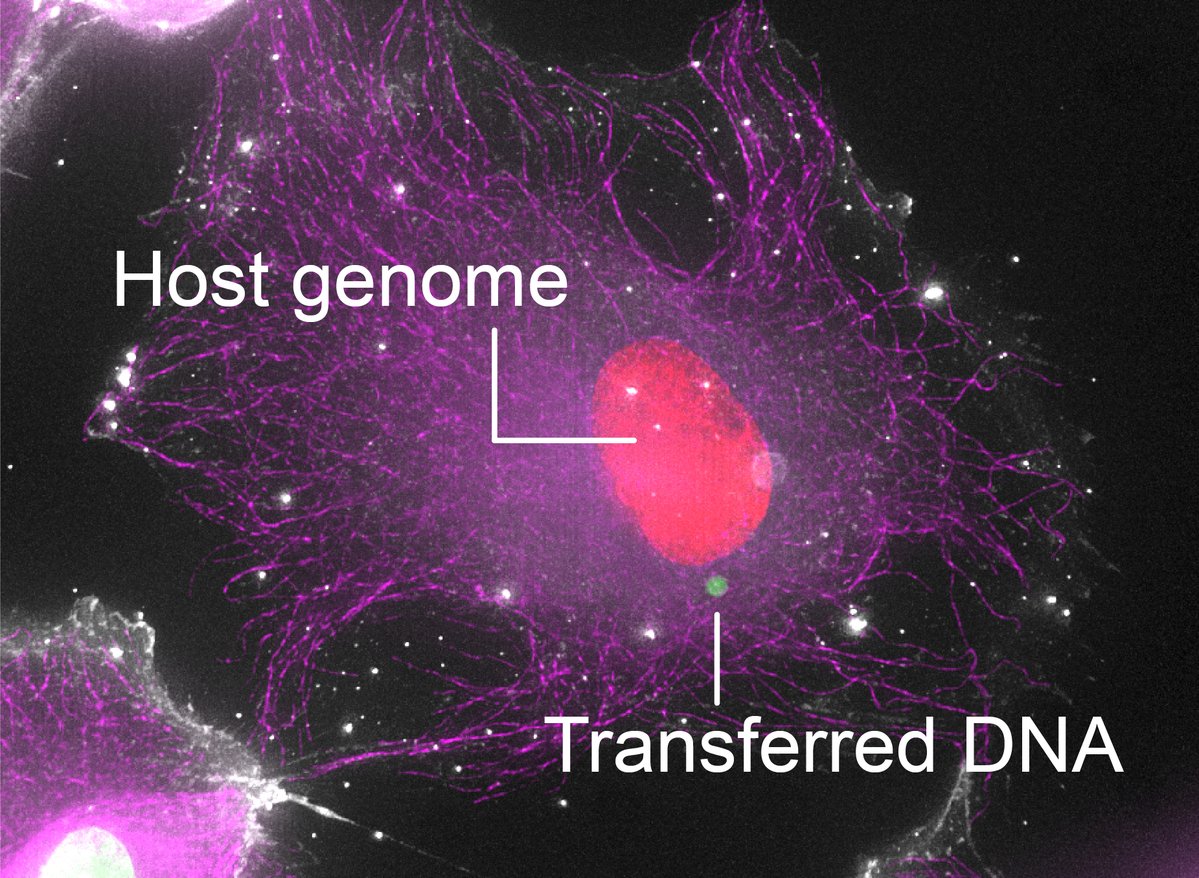
Excited to share our latest paper, out today @CellCellPress. We found that large pieces of the human genome can transfer between cells upon direct contact, endowing recipient cells with heritable phenotypic changes. (1/7)
https://t.co/SbshGhofN0
Memory-encoded magnetic probiotic microbots soften tumor microenvironments and allow for deeper penetration and boosted tumor treatment. https://t.co/EHPwSckIAr
In a new study, @Anders_S_Hansen Lab have measured chromatin movement at timescales ranging from hundreds of microseconds to hours, allowing them to rigorously quantify those dynamics for the first time. https://t.co/PqRFEPHjVs @NatureSMB
⭐️Don't miss this Review published @NatureCancer
as part of our Series on Tumor Heterogeneity and Plasticity
'Heterogeneity and plasticity of cancer-associated fibroblasts'
✒️By Ruth Scherz-Shouval, Mara Sherman and co-authors
🔗https://t.co/Qo6oplbnVx
Anyone interested in the future of #cancer therapy must read this’
it’s best summary of latest
findings of how brain controls cancer
https://t.co/DaBFIRmvrE
🆕 @ScienceMagazine
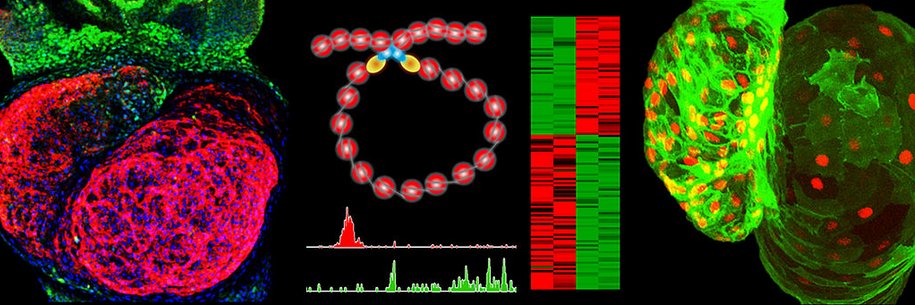
How do our cells have long term memory of inflammation that can later lead to persistent, chronic inflammation and disease?
Through specific epigenetic chromatin changes, aka "memory domains" @ScienceVisuals
https://t.co/mt70OwH144
https://t.co/DMk7SaIuBc