Proposed model for pathogenesis of malignant Brenner tumors of the ovary based on our study in @ModernPathology. Resemblance to #urothelial carcinogenesis and potential anti-FGFR3 targeted therapy implications (#erdafitinib). #OvarianCancer. Article link: https://t.co/cG4hRFzMzv
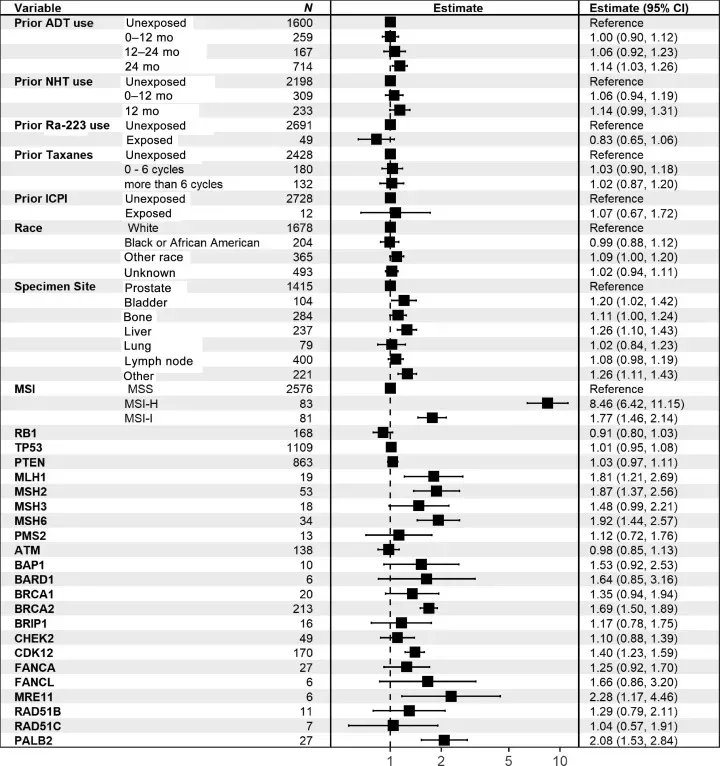
Emergence of BRCA Reversion Mutations in Prostate Cancer Prior to PARP Inhibitor Exposure: Clinical and Therapeutic Implications
https://t.co/PMowhtJJ9w
BRCA1/2🧬 reversion mutations, which restore BRCA function and confer PARP inhibitor resistance, were identified in advanced #ProstateCancer both after and without prior PARP inhibitor exposure.
In this retrospective liquid biopsy study, 30% of PARP-naïve patients with BRCA reversions had received chemotherapy and radiation, suggesting DNA-damaging therapies may promote reversion and primary resistance, supporting earlier PARP inhibitor use.
@DougLinMD@MaxMaomaoYe@OGjoerup@RyonGraf@RichardHuangMD@DouglasMab3lt@DrRanaMcKay@OncoAlert 🚨
@silkegillessen@AOmlin@weoncologists
Have you seen this newly recognized WHO tumor entity? I’m delighted to share this comprehensive review just published @Human_Pathology (PMID: 41475433), beautifully written by Gahie, Hui-Min, and my colleagues @BrownPathology
Endometrial gastric (gastrointestinal) -type mucinous adenocarcinoma (EGMA) is a rare histologic subtype of endometrial carcinoma that has recently included as a new WHO entity and is now recognized by the 2023 FIGO staging system as an aggressive histologic subtype. Previously, these tumors often overlapped diagnostically with endometrioid carcinomas showing mucinous differentiation; however, EGMA is now clearly established as a distinct clinicopathologic entity with more aggressive behavior.
Morphologically, tumor cells show gastric and/or intestinal differentiation with variable cytologic atypia.
Immunohistochemically, ER and PR are negative or only focally positive (<5%), while tumor cells express gastrointestinal markers, including CDX2, MUC6, HIK1083, and SATB2. Clinically, EGMA is associated with a higher likelihood of deep myometrial invasion, lymphovascular invasion, and lymph node metastasis.
At present, complete surgical resection - including hysterectomy with bilateral salpingo-oophorectomy, tumor debulking, with or without pelvic/paraaortic lymph node dissection -appears to be the most effective primary treatment. Adjuvant chemotherapy is also likely beneficial, particularly for higher-stage disease.
This review emphasizes the importance of judicious use of immunohistochemistry, careful morphologic evaluation, and close correlation with clinical history to accurately diagnose EGMA and distinguish it from important mimics.
🔗 Full article is available at the following link:
https://t.co/moXOcbNYZV
Learn more about the latest in non-small cell #LungCancer (NSCLC) with two new presentations at #ASCO25. Connect with us at booth 27021: https://t.co/Nsty6WeyWI
Benchmark study evaluating adequacy and success rates of comprehensive genomic profiling in tissue and plasma samples in a real-world setting. @DougLinMD
https://t.co/W4eImLRYAx
Happy to share our latest work titled "Clinical Use of Liquid-Based Comprehensive Genomic Profiling in Gastrointestinal Stromal Tumors" (#GIST) published in @LIjournal. Free access and download of the article via the link below until May 2nd, 2025. https://t.co/UO7LETWaLO
Join @BrookeHowittMD June 9–12 in Hilton Head for Pathology on the Coast! Dive into #GynecologicPathology with engaging sessions & enjoy afternoons to unwind. ☀️🏖️ Early bird pricing ends March 31!
Register now: https://t.co/lvmhPfI3vE
#GynPath#PathTwitter#CME
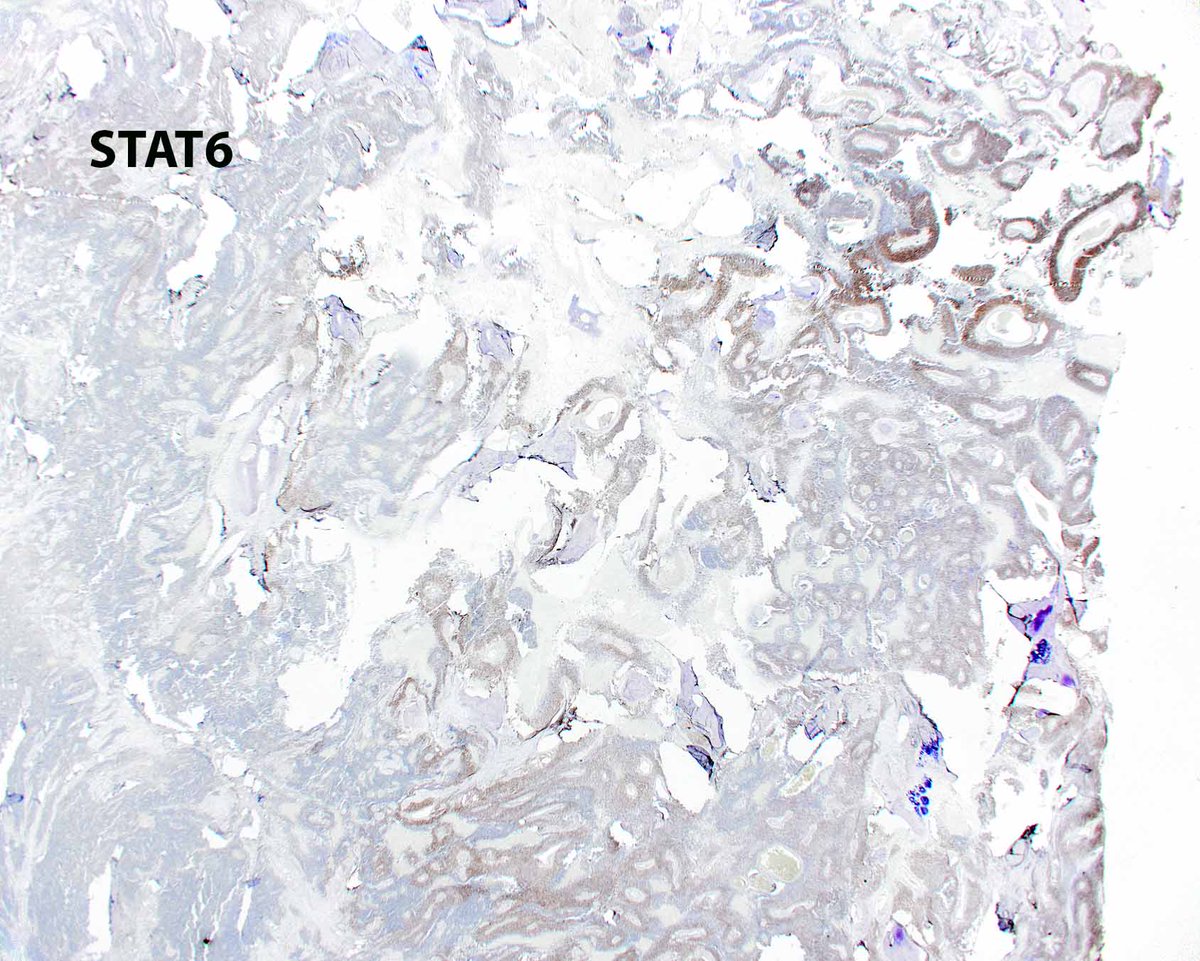
This awful-looking malignant neoplasm proved to be a malignant solitary fibrous tumor on molecular studies - I was not the one clever enough to order the STAT6, but it is patchy - the detection of the NAB2::STAT6 fusion was important.
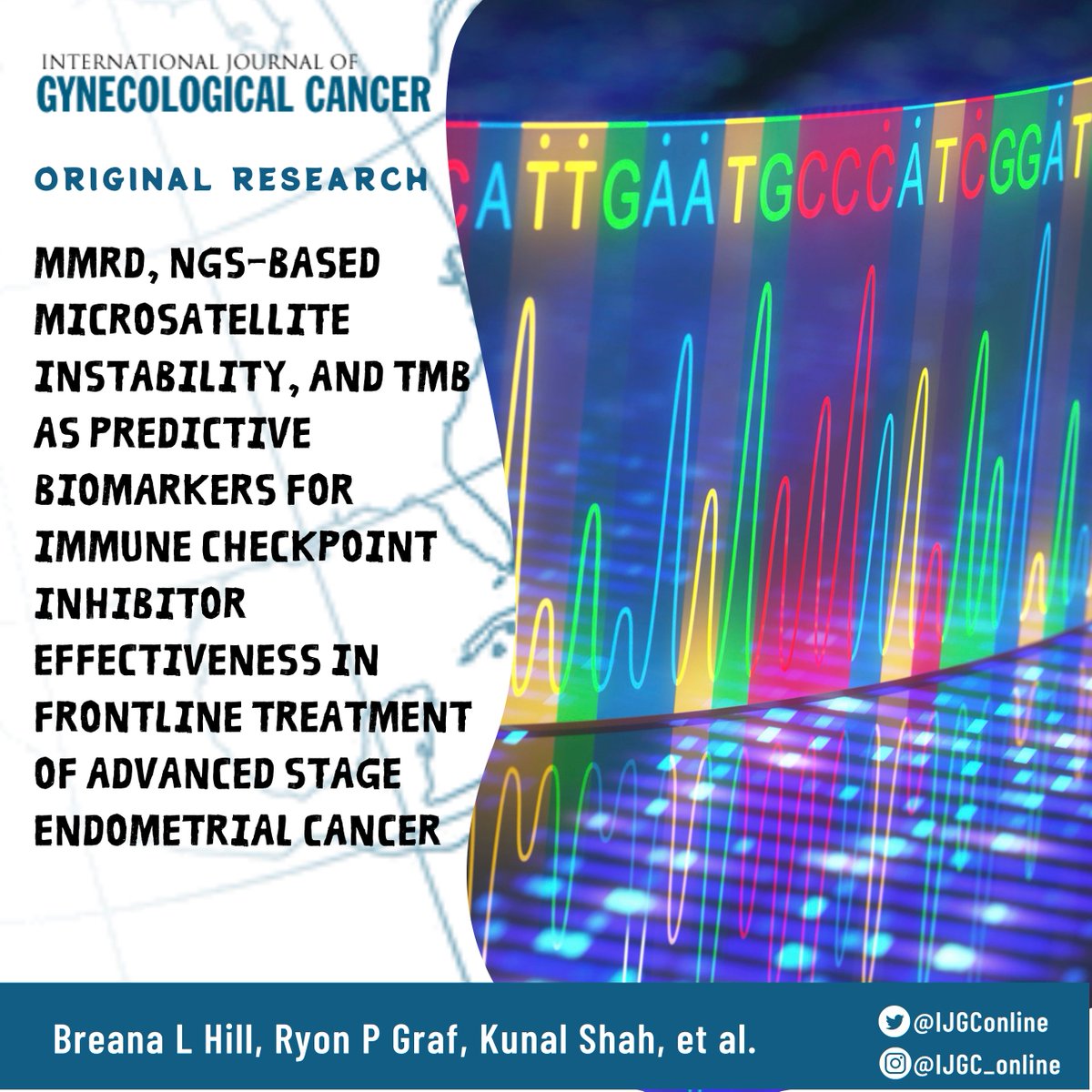
Our latest work on a pan-tumor validation of an NGS-based, FDA-approved MSI analysis. This NGS-based MSI method has high concordance to traditional MMR IHC and PCR assays and correctly identifies MSI-H tumors for treatment and response to pembrolizumab. https://t.co/ei62Uecywj
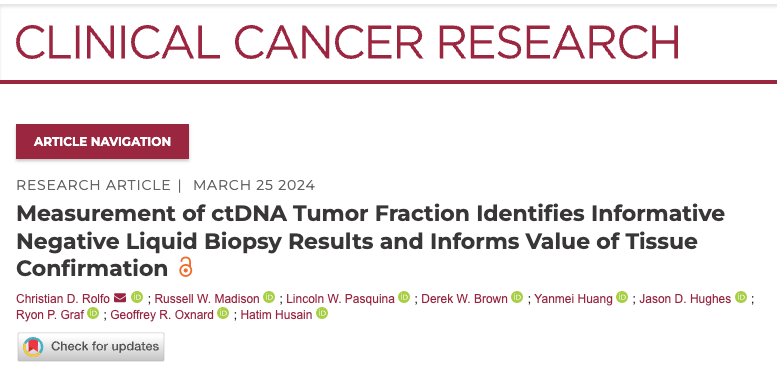
A very relevant question for 🩸liquid biopsy: @ChristianRolfo et al. @IcahnMountSinai
🧬When can we trust a negative result from a ctDNA test and omit tissue biopsy?
🧬LB with ctDNA tumor fraction ≥1% accurately identifies true negative results in lung cancer, reducing the need for invasive tissue tests. For ctDNA TF <1%, follow-up tissue testing is needed!
@oncoalert@CCR_AACR@geoff_oxnard@isliquidbiopsy @MCristofanill @ASCO
https://t.co/5mDU6Nb77t
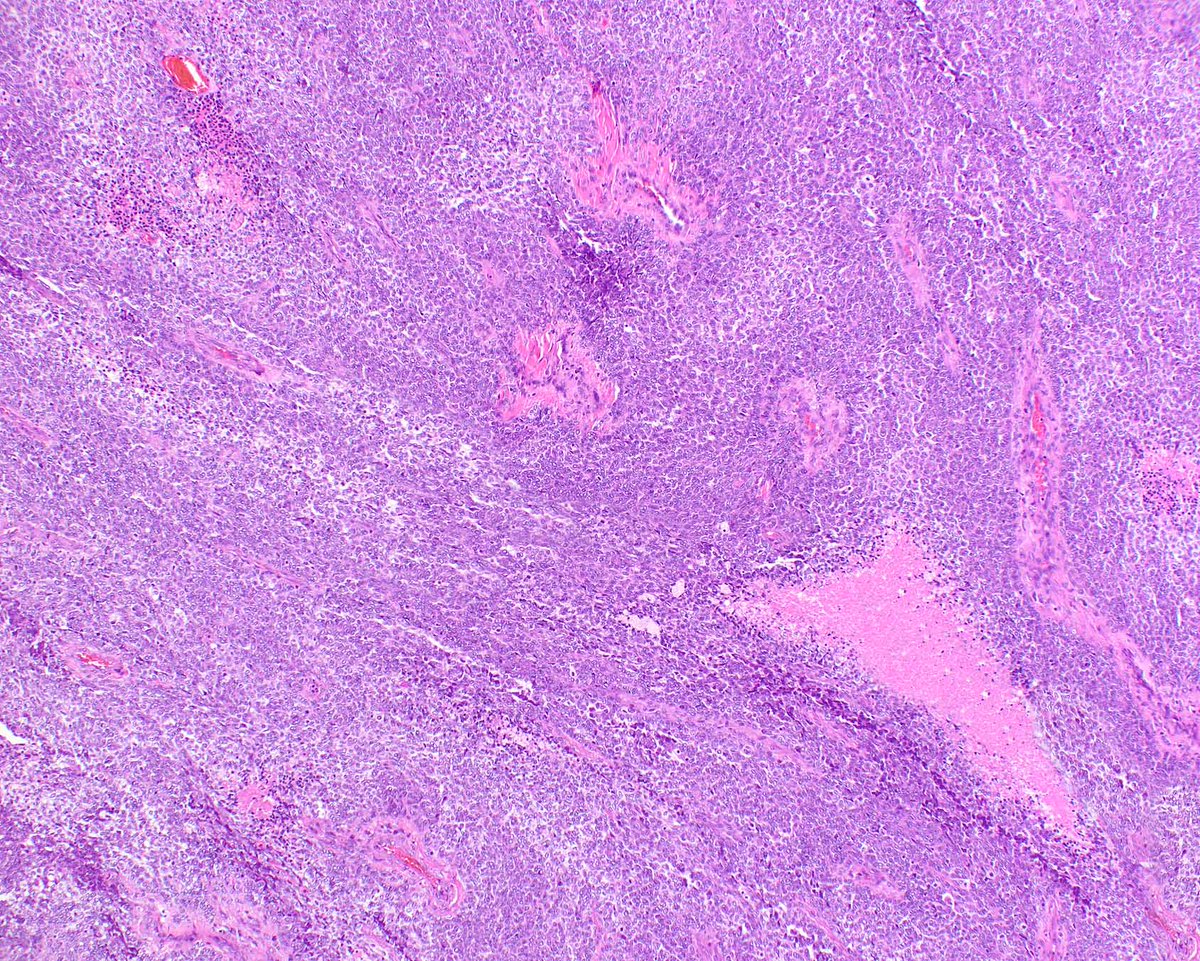
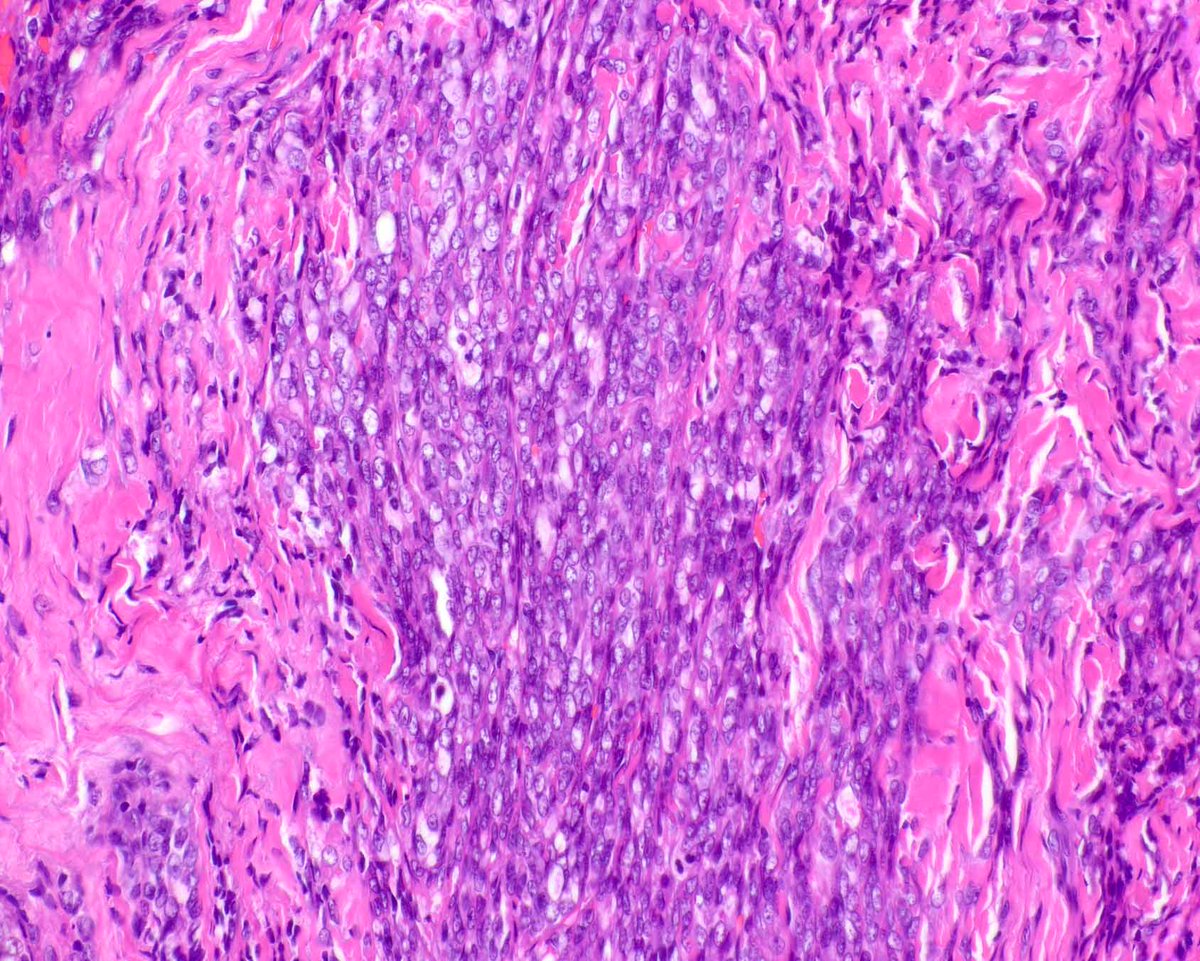
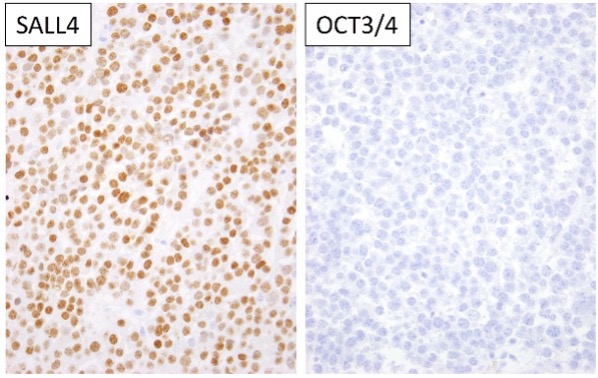
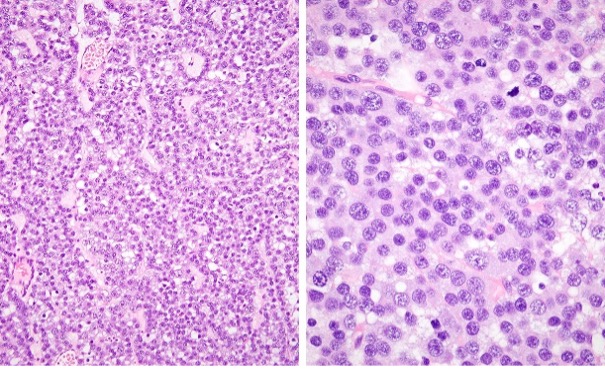
Interesting case from Dr. Michelle S. Hirsch. Diagnosis?
54 year old male with a 2.8 cm testicular mass.
Join Dr. Hirsch at our January Diagnostic Challenges in Urologic Pathology course in Palm Springs for this and many other cases. https://t.co/GA4ryKX2AX
Our #digital#pathology publication from Foundation Medicine, capturing our work in training deep learning models to assess morphologies across lung adenocarcinoma resections and predict for EGFR mutation status, is published. Congrats James Pao and team! https://t.co/00hiUfbBcV