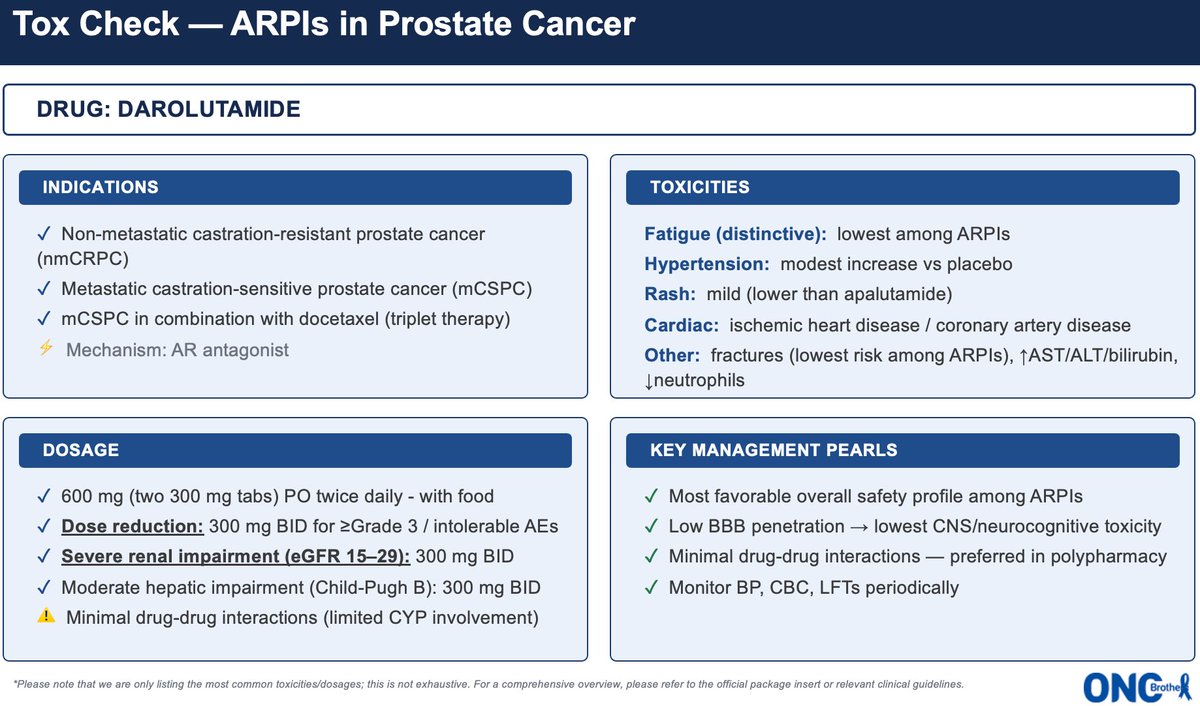
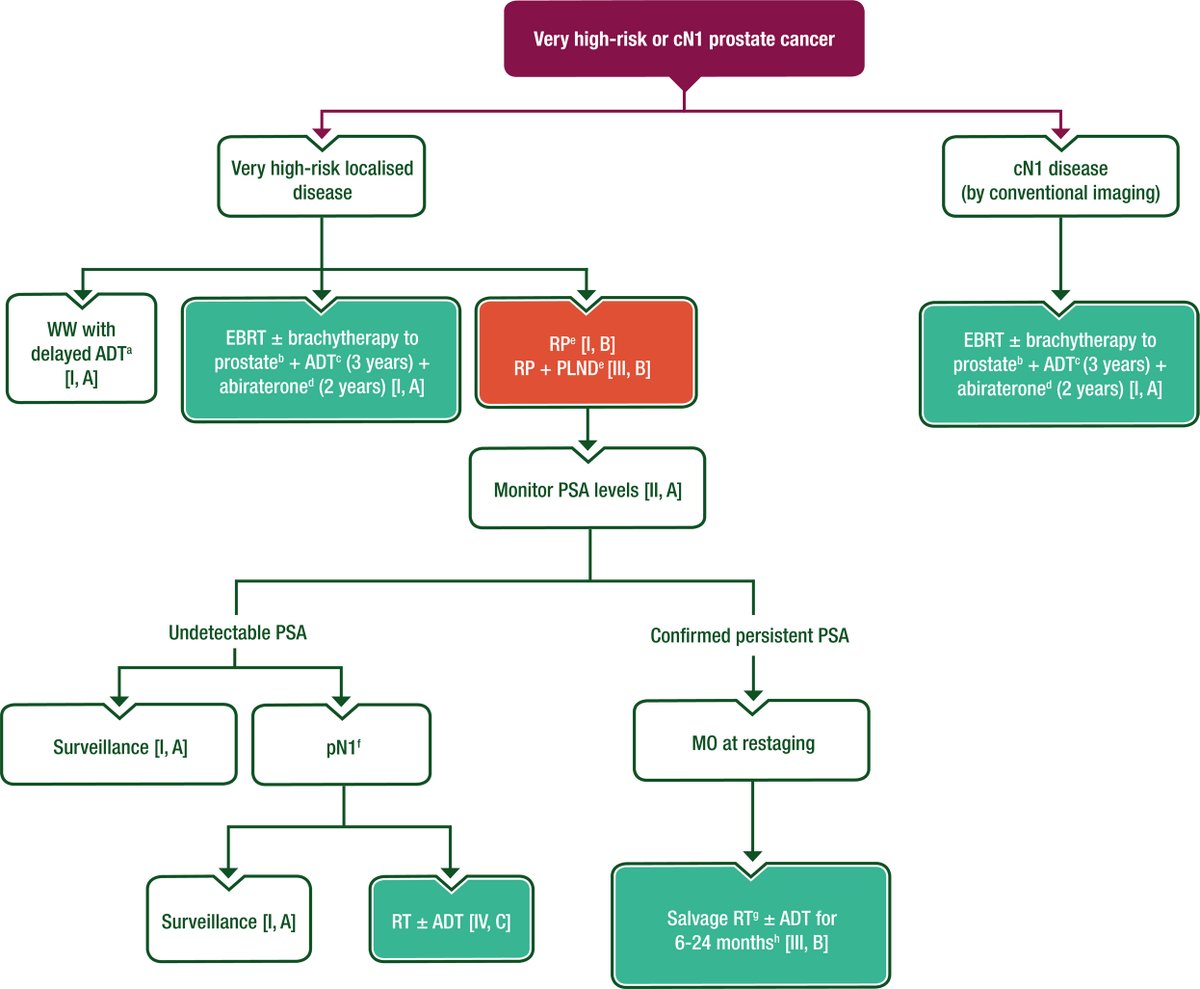
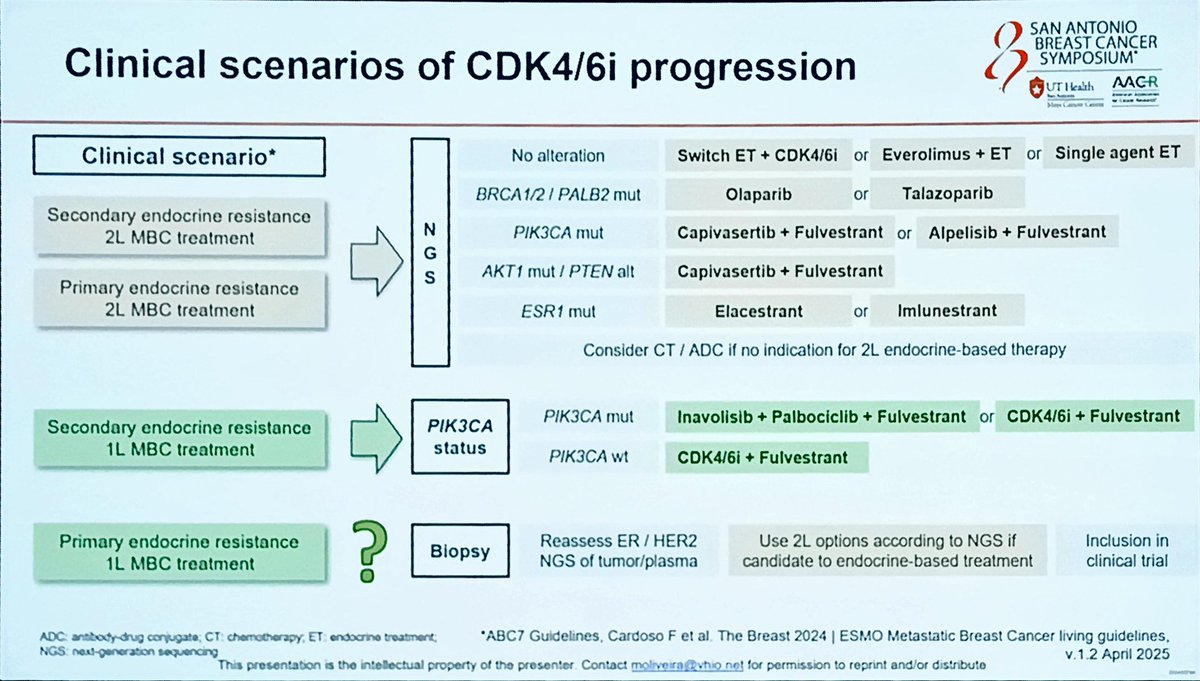
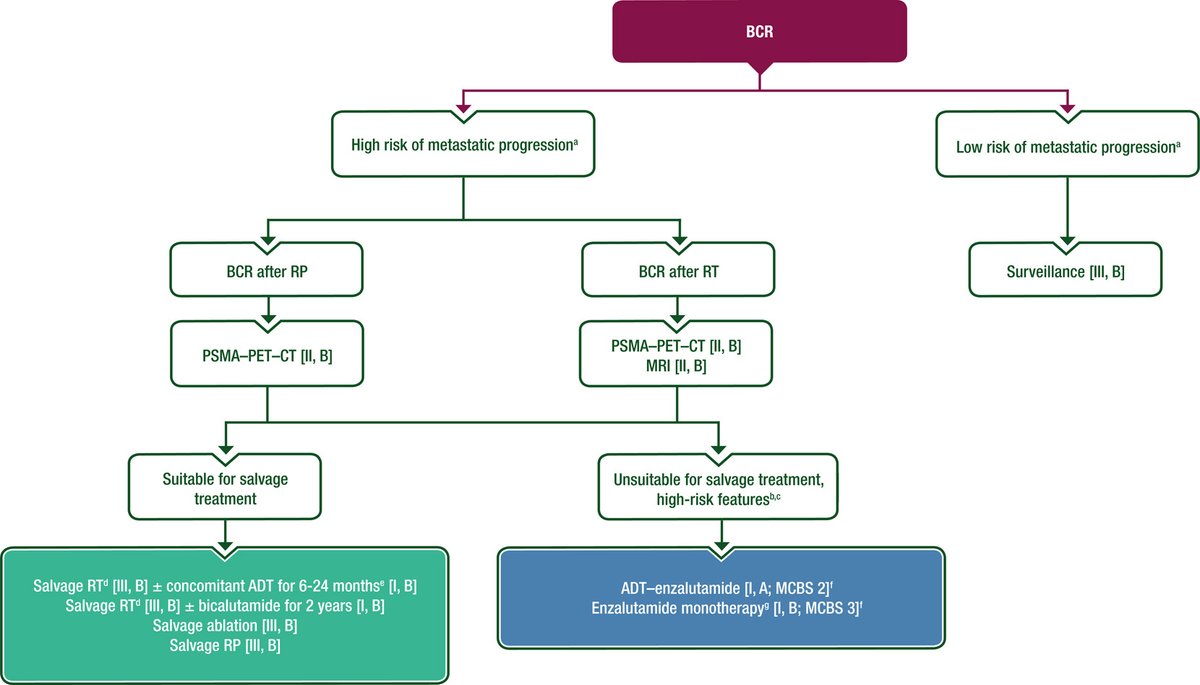
In this ToxCheck discussion, we touched on dosing, AEs, and clinical pearls in managing these AEs from our available ARPIs in #ProstateCancer
✅ Abiraterone
✅ Apalutamide
✅ Darolutamide
✅ Enzalutamide
Here our the tables we’ve used 👇👇
#OncTwitter@OncoAlert
Neoadjuvant systemic therapy in kidney and bladder cancer: where do we stand?
In MIBC, the landscape has shifted — EV+pembrolizumab and IO combinations are expanding options beyond cisplatin-based NAC, with ctDNA-guided adjuvant strategies emerging.
In RCC, neoadjuvant therapy remains investigational. Early IO±TKI trials show feasibility, but validated pathologic response criteria are still lacking.
https://t.co/9ByykrtZFq
@JCO_ASCO #BladderCancer #KidneyCancer
Over the last few hours, many colleagues and friends have contacted me about the positive Phase III results announced for intismeran autogene (V940/mRNA-4157) — interestingly, not only from the scientific and clinical perspective, but also asking what these results could mean from an investment perspective.
I am certainly not a financial analyst, so I will stay where I feel much more comfortable: the science and the clinical implications.
And while the announcement is genuinely exciting, I think it is equally important to discuss what we still do not know.
The big story here goes far beyond melanoma. For the first time, we may be witnessing the Phase III validation of a completely new drug-development platform in oncology: individualized mRNA-based cancer vaccines.
The concept is remarkable. Instead of developing one drug for thousands of patients, tumor-specific mutations are identified and used to design an individualized therapy targeting neoantigens specific to that particular patient's cancer.
If this approach proves reproducible beyond melanoma — with pivotal studies also exploring other tumors — we could be looking at a major step forward for precision oncology.
But enthusiasm should not prevent us from asking difficult questions.
I see three important areas of uncertainty.
1️⃣ We know the trial is positive. We do not yet know HOW positive it is.
The press release tells us that INTerpath-001 met its primary endpoint of recurrence-free survival (RFS) and the key secondary endpoint of distant metastasis-free survival (DMFS), with statistically significant and clinically meaningful improvements.
That is excellent news.
But we have not yet seen the hazard ratios, confidence intervals, absolute differences, Kaplan-Meier curves or the complete dataset.
And the benchmark is exceptionally high because the randomized Phase II study produced impressive long-term results:
➡️ 5-year RFS: 72.4% vs 49.1% — HR 0.51
➡️ 5-year DMFS: 83.9% vs 65.4% — HR 0.41
I am including those data and the trial design in the accompanying figures.
Replicating effects of this magnitude in a much larger Phase III trial would be extraordinary. But it also creates very high expectations. A statistically significant Phase III result could still appear disappointing to the market if the magnitude of benefit is substantially smaller than what we saw in Phase II.
And there is another important endpoint: overall survival (OS).
The press release does not report an OS benefit. In the Phase II study, the OS curve shows an encouraging trend, but without a statistically significant difference.
Why does this matter?
Because in the adjuvant setting our ultimate objective is not simply to delay recurrence. We give additional treatment after potentially curative surgery because we ultimately want to prevent more cancers from returning and help more patients live longer.
RFS and DMFS are extremely important endpoints and can support regulatory decision-making, but mature OS will remain an important piece of the clinical story.
2️⃣ Personalized medicine at this level creates an unprecedented logistical challenge.
This is perhaps one of the most fascinating aspects of the technology.
We are moving from:
“the right drug for the right patient”
towards something even more ambitious:
“a drug specifically manufactured for one individual patient.”
Tumor tissue must be obtained and analyzed, relevant mutations and neoantigens identified, an individualized mRNA construct designed and manufactured, quality controlled, transported and finally administered — all within a clinically meaningful timeframe.
If successful, this would represent a giant leap for precision oncology.
But scientifically elegant does not necessarily mean operationally simple.
Manufacturing capacity, turnaround time, reproducibility, international distribution and the ability to deliver treatment outside highly specialized centers will ultimately determine how scalable this approach can become.
3️⃣ And inevitably: what will individualized cancer treatment cost?
This deserves a much broader discussion than a LinkedIn post, and this is certainly not intended to reopen the debate about the price of cancer medicines.
But economics matters when assessing the real-world impact of a technology.
A therapy manufactured individually for every patient will inevitably face different economic challenges from a conventional drug produced at scale.
The key question will therefore not only be:
Can we manufacture it?
but also:
Can healthcare systems afford to provide it broadly?
Pricing, reimbursement and health-technology assessment could ultimately influence access — and potentially delay it significantly in some healthcare systems, including countries such as Spain.
This is relevant clinically, but also when trying to extrapolate impressive scientific results into future commercial value.
None of these questions diminish what has just been achieved.
Quite the opposite.
A positive Phase III trial potentially validating individualized mRNA vaccination in cancer is a remarkable scientific milestone.
But there is an important distinction between:
a positive trial → a successful drug → a successful platform → a commercially successful platform.
We have potentially crossed the first major bridge.
Now we need to see the complete Phase III data, understand the magnitude and durability of benefit, follow overall survival, and ultimately determine whether these results can be reproduced in other malignancies.
If they can, melanoma may eventually be remembered not as the destination, but as the proof of concept that opened the door to an entirely new way of developing cancer treatments.
And that, scientifically, is what I find most exciting.
#Oncology #CancerResearch #mRNA #CancerVaccines #PrecisionOncology #PersonalizedMedicine #Immunotherapy #Melanoma #ClinicalTrials #DrugDevelopment #Biotechnology #TranslationalResearch #Innovation #Healthcare #Pharma
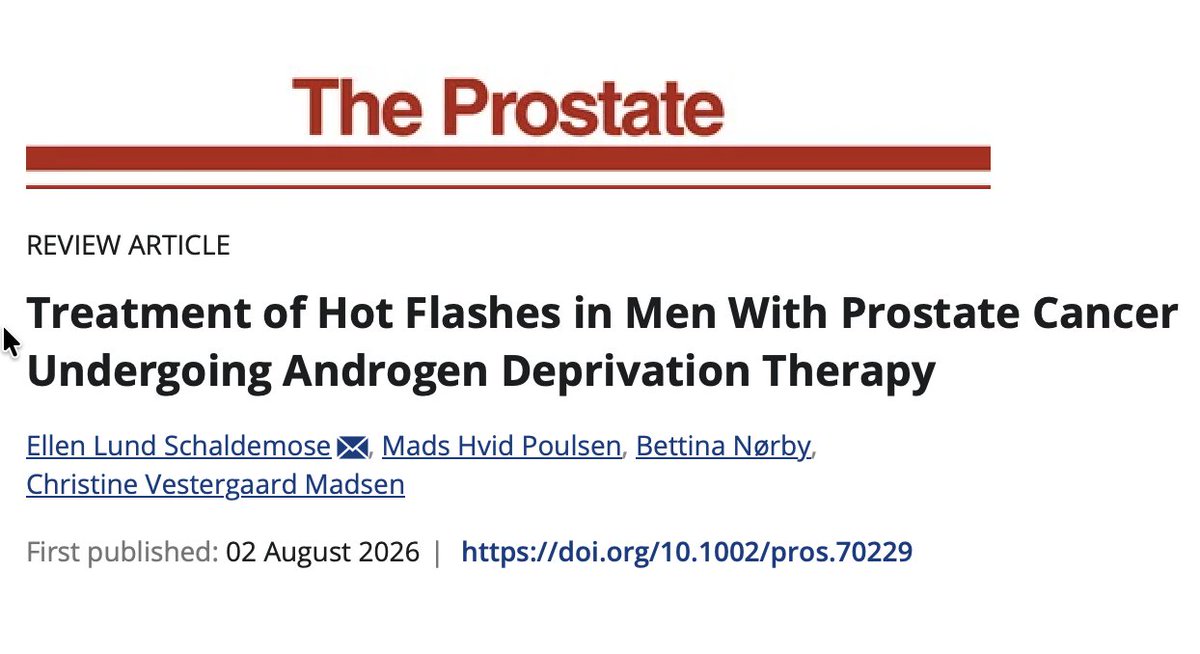
Are we doing enough to manage one of the most common—and often overlooked—side effects of androgen deprivation therapy?
https://t.co/ede7VqEZsX
Treatment of Hot Flashes in Men With Prostate Cancer Undergoing Androgen Deprivation Therapy
Hot 🔥flashes remain a major quality-of-life challenge for men receiving ADT, yet the evidence supporting available treatments is surprisingly limited.
This systematic review of 35 studies found that hormonal therapies💊, including cyproterone acetate and estrogen, achieved the greatest reductions in hot flashes but at the expense of increased side effects. Non-hormonal options such as SSRIs and gabapentin produced variable results, while acupuncture and cognitive behavioural therapy offered modest benefits. Dietary supplements showed little evidence of effectiveness.
As newer agents such as fezolinetant emerge, improving supportive care may become just as important as optimising cancer control. #ProstateCancer
@OncoAlert 🚨 #LPCCC27
@Silke_Gillessen@AOmlin@ProfKHerrmann@weoncologists
📸 Should PSMA PET be used to assess treatment effects in routine #ProstateCancer care?
@Daniel_J_George@DukeCancer at #USPCC26 argues YES.
Key points:
✅ PSMA PET >> conventional imaging for sensitivity/specificity across disease states
✅ ORIOLE: treating all PSMA-visible lesions improved composite PFS and DMFS
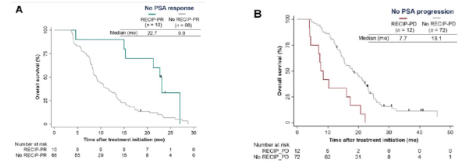
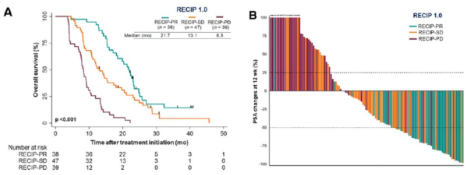
✅ RECIP 1.0 provides standardized response criteria on serial PSMA PET (tumor volume + new lesions); predicts OS independent of PSA
✅ Early PSMA response (≈3 months) prognostic in mCRPC: RECIP PD vs non-PD HR 2.6 for OS
✅ Practical uses: guide consolidative RT in PSA-complete responders, target oligoprogression with SBRT, decide continue/stop/switch in mCRPC
✅ PSMA-RADS improves interpretive consistency across readers
PSMA PET refines burden classification, targets therapy, and offers earlier, more biologic response assessment than PSA or CT/bone scan alone.
Written coverage by @zklaassen_md@GACancerCenter > https://t.co/2Qi5EkXJRj @PCFnews
Too much oncology news. Too little time.
The @OncoAlert newsletter helps filter the noise and bring forward the studies, trials, and clinical developments most worth knowing.
📩 Register here 👉 https://t.co/0cUMCng3b8
This edition explores:
🔹 #ProstateCancer screening and the challenge of overdiagnosis
🔹 Molecular testing and targeted treatment in #NSCLC
🔹 New insights into breast cancer biology
🔹 Relevant updates across GI and GU oncology
🔹 The growing role of ADCs in solid tumors
🔹 Global cancer trends and equity in cancer care
One curated source. Multiple tumor types. Evidence with clinical context.
Share it with colleagues who value staying informed without getting lost in the volume of new data.
#OncoAlert #Oncology #CancerResearch #PrecisionOncology #ClinicalPractice
The FDA approval of perioperative EVP in muscle invasive bladder cancer makes platinum eligable somewhat redundant. It creates a paradigm shift in the disease and a is landmark moment . The principle of ‘EVP first, ask questions later’ becomes more relevant. The next questions are i) can we cure most of these patients without surgery and ii) how much systemic therapy is needed? @Annals_Oncology@OncoAlert
Cognitive effects of darolutamide vs enzalutamide: Results of ARACOG (AFT-47), a randomized clinical trial from the Alliance for Clinical Trials in Oncology
https://t.co/diCJenOZlE
The phase 2 ARACOG trial randomized 111 patients with mHSPC, mCRPC, or nmCRPC to darolutamide (DAR) or enzalutamide 💊 (ENZ) and prospectively evaluated cognitive outcomes using the CANTAB platform. At 24 weeks, DAR was associated with significantly less cognitive 🧠 📉 decline than ENZ in the maximally changed cognitive domain (-15.8% vs -36.1%; p=0.009). Cognitive performance appeared stable or improved with DAR, suggesting a learning effect, whereas ENZ showed mild decline.
Notably, all treatment crossovers occurred from ENZ to DAR, primarily due to objective or subjective cognitive deterioration, supporting a more favorable cognitive profile for DAR. #ProstateCancer
@CaPsurvivorship@CaPsurvivorship@danielkwonmd@deepak_kilari@_StuartBloom@PrafulRavi1@kvballman@EAntonarakis@charlesryanmd@OncoAlert@Silke_Gillessen@AOmlin@weoncologists
🫁 RELAY+ final OS.
Ramucirumab + gefitinib in 1L EGFR-mutant metastatic NSCLC achieved a median OS of 47.4 months with a 3-year OS of 61.8%. High post-progression T790M rate (81%) supports preserved sequencing. Safety aligned with VEGFR inhibition.
📖 @JTOonline
DOI 👉🏻 https://t.co/heDNBMskrK
#CánCare #NSCLC #EGFR #ThoracicOncology
Circulating tumor DNA as a biomarker in early phase clinical trials
@Cancer_Cell
https://t.co/LntAkjSGsh
👉Review on current applications & future opportunities for ctDNA as a multi-utility biomarker in early phase clinical trials
@myESMO
Real-world molecular & clinical insights @CCR_AACR@AACR :
This cohort shows aggressive biology with high rates of TP53 (40%), STK11 (30%), and KEAP1 (29%), and frequent brain (38%) and bone (37%) metastases.
Median rwOS was 12 months.
@OncoAlert https://t.co/otPalcRGjY
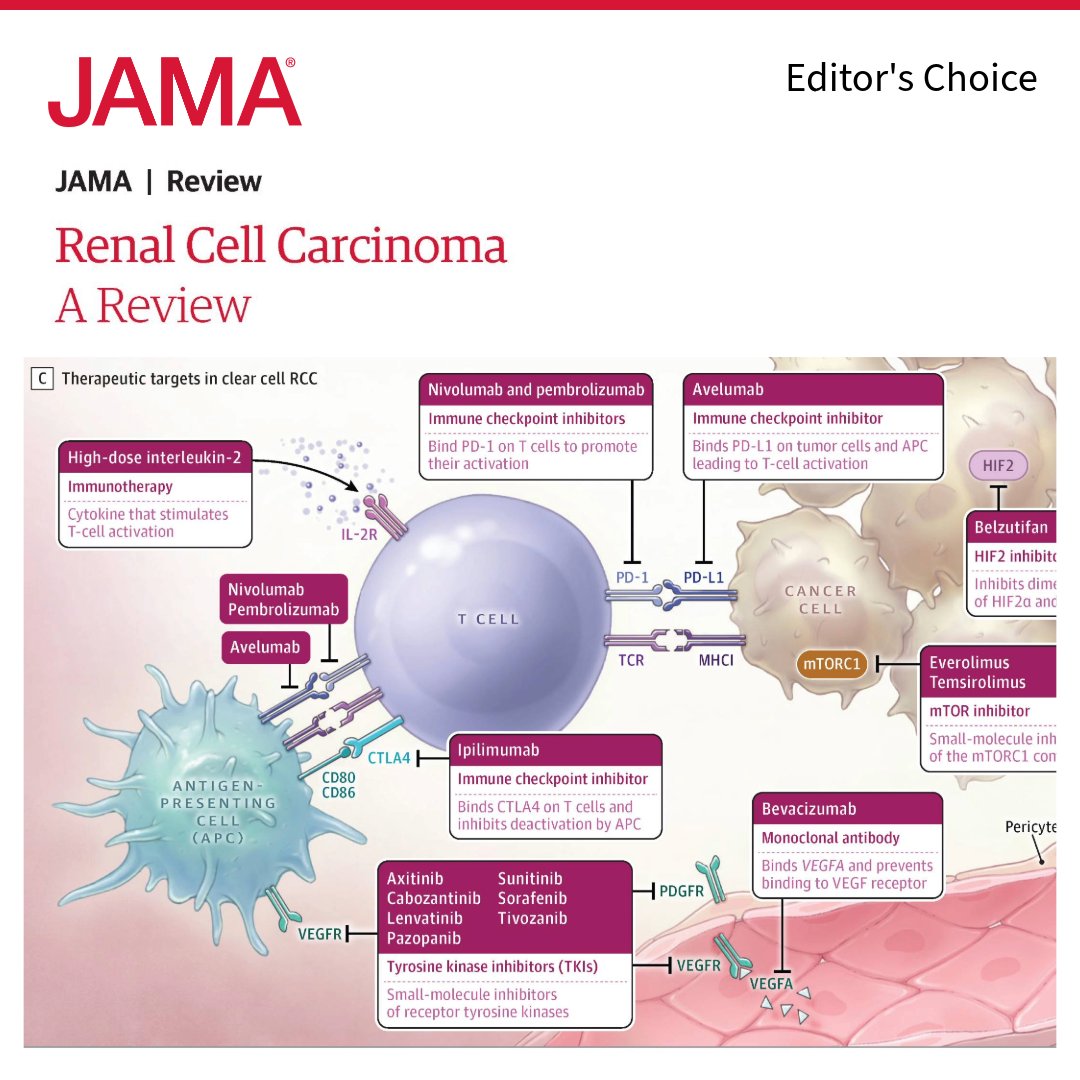
✅ Editor’s Choice: This Review summarizes the epidemiology, clinical presentation, pathophysiology, and management of renal cell #carcinoma (RCC). In 2023, there were an estimated 81 800 newly diagnosed cases of RCC in the US.
💾 Save this Review for your citations: https://t.co/UaTEDlDtZg
A new study shows that aspirin enhances antimetastatic immunity by decreasing platelet activation, thereby releasing T cells from suppression by thromboxane A2.
Learn more in the Clinical Implications of Basic Research article “Understanding How Aspirin Prevents Metastasis” by Ruth E. Langley, MB, BS, PhD, and John Burn, MD, from University College London and @uniofnewcastle: https://t.co/QRfkZHjAiq