Behavioral & spatial ecologist. Founding member & Director of Conservation Science at @selvaorgco. Research Associate at @SMBC. Guest Scientist at @MPIforBI.
Thrilled to share that our latest paper on how surrounding forest cover influences bird occupancy in Andean coffee-growing landscapes is featured on the cover of @JAppliedEcology!
The paper: https://t.co/Yi8tuGDHGf
The Issue: https://t.co/bqGGywlrN2
@selvaorgco@SMBC
In 1977 @NASA launched Voyager 1, currently traveling at 38,000 mph. Hailing from beyond all the Sun’s planets, on Nov. 18, 2026, Voyager reaches a distance of exactly 1 Light-Day from Earth.
Before you get too excited by this, the Sun's nearest stars are Light **Years** away.
It may be that the chytrid fungus is not yet present in the Sierra Nevada de Santa Marta 🏔️🐸
The chytrid fungus threatens the last epidemiologically naive Neotropical montane amphibian biodiversity hotspot: Current Biology https://t.co/yQXqDyOXBB
Forests across North America have seen a drop in the number of songbirds heralding the arrival of spring. To figure out why, biologists scour forests to capture birds and tag them with leg bands.
By going back to look for the tagged birds a year later, they can get a picture of how many survive from one year to the next. But the fieldwork takes untold hours, and capturing and banding can stress the birds.
A new paper lays out a quicker, gentler approach. It uses sound recorders and #AI to identify individual birds based on their song alone and track them over time.
Learn more: https://t.co/DTKobGUafz
Habitat fragmentation may be causing birds to lose genetic diversity far faster than previously estimated.
A new Science study of 62 songbird species in China found that all had lost nearly half their genetic diversity over roughly 50 years, including species considered common and at low risk of extinction. https://t.co/AFhlf3blJ5
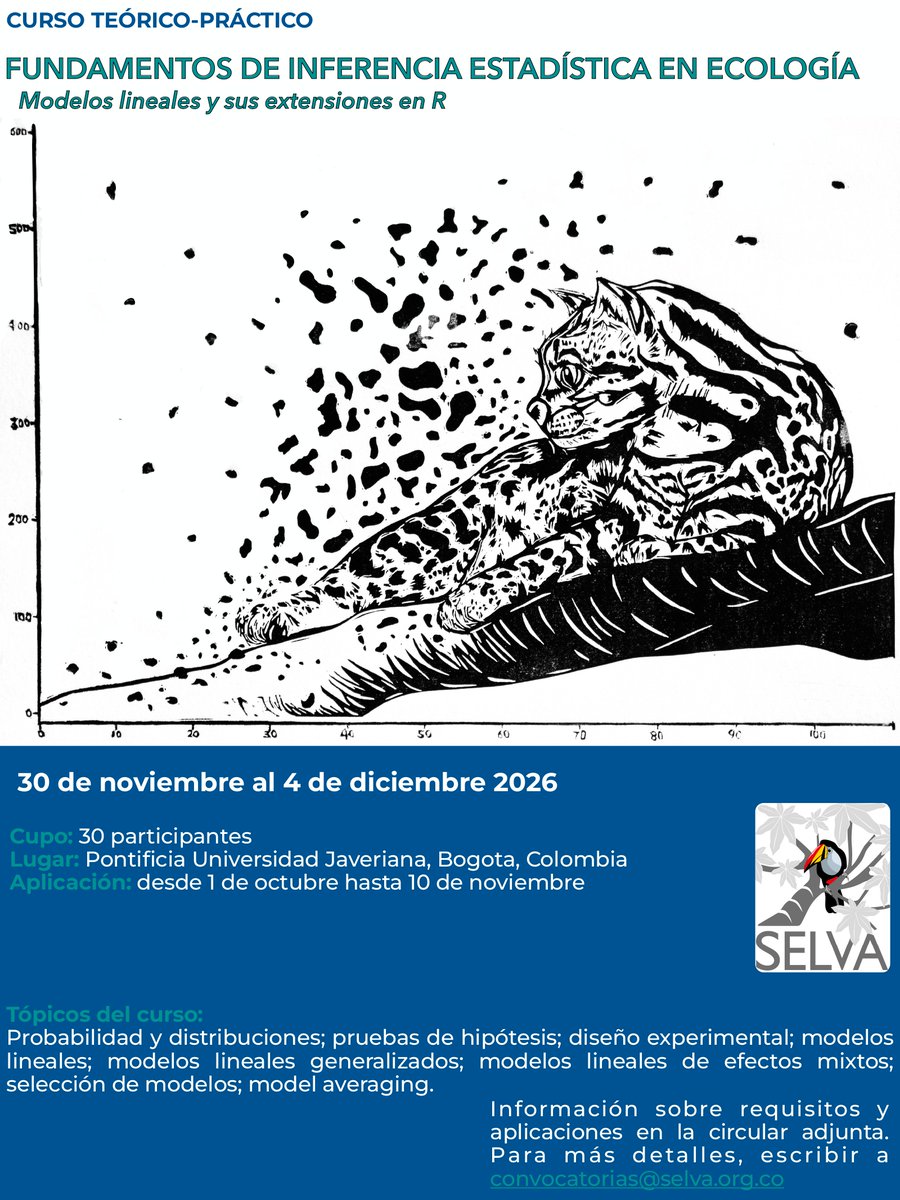
Ampliamos el plazo de postulación al curso Fundamentos de Inferencia Estadística en Ecología Modelos lineales y sus extensiones en R.
🗓️ Nueva fecha límite: 25 de noviembre
¡Postúlate con tu CV y correo de motivación!
Bird songs share surprising similarities with human music and speech, according to a large-scale study comparing vocalizations across hundreds of bird species and dozens of human languages.
The findings in Science suggest that these similarities may arise partly from shared biological mechanisms, rather than vocal learning ability alone.
Learn more: https://t.co/2airIuhcv0
Researchers in Science report that many birds use vertical winds or gradual changes in wind speed or direction (wind shear) to soar, thereby reducing their cost of transport by switching from costly flapping flight to gliding flight.
📄: https://t.co/fIhHtKHKsL
#SciencePerspective: https://t.co/g95IXb7x7k
¡Últimos días! 🪶🪺
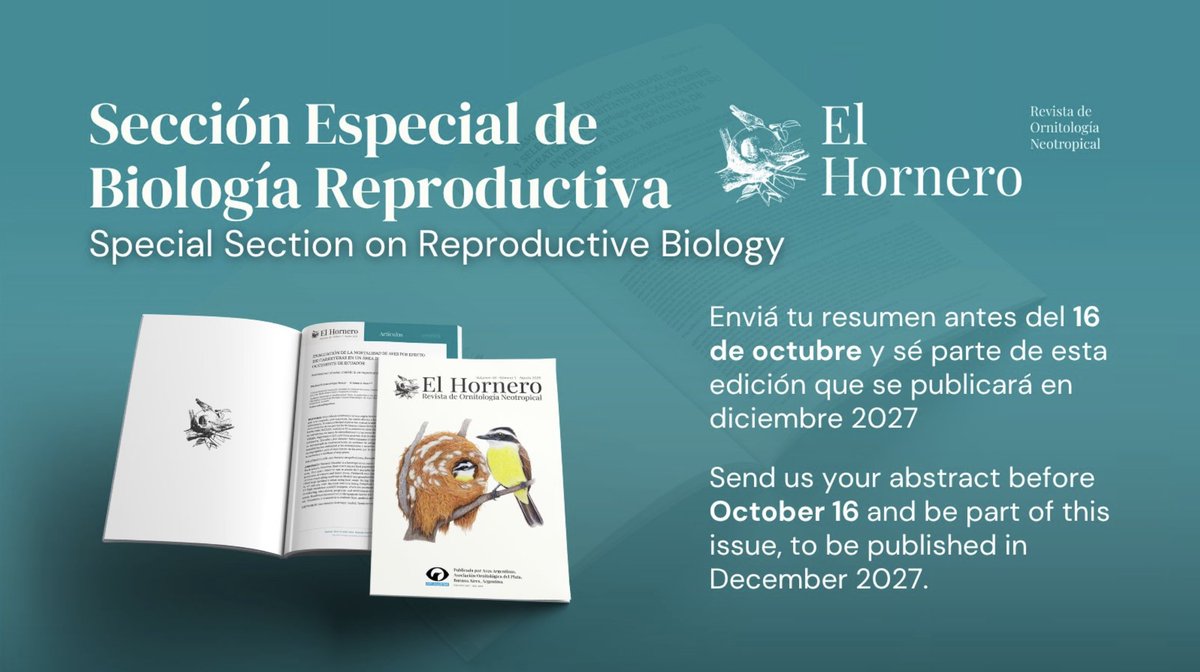
Si investigas sobre biología reproductiva de aves neotropicales, esta es una gran oportunidad para aparecer en el próximo número especial de #ElHornero.
Envía tu resumen hasta el 16 de oct.
https://t.co/lBhKgrFq7B
@CienciaAves@nidohorneros@EBoteroD
🌳☕️ ¡Avanza el fortalecimiento ambiental en Garzón, Huila!
Junto a las lideresas ambientales de Las Guardianas del Agro (asociadas a COOCENTRAL), en agosto dimos inicio a un proceso de formación enfocado en la restauración y sostenibilidad de los sistemas cafeteros. 🧵👇
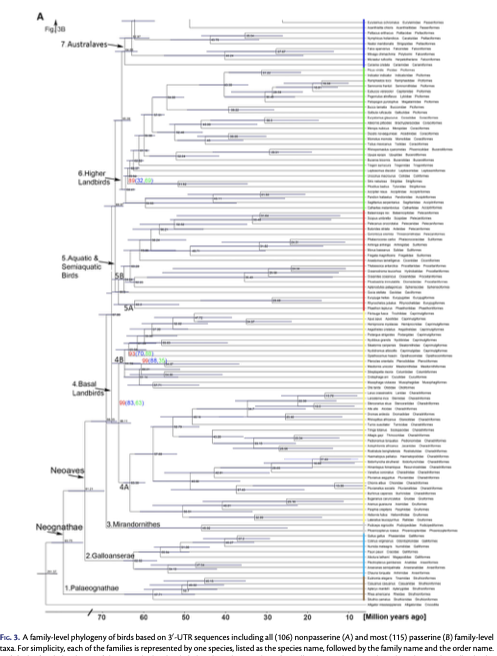
Avian molecular clocks suggest that the ~12,000 bird species in the Holocene descend from a small number of species surviving the Chicxulub impact and Cretaceous-Paleogene extinction. Perhaps as few as three species give rise to all modern birds.
The Data Management Better Science Guide has been updated! 🚨
A big thank you to Natalie Cooper and Robert Barber for editing the guide, and everyone who contributed to the writing! (1/3)
Acompáñanos durante el mes de las #EspeciesPerdidas para hablar de cómo los datos moldean nuestros esfuerzos de búsqueda y estudio de aves prioritarias. Conéctate este jueves 8 de octubre a las 09:00 Colombia. Inscripciones e información: https://t.co/KsGxC65EXL @rewild@ABCbirds
📖 New research!
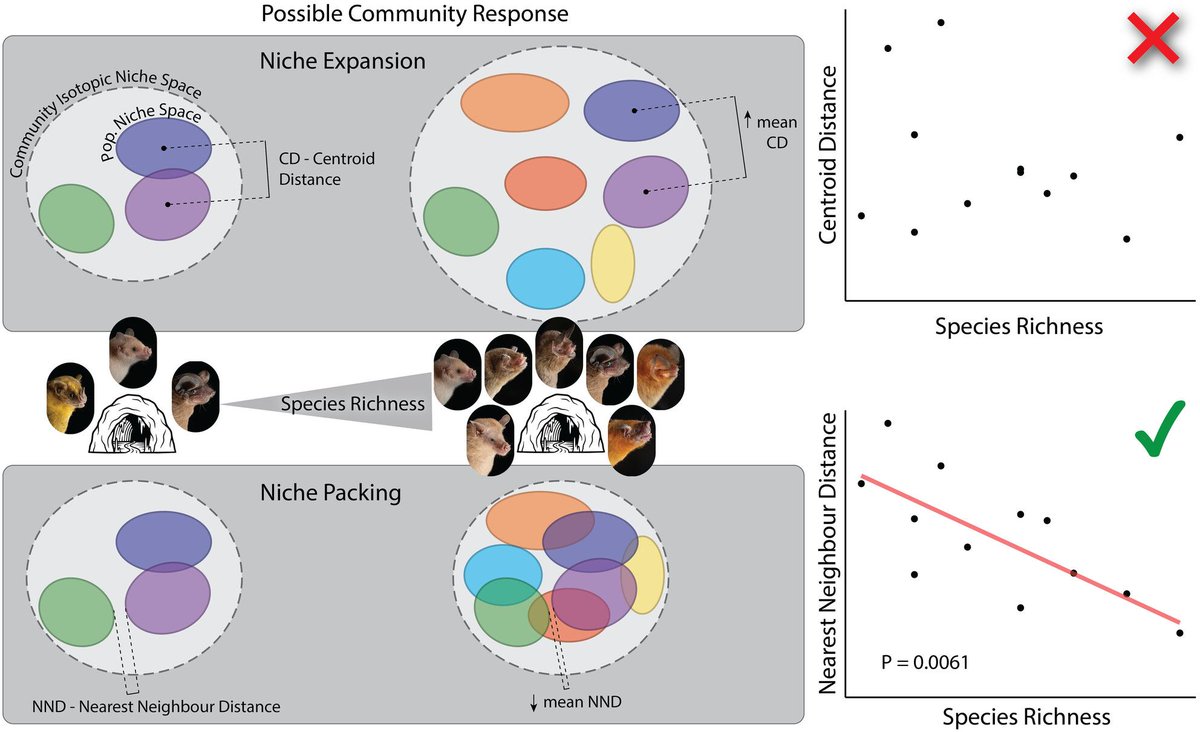
Niche occupancy of Jamaican bat caves: Diversity increases isotopic niche packing🦇
These results demonstrate niche packing as the operative mechanism of coexistence among diverse Jamaican bat caves 🦇
🔎 https://t.co/IHfdtnTchK
Llega el curso Fundamentos de Inferencia Estadística en Ecología📊
Una oportunidad para fortalecer tus análisis sobre patrones en biodiversidad
Postúlate con tu CV y correo de motivación entre el 1 de octubre y el 10 de noviembre, y conoce la tarifa especial para Amigos de SELVA
📖 New research📖
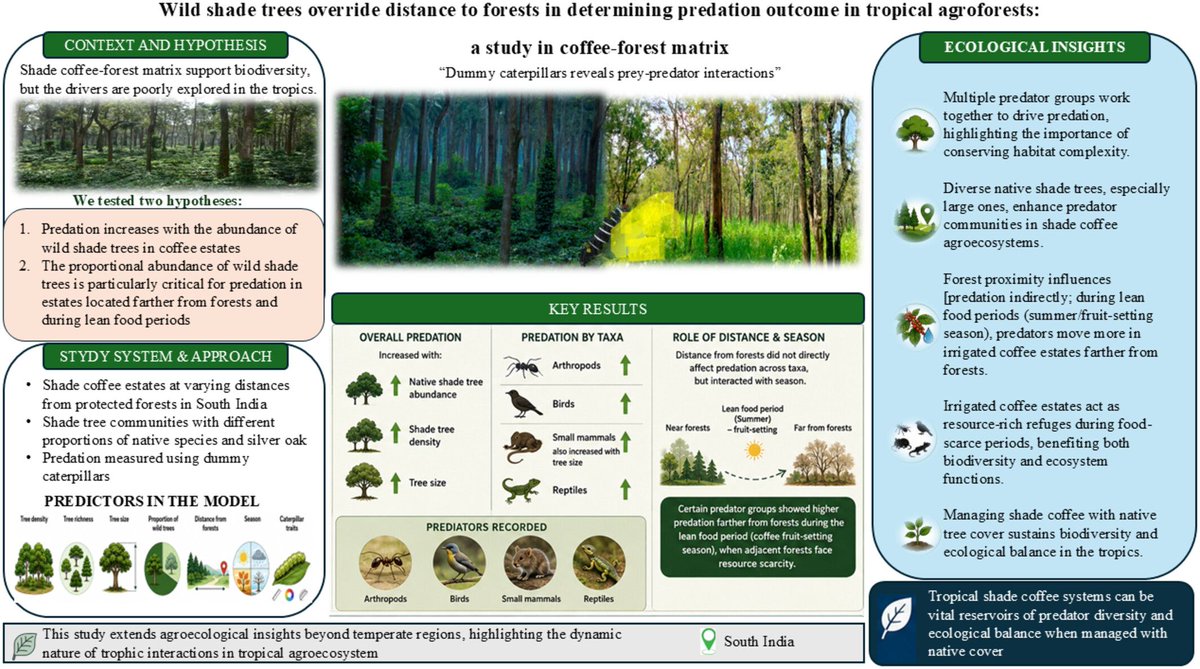
Wild shade trees override distance to forests in determining predation outcome in tropical agroforests: A study in coffee-forest matrix 🌴 🦎 ☕️
Read more here👉️ https://t.co/mJFP6SIFxj
Viene un número especial en #ElHornero sobre biología reproductiva para que investigadores de #LATAM publiquen resultados sobre este aspecto poco conocido de las #aves de la región. Envíen sus resúmenes antes del 16-10-2026 👉 https://t.co/rafXL8Ryt4
@CienciaAves@nidohorneros
🐦 El Hornero convoca trabajos para su Sección Especial sobre Biología Reproductiva de aves neotropicales: nidificación, huevos, cuidado parental, éxito reproductivo y más. En castellano o inglés.
📅 Propuestas hasta 16/10/26
👉 https://t.co/AzngKwOXFb
@nidohorneros@selvaorgco