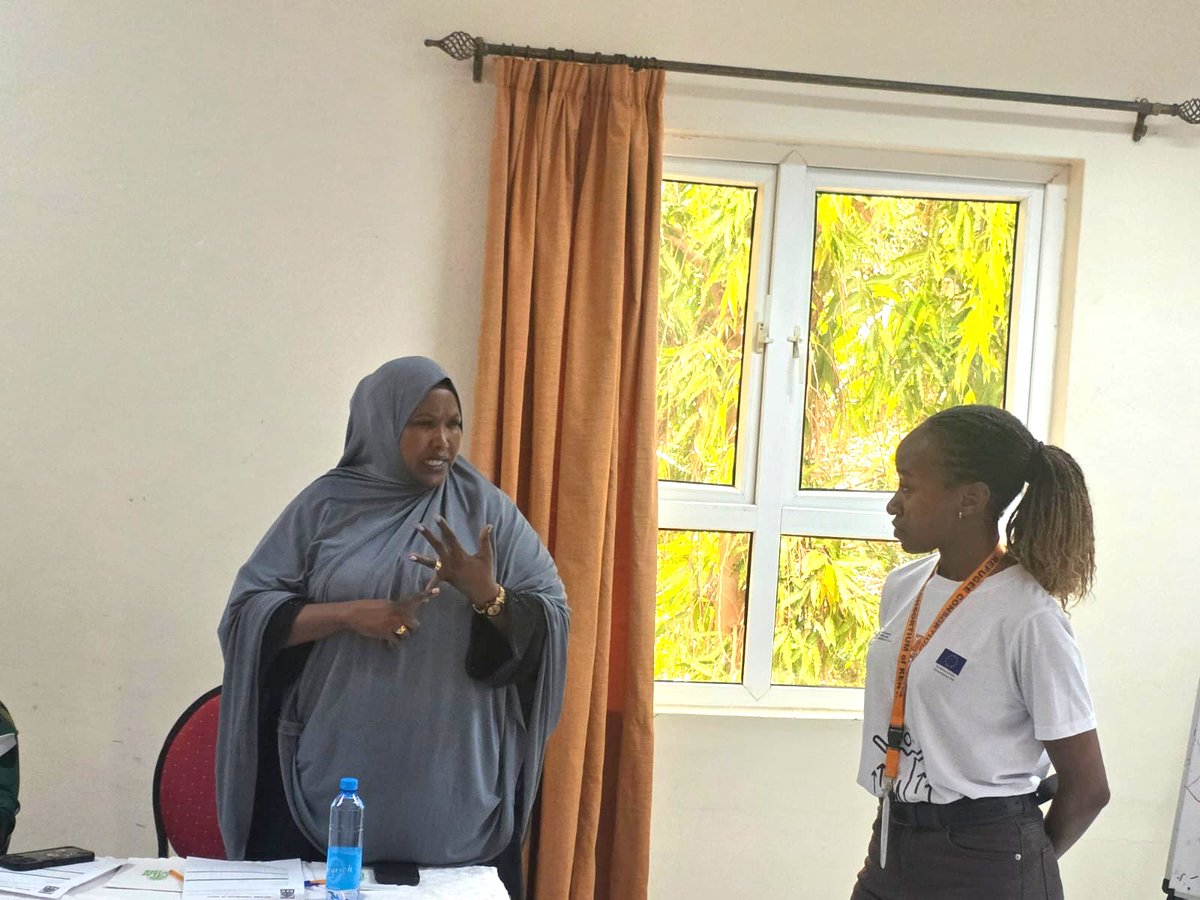
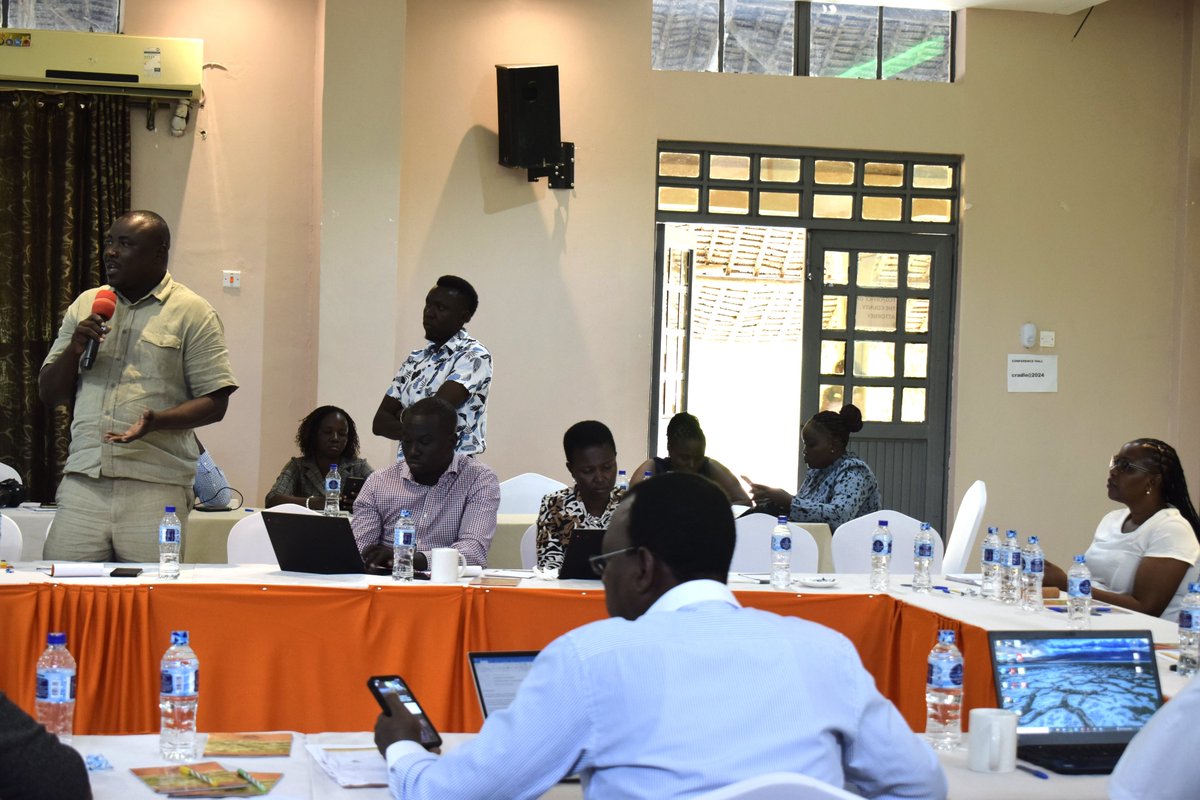
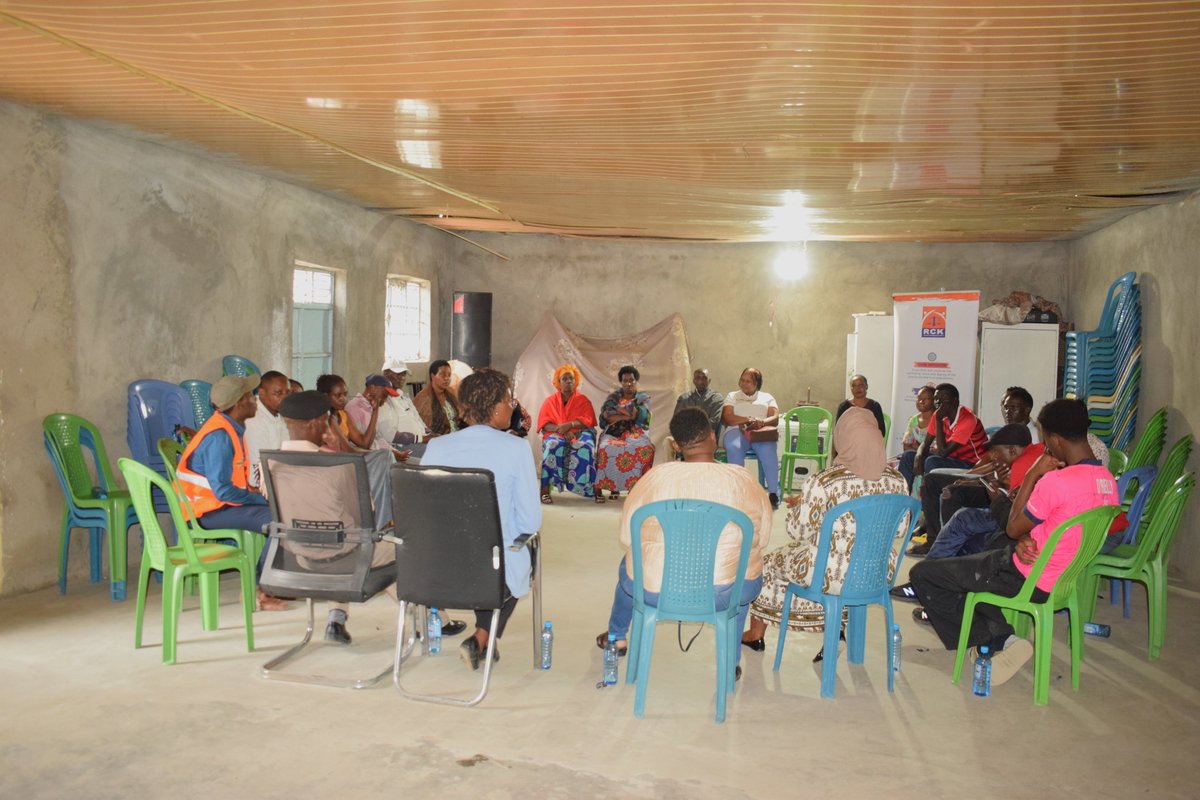
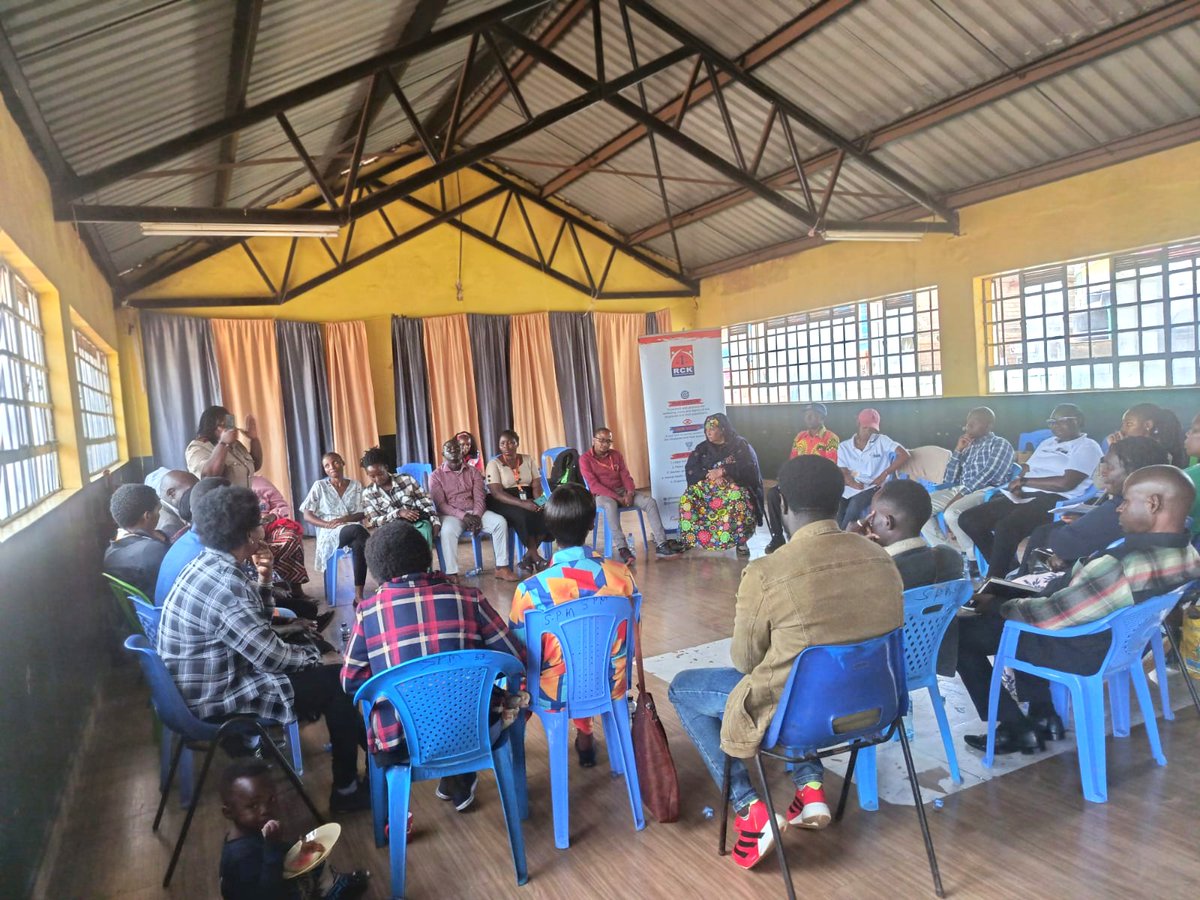
Today, as the global community marks #WorldRefugeeDay2026 and the 75th anniversary of the 1951 Refugee Convention, we gather not only to celebrate resilience but also to reflect. Guided by this year’s theme, "Until Everyone Is Safe," we are reminded that safety is a shared responsibility that remains incomplete until it reaches everyone. This collective duty binds governments, institutions, communities, and individuals alike.
For too long, safety was narrowly defined as the absence of conflict or persecution. True safety, however, demands much more. A refugee is not secure by crossing a border. True safety is realized when they hold legal documentation that recognizes and protects them; when their children can attend school; when they can work legally without fear of exploitation; and when they are embraced as valued members of the communities they now call home.
This year, Kenya marks two critical milestones: 20 years since the Refugee Act of 2006, which established our foundational legal framework for protection, and 5 years since the Refugee Act of 2021, which expanded refugee rights and recognized them as long-term contributors rather than temporary guests.
Today, as we begin implementing the historic Shirika Plan, we need to ensure the promise of the 2021 Act moves beyond legislation to become a lived reality. This reality is visible when a refugee child is enrolled in a public school, when a mother accesses essential healthcare, and when an entrepreneur pays taxes, creates jobs, and uplifts both refugee and host communities. These are not abstract concepts; this is what safety looks like in practice.
We face this future in a changing global context. International donor funding is under immense pressure, and external geopolitical shifts are reshaping long-standing commitments.
Yet, amid growing global uncertainty, Kenya continues to demonstrate leadership. By championing socio-economic integration and enacting policies that surpass basic international requirements, the decisions Kenya makes today will shape the future of refugee protection across the region and beyond.
Protection needs to remain at the center of every reform.
We stand firmly committed to working alongside all stakeholders, providing technical expertise, fostering deep partnerships, and strengthening cooperation across refugee-hosting counties, urban centers, and all communities. Together, we share a common vision for a safer, more inclusive future.
@inkomokoKenya@FondazioneAVSI@BrighterMonKE@Equal_Reach@RESCUEorg@JesuitRefugee@ki4bli@KituoSheria@Kiva@Konexio_eu@MigrationPulseH@NRC_EAY@PWJ_Kenya@RefugeeInvest@WeAreRefuSHE@SaveChildren_KE@hope2shine@WorldRelief@KeEquityBank@SafaricomFDN@KCBInKenya@DRSKenya@AfricaAmahoro@denmarkinkenya@NLinKenya@OpenSociety@TurkanaAssembly@Locham_David@GarissaGov@ODPP_KE@NDOCKenya@NPSOfficial_KE@ENStatelessness@unwomenkenya@NAssemblyKE@ntvkenya@citizentvkenya@K24Tv@tv47news@NationAfrica@StandardKenya@UNHCR_Kenya@ReDSS_HoA
🎉 Big Win for Refugee Inclusive in Early Childhood Development and Education (ECDE) in Turkana County!
@RCKKenya recommendations have been adopted into the officially approved report on the Turkana County ECDE Policy, adopted by the County Assembly of Turkana on May 21, 2026.
Through our ongoing collaboration with the @TurkanaAssembly and @TurkanaCountyKE, with the support of @denmarkinkenya under the Inclusive Refugee Response Programme, the RCK team participated and presented our memorandum before the County Assembly Committee on Education, Sports and Social Protection. The session, held from May 13th to 16th, 2026, aimed to review and process the Turkana County ECDE Policy Framework 2025.
This critical engagement formed part of the Assembly's roadmap to promote public participation and stakeholder involvement in line with Article 196(1)(b) of the Constitution of Kenya. Key partners present included @lutheranworld, @HandicapInternationa kenya, @UNICEFKenya , @RESCUEorg, @SaveChildren_KE, and the KNUT County Secretary General.
In our submission, we advocated for the explicit inclusion of refugee children within the framework, aligning the policy with the Refugees Act, 2021, and constitutional provisions under Articles 27, 43, and 53. We believe that securing early childhood education for all children, including the displaced, is fundamental to breaking cycles of vulnerability.
We further recommended that the Committee prioritize disability-inclusive ECDE infrastructure and child-friendly learning spaces in line with the rights of children with disabilities. We also proposed community sensitization on birth registration to facilitate seamless learner capitation and registration. To ensure these policies translate into practice, we pushed for the development of an implementation matrix, accountability mechanisms, budget allocation frameworks, and monitoring indicators to strengthen the operationalization of the policy.
We are elated that most of the recommendations RCK presented—including the inclusion of refugee children within the framework, alignment with the Refugees Act, 2021, disability-inclusive infrastructure, budget allocation frameworks, and monitoring indicators—were captured as action points in the adopted report. This document now forms the essential baseline and cause of action as the ECDE Bill is drafted and presented to the House.
We look forward to continued collaboration with the Turkana County Education Committee in furtherance of access to pre-primary education, ensuring that Turkana County's laws leave no one behind, including refugees and vulnerable groups.
#EducationForAll #RefugeeInclusion #PublicParticipation #InclusionMatters
@denmarkinkenya@NLinKenya@drckenya@HIASAfrica@KanereNews@YouthAliveKenya@PlanKenya@CAREinKenya@ReDSS_HoA@RefugeeAdvcyLab@HakiKNCHR@DRSKenya@KenyaGovernors@UnKenya@IOMKenya@EACHRights@EduMinKenya@tdh_org@lawsocietykenya@MtotoNews@citizentvkenya@KTNNewsKE@ECHO_CESAfrica
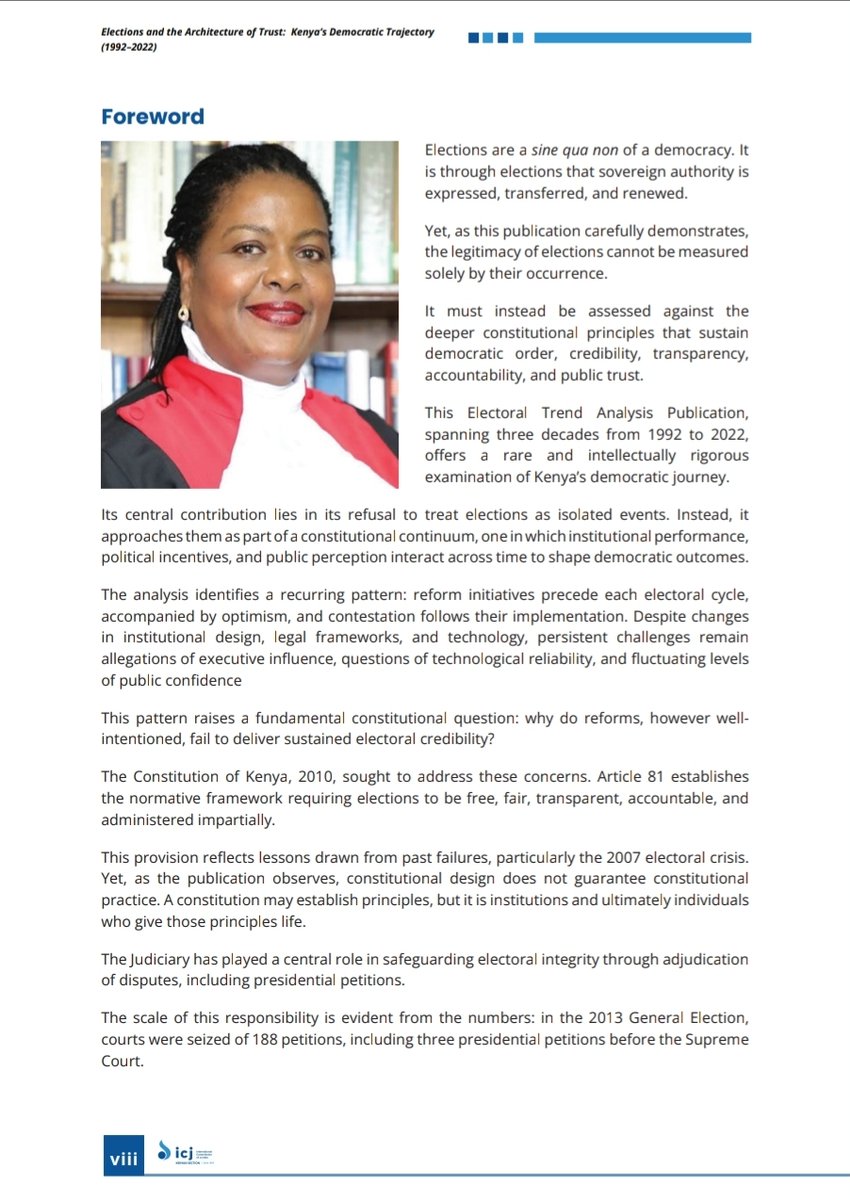
How have Kenya’s elections changed from 1992 to 2022?
Our new publication, Elections and the Architecture of Trust, looks at 30 years of electoral reforms, challenges, court decisions, technology, and public trust in Kenya’s democracy.
With a foreword by Hon. Lady Justice Njoki Ndungu, SCJ, @NjokiNdungu_LJ and remarks from ICJ Kenya Executive Director @kipdemas, the publication offers a timely reflection as the country looks ahead to 2027.
Read the publication: https://t.co/YUTuq5Cqs8
⚖️🤝 Did you know that at least 96% of disputes in Kenya are handled out of court through Alternative Justice Systems (AJS)?
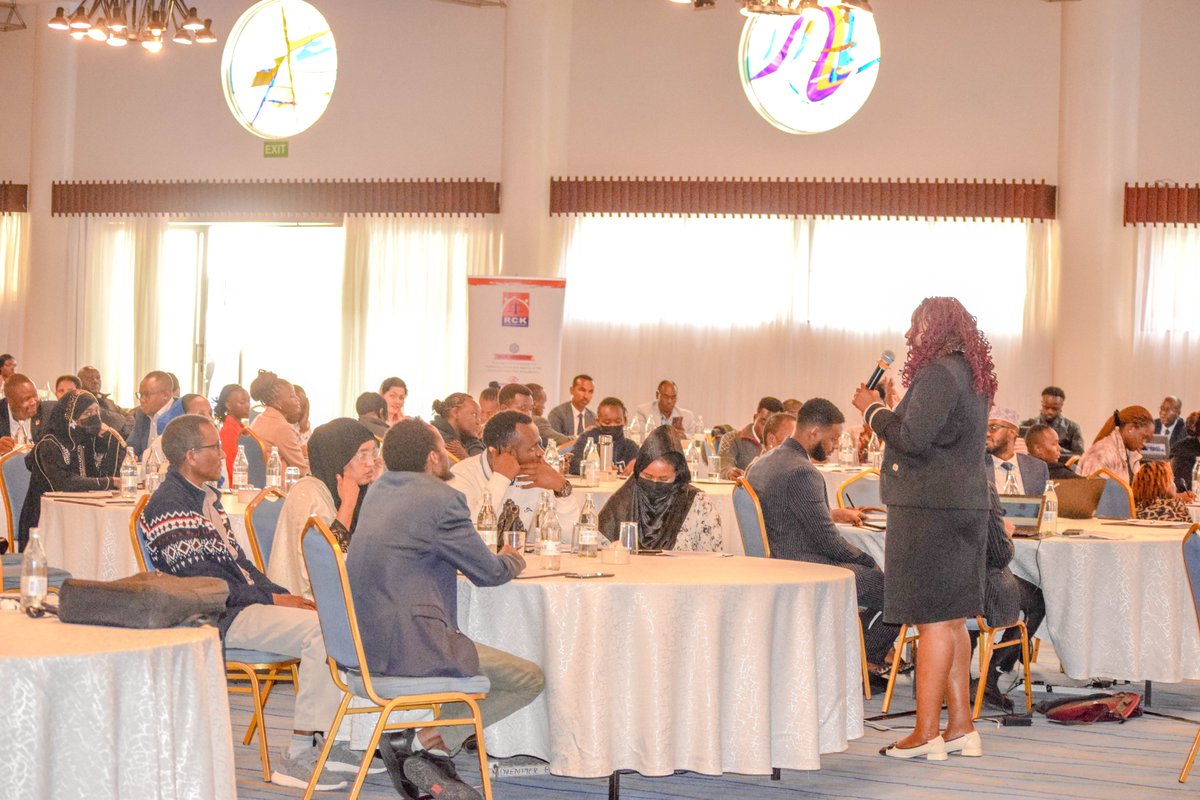
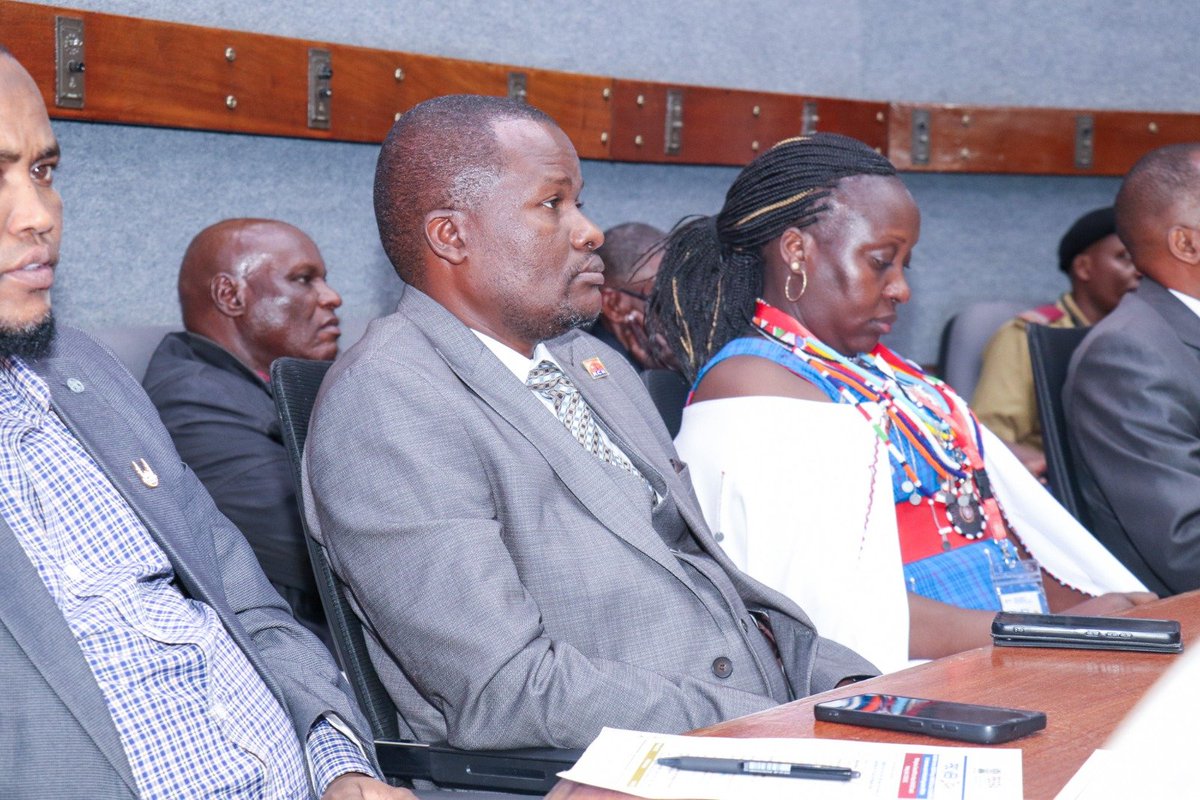
Today, the @RCKKenya, in collaboration with the National Steering Committee on Implementation of Alternative Justice Systems Policy (NaSCI-AJS) @AJSKenya and with support from the IKEA Foundation, commenced a 2-day pre-conference engagement session. Building up to the 4th National Conference on Alternative Justice Systems scheduled to take place in June, this engagement brings together a diverse assembly of stakeholders—including @Kenyajudiciary officers, members of the National Government Administration Organization (@ngaosKE), the Court Users Committee (CUC), @KituoSheria, religious leaders, and representatives from the #refugee and host communities to explore a fundamental question:
How can we bridge the gap between policy and the pragmatic realities of access to justice for displaced populations?
While the Constitution of Kenya, under Article 159(2)(c), mandates the promotion of alternative forms of dispute resolution, the realization of this right remains a challenge for many of the 842,000 refugees residing in Kenya. For these individuals, the formal legal system is often obscured by language barriers, a lack of legal representation, and the high cost of litigation. In response, this session focuses on the Alternative Justice Systems (AJS) Policy, acknowledging that up to 96% of disputes in Kenya are already handled outside of courtrooms.
Over the next two days, participants will delve into the doctrinal knowledge of AJS models—whether autonomous, court-annexed, or third-party—to understand how they can effectively complement the Judiciary. To move away from ad hoc resolutions and toward a structured, multi-door justice pathway. By the end of this engagement, we aim to have constituted a pool of AJS champions dedicated to creating a framework where community-based dispute resolution is not an alternative but a recognized and sustainable pillar of justice.
As we deliberate, our goal remains steadfast to ensure that the transformative promise of the Kenyan Constitution reaches the most vulnerable among us, transforming access to #justice from a fallacy into a lived reality.
@WorldRelief@NCIC_Kenya@ReDSS_HoA@denmarkinkenya@NLinKenya@OpenSociety@hbsHornOfAfrica@NRC_EAY @drcEA_GL @ECHO_CESAfrica@giz_gmbh@bodo_immink@NPSOfficial_KE@InteriorKE@GenPrev
When dialogue shifts from mutual suspicion to shared accountability, the foundation for lasting social cohesion is laid through honest engagement and the courage to address uncomfortable truths.
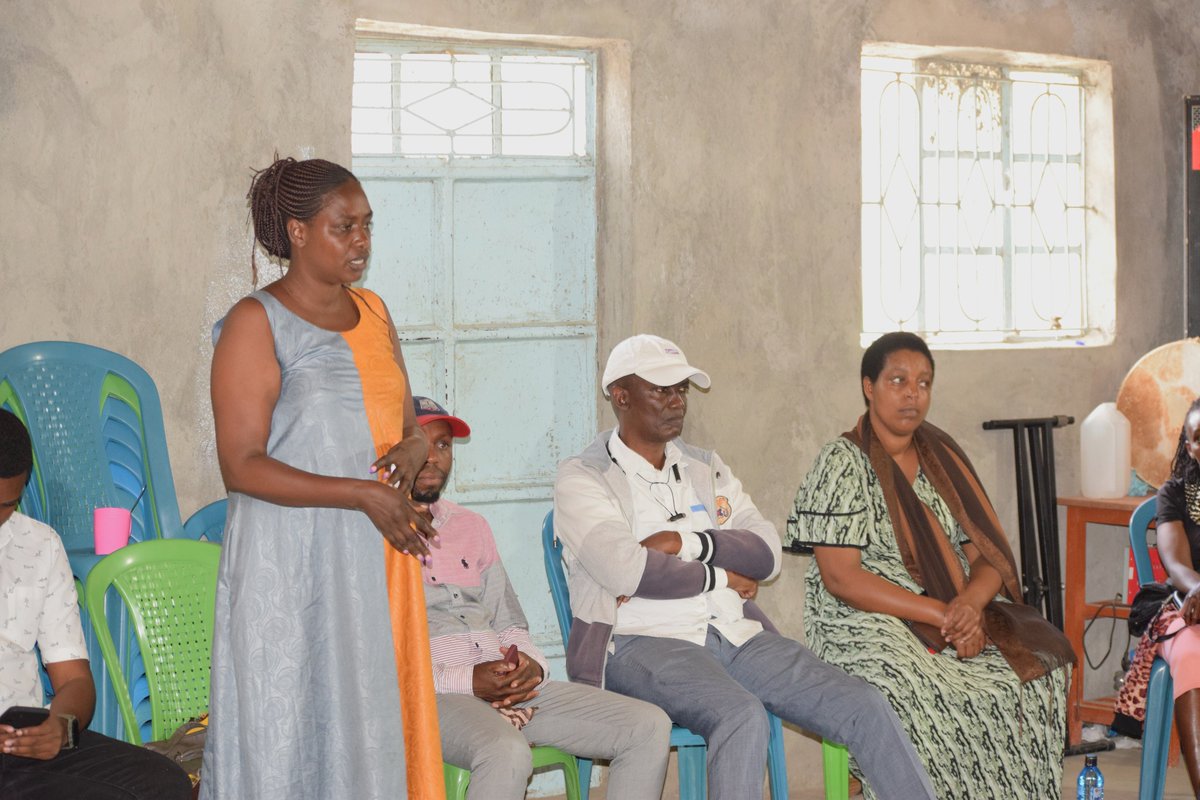
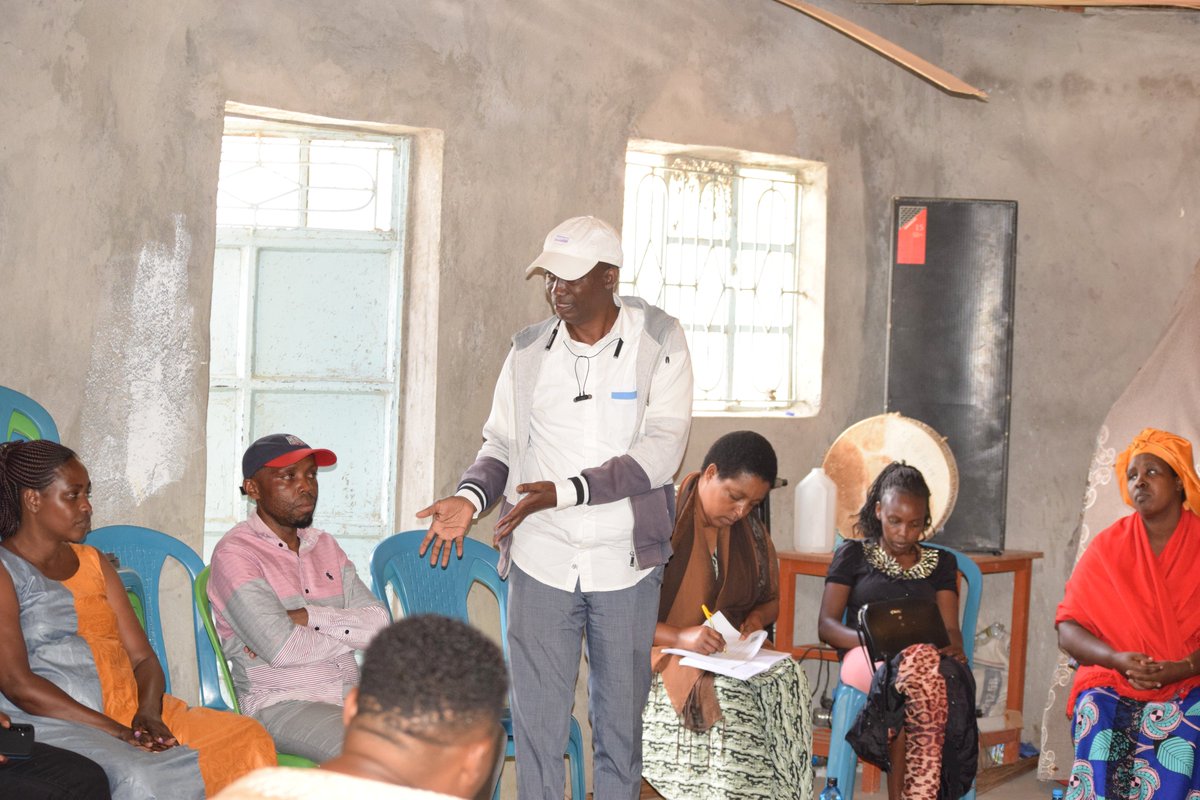
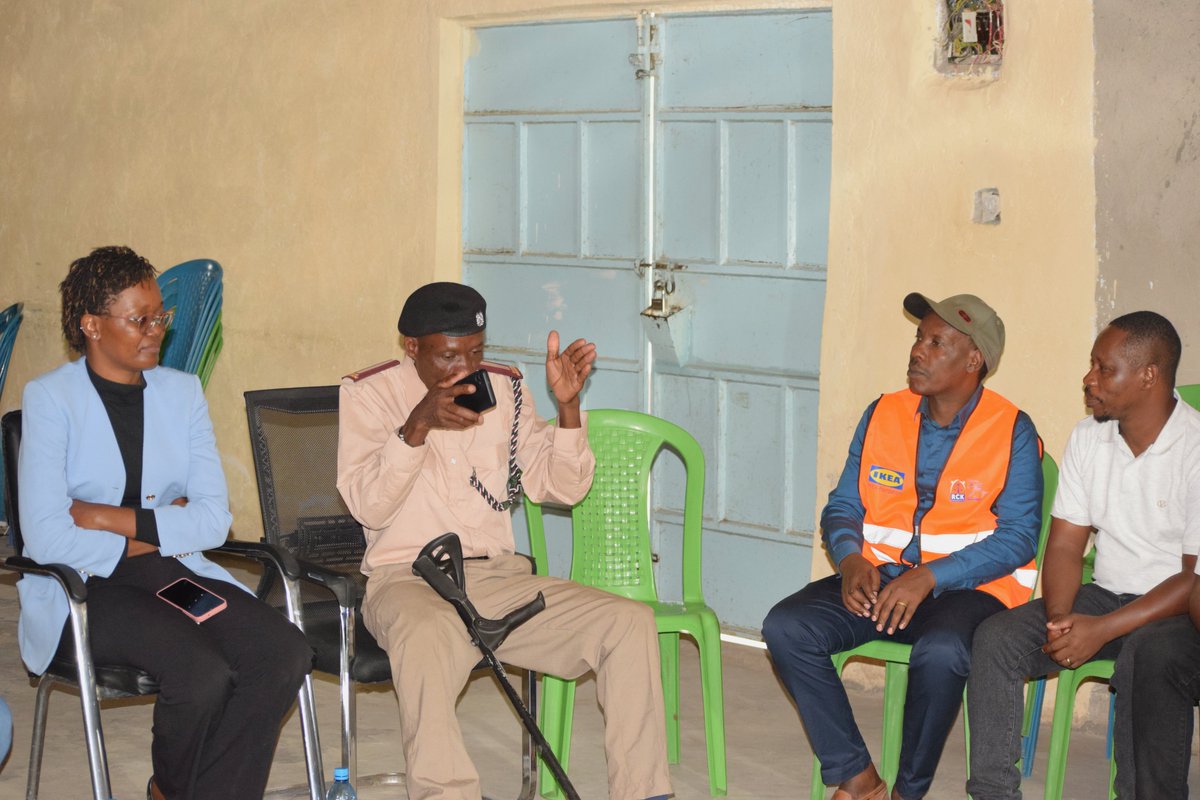
Building on the community-led dialogue engagement under the Wezesha Project, @RCKKenya, in partnership with the @IKEA Foundation, facilitated a community-led dialogue in Kitengela, Kajiado. The event brought together 25 representatives from both the displaced and Kenyan host communities. The forum served as a critical platform to move beyond surface-level interactions and confront the systemic and social frictions that hinder peaceful coexistence in this diverse urban hub.
The session translated the daily struggles of integration into a localized roadmap for resolution. Participants identified how language barriers and cultural nuances, from parenting styles to social norms, often lead to stereotyping and unnecessary conflict. These communication gaps are further complicated by a significant knowledge deficit regarding refugee rights and local administrative laws, leaving many vulnerable to exploitation and misinformation.
The dialogue did not shy away from the weight of economic reality. Discussions centered on how unemployment and the perception of unfair competition for casual labour fuel resentment among youth in both communities; the ripple effects of identification challenges, which trap individuals in a cycle of fear and limit access to essential banking, healthcare, and legal services; and the sobering recognition that financial stress and historical trauma manifest as gender-based violence, destabilizing households and affecting the mental health of women and next generation.
By identifying these triggers, ranging from intermarriage disputes to the nuances of rental agreements, participants agreed that peace is not the absence of conflict but the presence of peaceful coexistence, inclusive economic opportunities, and continuous awareness. This engagement set the stage for a unified future in which mutual respect and shared accountability transform the identified challenges into a concrete roadmap for regional stability.
#SocialCohesion #PeaceBuilding #ConflictResolution #RefugeeInclusion
In environments where displacement and the management of shared resources may give rise to communal sensitivities, the proactive engagement of grassroots leaders serves as a significant safeguard.
To address the divide between potential friction and lasting peace, @RCKKenya, in partnership with the IKEA Foundation, is currently convening an intensive three-day #ConflictPrevention and #PeaceBuilding (CPPB) training in Nairobi. This strategic intervention has brought together 30 grassroots leaders from Refugee-Led Organizations (RLOs), Community-Based Organizations (CBOs), and Women-Led Organizations (WROs), the primary responders who navigate the complex intersections of refugee and host community dynamics every day.
The training offers a deep dive into the mechanics of communal harmony, moving beyond theory to master the practicalities of the #conflict cycle. Participants are exploring the nuances of conflict dynamics, from latent tensions to manifest disputes, while gaining hands-on skills in conflict analysis, early warning indicators, and de-escalation. By focusing on the root causes of conflict, such as socio-economic marginalization and cultural diversity, the sessions aim to transform how community leaders approach mediation and reconciliation.
The forum concludes tomorrow, with participants expected to walk away with a strengthened roadmap for collaboration. By reinforcing the links between RLOs and host community organizations, this initiative ensures that grassroots leaders move forward not as individual mediators but as a unified network committed to building a more cohesive and resilient Kenya.
@WorldRelief@NCIC_Kenya@ReDSS_HoA@denmarkinkenya@NLinKenya@OpenSociety@hbsHornOfAfrica@NRC_EAY @drcEA_GL @ECHO_CESAfrica@giz_gmbh@bodo_immink@NPSOfficial_KE
What changes when a justice system truly begins to see through the eyes of a refugee child?
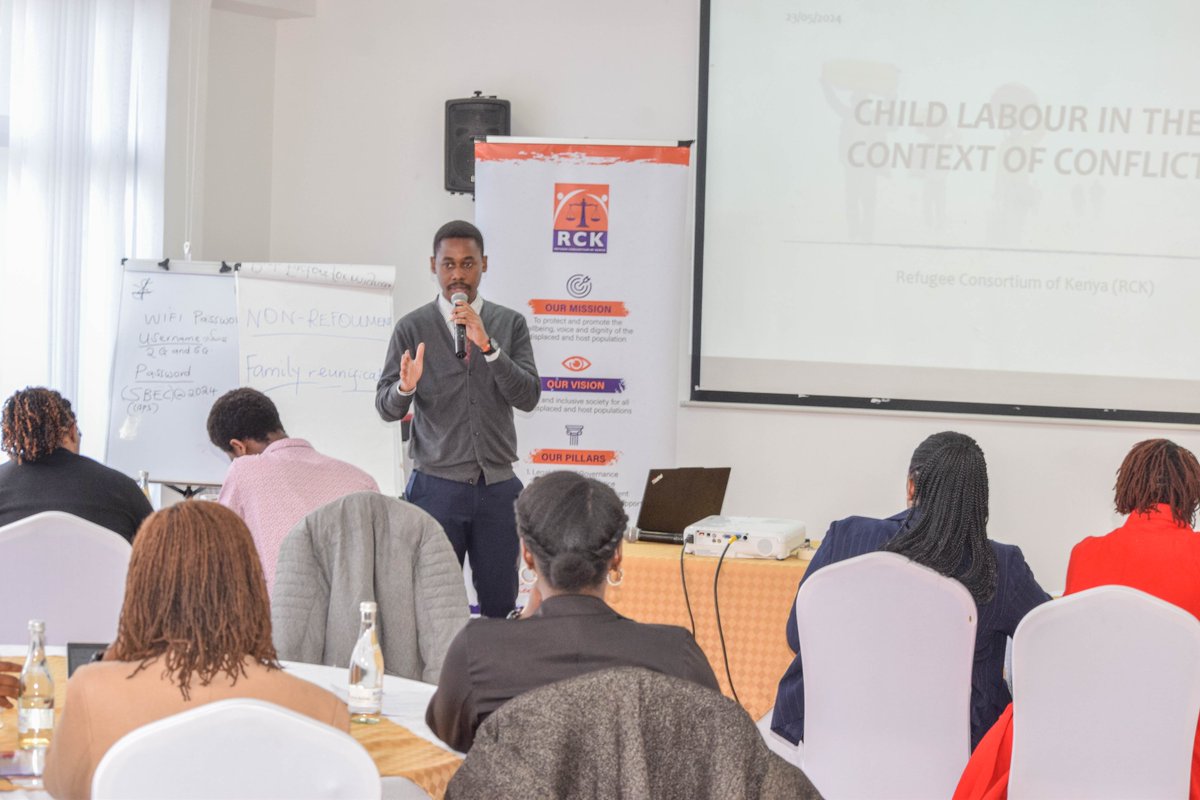
@RCKKenya, in partnership with the IKEA Foundation, wrapped up a two-day workshop on strengthening the capacity of 24 members of the Milimani Children’s Court Users Committee (CUC). The participants included Magistrates, Kenya Prison Service Officers, Police Officers, the Directorate of Children Services, Probation and Aftercare Officers, the ODPP, Psychosocial Support Officers, Advocates of the High Court of Kenya, and representatives from various NGOs and CSOs.
The training focused on refugee protection and safeguarding against exploitative labor practices affecting forcibly displaced children to promote systemic reforms, improve institutional practices, and uphold the rights and dignity of refugee children, especially unaccompanied minors.
Participants identified several social and systemic gaps in child protection, including limited awareness of children's laws within forcibly displaced populations, weak referral systems, language and interpretation barriers, and child labour driven by economic pressure.
The workshop concluded with a roadmap centered on conducting joint advocacy and litigation for the amendment of child labor and protection laws in Kenya, as well as the formulation of guidelines for rescued minors from forcibly displaced populations under the Refugees Act 2021.
#RefugeeRights #EndChildLabour #ForcedMigration #HumanRightsBasedApproach #JusticeForChildren #ChildProtection
@ODPP_KE@NPSOfficial_KE@Kenyajudiciary@denmarkinkenya@NLinKenya@SP_Kenya@IGADHealthS@UNHCR_Kenya
🗞️Submissions on the Kenya Citizenship and Immigration (Amendment) Bill, 2025 | National Assembly KE @NAssemblyKE
The @RCKKenya team was at Parliament Buildings today, appearing before the Departmental Committee on Administration and Internal Security to present our submissions on the Kenya Citizenship and Immigration (Amendment) Bill, 2025.
We call for the ratification of Kenya’s commitment to ending statelessness to be fully reflected in both law and practice.
In our submission, we proposed that the Committee reconsider Section 15(1)(b), which restricts stateless persons with convictions of three years or more from being eligible for citizenship. For stateless persons, citizenship is the essential pathway to dignity and social integration; applying restrictions intended for those with existing nationalities risks deepening the exclusion of those who have none.
We further recommended/proposed that the Committee consider a provision granting citizenship to children born in Kenya to stateless persons or who would otherwise be rendered stateless. We believe that no child should inherit the burden of statelessness, and ensuring a legal identity from birth is fundamental to providing them a fair chance at life.
These proposed reforms are significant steps toward fairness, social inclusion, and breaking cycles of generational exclusion in fulfillment of humanitarian principles. We look forward to continued collaboration with the Committee to ensure that Kenyan laws leave no one behind, including the displaced and host populations.
@inkomokoKenya@FondazioneAVSI@Equal_Reach@RESCUEorg@JesuitRefugee@ki4bli@Kiva@Konexio_eu@MigrationPulseH@NRC_EAY@PWJ_Kenya@RefugeeInvest@WeAreRefuSHE@SaveChildren_KE@hope2shine@WorldRelief@NCIC_Kenya@UNICEFKenya@ReDSS_HoA@denmarkinkenya@NLinKenya@OpenSociety@hbsHornOfAfrica@NRC_EAY @drcEA_GL @ECHO_CESAfrica
When policy meets the weight of lived human experience, social progress prevails through iterative learning and the collective efforts required to bridge systemic gaps.
Building on yesterday’s Capacity Strengthening Workshop, @RCKKenya, in partnership with the IKEA Foundation and the CBO/RLO Working Group, including @DRSKenya, @UNHCR_Kenya, @RefugePt, @HIASAfrica, @JesuitRefugee, and @relon_kenya, continued their workshop for 28 Social Development Officers (SDOs) from Kenya’s major urban refugee-hosting counties.
The sessions translated technical theory into the lived realities of the frontline, specifically addressing the registration bottlenecks, documentation gaps, and financial compliance hurdles that often stifle CBOs/RLOs. By aligning administrative actions with the Kenyan Constitution, participants explored a human rights-based approach to diversity and inclusion.
As the forum concludes, we established a clear roadmap to continue capacity strengthening the SDOs with the necessary legislative knowledge and tools, and conduct joint field missions to verify the existence and real-world impact of registered groups. This hands-on oversight ensures that every community-led initiative is contributing meaningfully to community development while addressing the implementation duplication of efforts among partners to the same project participants.
#SocialDevelopment #RefugeeInclusion #ShirikaPlan #Localization #CapacityBuilding
Meaningful social development is built on the foundation of coordination and shared expertise. Strengthening the capacity of frontline officers is essential to ensuring that legal frameworks translate into dignity and economic agency for displaced populations.
To bridge the divide between policy and the frontline, @RCKKenya, in partnership with the IKEA Foundation and the CBO/RLO Working Group, including members @DRSKenya, @UNHCR_Kenya, @RefugePt, @HIASAfrica, @JesuitRefugee, @KituoSheria, and @relon_kenya, convened a two-day capacity-strengthening forum for 21 Social Development Officers (SDOs) from Nairobi, Kiambu, Kajiado, Nakuru, and Mombasa. This strategic engagement addressed the essential role local administrators play in translating the Refugee Act 2021 and the Community Groups Registration Act 2022 into pathways for dignity and economic agency.
The workshop offered a deep dive into the localization agenda, focusing on the rights of refugee-led organizations (RLOs) to associate, register, and access labor markets. Beyond technical instruction on the SHIRIKA Plan, the sessions provided a vital platform for duty-bearers to identify systemic hurdles, such as registration bottlenecks and gaps in financial inclusion, while co-developing practical compliance tools and referral pathways.
A primary focus was placed on dismantling the structural barriers that prevent RLOs from serving as first responders. Participants explored the intersection of refugee protection and formal registration, emphasizing that sustainable self-reliance is only possible when local administrators are equipped to facilitate, rather than merely regulate, community-led development.
The forum concludes tomorrow with the expected delivery of a roadmap for strengthened coordination between SDOs and refugee-focused actors, ensuring streamlined government processes moving forward.
Peaceful coexistence between refugees and host communities is the cornerstone of social cohesion, regional development, and national security. While Kenya’s Refugees Act 2021 established a significant legal framework for the rights and responsibilities of displaced populations, significant knowledge gaps prevail among local administrators and the communities they serve. Addressing these disparities is essential to ensuring that policy translates into meaningful, everyday protection and integration.
To bridge this divide, @RCKKenya, in partnership with the IKEA Foundation, convened a high-level knowledge-sharing workshop for 21 Assistant County Commissioners (ACCs) representing Nairobi, Kajiado, and Kiambu counties. This strategic engagement brought together key stakeholders from @DRSKenya, @UNHCR_Kenya, and @RefugePt to examine the pivotal role local administrators play in maintaining order, facilitating access to essential services, and fostering a culture of inclusion.
The workshop offered a deep dive into the Refugee Act 2021 and the Shirika Plan, focusing specifically on the rights, duties, and legal offenses that shape the refugee experience in Kenya. Beyond mere technical instruction, the session provided a platform for duty bearers to share lived experiences and co-develop practical strategies to prevent xenophobia.
Participants identified several systemic hurdles, including the challenges of undocumented migrants, persistent information gaps, and resource competition. Need for more engagement with NGAO and other government organs was encouraged.
Looking ahead, the commitment to progress is clear. The workshop concluded with a roadmap centered on continuous capacity building, the enforcement of fair labor practices such as the minimum wage, and the implementation of social cohesion programs designed to dismantle misinformation. By aligning the leadership of local administrators with evidence-based policy, we move closer to a future where both refugees and their hosts can thrive in a secure and inclusive society.
@inkomokoKenya@FondazioneAVSI@Equal_Reach@RESCUEorg@JesuitRefugee@ki4bli@Kiva@Konexio_eu@MigrationPulseH@NRC_EAY@PWJ_Kenya@RefugeeInvest@WeAreRefuSHE@SaveChildren_KE@hope2shine@WorldRelief@NCIC_Kenya@ReDSS_HoA@denmarkinkenya@NLinKenya@OpenSociety
Standing at the intersection of national policy and grassroots transformation, @RCKKenya continues to reaffirm its pivotal role in the civil society landscape during #PBOWeek2026. Led by @RCKDirector Barlet Colly Jaji, RCK was a central voice at the @KICC_kenya, joining stakeholders from across the nation for an event graced by Her Excellency, the First Lady, Mama Rachel Ruto, for the official launch of Public Benefits Organizations (PBO) Week 2026, the PBO Regulations, and the Annual PBO Sector Report 2024/2025. This involvement reiterates our strategic commitment as an actor in the refugee sector (top ten) in the national discourse.
Our participation in this launch alongside @PBO_RA and other stakeholders directly advances our mission to protect and promote the well-being, voice, and dignity of displaced and host populations. These new milestones in sector regulation provide a robust platform for us to scale our impact, allowing RCK to navigate the complexities of advocacy and economic empowerment with greater transparency and institutional strength. By aligning our strategic goals with these national standards, we ensure that our vision for a protected and empowered #refugee population is integrated into the broader fabric of Kenya’s development.
RCK remains steadfast in our commitment to being a catalyst for meaningful change. We recognize that our society is strengthened when organizations operate in a clear, guided environment that fosters accountability and innovation. As we look toward the future, RCK pledges to continue championing social justice and uplifting lives, leveraging these new regulatory frameworks to ensure that our advocacy is felt by those who need it most and create lasting impact.
@HakiKNCHR@PBO_RA@EUinKenya@TurkanaAssembly @drcEA_GL @UNHCR_Kenya@DRSKenya@NCIC_Kenya@ReDSS_HoA@IGADHealthS@ECHO_CESAfrica@bodo_immink@relon_kenya@FondazioneAVSI@Equal_Reach@RESCUEorg@JesuitRefugee@ki4bli@KituoSheria@Kiva@Konexio_eu@MigrationPulseH@NRC_EAY@PWJ_Kenya@RefugeeInvest@WeAreRefuSHE@SaveChildren_KE@hope2shine@WorldRelief@CARE@hbsHornOfAfrica@GarissaGov@denmarkinkenya@NLinKenya
☮️ Peace is inherently tied to the presence of love and the capacity for forgiveness.
“I grew up seeing my sisters being beaten and chased away... I came of age with bitterness that almost cost me my own marriage. I used to shout at my husband, making family peace unbearable,” one participant shared
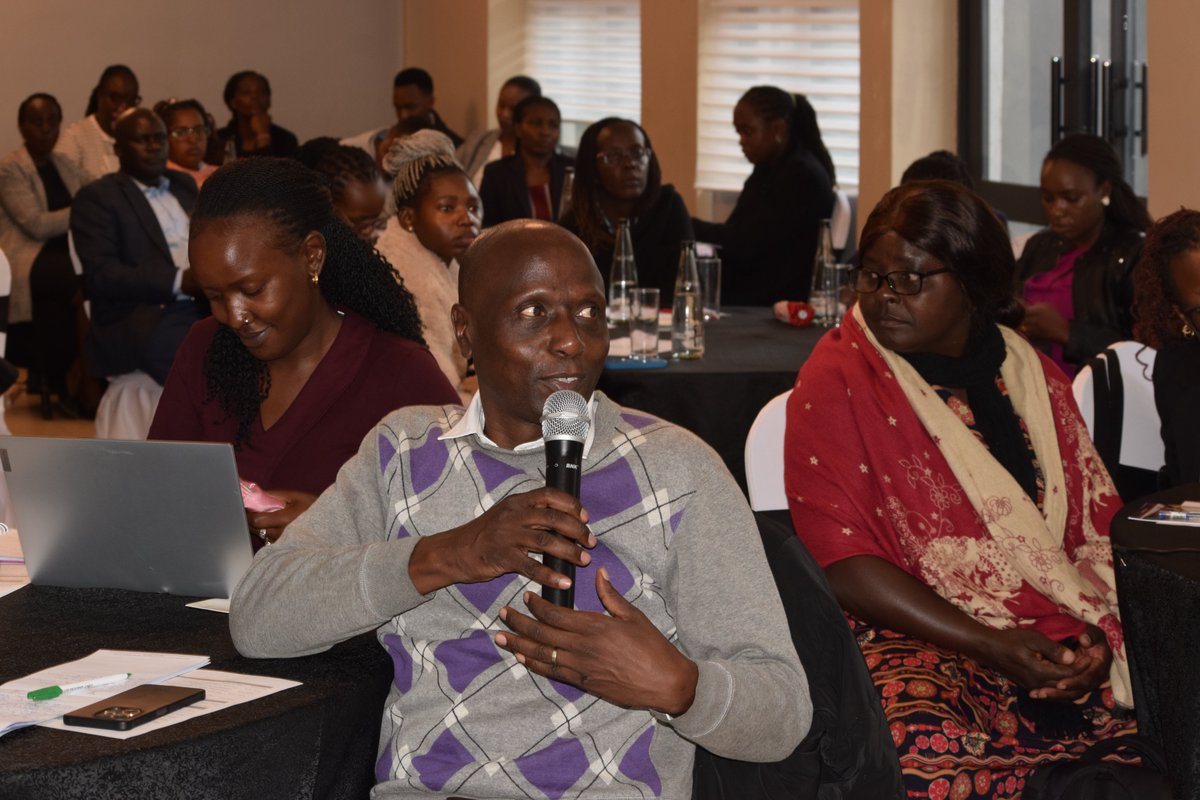
This testimony set the stage for a critical community dialogue held today in Umoja II, Embakasi West Constituency, Nairobi County. Hosted by @RCKKenya in partnership with the IKEA Foundation, the forum brought together 25 diverse stakeholders, including local government authorities, community health promoters, the Registrar of Persons, community elders, women, and youth. Representing both #refugees and host populations, the group moved beyond surface-level interactions to identify the deep-seated issues currently fueling conflict and hindering social cohesion.
A significant flashpoint identified was the friction surrounding property registration and informal lending. Refugees frequently rely on host community members to register assets, such as loaned mobile phones, using local identification. This reliance has unfortunately led to disputes where property is reclaimed by the registrant even after full loan payment has been made. These economic tensions are further exacerbated by instances of unpaid labour and the resulting desperation that can lead to theft.
Beyond financial disputes, the dialogue highlighted how language barriers and a lack of legal literacy regarding rental agreements often trap individuals in contracts they do not fully understand, sparking avoidable legal friction.
Perhaps most profoundly, the participants explored the inheritance of trauma. Historical cycles of Gender-Based Violence (GBV) learned from previous generations are being inadvertently transferred to children. When coupled with poor communication channels between parents and an over-reliance on a single breadwinner, these domestic pressures often spill over into the children and broader community.
The forum also addressed the rising over-expectation and the neglect of the boy child by family and community, which has increasingly led to mental health struggles and substance abuse. From the neglect of children born out of wedlock to the lingering shadows of tribal conflicts brought from countries of origin, the participants left no stone unturned in diagnosing the community's wounds.
By identifying these triggers, ranging from unfair labour practices to the weight of historical trauma, the participants in Umoja II have taken the first vital step toward healing. This diagnostic session served as the foundation for what comes next. With these root causes now clearly defined, the team will reconvene again to transform these insights into a concrete roadmap of #resolutions, focusing on shared accountability and a unified future.
#SocialCohesion #PeaceBuilding #CommunityDialogue #ConflictResolution #EndGBV
@giz_gmbh@bodo_immink@NCIC_Kenya@UNHCR_Kenya
@RCKKenya extends best wishes to #refugees and host communities for a peaceful and inspiring #EasterHoliday. This season serves as a powerful reminder of the importance of renewal, shared understanding, and building bridges across our diverse communities.
#eastergift#easteregg #EasterRound #EasterHolidays
Apply for the African Liberty 2026–2027 Writing Fellowship, a 12-month program designed to nurture emerging writers across Africa, with applications open from March 1 to April 30 (more details: https://t.co/wShw05uLYp
🕊️Dialogue for Peace and Inclusion | Nairobi & Kiambu County.
While the intersection of diverse cultures offers vast opportunities for economic and social growth, it can also give rise to conflict. To navigate these complexities, @RCKKenya, in partnership with the IKEA Foundation, conducted a 4-day community-led dialogue forum. These meetings aimed to bridge the gap between refugees and host communities in areas experiencing significant population pressures, using structured dialogue as a key tool for #conflict prevention and #peacebuilding.
The forums brought together 100 participants, including religious leaders, administrative officials, and members of both the refugee and host communities in Kangemi, Githurai, Eastleigh, and Ruiru. The sessions fostered an inclusive and respectful environment, ensuring that every voice resonated. This collaborative space allowed participants to look beyond surface-level tensions and identify the underlying drivers of conflict, aiming to pave a more sustainable path toward a unified future.
During these discussions, participants highlighted several sensitive issues that continue to hinder mutual understanding. Gender-Based Violence (GBV) emerged as a profound concern, with physical and economic abuse cited as major threats to family stability. Beyond these social pressures, legal barriers, specifically documentation delays for IDs and work permits, remain critical hurdles for refugee survival and self-reliance. Economic competition and persistent misconceptions about the financial aid provided by humanitarian organizations often exacerbate these challenges. Furthermore, housing exploitation and a rise in substance abuse among youth have fueled an environment of insecurity and social mistrust.
Ultimately, the forums transitioned from identifying problems to establishing a clear roadmap for shared accountability. A powerful consensus was reached: community safety must be a collective responsibility. Refugee community members were urged to stop concealing individuals involved in criminal activities, acknowledging that harbouring offenders only deepens the divide of mistrust. To address rising insecurity, participants recommended local awareness seminars to educate youth on the dangers of using illicit drugs and substances.
The engagement concluded on a hopeful note, with local government officials committing to decisive action against illegal trade, the establishment of regular, cross-community neighbourhood watches, signalling a collective move toward a future defined by lasting peace and mutual respect.
#PeaceAndInclusion #CommunityDialogue #RefugeeProtection #EndGBV
@UNHCR_Kenya@DRSKenya@NCIC_Kenya@ReDSS_HoA@IGADHealthS@NPSOfficial_KE
🗞️ Policy Synergy for Refugees and the Host Community's Economic Inclusive Growth | Garissa County
Strategic policy occurs when local leadership aligns with evidence-based advocacy. @RCKKenya convened a high-level advocacy session that brought together 28 participants from the Women Members of the County Assembly Caucus of the County Assembly of Garissa, @NGECKenya, and the @GarissaGov Departments of Trade and Gender under the Area-Based Livelihood Initiative (ABLI) project, funded by the @EUinKenya.
The engagement focused on the presentation and review of the 2025 ABLI G Policy Brief and Annual Trend Report on the cost of doing business in Garissa. These documents provide important evidence, showing the rules and costs, high permit fees, and lack of access to the County Revolving Fund, which often limits the opportunities for both refugees and local entrepreneurs.
Beyond identifying barriers, the session explored practical legislative pathways to create an enabling business environment. By aligning discussions with the National Policy on Women’s Economic Empowerment, partners examined how Garissa’s local frameworks can better promote self-reliance and access to decent employment for all residents.
The Women MCA Caucus and stakeholders demonstrated a resounding commitment to inclusion, expressing their readiness to ensure refugee-friendly provisions are reflected in upcoming legislation and oversight. This commitment marked a significant step toward a regulatory landscape that recognizes the economic contributions of displaced populations and integrates them into the county’s broader development agenda.
Read more about the annual trend: https://t.co/asU2X54fx9
@ECHO_CESAfrica@UNHCR_Kenya@inkomokoKenya@GarissaGov@GarissaAssembly @drcEA_GL @drckenya@ReDSS_HoA@hbsHornOfAfrica
📍Good policy happens when people come together around a shared purpose | Turkana County
The Office of the @TurkanaCountyKE Attorney, in partnership with @RCKKenya, convened a workshop to review and validate the draft Turkana County Local Content (General) Regulations, 2026, with support from @denmarkinkenya under the Institutional Capacity Development Project (ICDP).
The session brought together 32 stakeholders from the Office of the Governor, the National Council for Persons with Disabilities, the Islamic Foundation for Integration, and the Turkana Youth Council.
The workshop commenced with a comprehensive overview of the Turkana County Local Content Act, 2024, grounding the day’s discussions in the primary legislation that the new regulations seek to operationalize. This foundation enabled stakeholders to provide recommendations aimed at strengthening the document. Key suggestions included clarifying the differences between local and resident status, the need to add an appeals form to the schedules, and creating a compliance certificate for businesses to make oversight easier.
The County Attorney, Ms. Ruth Emanikor, emphasized that these regulations serve as the vital link needed to operationalize the 2024 Act, providing the practical machinery for development. Ms. Janerose Tioko, Chief Officer for Partnerships, echoed this sentiment by committing the government's full support to the legislative process. Mr. Benson Ebei further noted the successful integration of concerns for persons with disabilities into the draft.
After incorporating the stakeholder recommendations and amendments, the validated Turkana County Local Content (General) Regulations, 2026, will be presented before the County Cabinet for approval. This step marks a significant phase of a strategic process aimed at ensuring the regulatory frameworks are robust, inclusive, and ready to serve both host and refugee populations.
@TurkanaAssembly@AmbasuMitch@TurkanaCountyKE
📍 High Court Judges Conference, Naivasha | Strengthening Judicial Intervention for Access to Justice
Articles 21(3), 27, and 53 of the Constitution of Kenya guarantee every woman and child the fundamental rights to dignity, equality, and protection from abuse, neglect, and exploitation. Furthermore, Section 20 of the Refugees Act 2021 provides asylum-seeking and refugee women and children the right to dignity and safety within Kenya.
@RCKKenya participated in the High Court Judges Conference, offering our perspective and insight on the protection of refugee and asylum-seeking women and children in Kenya and beyond. Held in Naivasha from March 23rd to 27th, 2026, the event brought together at least 151 judges from various jurisdictions.
The conference theme, "Protecting Vulnerable Women and Children: Strengthening Judicial Intervention for Access to Justice", provided a critical platform for reflection and dialogue on the judiciary's role in safeguarding the rights of at-risk populations.
RCK contributed to this significant conversation through a presentation by our Director of Programs, Catherine Njoroge, on addressing practical challenges in access to justice. This was further supported by the Program Manager – Legal Aid & Governance, Mohamed Ahmed, during a session focused on the legal protection of refugees and stateless persons.
Discussions highlighted practical gaps in justice for vulnerable refugee populations and emphasized on the urgent need to harmonize judicial precedents to uphold refugee rights. Strengthening cooperation, ensuring consistency in jurisprudence, and maintaining a victim-centered approach remain keys to ensuring no one is left behind in the pursuit of justice.
RCK remains committed to supporting the Judiciary and our partners in advancing inclusive, equitable, and rights-based access to justice for all.
#HighCourtLeaders2026Conference #AccessToJustice #RefugeeRights #KenyaJudiciary
@RefugeesAfrica@UNHCR_Kenya@Kenyajudiciary@lawsocietykenya@NCIC_Kenya@relon_kenya@FondazioneAVSI@Equal_Reach@RESCUEorg@JesuitRefugee@ki4bli@KituoSheria@Kiva@Konexio_eu@MigrationPulseH@NRC_EAY@PWJ_Kenya@RefugeeInvest@WeAreRefuSHE@SaveChildren_KE@hope2shine@WorldRelief