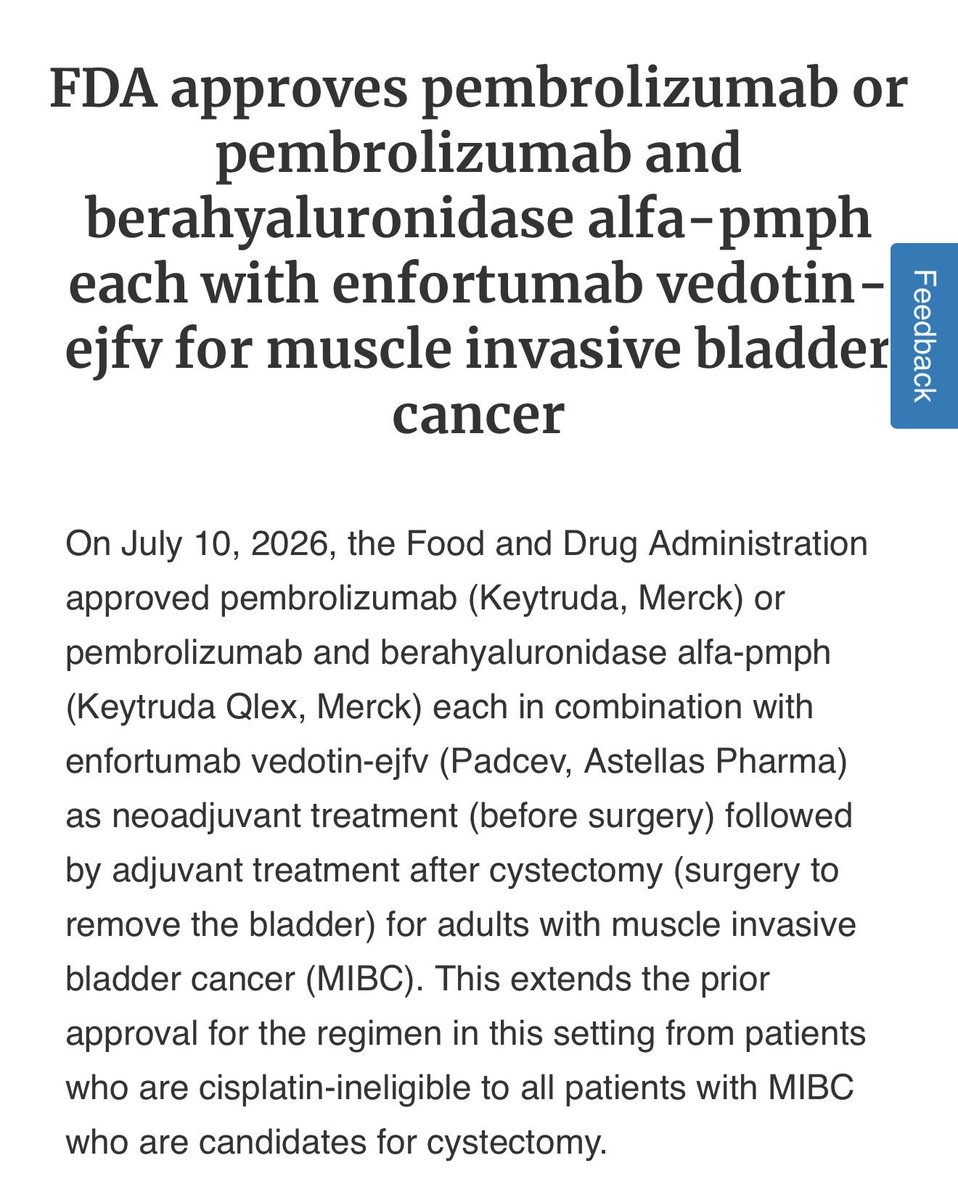
Thrilled to announce that I’ve been awarded the #ISUP Trainee Stipend Award! 🔬✨
Grateful for this honor!
While I’m not in Baltimore now, I’m eagerly counting down the days until next year’s #USCAP. See you there!
@IntSocUropath@TheUSCAP#USCAP2024#TheUSCAP#ISUP#GUpath
Excited to share our latest publication! We describe the first dedicated case series of undiff/dediff melanoma involving the GU tract, highlighting an important diagnostic pitfall.
https://t.co/nb4WhcJlxX.
#PathTwitter#Dermpath#GUPath 🔬🧬
@MichelleDunno17@MGBpathology
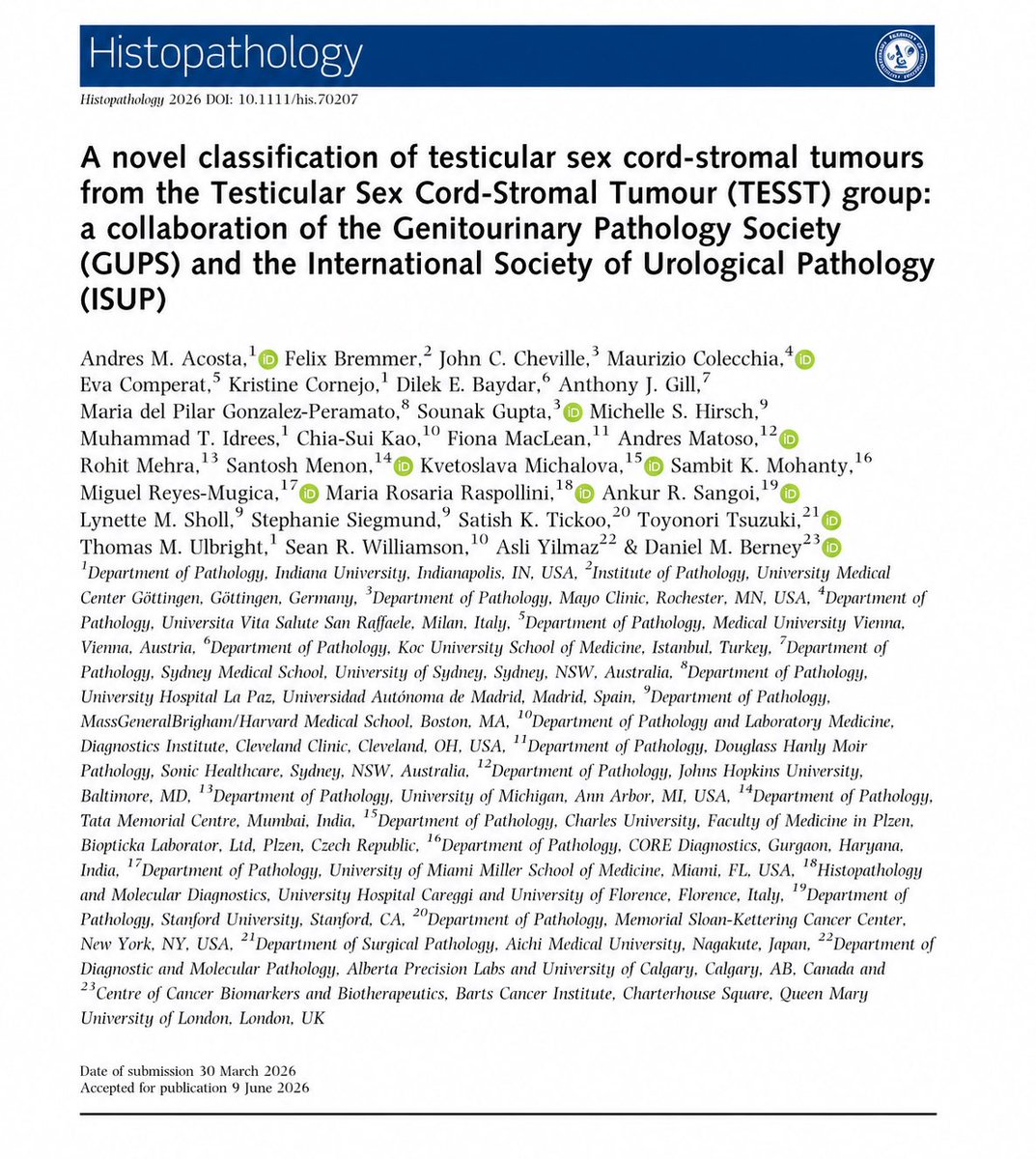
New in @Histo_Journal: Collaboration with @GU_Path_Society and @IntSocUropath, introduces a novel classification of testicular sex cord-stromal tumors, integrating morphology and molecular pathology to improve diagnostic consistency #openaccess
🔗 https://t.co/bp9K00Ig8f
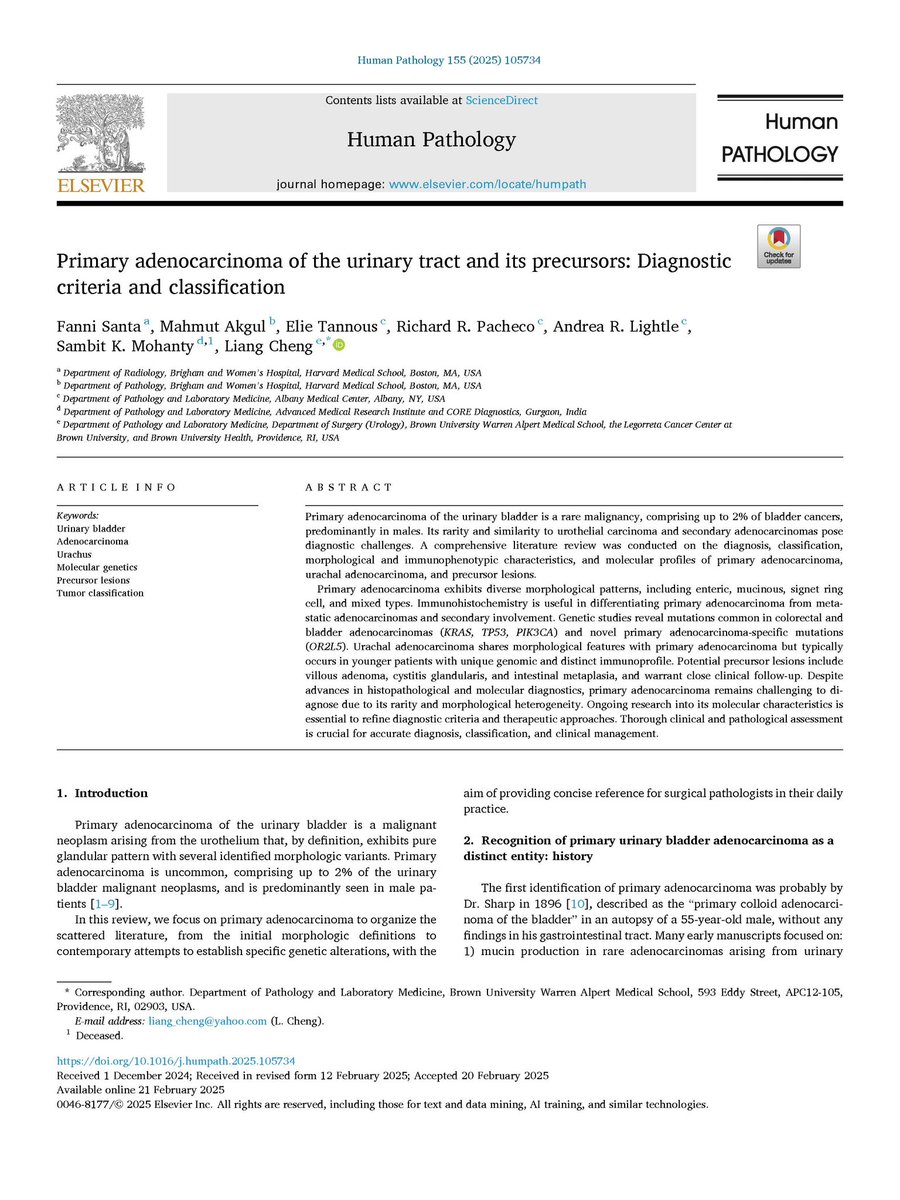
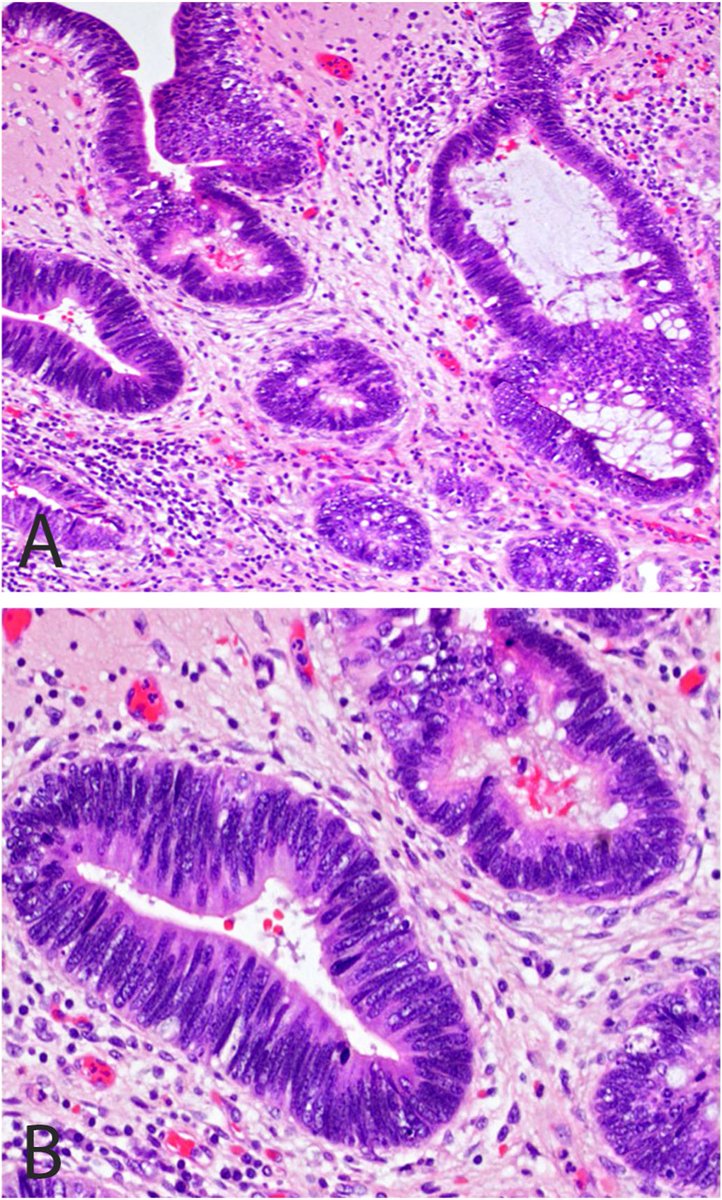
Comprehensive review on diagnostic criteria and classification of malignant glandular lesions of the urinary bladder by Dr. Fanni Santa @FV_Santa and her colleagues, published as the featured cover article @Human_Pathology.
This review provides a practical framework for one of the most diagnostically challenging areas in genitourinary pathology, integrating contemporary morphologic, immunohistochemical, and molecular advances into a unified diagnostic approach.
Dr. Fanni Santa and her colleagues address the classification and differential diagnosis of primary bladder adenocarcinoma, urachal adenocarcinoma, Müllerian-derived tumors, and precursor lesions, emphasizing key diagnostic pitfalls in distinguishing these uncommon neoplasms from more common primary bladder tumors and secondary involvement by tumors from other organs. The review also highlights emerging molecular insights, including recurrent genomic alterations with potential therapeutic implications, and discusses evolving concepts surrounding precursor lesions such as villous adenoma, cystitis glandularis with intestinal metaplasia, and adenocarcinoma in situ.
This comprehensive review is an essential resource for pathologists, urologists, oncologists, and trainees, and hope it will contribute to improved diagnostic accuracy, multidisciplinary communication, and optimal patient management for these rare but clinically significant tumors.
Read the full article here:
https://t.co/hHpwZz0VKM
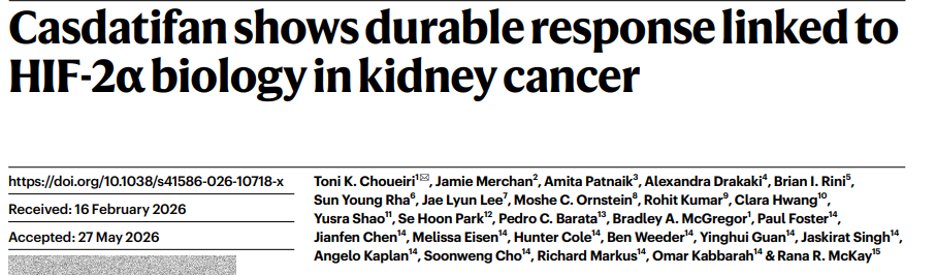
1/ Results from #ARC20 trial are out in @Nature!
This trial evaluated the HIF-2α inhibitor Casdatifan in heavily pretreated advanced ccRCC and provides important insights into HIF-2α biology and response. This is the 2nd HIF2 inhibitor with enough activity to move to a pivotal study after Belzutifan, cementing the 2019 @nobelprize story with @kaelinlab et al
Check it out: https://t.co/ZCBMtlx8VP
Delighted to share our article published this month in European Urology @EUplatinum (new Journal Impact Factor: 29).
Congratulations to our esteemed global multidisciplinary expert panel for making this landmark work possible. We hope these recommendations will improve communications and diagnostic reproducibility, streamline multidisciplinary patient care, and ultimately support earlier intervention and more personalized management of genitourinary diseases.
Full article: https://t.co/jPuanMN37T
@IntSocUropath
As another academic year winds down, I just want to acknowledge the amazing GU pathology team at BWH, especially our graduating fellows @_RamyaPrabhu and Ceasr Torres Gutierrez. 🎓Thank you for all of your hard work! You are ready!!🔬 #proud#GUpathrocks@BWHPath@MGBpathology
Applications are now open for the AACR-Exelixis Renal Cell Carcinoma Research Fellowship!
This two-year, $130,000 fellowship supports postdoctoral or clinical research fellows conducting renal cell carcinoma research across basic, translational, clinical, or population sciences.
Deadline: June 11
Learn more and apply: https://t.co/anHUz6nKE5
#AcceleratingCures
Just published in the May 2027 issue of The American Journal of Surgical Pathology @JLHornick, in memory of our dear friend, mentor, and exceptional educator and leader, Dr. Sambit Mohanty.
In the largest series to date of ALK-rearranged renal cell carcinoma (ALK-RCC), Drs. Anandi Lobo @LoboAnandi, Mahmut Akgul, Ankur Sangoi @slusagar, Khaleel Al-Obaidy,@KhaleelAlObaidy@Andres_M_Acosta@Aparwani_dpath@DrSeemaKaushal@Williamson_SR and their distinguished colleagues present an integrated clinicopathologic, morphologic, and molecular analysis of this rare aggressive tumor (PMID: 41790060).
ALK-RCC in adults demonstrates significant morphologic heterogeneity and carries important clinical implications. Accurate diagnosis is critical, as patients - particularly those with metastatic disease- may benefit from ALK-targeted therapies. Notably, TFE3 immunoreactivity can be seen in ALK-RCC, making confirmation of ALK gene rearrangement essential through immunohistochemistry and/or molecular methods such as FISH or NGS.
Given its diverse morphology, ALK-RCC can mimic other renal neoplasms, including TFE3-rearranged RCC, clear cell papillary renal cell tumor, and mucinous tubular and spindle cell carcinoma, posing a risk for misclassification. Recognition of key features- such as solid and tubulopapillary architecture, eosinophilic cytology, and ALK/KRT7 expression - combined with confirmatory molecular testing is crucial, especially in younger patients or diagnostically challenging cases.
This study expands our understanding of ALK-RCC, underscoring its rarity, diagnostic complexity, and variable clinical behavior. Accurate diagnosis, facilitated by molecular diagnostics, is essential not only to avoid misdiagnosis but also to identify patients who may benefit from targeted therapy.
Take a look:
https://t.co/z5fYeWhtfN
Free access: https://t.co/memNNWBKyI
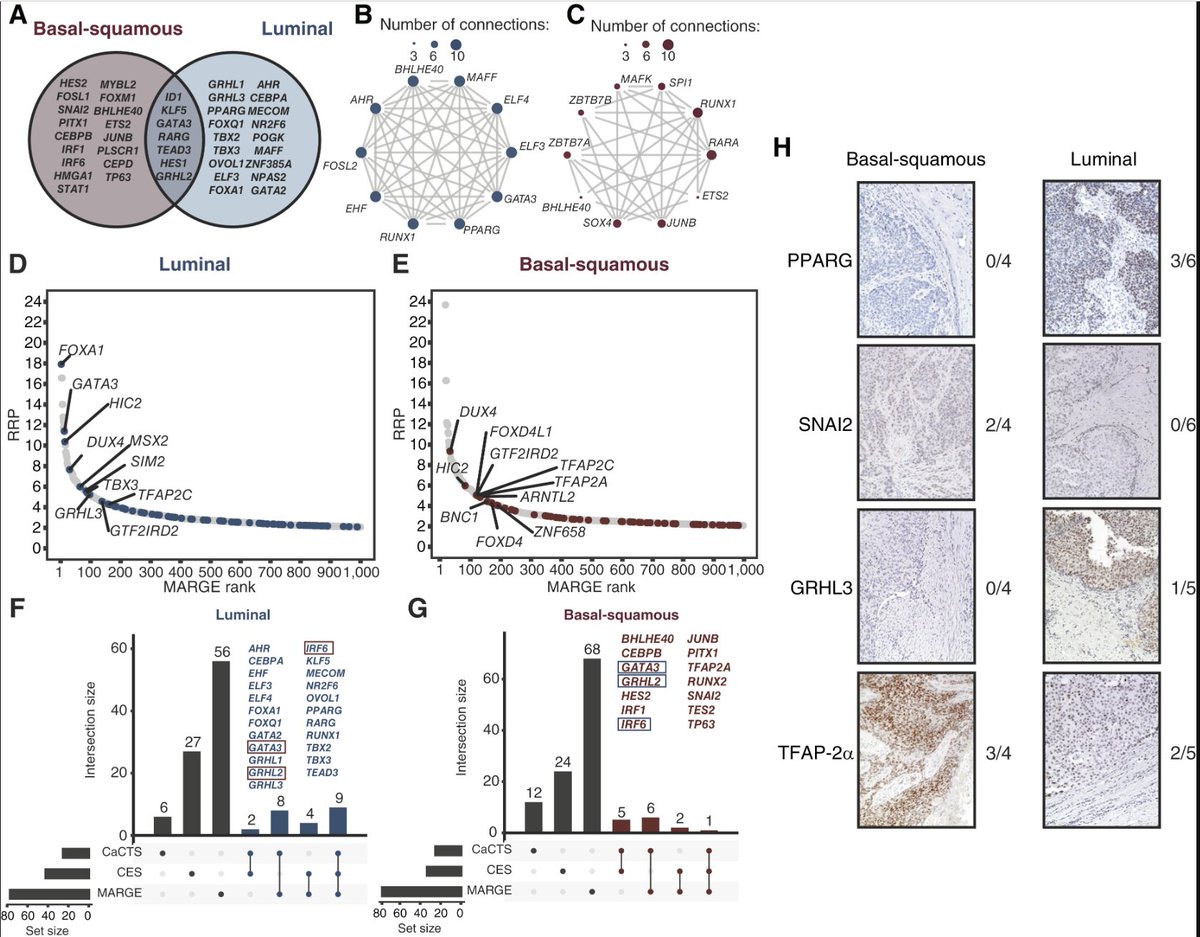
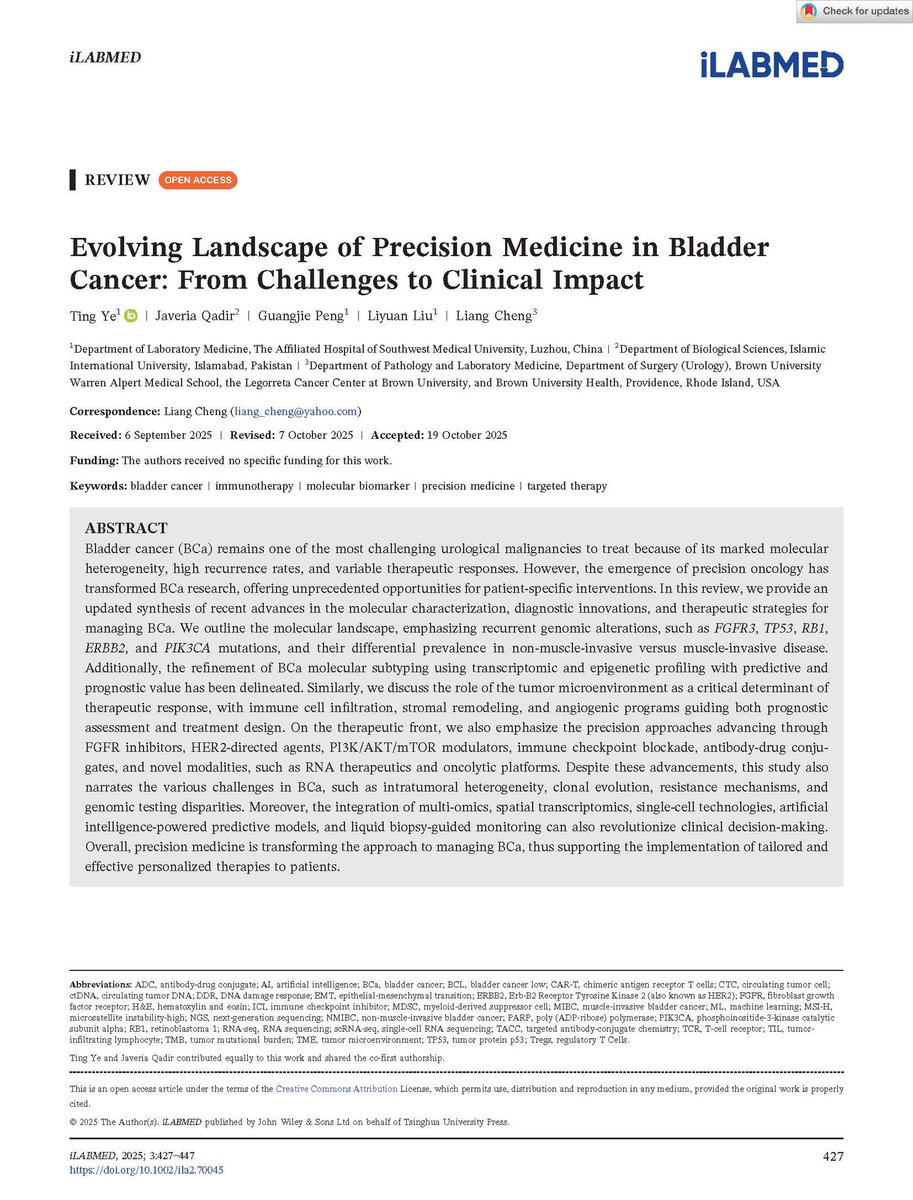
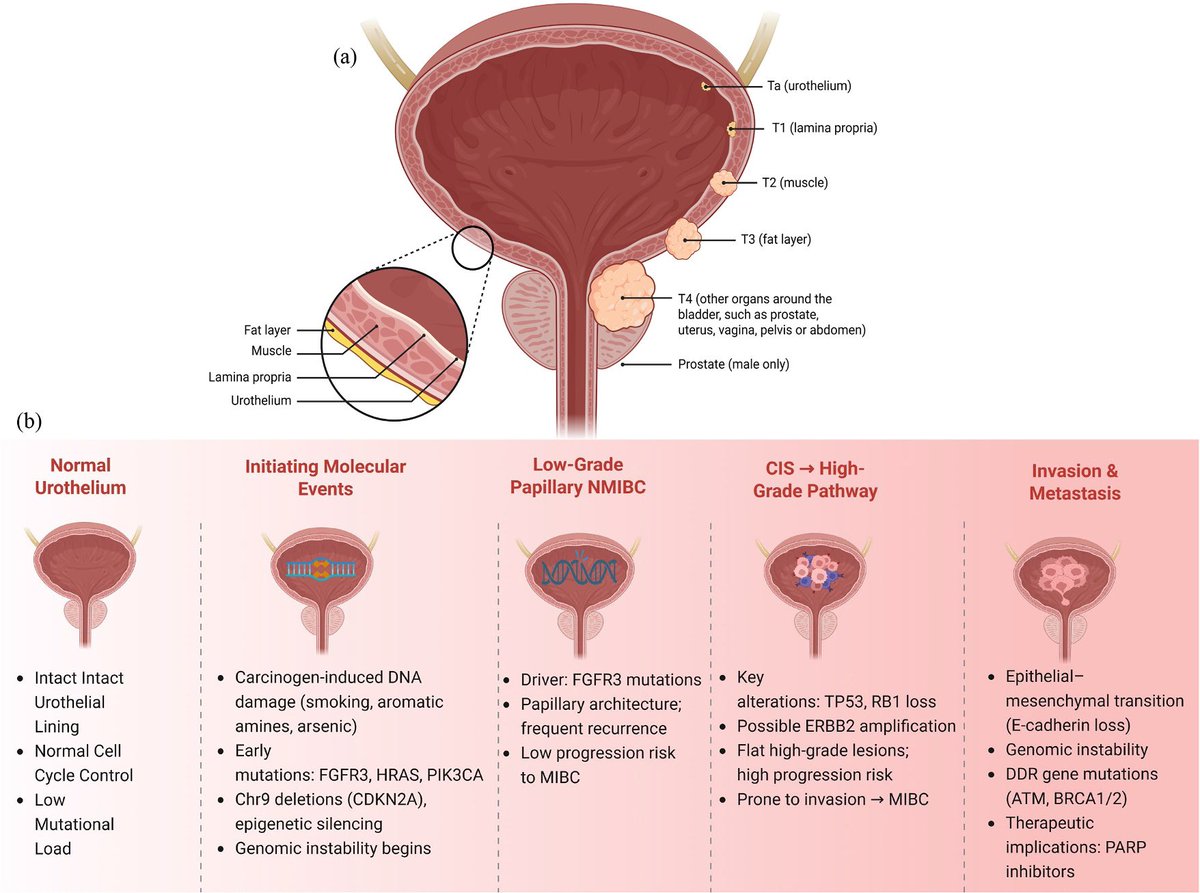
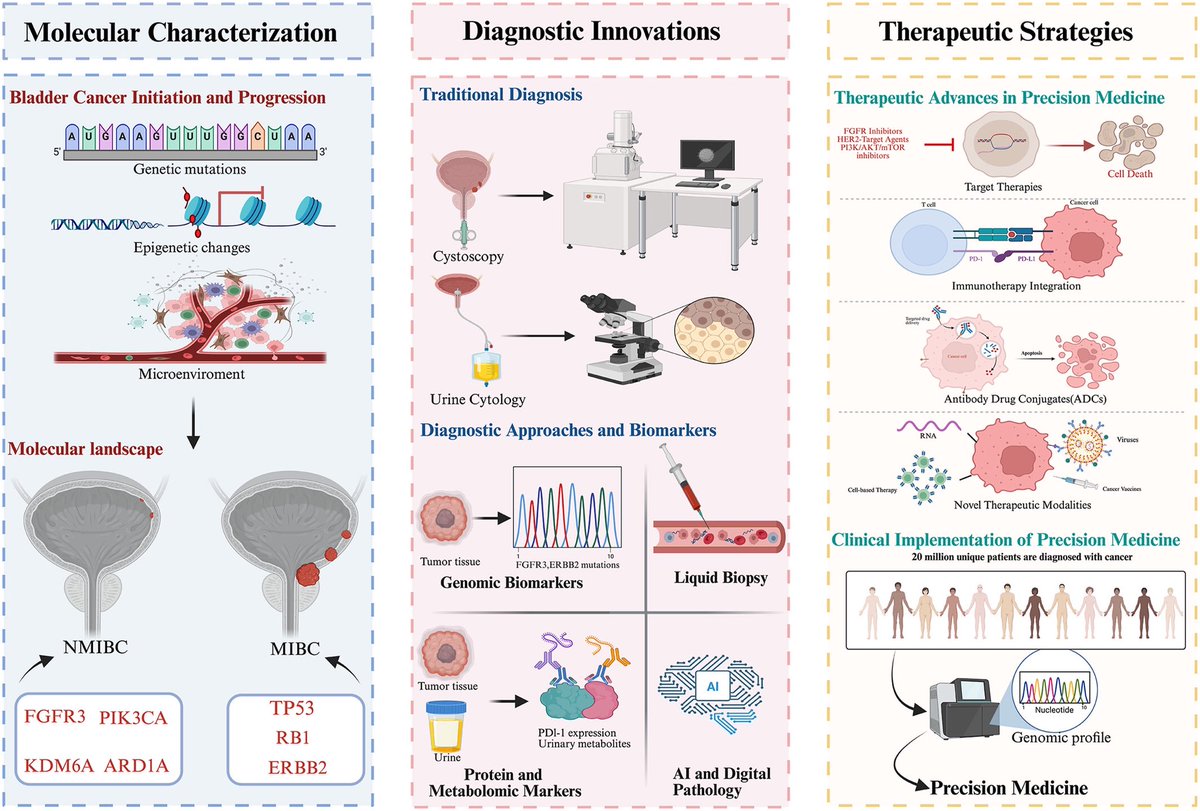
I am absolutely delighted to share this state-of-the-art review on “Evolving Landscape of Precision Medicine in Bladder Cancer: From Challenges to Clinical Impact.”, written by Prof. Ting Ye and colleagues – one of most comprehensive and up-to-date review on bladder cancer care.
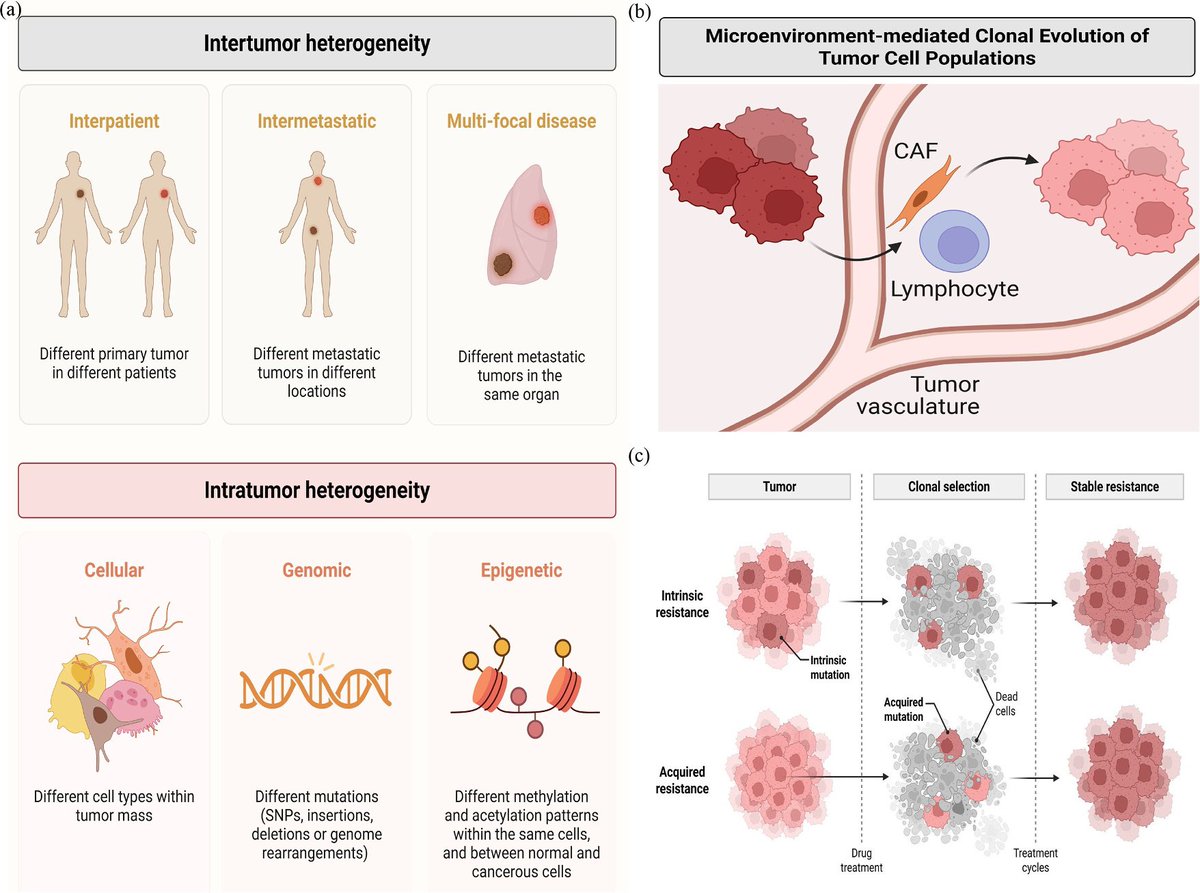
Bladder cancer (BCa) remains one of the most challenging urologic malignancies due to its marked molecular heterogeneity, high recurrence rates, and variable therapeutic responses. However, the rapid emergence of precision oncology is transforming the field and opening unprecedented opportunities for personalized treatment strategies.
In this review, we provide an updated synthesis of recent advances in the molecular characterization, diagnostic innovations, and targeted therapeutic strategies for BCa. We discuss the evolving molecular landscape, highlighting recurrent genomic alterations - including FGFR3, TP53, RB1, ERBB2, and PIK3CA - and their differential prevalence in non–muscle-invasive versus muscle-invasive disease. Advances in molecular subtyping using transcriptomic and epigenetic profiling have further refined prognostic and predictive stratification.
We also examine the critical role of the tumor microenvironment, including immune cell infiltration, stromal remodeling, and angiogenic programs, in shaping therapeutic response and guiding treatment strategies. On the therapeutic front, we highlight precision approaches involving FGFR inhibitors, HER2-targeted agents, PI3K/AKT/mTOR pathway inhibitors, immune checkpoint blockade, antibody-drug conjugates, and emerging modalities such as RNA therapeutics and oncolytic platforms.
Despite these advances, important challenges remain, including intratumoral heterogeneity, clonal evolution, resistance mechanisms, and disparities in access to genomic testing. Emerging technologies - including multi-omics integration, spatial transcriptomics, single-cell profiling, artificial intelligence–driven predictive modeling, and liquid biopsy monitoring - hold great promise for overcoming these barriers and improving clinical decision-making.
Looking ahead, the future of precision medicine in BCa will rely on the integration of comprehensive multi-omics datasets, AI-enabled predictive analytics, and minimally invasive monitoring strategies such as circulating tumor DNA (ctDNA) and exosomal RNA profiling. Novel immunotherapeutic strategies - including bispecific antibodies, neoantigen vaccines, CAR-T therapies, and TCR-engineered cells - may further expand treatment options, particularly for patients with checkpoint inhibitor - refractory disease.
Ultimately, the convergence of high-throughput molecular profiling, advanced computational analytics, and real-time tumor monitoring is shifting BCa management from a reactive, one-size-fits-all paradigm toward proactive, adaptive, and highly personalized cancer care.
Do you have an interesting #gupath case that you want to share with the global community through the @IntSocUropath as the Case of the Month? All #ISUP members are invited to submit to [email protected] using the available template, we would love to include it in 2026!
The GUPS and ISUP Joint Expert Consultation Recommendations on intraductal carcinoma of the prostate - Shah - 2026 - Histopathology - Wiley Online Library #gupath#openaccess https://t.co/gZcF7WgZBI
Rethinking Gleason pattern quantification in predicting metastasis: results of 20 years of follow‐up in the Rotterdam section of the European Randomized Study of Screening for Prostate Cancer - Kroon - Histopathology - Wiley Online Library #gupath https://t.co/yI9q6Z33AP
GPNMB immunohistochemistry is a useful ancillary tool for the diagnosis of pulmonary lymphangioleiomyomatosis - Szalai - Histopathology - Wiley Online Library #lungpath#openaccess https://t.co/NDojngqC8A
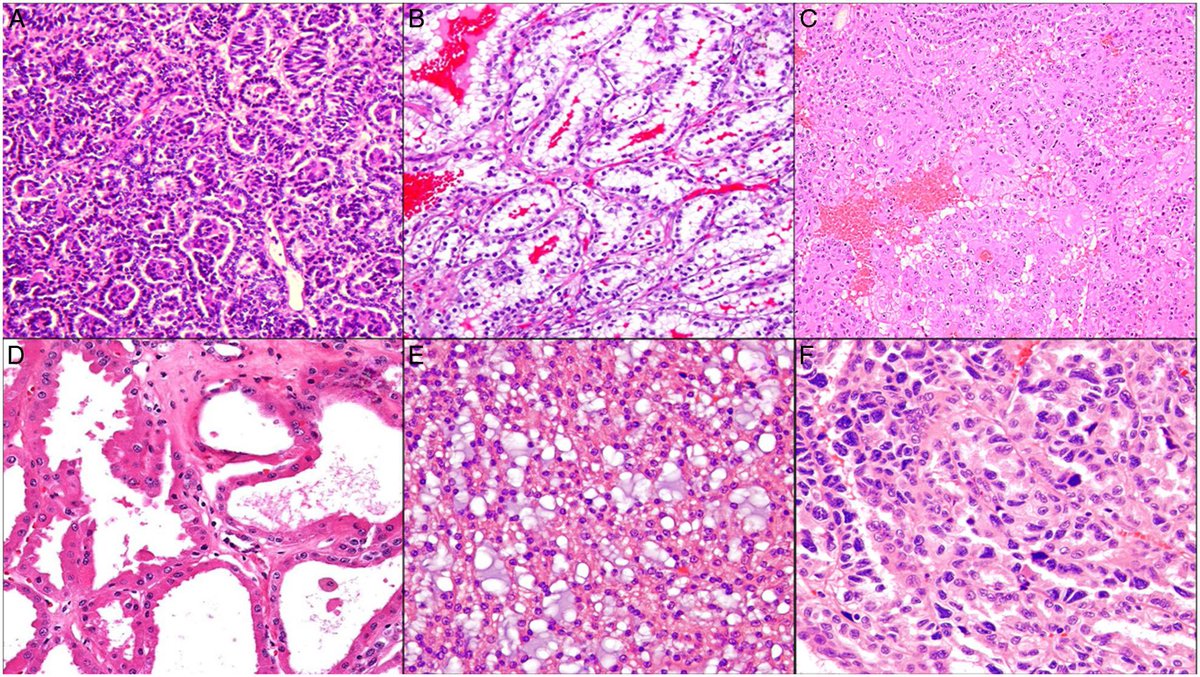
Enjoy Kidney Cancer's Special Pathology Edition. A great set of [open access] RCC reviews; also, sarcomas, benign tumors, molecular changes, familial syndromes, grading/staging. Great for patients, clinicians, researchers & pathologists.🔬#gupath@urotoday
https://t.co/SqPrtyY2Z1






![MichelleDunno17's tweet photo. Enjoy Kidney Cancer's Special Pathology Edition. A great set of [open access] RCC reviews; also, sarcomas, benign tumors, molecular changes, familial syndromes, grading/staging. Great for patients, clinicians, researchers & pathologists.🔬#gupath @urotoday
https://t.co/SqPrtyY2Z1 https://t.co/ohamSWTFYx](https://pbs.twimg.com/media/GvglPA_W8AAQhuJ.jpg)