[Seminario Internacional] Junto a @QuakeCoRE las y los invitamos el 3 de abril a partir de las 10:00 AM a conocer nuestras experiencias de investigación en torno a la Gestión del Riesgo de Desastres en Chile y Nueva Zelanda.
Puedes inscribirte en https://t.co/MOvX2NxVp6
📣📣Faculty search at VT!! 🎉🎉 Open position in Geotechnical Engineering (Assistant/Associate professor), with research focus on geotechnical aspects of coastal engineering!! 👉👉Submit your application: https://t.co/HBXzpSpZCN @VirginiaTechCEE
The recent South Isl. earthquake, sparked a @UCNZ reconnaissance trip to investigate possible #SurfaceRupture & #SlopeStability issues around the Rangitata Valley.
@camillapenney, @PaleoStahl & @brendonabradley have written a guest blog about the #eqnz: https://t.co/v6Ri2WAVSR
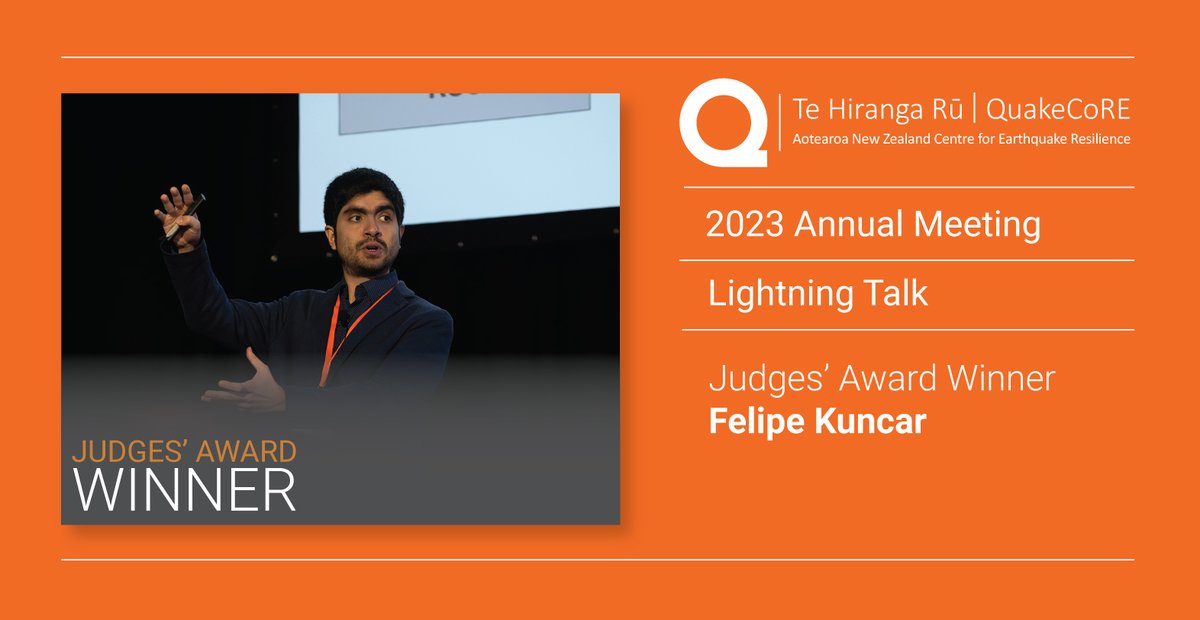
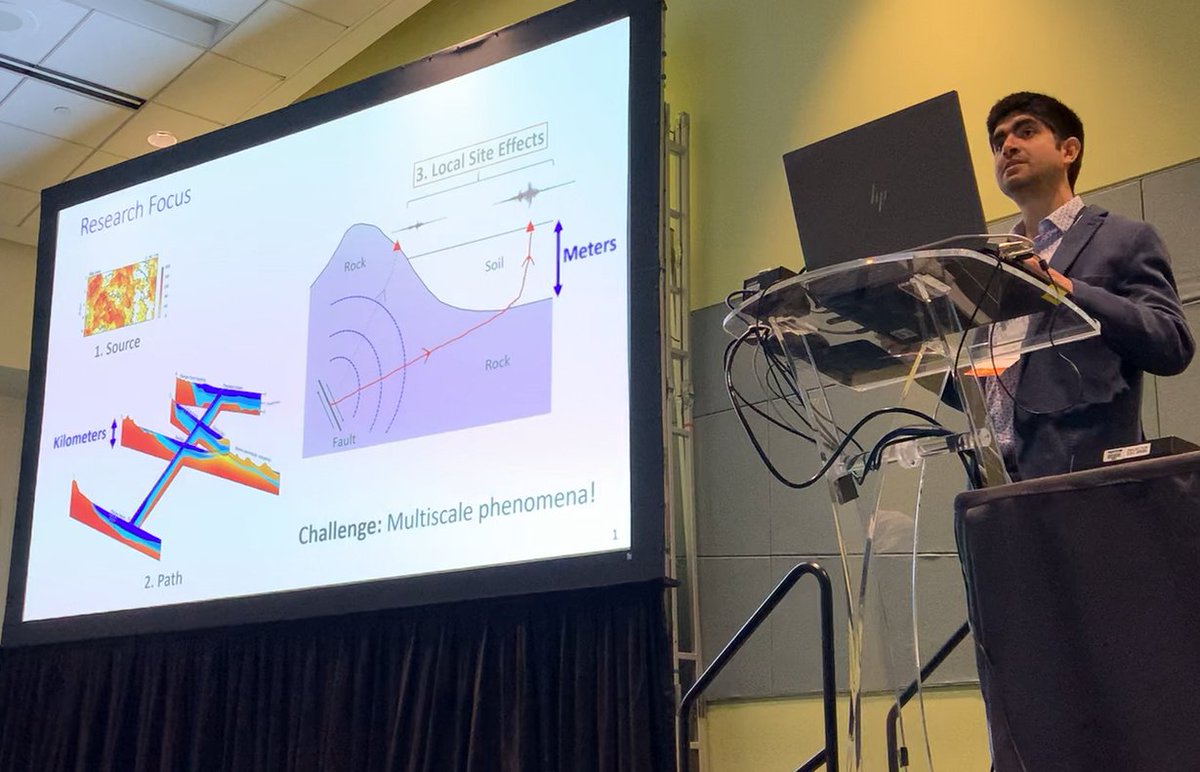
🎉 Congratulations to @FelipeKuncar (@UCEngineering), the QuakeCoRE 2023 Annual Meeting Lightning Talk Judges' Award Winner!
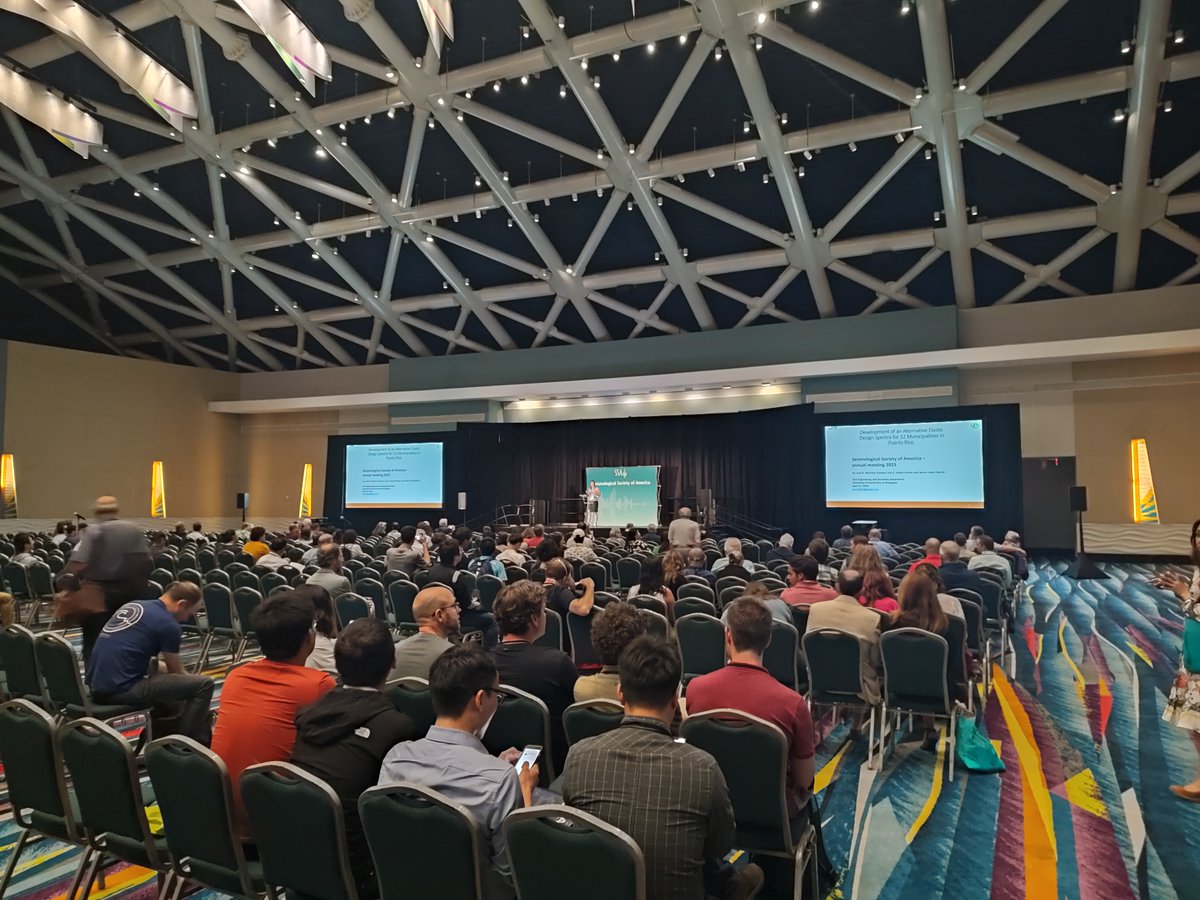
All #QCAM23 attendees have enjoyed hearing about the research being undertaken by students in the QuakeCoRE Community.
Looking forward to this conference! Join us if you are working on something in the risk space.
📝 Abstracts due 18 Aug.
🗓️ Conference 1-2 Feb.
🌎 Ōtautahi | Christchurch, NZ
Abstracts 📝 now open for the Society for Risk Analysis Australia-New Zealand’s Annual Meeting.
🗓️1-2 Feb 2024 - Christchurch, NZ 🇳🇿
Come join us if you work on anything related to risk!
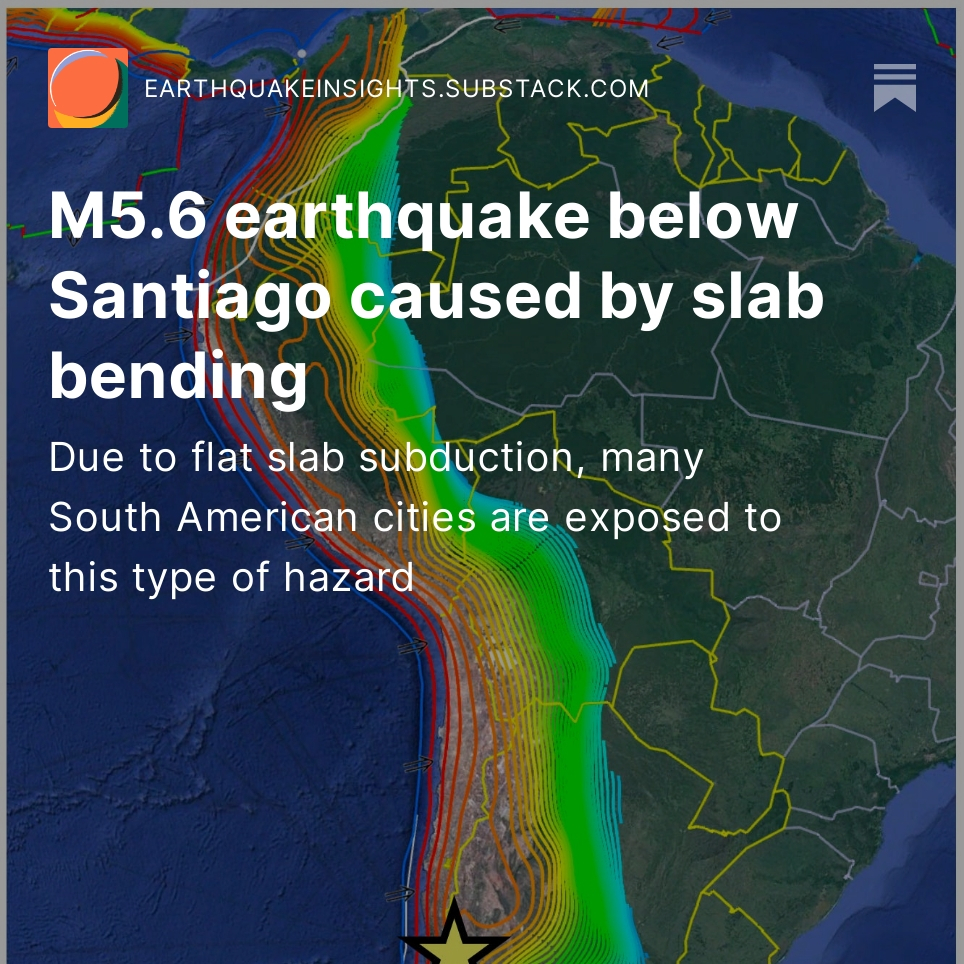
About 17 million people felt shaking in Chile and Argentina today: a M6.6 earthquake occurred deep below the border, within the sinking slab of the subduction zone..
Deep quakes like this cause widespread shaking, but of relatively low intensity.
1/
A few hours ago, amny people in Santiago, Chile felt an earthquake. Why? The city sits above a subduction zone, and the slab below broke. Today's quake was not damaging, but historical quakes have been much larger, and killed thousands.
1/
When on-site earthquake records are available, we often use them in the form of horizontal-to-vertical spectral ratio (HVSR) from which to infer site responses. Is there a better end-to-end approach to use these record on single-station basis? Yes, we found one!
ICYMI, our recent #QCSeminarSeries with Matt Gerstenberger of
GNS Science, on the New Zealand National Seismic Hazard Model (NSHM) you'll be happy to know you can now view it, with subtitles on our YouTube Channel here: https://t.co/1RG8Kf33oS
AI hype is on full swing, to a large extent, because of language models.
But as a writer, I am not totally convinced about the “productivity boosts.”
You see, writing fulfills a dual purpose. On the one hand, we write to communicate. But on the other hand…. /1
📢 Join us online next Friday (12 May) at 10:00am for the next #QCSeminarSeries: New Zealand National Seismic Hazard Model (NSHM): key features and analysis tools.
Presented by: Matt Gerstenberger (@gnsscience)
For more info and to join the Seminar 👉 https://t.co/6nhvBU5RSL
Research by @FelipeKuncar at @UCNZ is analysing hundreds of earthquakes in Christchurch, to predict how future earthquakes will affect different suburbs based on the soil they’re built on.
Read more here:
https://t.co/TbWI3ypWYi
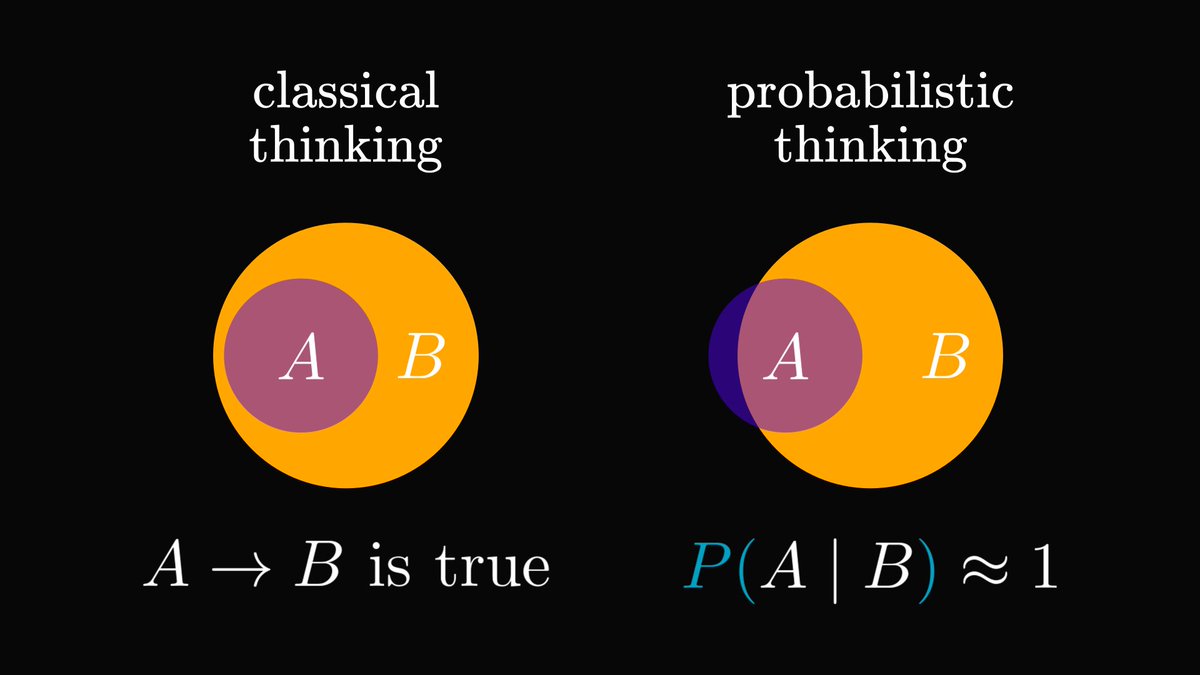
"Probability is the logic of science."
There is a deep truth behind this conventional wisdom: probability is the mathematical extension of logic, augmenting our reasoning toolkit with the concept of uncertainty.
In-depth exploration of probabilistic thinking incoming.







![CIGIDEN's tweet photo. [Seminario Internacional] Junto a @QuakeCoRE las y los invitamos el 3 de abril a partir de las 10:00 AM a conocer nuestras experiencias de investigación en torno a la Gestión del Riesgo de Desastres en Chile y Nueva Zelanda.
Puedes inscribirte en https://t.co/MOvX2NxVp6 https://t.co/cgIsGl47JP](https://pbs.twimg.com/media/GJORsvhWcAExh5u.jpg)