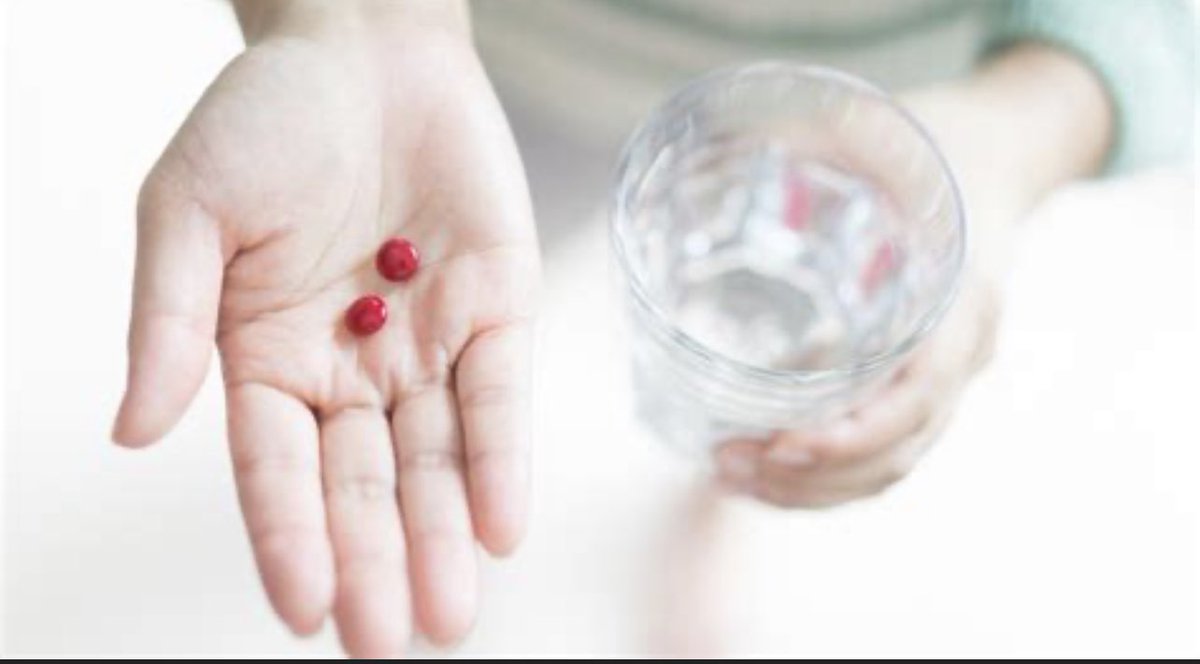
Stopping GLP-1 drugs too abruptly can impact more than just the body – it can also potentially affect the brain. Discontinuing injections of tirzepatide (brand names Mounjaro or Zepbound) can contribute to psychiatric symptoms, like mania or hallucinations.
https://t.co/HR5vA3GkoO
مهم!
هذا بحث نشر في NEJM عن التخصصات الطبية المعرضة للاستبدال بالذكاء الاصطناعي.
الباثولوجي والاشعة التشخيصية يمكن استبدال 96% الى 99% من أعمالهم بالذكاء الاصطناعي!
العيون والجلدية والعظام أكثر تخصصات محمية من ان يستبدل الذكاء الاصطناعي عمل الطبيب.
A trial of venous thromboembolism (VTE) prophylaxis after hip or knee arthroplasty did not show that aspirin was noninferior to rivaroxaban or warfarin for symptomatic VTE or death. Warfarin and rivaroxaban were not noninferior to aspirin for safety. Full PEPPER trial results: https://t.co/x99wawQaDe
Editorial: Aspirin Therapy — Enough after Arthroplasty https://t.co/azVWf3Byln
The FDA is informing patients and health care providers of a potential increased risk of non-arteritic anterior ischemic optic neuropathy (NAION) associated with use of glucagon-like peptide-1 receptor agonist (GLP-1 RA) medications. FDA https://t.co/g5uHrj7LU4
Dans cette étude, la présence dun tatouage au site d'injection d'un vaccin a diminué la réponse au vaccin contre la COVID-19 mais augmenté celle au vaccin antigrippal inactivé. Ces effets refléteraient les différences dans les mécanismes d'action de ces deux types de vaccins.
New @PNASNews
"This work represents the most extensive study to
date regarding the effect of tattoo ink on the immune response and raises serious health concerns associated with the tattooing" including altering the response to vaccination
https://t.co/flxZjpN3LI
Water from glass bottles might contain up to 3x more microplastics than plastic bottles.
A recent study tested common beverages in France and consistently found glass bottles had the highest microplastic contamination, significantly exceeding plastic bottles and cans.
Beer topped the list, with small glass bottles averaging 134 microplastics per liter (MPs/L). Lemonades (112 MPs/L), colas (103 MPs/L), and cold teas (86 MPs/L) followed (all in glass), with far fewer MPs (1.5–2.4 MPs/L) in plastic bottles or cans.
Even plain bottled water wasn’t exempt. Glass bottles averaged 4.5 MPs/L. That's 181% higher than plastic bottles, which averaged 1.6 MPs/L.
Most surprising of all? The contamination wasn't from the glass itself. Rather, it came from the bottle caps. Researchers discovered that flakes of polyester-based paint on metal caps shed into the beverages. Uncleaned caps drove contamination levels as high as 287 MPs/L, while cleaning caps greatly reduced microplastic contamination by up to 70%.
It really seems that, as a consumer, there is no easy way out. So what can you do?
Filtered water from a reusable, BPA-free bottle remains your best choice to limit exposure. And recognize potential trade-offs. While glass may contain more microplastic particles, plastic bottles (especially when exposed to heat) generally test higher for PFAS and endocrine-disrupting chemicals like BPA and BPS.
@GuillaumeBarucq C’est exact !
Bien souvent les prescripteurs sont réservés en raison de l’argument économique. Or 3 semaines de cure sont moins coûteuses qu’une journée d’hospitalisation. D’où la persistance de leur remboursement.
I have Asthma, allergies, dyslexia, ADD, anxiety, and Depression.
But I will tell you that what you have does not define what you can become.
Why Not You!
Ultra-processed foods, such as cereals and fizzy sweetened drinks, have been linked to 32 harmful health effects, according to the largest review of the evidence to date. Globally, one in five deaths are thought to be due to poor diet.
https://t.co/HvorU0Lk2w
DISPARITION ⚫ La députée européenne Europe Écologie-Les Verts Michèle Rivasi est décédée à l'âge de 70 ans.
⏪ Retour en 1986, lorsque la professeure agrégée de biologie alertait sur les conséquences de la catastrophe de Tchernobyl.
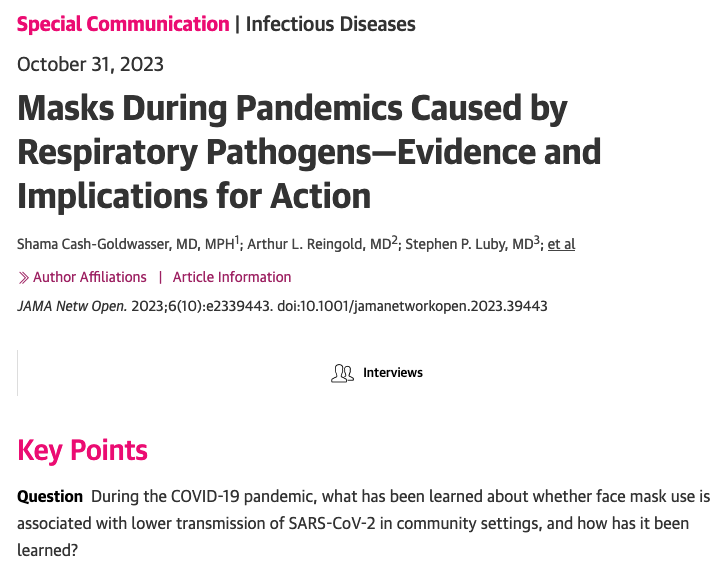
Les masques peuvent réduire le risque de propagation du Covid et d’en être infecté, selon une revue portant sur 40 études avec sept méthodologies différentes.
The evidence is clear: Masks can reduce the risk of spreading Covid and of being infected with it. In a new review, my colleagues and I examined 40 studies on masks with seven different methodologies. Here’s what we found.
Masks play two roles—protecting the wearer and protecting the people around the wearer. If someone wearing a mask is sick, the mask can drastically reduce the amount of virus they spread to others. For personal protection, a high-quality mask such as an N95 or KN95 can protect the wearer, particularly if it fits well and is worn consistently in crowded indoor spaces where exposure to Covid often occurs.
Although masks work, they’re not perfect. Factors such as how intensely the virus is spreading, in which settings it’s spreading (such as indoors with poor ventilation), what proportion of people are wearing masks and how consistently they’re being worn add complexity to the question of how much protection masks provide and when.
Read our review in @JAMANetworkOpen: https://t.co/MRE5T3PmZS
New study shows people with increased iron blood markers tend to have older epigenetic ages. Another piece of evidence that high iron levels probably accelerate aging… 1/n https://t.co/oqRtm4LjxK
The analysis of more than 226,000 people around the world showed 4,000 steps was enough to start reducing the risk of dying prematurely of any cause.
https://t.co/XasXsB4kNN
Switching to a diet full of fresh veggies and low in processed foods can do wonders for your brain's biological age, new research shows.
https://t.co/3NoeuTNu3i
New study: Gut bacteria convert choline from RED MEAT into TMA, which becomes TMAO, a chemical that may cause cardiovascular disease. Berberine, a natural molecule that lowers blood sugar (like metformin does) also inhibits production of TMAO 💪 https://t.co/67IJCJgRUh