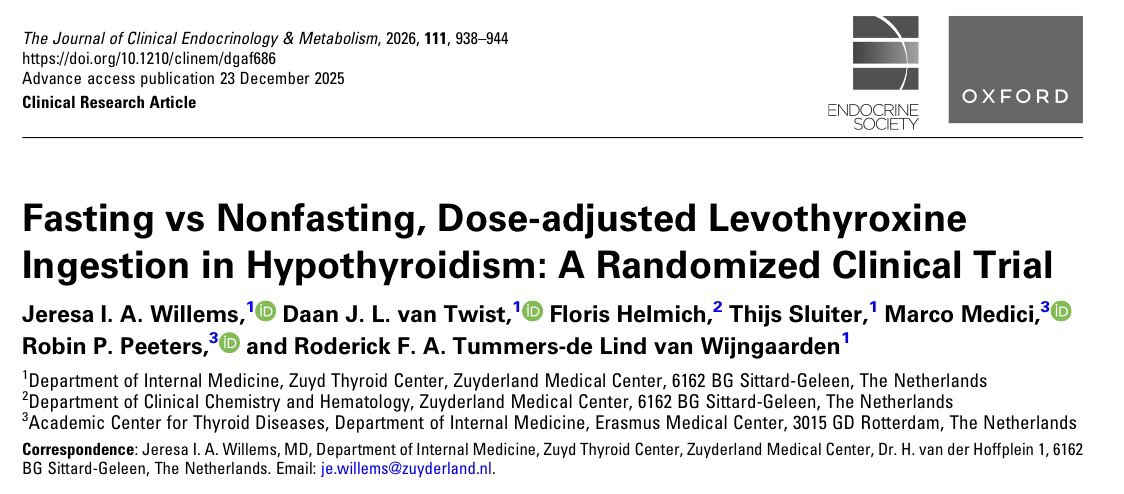
💊 ¿Es obligatorio tomar la levotiroxina en ayunas?
Clásicamente sí. Pero un nuevo RCT en JCEM (2026) plantea algo interesante que puede cambiar la práctica clínica 👇
Exome sequencing and analysis of 44k South Asians from the Genes & Health cohort (G&H) now published in Nature Genetics.
Of all the South Asian centric cohorts, G&H is my favorite. They have been doing high quality work and sharing the results generously to everyone in the field.
G&H is dedicated exclusively for British South Asians of Pakistani and Bangaldeshi heritage. In the current work, the authors studied whole exome sequencing (WES) of 44,028 individuals.
The value of such cohorts become immediately evidenct when you contrast with existing large European-based cohorts/databases such as UK Biobank, gnomAD. Some interesting stats reported in this paper:
- 26% of G&H coding variants are completely absent in gnomAD (this rises to ~50% when compared only with the European subset of gnomAD)
- 33% offspring of consanguineous marriages (vs 2% in the UKB)
- consequently, 1.8% of average genome is in runs of homozygosity (ROH) (vs 0.4% in UKB)
- this high autozygosity yields 2.4x more homozygous genotypes than what you'd expect under random mating
- for ~3k genes at least one homozygous (or comp het) pLOF carrier ('knockouts') was found, of which 1,669 are seen in only G&H despite being 10x smaller than UK Biobank.
For 546 genes, knockouts are seen only in G&H when compared to even 5 major larger biobanks combined (~1.4 million)
Great work and an incredible progress in South Asian genetics, again, unsurprisingly from a South Asian cohort built outside South Asia
Congrats to G&H team!
Kim et al. Nat Gen 2026
https://t.co/bwrwFZeOKd
A PRIMARY ALDOSTERONISM PODCAST
Appreciate the Curbsiders team for letting me join their amazing platform to share the message: “essential hypertension is primarily aldosteronism”.
Including some helpful resources in the thread below
https://t.co/yNnZPDkFe6
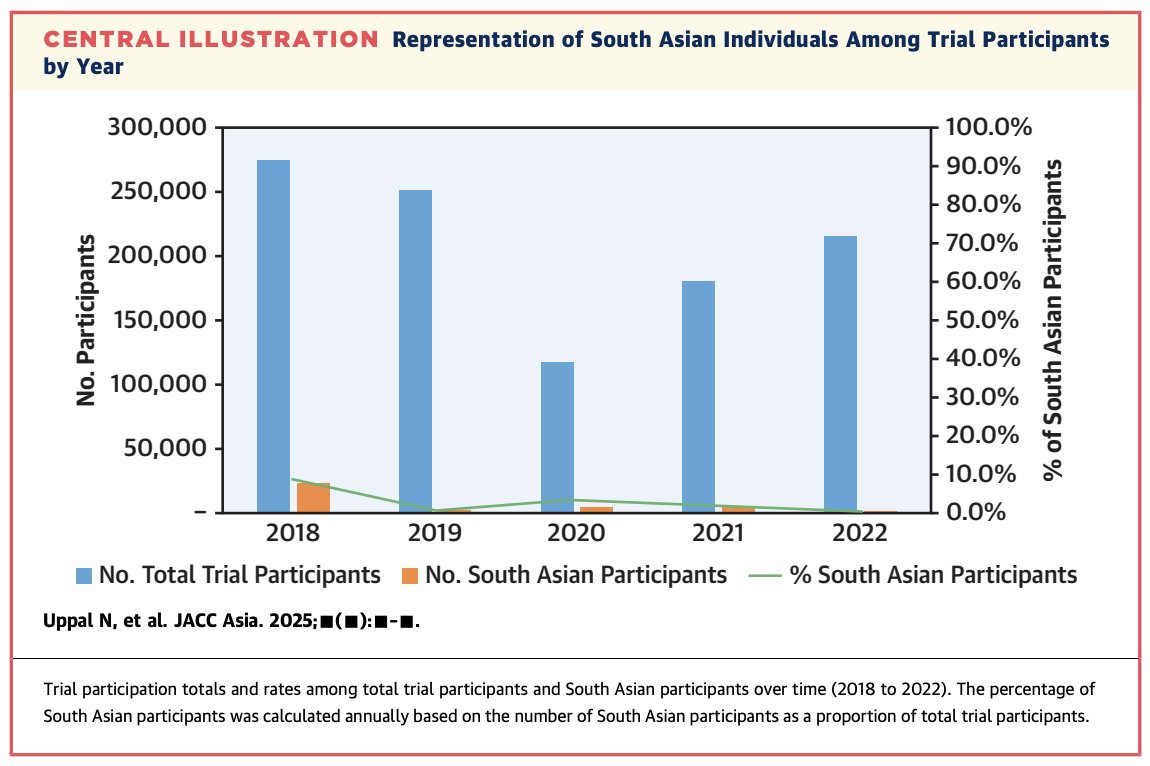
South Asian individuals have greater CVD event rates and comprise 1 in 4 individuals worldwide. However, in our systematic review of 310 major CVD trials led by @NishantUppal7, only 3% of trial participants are South Asian individuals https://t.co/K6U8dkj6Ls @JACCJournals #JACCAsia @AniruddhPatelMD@DLBHATTMD
Need more South Asian individuals to join research studies…
Dismal representation in trials (3%) and even worse in genetic studies (1%)
Hard to believe these lousy stats because SA represent 23% (1.8B) people in the world
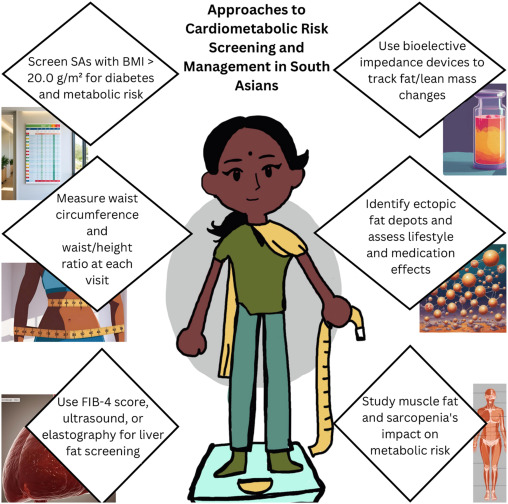
Non-autoimmune diabetes in undernourished young people in NE India reveals intricacies of diabetes phenotypes in rapidly transiting populations. Rural lean people show reduced insulin secretion; urbanised overweight people show insulin resistance https://t.co/FlXRkIN5k3
📢 New in @jclinicalinvest : We explore pediatric MASLD as a distinct, early-onset liver disease shaped by perinatal factors, genetics, and hepatic zonation.
@SudhaBiddinger@SamarHIbrahimMD
Opportunities for early intervention start in childhood.
🔗https://t.co/ki2ZUJfBTn
Really enjoyed Max Petersen’s talk at #NLASessions on the topic of hypothetical mechanisms of increased LDL cholesterol and ApoB with ketogenic diets. Looking forward to his forthcoming data measuring metabolic fluxes! https://t.co/zk6mrs2wLn
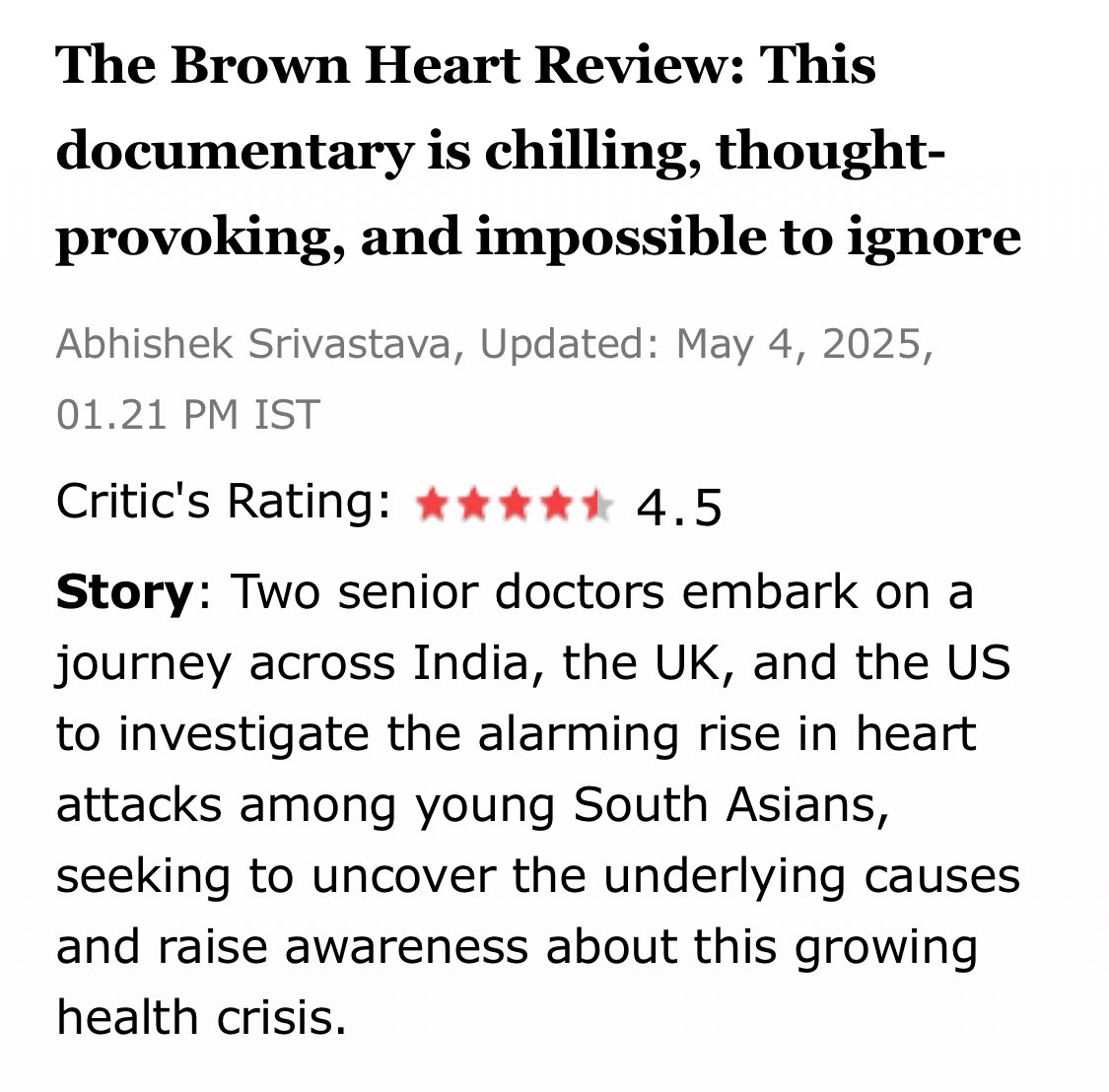
The @timesofindia has given the documentary-drama, The Brown Heart, 4.5/5 stars. Please help us spread the word, share your feedback, and catch the review here: https://t.co/s5P3KUwpoG
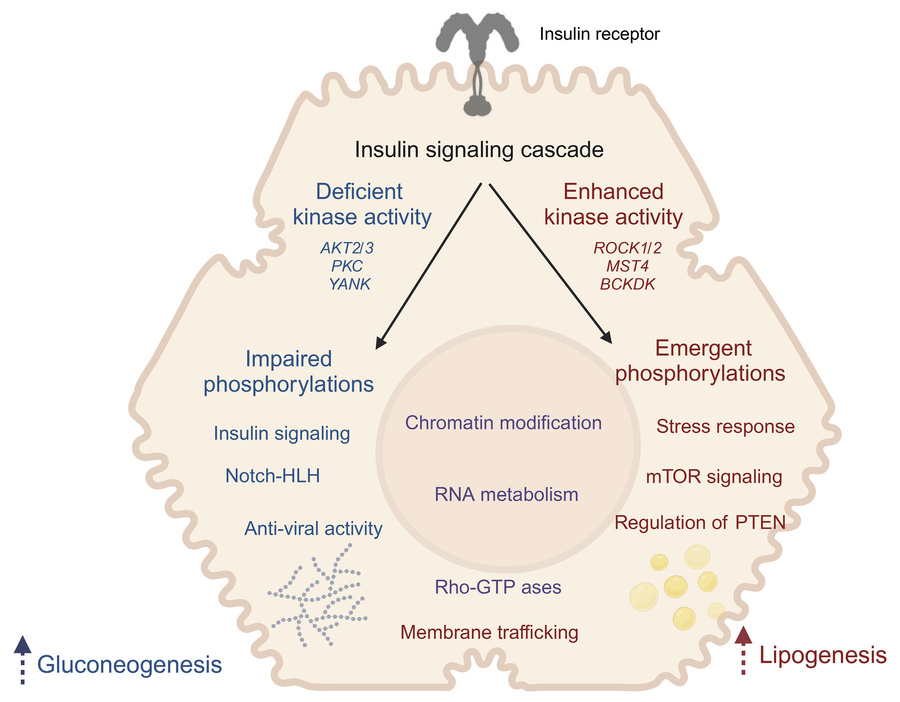
@jclinicalinvest .We have uncovered "impaired" and "emergent" insulin signaling defects in T2D liver. Is "emergent" signaling the basis of "selective insulin resistance"? Thank you, Kahn, @labs_mann, Cantley labs. https://t.co/aCgEYssa13
A reversible interaction between bempedoic acid and fenofibrate leading to a major, reversible decrease in HDL cholesterol levels was found in patients treated for nongenetic elevated LDL cholesterol levels. Learn more: https://t.co/8L4mLxC1nM