Thrilled to share our latest publication on castration resistance published in @CellReports
https://t.co/XHRytthJXg
Key Discoveries
BCL2 a driver of early castration resistance.
Crosstalk in AR-BCL2-PI3K signaling pathways.
Venetoclax + ENZ combo delated CSPC growth.
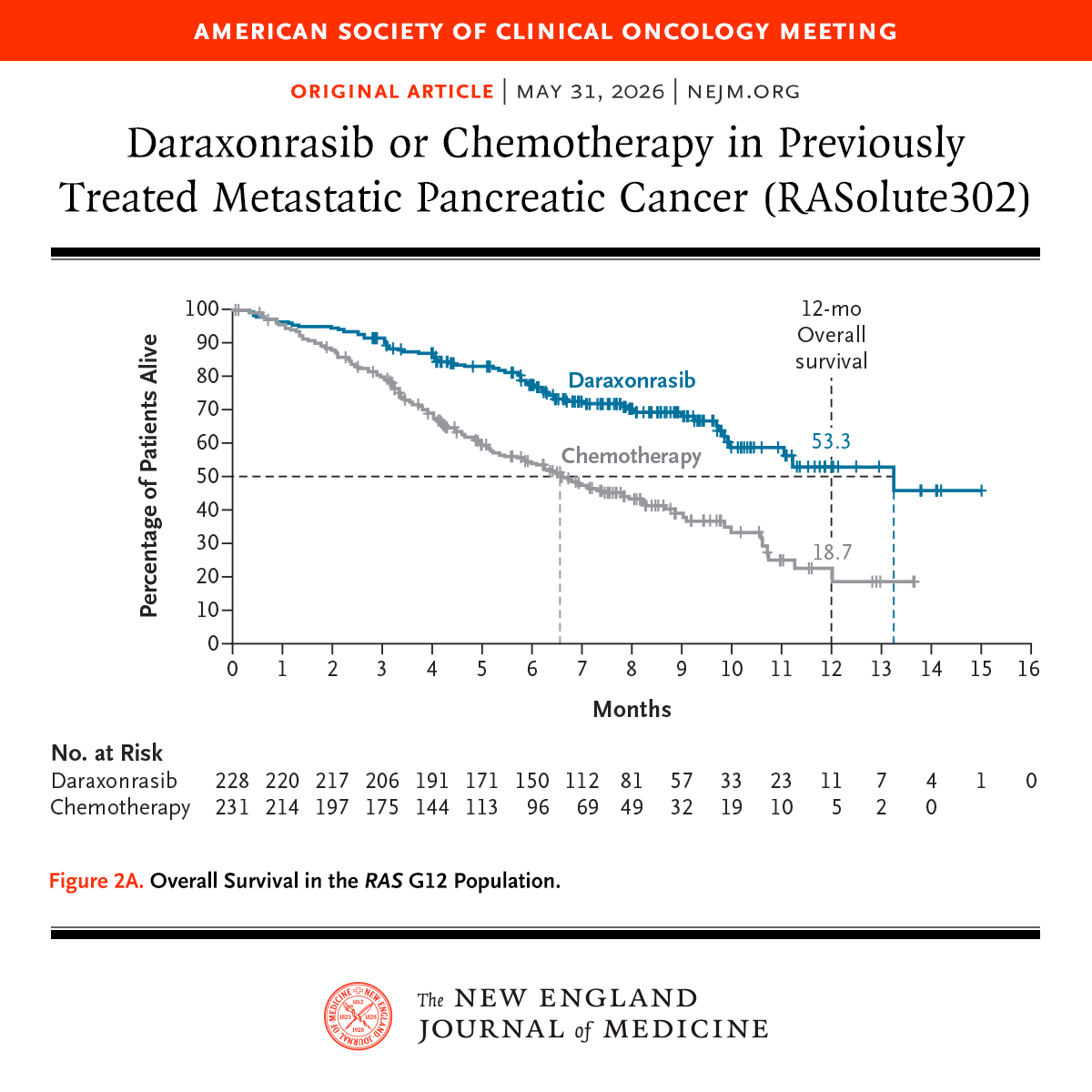
Presented at #ASCO26:
Among patients with previously treated metastatic pancreatic ductal adenocarcinoma, the RAS(ON) inhibitor daraxonrasib led to significantly longer overall survival and progression-free survival than chemotherapy. Full phase 3 RASolute 302 trial results: https://t.co/xwLWBZYRzq
@ASCO
Absolutely practice changing!! One of the most stunning developments in the treatment of patients with metastatic pancreatic cancer !! It is one of the rare moments in oncology which you will always remember ! Like the imatinib, trastuzumab presentations @ASCO#ASCO26@OncoAlert
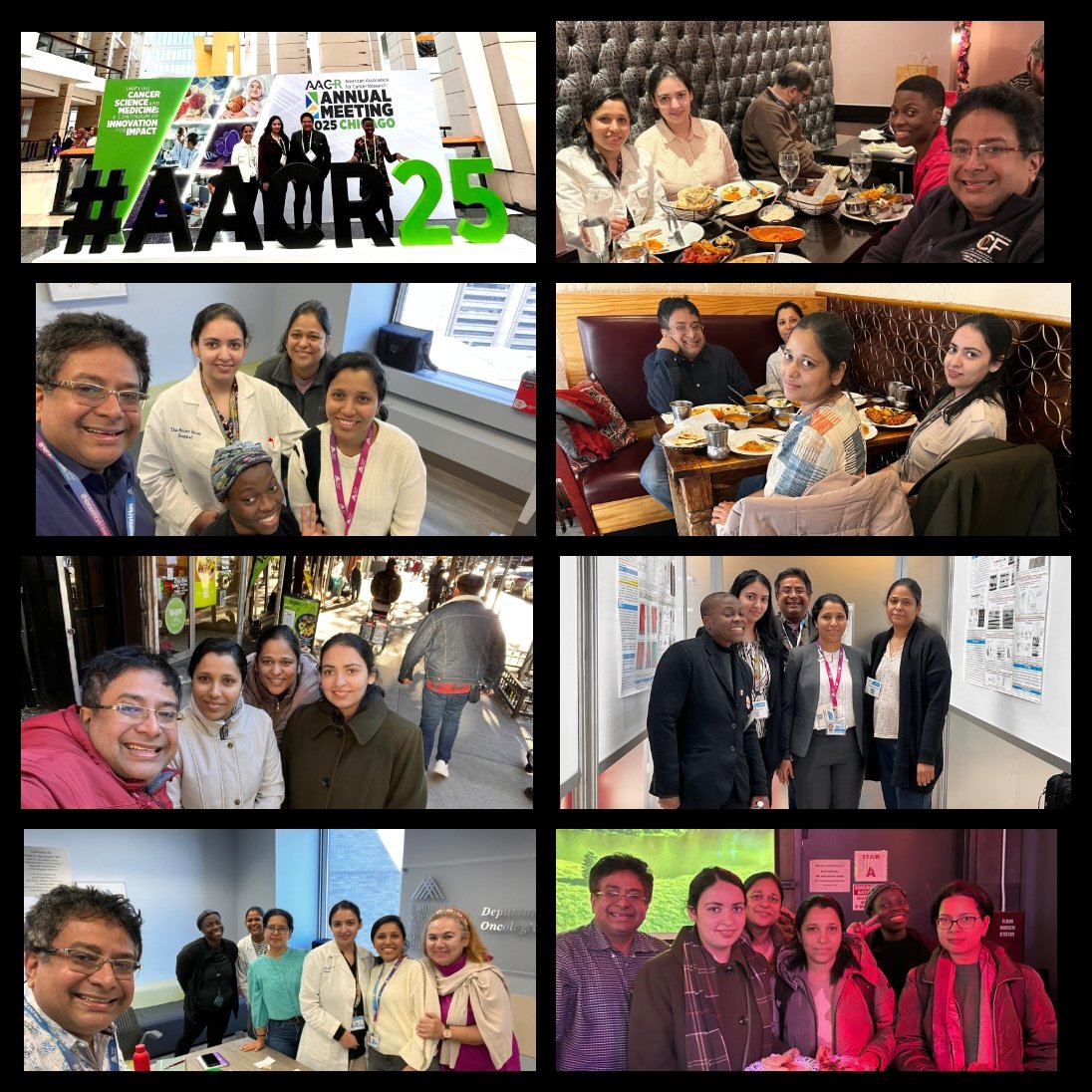
Laboratory Visit of Dr. Richard Izquierdo Health & Science Charter School AP bio high sc student at #chakrabortlab@IcahnMountSinai@MountsinaiUro@TischCancer#stem . Discussing our reaseach with high school student to inspire them for their career goal.
Cancer survival in the U.S. just crossed 70%.
It was 63% in the 1990s.
That gap = 4.8M people alive today.
This one chart captures survival gains across 29 cancer types.
The wins are real.
So is the unfinished work.
▪️CML: 31% → 72%
▪️Multiple myeloma: 32% → 62%
▫️Kidney: 59% → 82%
▫️Metastatic melanoma: 16% → 35%
▫️Childhood ALL: 80% → 92%
But some cancers barely moved.
Cervical cancer outcomes actually worsened.
None of this is abstract progress, though.
These are birthdays, grandkids, and years of life returned.
This is what funded science does.
Next time someone asks if cancer research works, show them this (full) chart.
- - - - -
Source: ACS Cancer Statistics 2026 · SEER · 𝘷𝘪𝘢 @Jori_health
- - - - -
NIH is proudly prioritizing drug repurposing as a way to accelerate research while using resources efficiently.
Watch for some outstanding examples of how we’ve applied gold standard science to find new ways existing therapies can benefit more patients now:
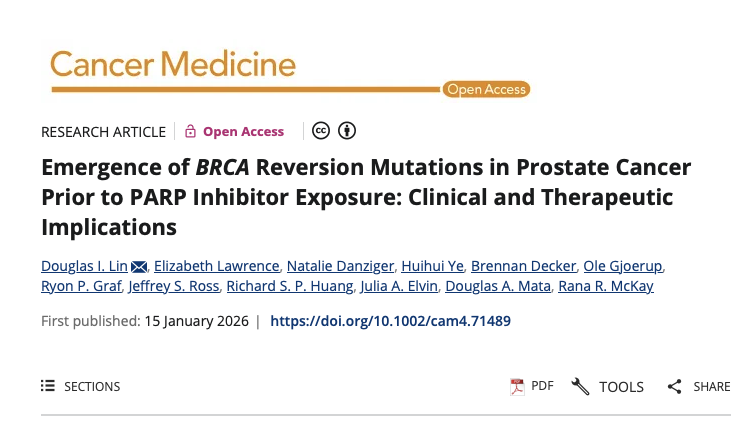
Emergence of BRCA Reversion Mutations in Prostate Cancer Prior to PARP Inhibitor Exposure: Clinical and Therapeutic Implications
https://t.co/PMowhtJJ9w
BRCA1/2🧬 reversion mutations, which restore BRCA function and confer PARP inhibitor resistance, were identified in advanced #ProstateCancer both after and without prior PARP inhibitor exposure.
In this retrospective liquid biopsy study, 30% of PARP-naïve patients with BRCA reversions had received chemotherapy and radiation, suggesting DNA-damaging therapies may promote reversion and primary resistance, supporting earlier PARP inhibitor use.
@DougLinMD@MaxMaomaoYe@OGjoerup@RyonGraf@RichardHuangMD@DouglasMab3lt@DrRanaMcKay@OncoAlert 🚨
@silkegillessen@AOmlin@weoncologists
Another beautiful study published by Dr. Kyprianou and Dr. Nepali here at Mount Sinai Urology Department. Check https://t.co/YF9DRqfOZS for a free download link to this publication.
The Y chromosome remains the most understudied areas of the human genome; however, frequent aberrations of ChrY have been observed in cancer tissues, particularly in metastatic disease. Our latest review of ChrY highlights its significance in cancer.
https://t.co/LNd72vkuha
We discussed that the loss of chromosome Y (LOY) could be a potential driver of metastatic disease across multiple tumor types. Importantly, we also emphasized that LOY in hematopoietic tissue may influence cancer progression.
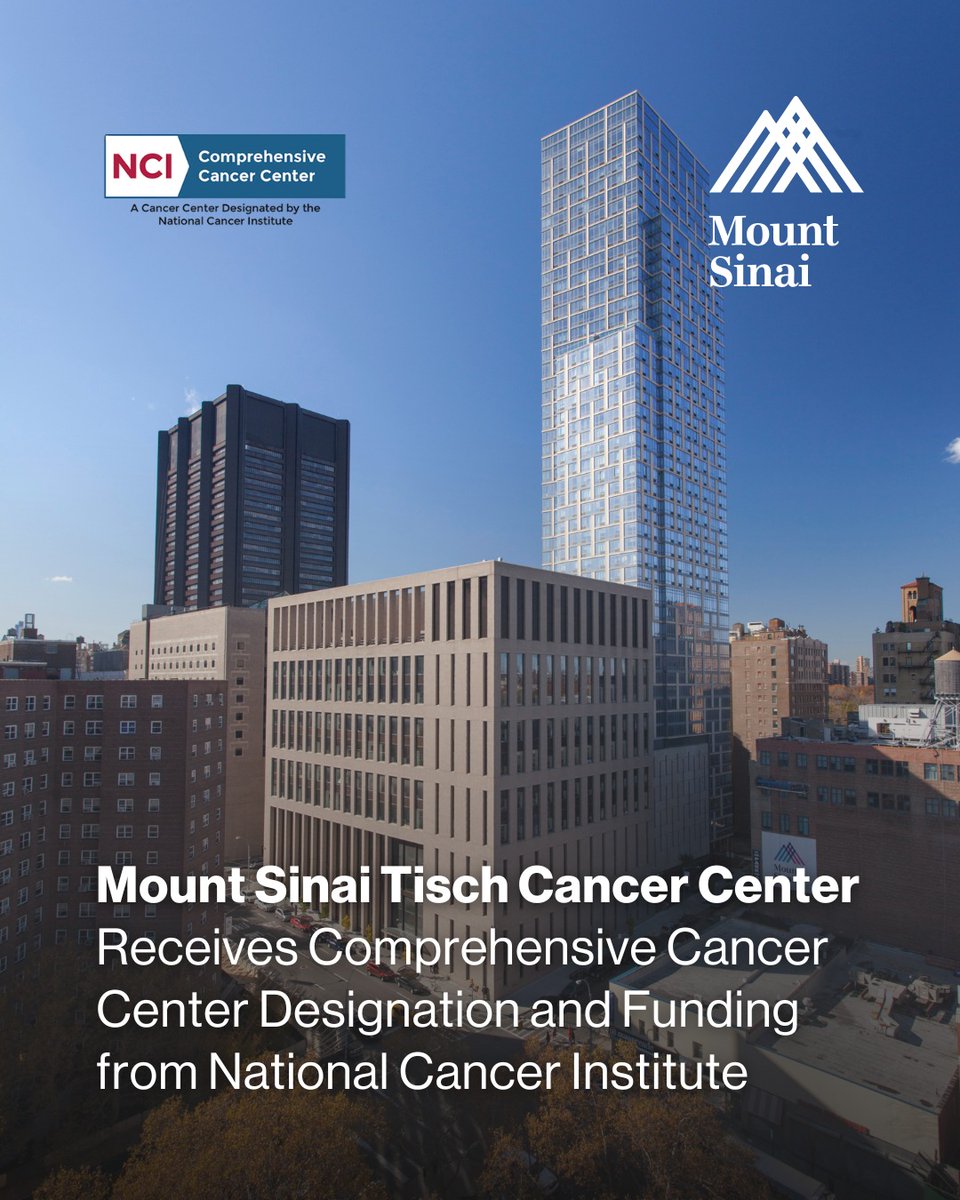
Thrilled to share our good news: The Mount Sinai Tisch Cancer Center is now a NCI-Designated Comprehensive Cancer Center, affirming the depth of our cancer research and scientific discovery, clinical excellence, and commitment to health equity.
https://t.co/bHg4MPi43k @theNCI