VIII Congreso de Bioquímica y Biología Molecular de Bacterias
Aguascalientes, Aguascalientes. Octubre 2025
Gracias a la organización de @bacteriasmb , excelente reunión
🧫
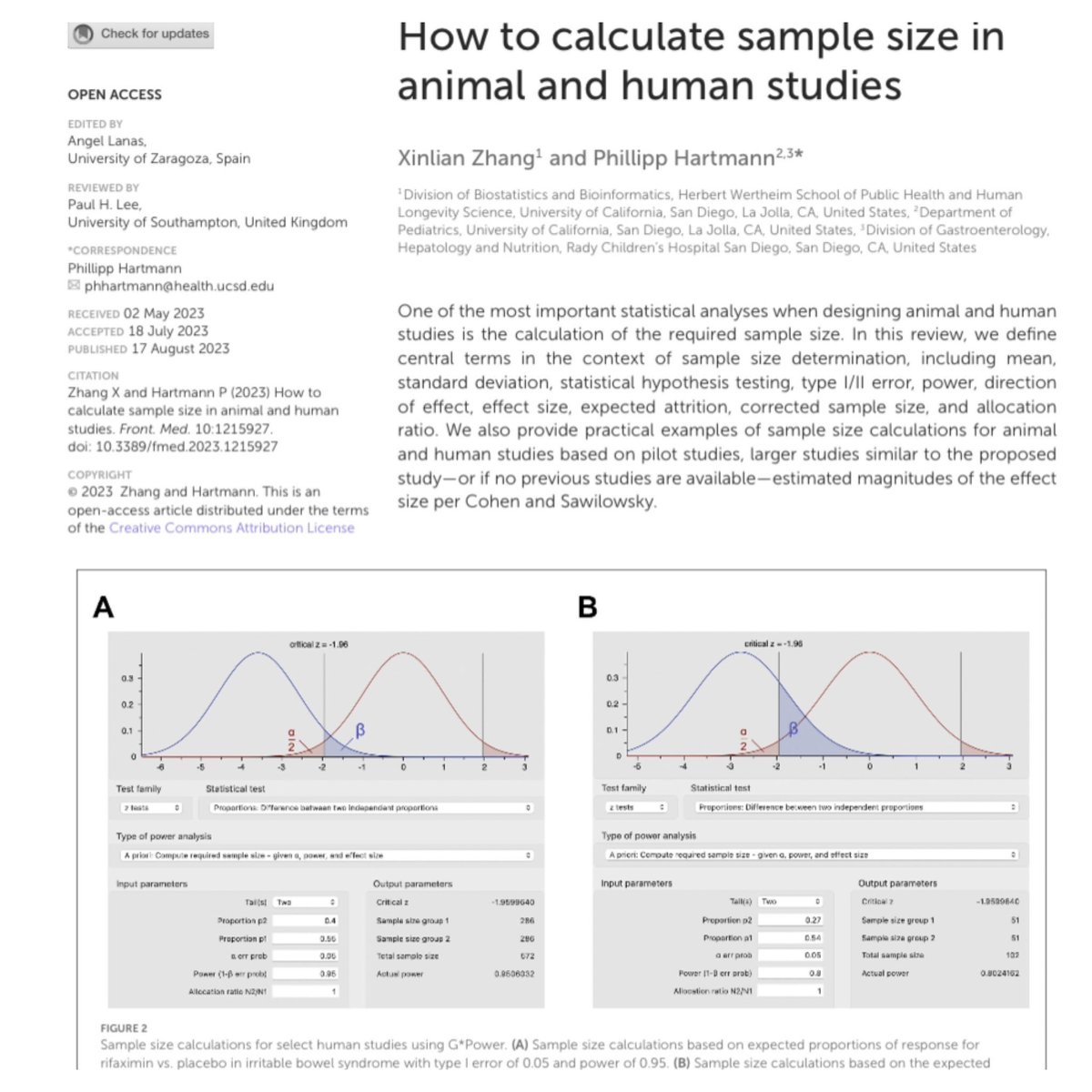
🔬 Mini Guía: Cálculo del Tamaño de Muestra en Estudios Científicos 🔍
1. Introducción: El tamaño de muestra es crítico en la investigación. Demasiado pequeño y los resultados carecen de poder estadístico, demasiado grande y es costoso e innecesario.
2. Definiciones clave: Comprende conceptos como media, desviación estándar, hipótesis estadística, errores tipo I/II, poder y dirección de efecto.
3. Herramientas de prueba: Usa pruebas estadísticas para comparar grupos. La elección depende de tu investigación: t-test, ANOVA, correlación, regresión, etc.
4. Errores tipo I/II: Controla el nivel de significancia (α) y la probabilidad de cometer errores tipo I (rechazar una hipótesis verdadera) o tipo II (aceptar una hipótesis falsa).
5. Poder estadístico: Apunta a un alto poder (1-β) para detectar efectos reales. Ajusta el tamaño de muestra en consecuencia.
6. Tamaño de efecto: Calcula el tamaño de efecto (Cohen's d, f², R²) basado en estudios similares o experiencia previa.
7. Atrición prevista: Considera las tasas de abandono en tu estudio y ajusta el tamaño de muestra en consecuencia.
8. Proporción de asignación: Si tienes grupos desiguales, calcula el tamaño de muestra en función de la proporción de asignación.
9. Herramientas de cálculo: Utiliza software como G*Power, R o Epitools para calcular el tamaño de muestra.
¡Con esta guía, estarás mejor preparado para diseñar estudios sólidos y obtener resultados científicos significativos! 📊👩🔬📈
Fuente: https://t.co/fEUsCGYNc3
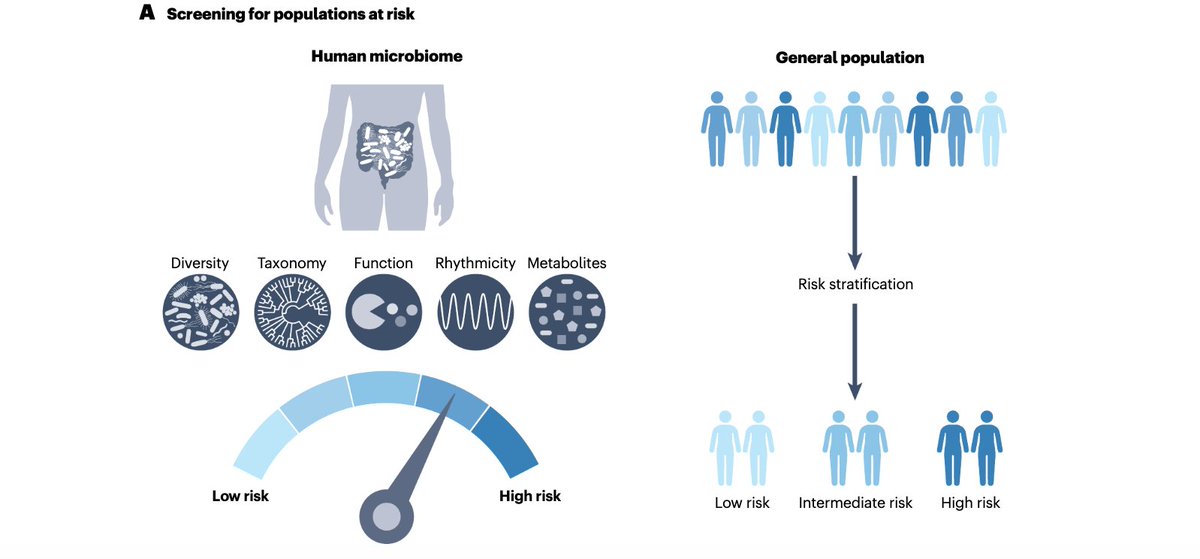
Microbiome can help in personalized medicine.
Elinav and colleagues explore the advantages, challenges and future perspectives of utilizing microbiome data in personalized medicine for patient care @NatureRevMicro:
https://t.co/DtQU8B2XRA
Our final issue of the year focuses on microbes and climate change
Yet microbiologists are missing from climate talks. @peixotors and others are working to change this at #COP28UAE
Read more here: https://t.co/9dsS2DrWc1
En días pasados estuvimos presentes en el congreso de #BBMB23 con el trabajo “Systematic analysis of antibiotic resistance genes of Enterobacteriaceae in clinical settings”. Cuatro días de mucho aprendizaje!! Nos vemos en dos años!
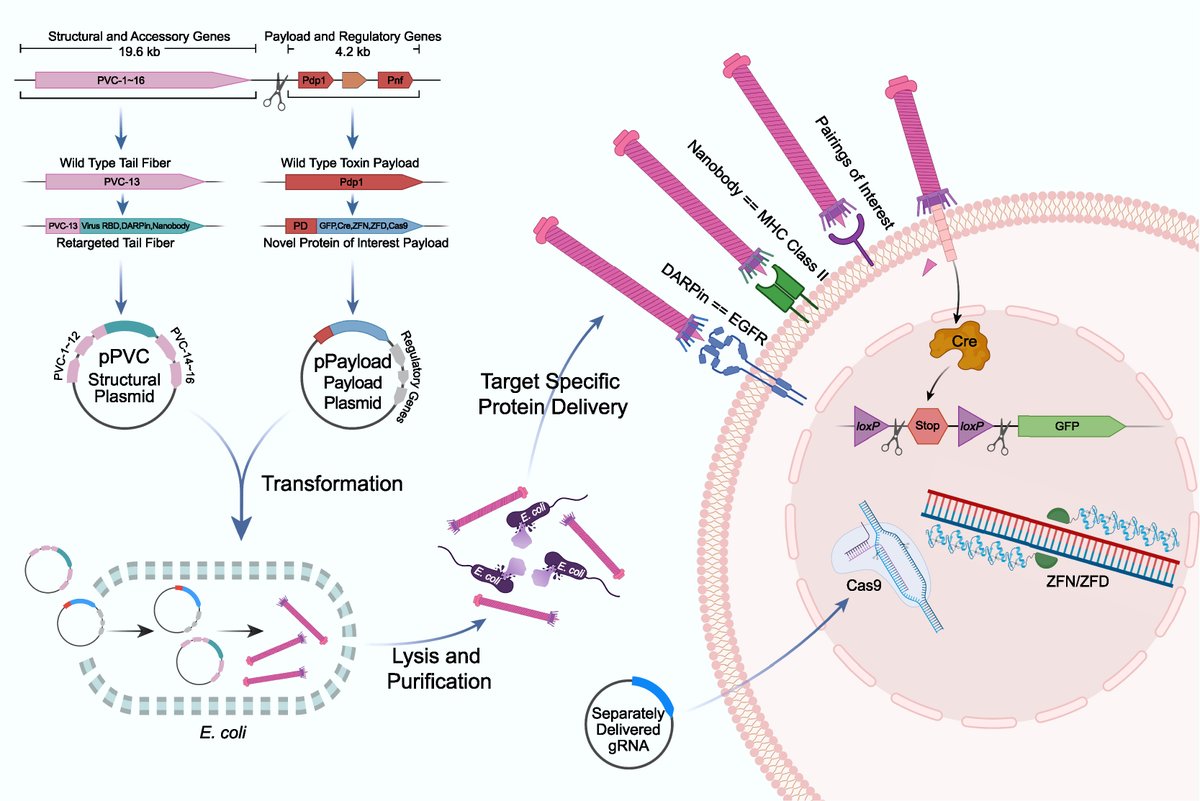
Bacterial molecular syringe for drug delivery. Lu & Cai highlight work of @kreitz_joseph@zhangf@Nature reporting syringe-like protein delivery vector engineered from natural endosymbiotic #bacteria for potential therapeutic & human use. https://t.co/lFTck2SYAM
The infant and maternal gut microbiota are defined by different Bifidobacterium species.
.@sligomicrobe, @pauldcotter & colleagues prove an invaluable method to detect lower abundance species/strains in infant and maternal microbiomes:
https://t.co/5LhdQTfLJ9
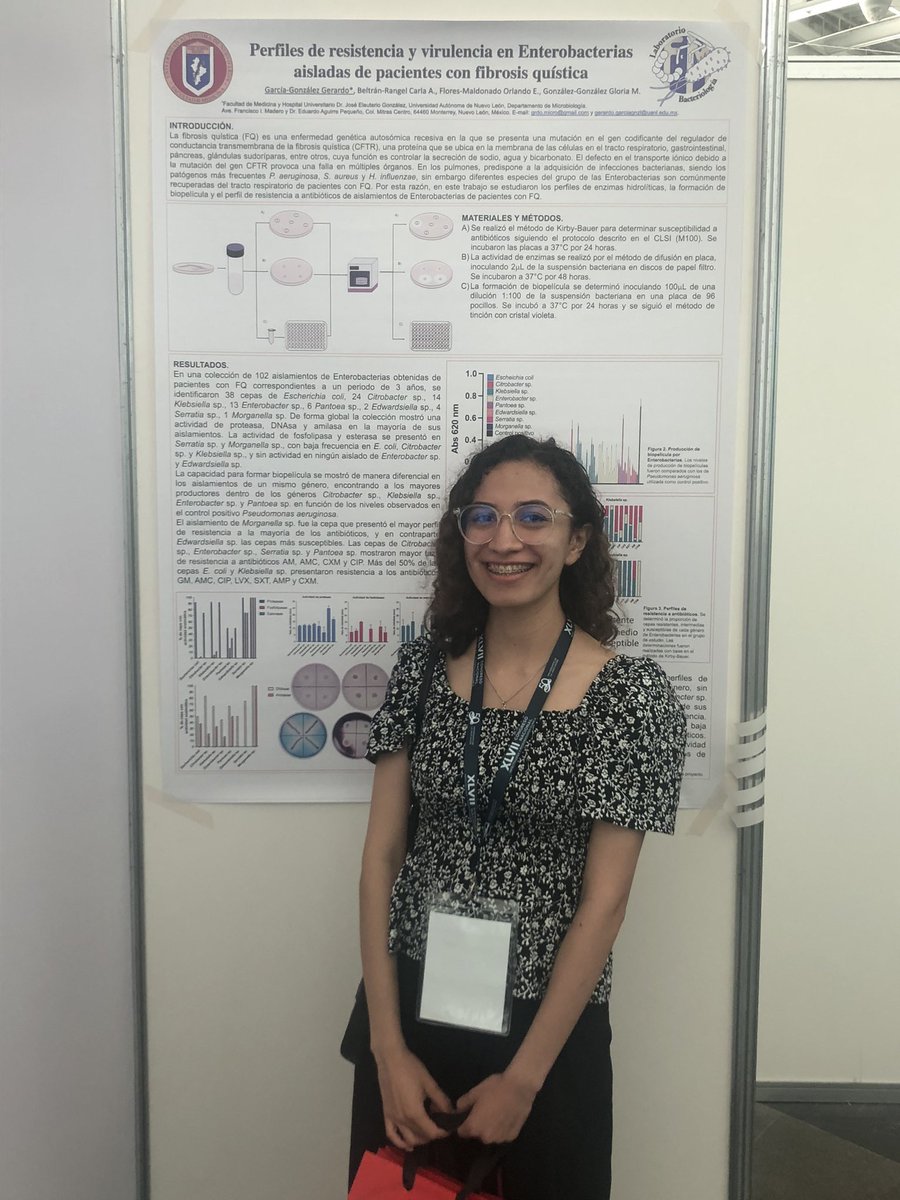
Participación en el XLVII congreso de la @AMIMC8 en la categoría de microbiología clínica con el trabajo titulado “Perfiles de resistencia y virulencia en Enterobacterias aisladas de pacientes con fibrosis quística”.
Nos vemos el próximo año!🧫 #labdbacter
Antibiotics with novel mode of action as new weapons to fight antimicrobial resistance https://t.co/4te8BEZjfo - nice review by @NicolasWilland et al that includes #ibezapolstat (#Acurx).
“Your purpose as a scientist is to make discoveries and gift them to humanity. And those discoveries and that knowledge stays with humanity long after you are gone.”
- Carolyn Bertozzi on the scientist's purpose in our new podcast episode
Listen here: https://t.co/ruIcNXlYd4
Bacteriophages of the human gut microbiome have been largely ignored.
This review updates the current knowledge of bacteriophage disinfection methods, new technologies and approaches:
https://t.co/X8uSa6QCAJ
Phage accessory proteins are not necessary for replication in all hosts but might counter bacterial defense systems/promote exclusion from superinfection/other unknown functions. Here we did large-scale AP-MS to better understand their molecular context.
https://t.co/a2bpYa87wc
I am excited to share with you the final version of my work @SorekLab studying
💠How bacterial immune systems sense phage infection💠
Published now in @CellCellPress🍻
https://t.co/HZYdOoHc5f
See thread below for a recap and highlights added during the review process ⬇️
1/11
Teaching students to interpret data and write their first scientific paper can be hard!
Our new publication provides all the materials you need to teach these skills in graduate or upper-level undergraduate courses. 1/
https://t.co/1d8QWHRRjn
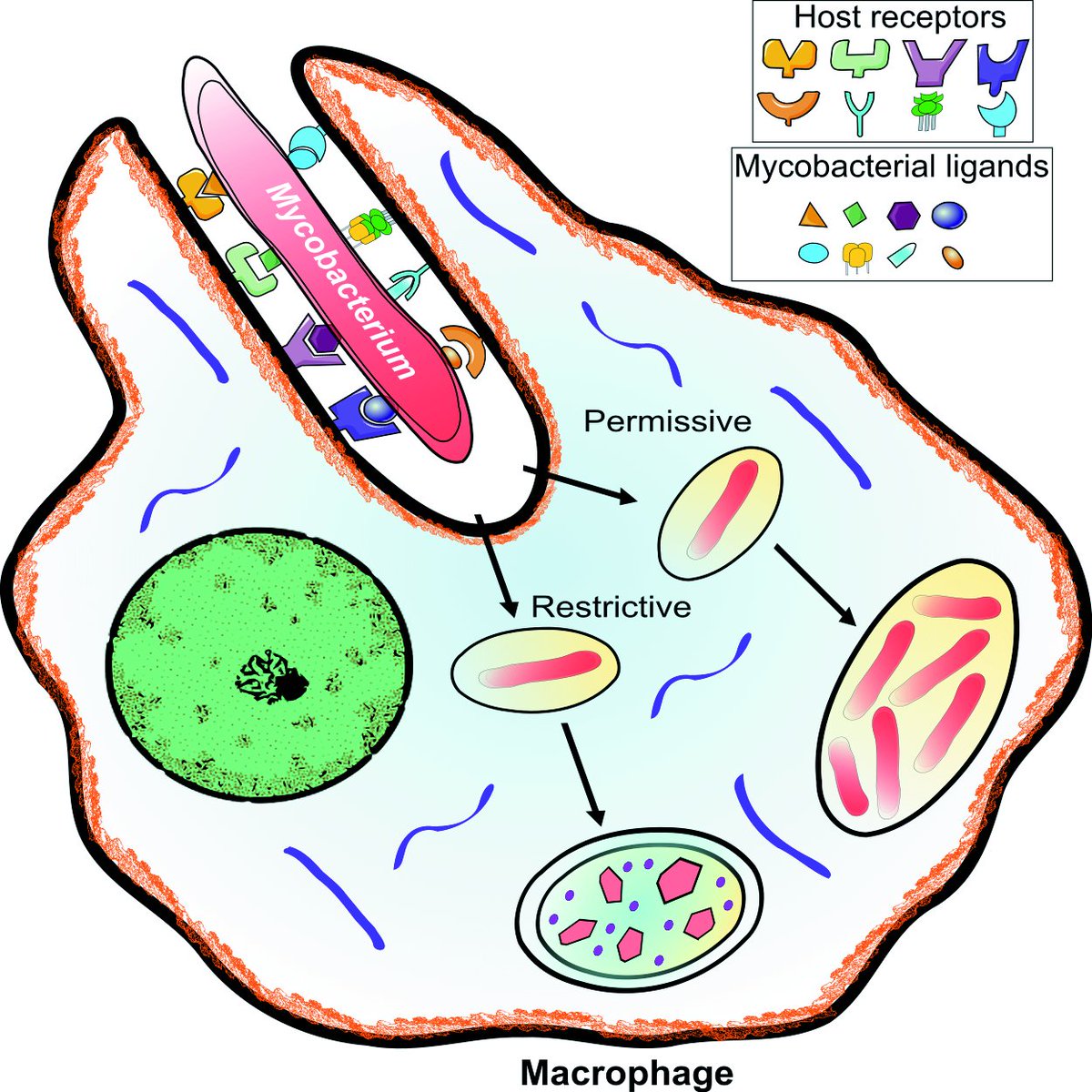
Excited to share our last review on the molecular basis and downstream immune consequences of mycobacteria-host cell interactions. Congrats to W Daher, J Karam and @VirginiaPichler. Great discussions with @ONeyrolles.
https://t.co/vTRZ031ma4