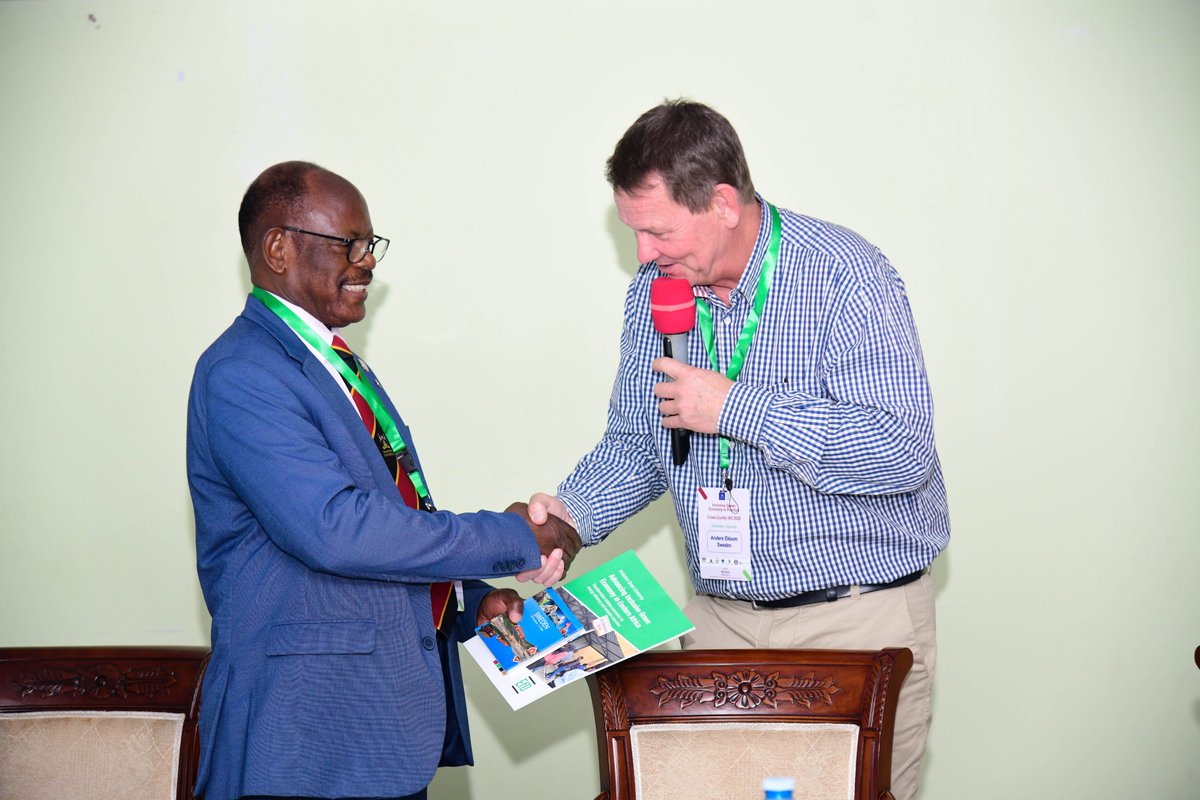
Dr Nicholas Kilimani, a researcher @MakCoBAMS & @EfD_MakCentre, presents: The Inclusive Green Economy program that trains senior government officials on various environment & climate matters to Hon. Minister of Science, Technology & Innovation (@EngJonard) @Makerere Exhibition.
The Panel concurred that, productive energy must be; climate-smart, affordable,feasible, reliable & culturally acceptable then also design clean tech that truly serve smallholders & deliver real value for money.
@EfD_MakCentre@musabodygroup@UECCC1@IDRC_CRDI@DeborahTusingw4
The U.S. dumped 500,000 tons of oyster shells into the ocean in 2007 - Nearly two decades later, they have created a thriving habitat for thousands of marine species - AS USA https://t.co/KDCtqRQUeP
France has introduced one of the world’s toughest environmental laws by criminalizing “ecocide” under its Climate and Resilience Act.
The new legislation allows courts to impose severe penalties on companies and executives responsible for severe and lasting damage to air, water, or soil. Convicted offenders can face fines of up to €4.5 million, or up to ten times the profits gained from the violation, along with prison sentences of up to 10 years.
This marks a significant cultural and legal shift, elevating environmental protection to the same level of seriousness as threats to public safety or human life.
The law is part of a growing international movement, driven by activists, scientists, and legal experts, to treat large-scale ecological destruction as a serious crime rather than a mere business cost.
While some critics worry the law may prove difficult to enforce, it reflects a broader recognition that the health of the planet’s ecosystems is essential to human survival.
This side of Uganda is the simplest way to evaluate the potential of how productively Uganda can be.
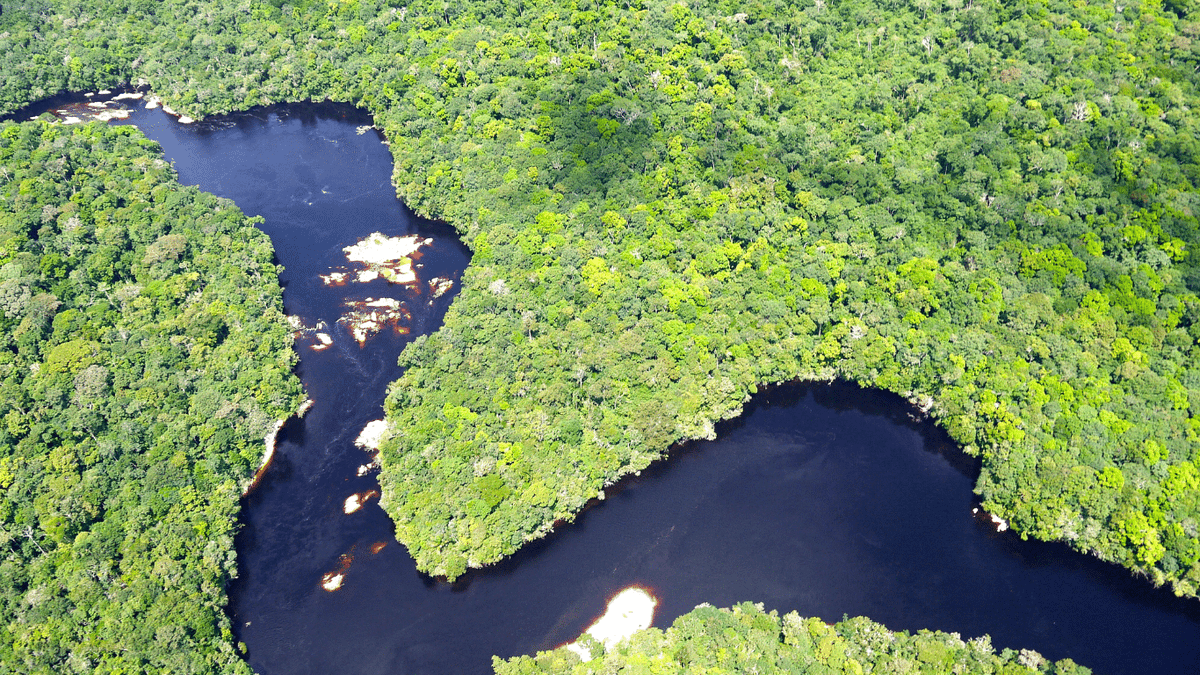
As a seasonal forester, my hope is to see these natural forest concessions remain intact because I am sure the complexity of their biodiversity can't be replicated by monoculture plantations.
For Eucalyptus and Pine plantations, those are the reasons we can build more homes in the next 100 years. If you plan to grow trees, make sure you don't disturb any indigenous trees that you find near your commercial forestry project.
It's not good morals to cut down forests in the name of planting crops or coffee. If you are doing it, you are endangering the future of coming generations.
South Korea has built more wildlife crossings over highways than any other country per mile of road. Vehicle-wildlife collisions on highways with overpasses have dropped by over 90%. The cost-benefit is there. We need 10,000+ more.
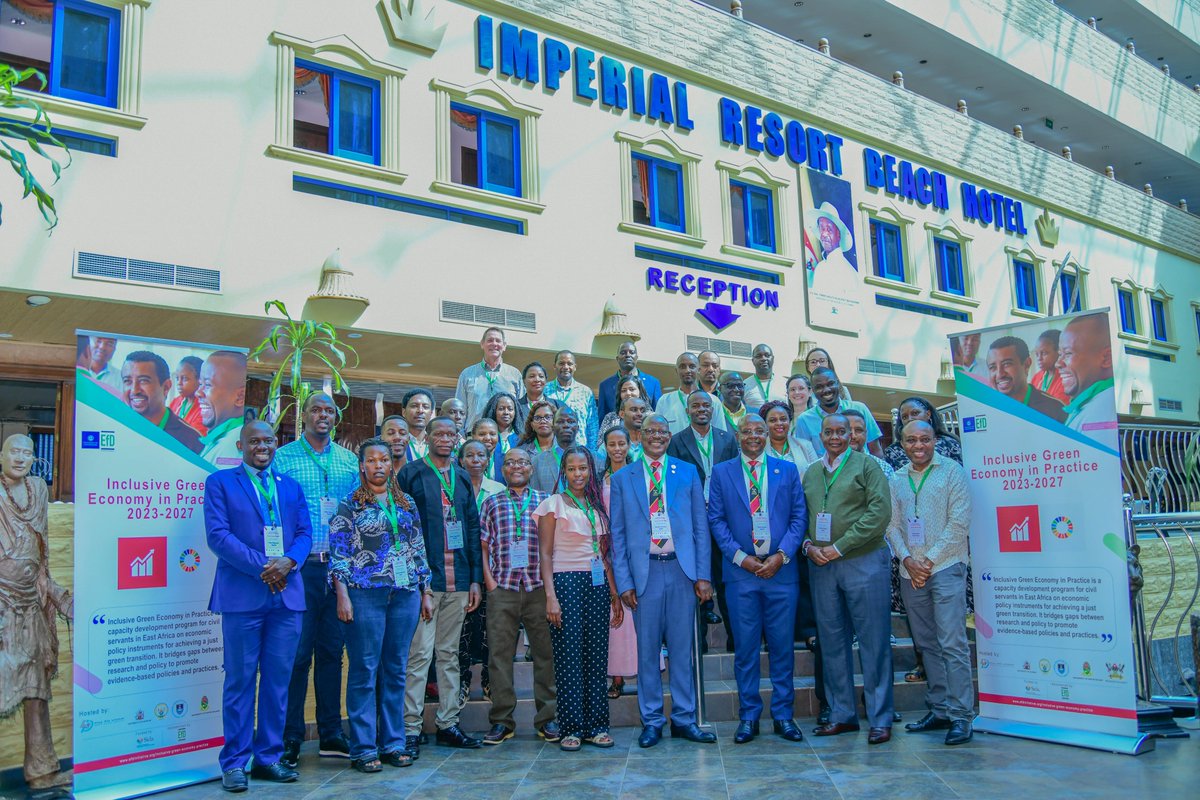
Yesterday, Vice Chancellor @profNawangwe officially opened the Inclusive Green Economy (IGE) in Practice conference. The IGE program is a regional capacity-building initiative targeting senior civil servants and policymakers from Uganda, Kenya, Tanzania, Ethiopia, and Rwanda.