📢The CHMP recommends authorising a new treatment for early #AlzheimersDisease in the EU.
Leqembi is intended for treatment of mild dementia and cognitive impairment in a restricted patient population with a specific genetic make-up.
👉 https://t.co/0rUpn7K7ri
🚨NEW PAPER ALERT 🚨 Our paper just got published in @ImmunityCP ! From Munich with 🥨 Check it out here: https://t.co/CSmlm3EJ0r @Seiji_Kaji, @StefanBerghoff, Mikael Simons #apoe#Alzheimers#microglia 1/9
🚨 Just out in Theranostics: ☢️ we developed a new microglia specific Cu64-labeled TREM2-PET radiotracer ☢️ importantly this antibody based tracer has an integrated brain shuttle system (hTfR) to cross the blood-brain barrier. https://t.co/14bpnFmuRM #Theranostics
Wir sprechen in der neuesten Resonator-Podcastfolge über den aktuellen Stand der Alzheimerforschung. Zu Gast ist Christian Haas vom @DZNE_de und es geht auch um neue Medikamente.
Ganze Sendung: https://t.co/JkZ3v3Nca1
#Alzheimer#DZNE#Lecanemab#Podcast
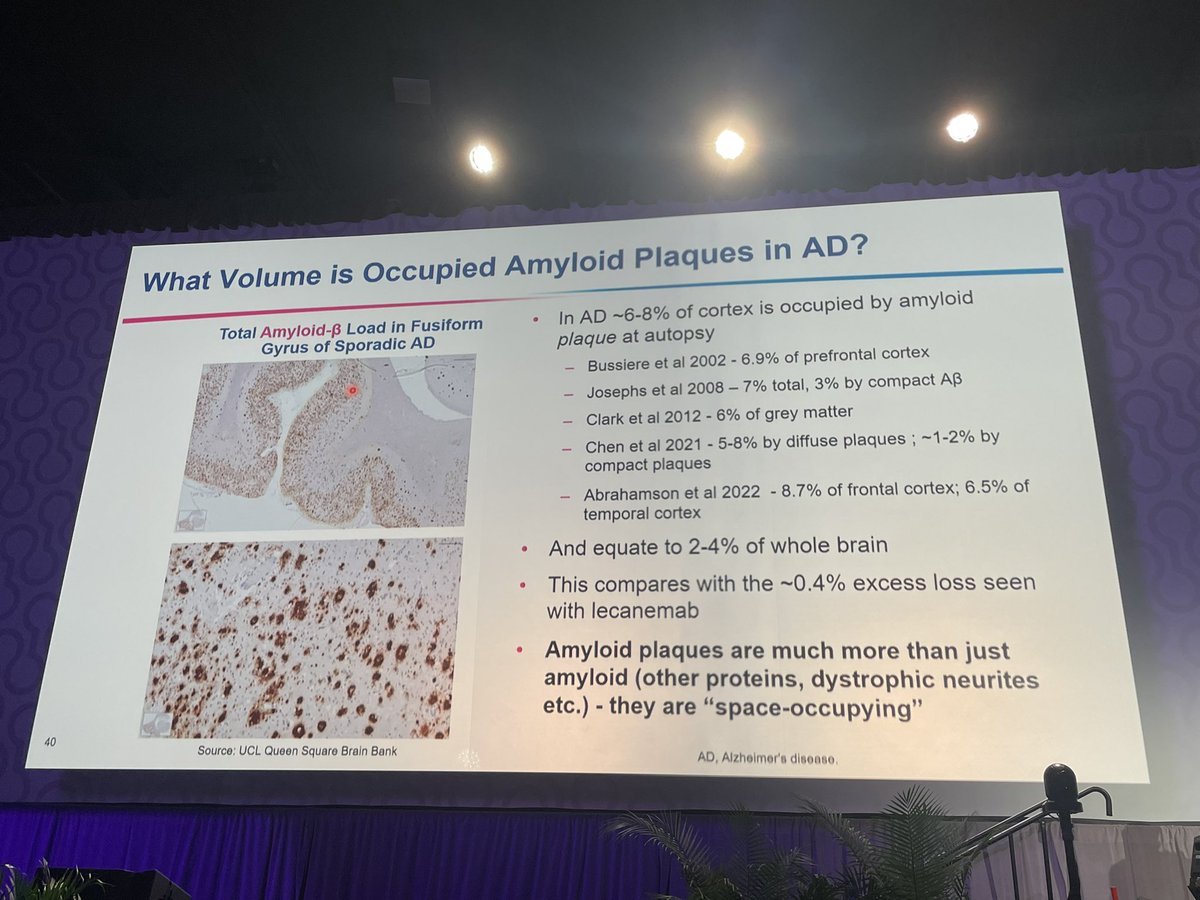
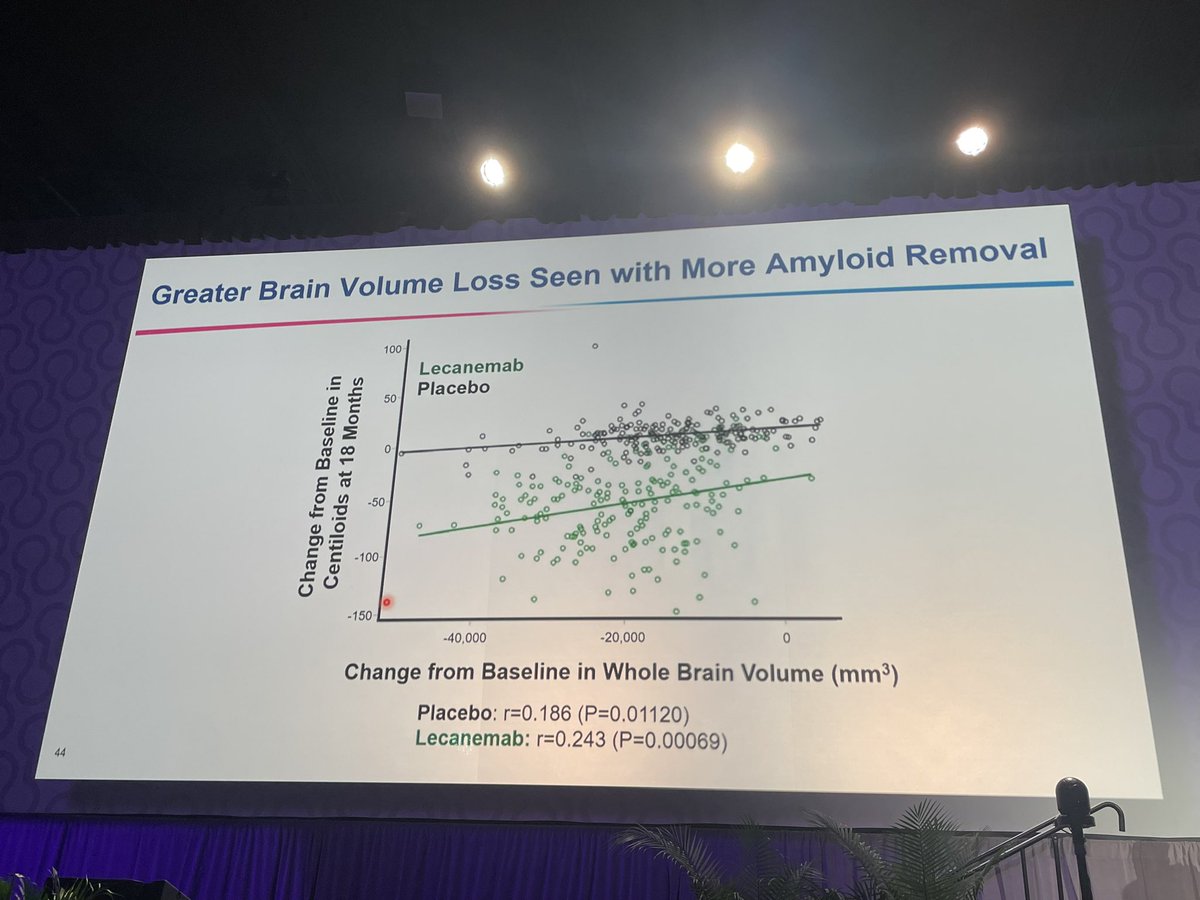
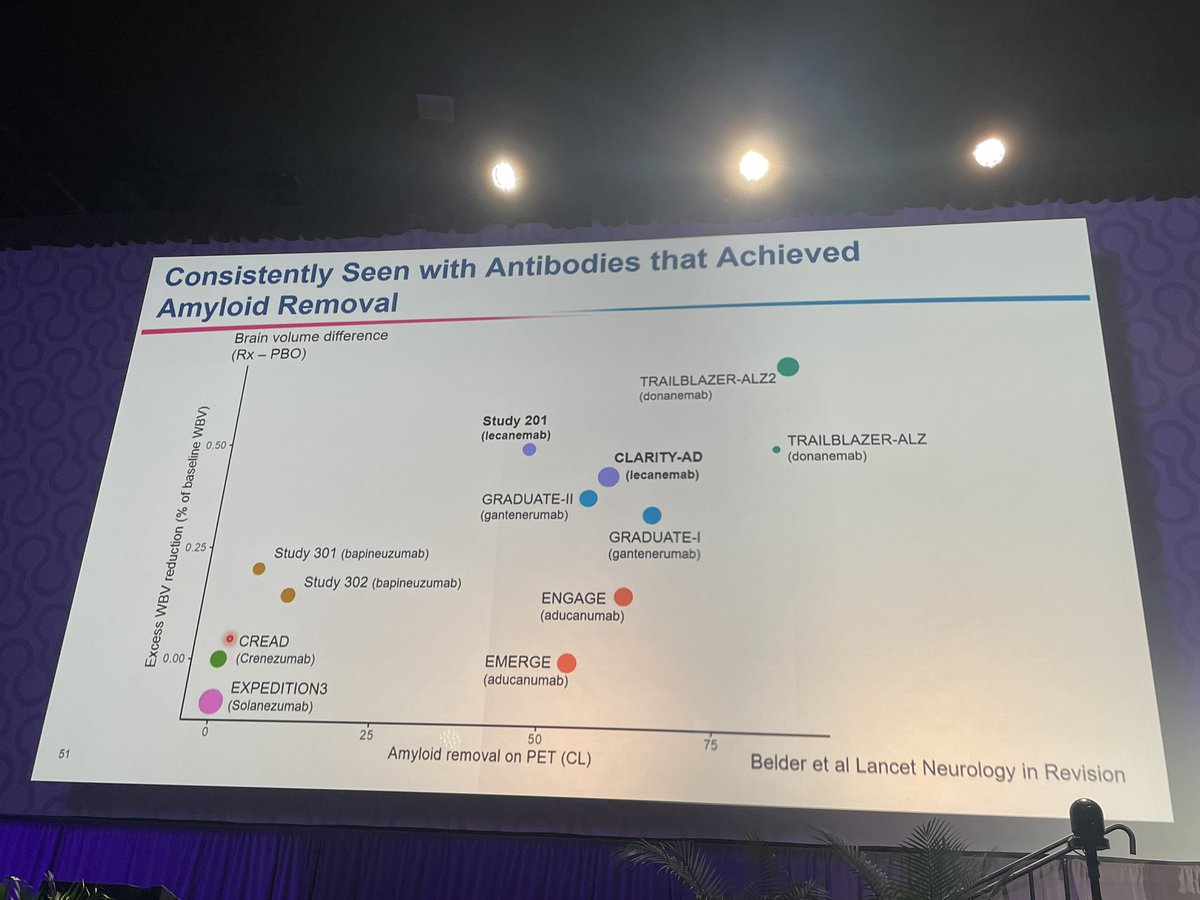
Nick Fox making the case that excess brain volume loss associated with Lecanemab (or other effective mAB’s) is associated with the removal of “space-occupying” structures, as amyloid plaques occupy ~6-8% of the cortex in autopsy studies. #AAIC24
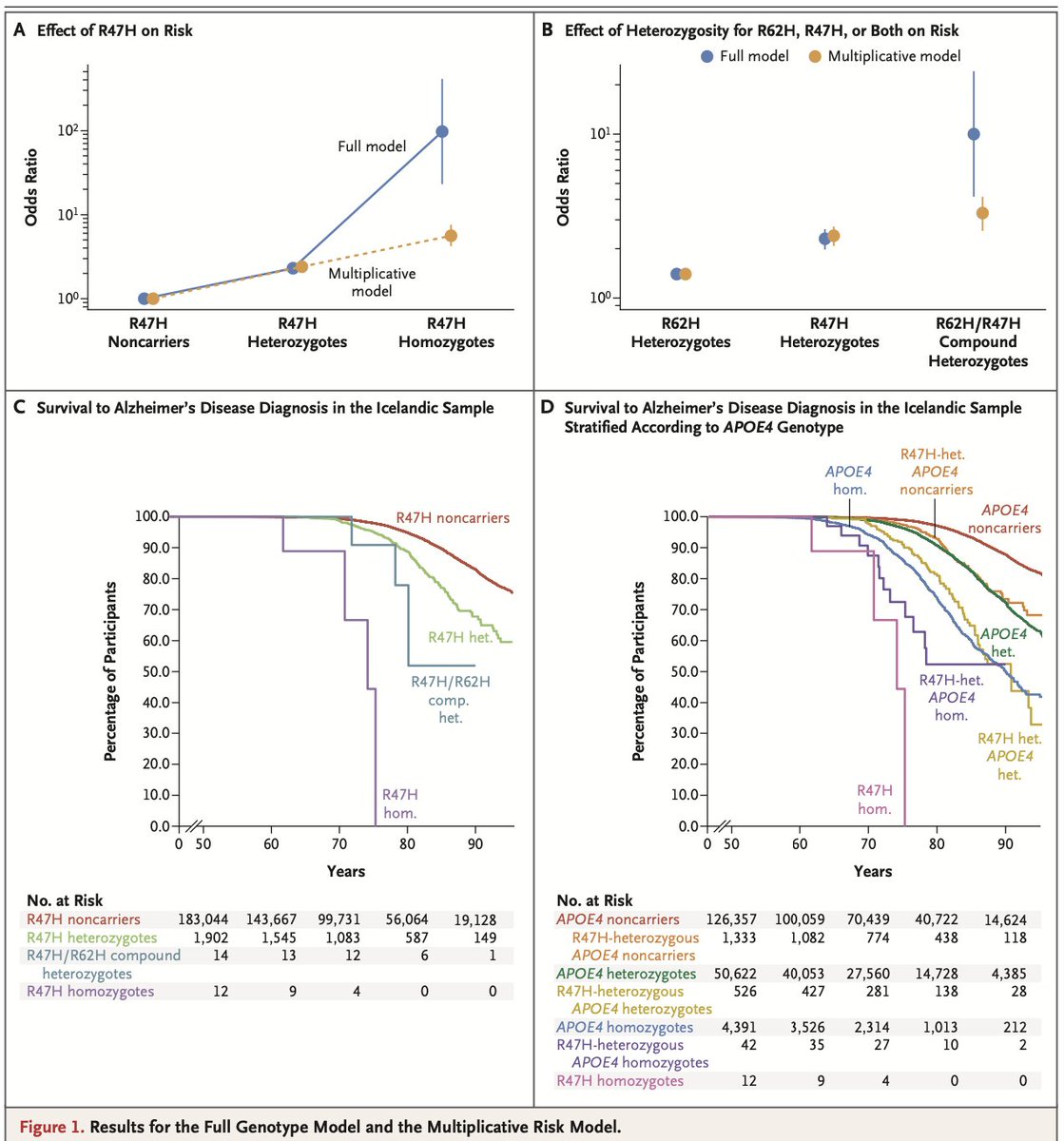
Homozygosity for R47H in TREM2 and the Risk of Alzheimer’s Disease
Another AD-relevant publication @NEJM this week.
TREM2 variants like R47H may induce partial loss of function by interfering with binding of ligands such as low-density lipoprotein (LDL), apolipoprotein E (ApoE),
and clusterin (CLU). R47H homozygosity:
1⃣ Does not contribute to Aβ overproduction but instead disrupts Aβ clearance
2⃣ Leads to the accumulation of amyloid plaques
3⃣ Is associated with a high risk of symptomatic Alzheimer’s disease (OR=97.1; 95% CI=23.5-401.1).
Conclusion: "The high risk in R47H homozygotes underscores the necessity for early intervention if treatments such as Aβ-removing antibodies are shown to have efficacy at the preclinical stage."
Link to paper > https://t.co/xIJg6Rnqq8
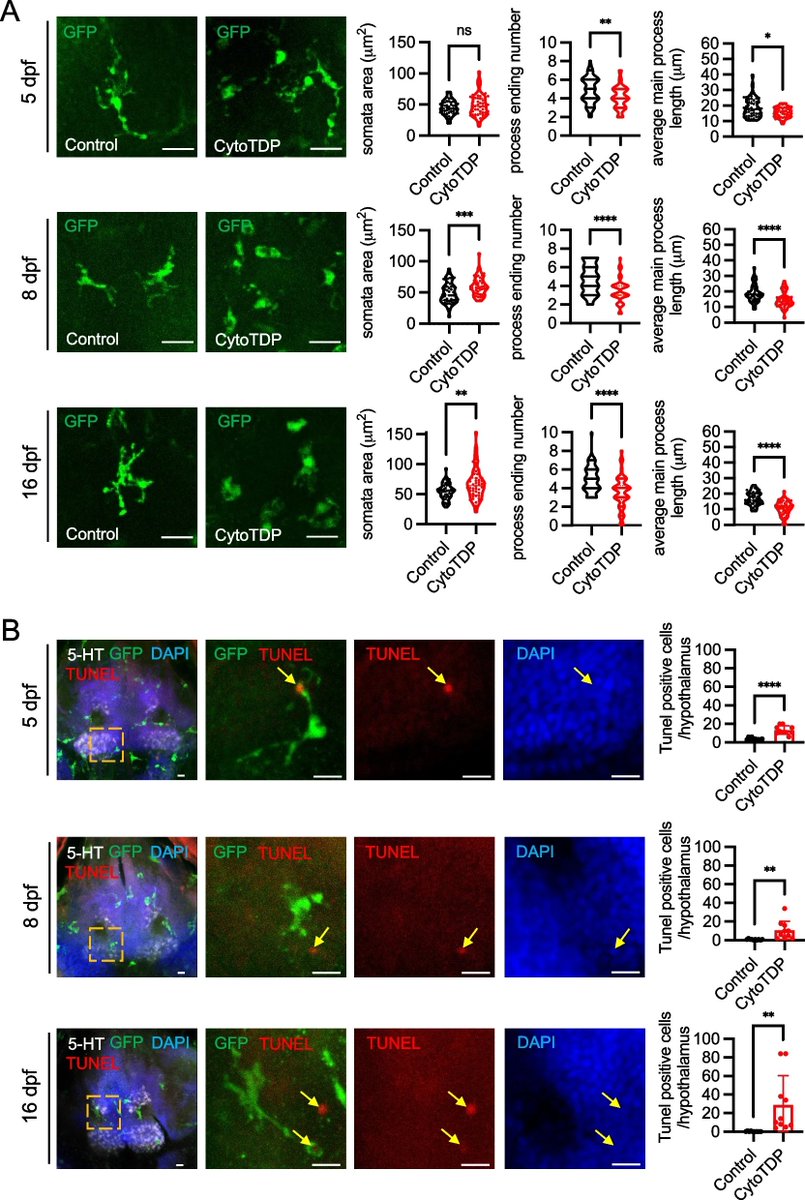
'Mis-localization of endogenous #TDP43 leads to #ALS-like early-stage metabolic dysfunction and progressive motor deficits'
Yiying Hu, Alexander Hruscha, Chenchen Pan...Bettina Schmid @DZNE_en @SyNergy_Cluster
https://t.co/j7XCVJF0Ve
Interested in translational science? 🧪 Our team at #DZNE Munich is seeking a technician for the GA-VAX project. Your work could directly contribute to clinical trials with #C9orf72#ALS patients. Apply now and join our team! #Jobs#Research
https://t.co/qDSNZefM5D
In summary, we show that a novel therapeutic approach of single-dose peripheral AAV-induced delivery of a brain penetrant biotherapeutic molecule, can replace PGRN protein levels in the brain and ameliorate disease-relevant phenotypes! (8/8)
Can we achieve protein replacement in the brain using a single dose gene therapy approach, without infecting the brain? Yes we can! Read it here in our latest paper by @marvin_reich in collaboration with Denali Therapeutics https://t.co/Url2eTyRk1 (1/8)
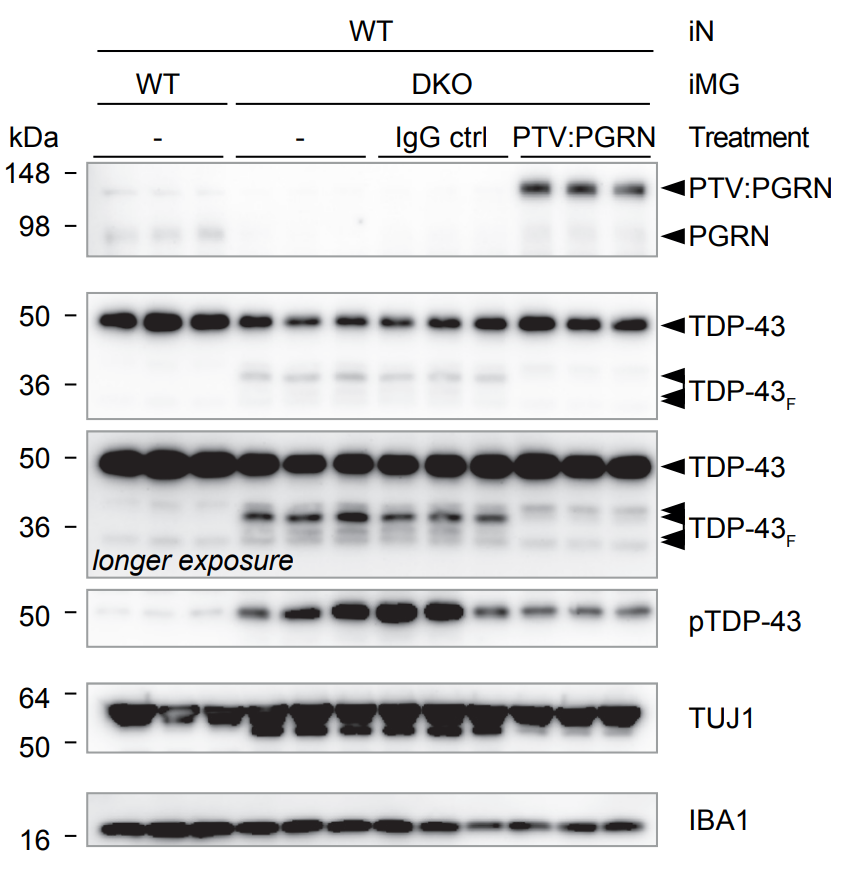
What about a human model system? To assess this we also created a novel human TMEM106B/GRN DKO iPSC model that recapitulates TDP-43 pathology, neurodegeneration and lysosomal abnormalities – all phenotypes can be rescued by treatment with PTV:PGRN (7/8)