Calling something “human-wildlife conflict” can make it sound like humans and wildlife showed up to a meeting and mutually agreed to fight.
Usually, one species expanded into the other's habitat. Guess which one has bulldozers?
Walk-in interview: Project Assistant in Centre for Climate and Environmental Studies at IISER Kolkata.
Title: Ecological monitoring of restored mangrove patches and sustainable
management of integrated mangrove aquaculture
US delegation leaving Pakistan with “no deal” after just 21 hours of talks.
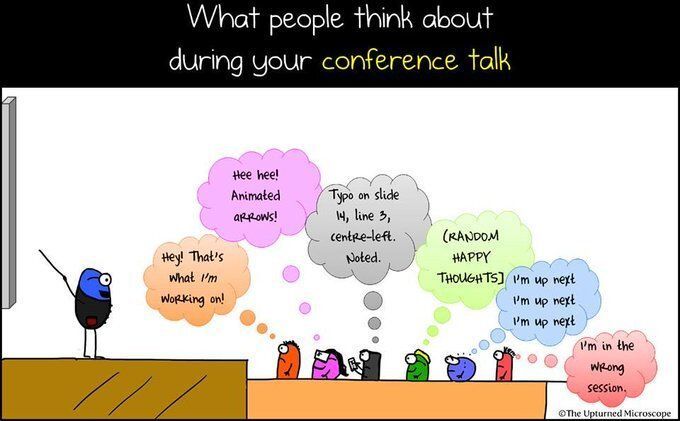
Academics waiting a full year in peer review just to get rejected with “the paper is interesting, but…”🤣
#academictwitter#phd
The Strait of Hormuz has been closed for 8 days. Everyone thinks this is about oil. This is about what oil becomes. 92% of the world's sulfur comes from refining oil and gas. Close the Strait of Hormuz and you don't just lose 20 million barrels of crude per day. You lose the feedstock for sulfuric acid, the single most produced chemical on Earth. Sulfuric acid is how we extract copper. It's how we extract cobalt. Without it, you can't make transformers, EV batteries, or the substrates inside every data center on the planet. One chemical, made from one feedstock, shipped through one chokepoint. The cascade goes further: Qatar ships 30% of Taiwan's liquefied natural gas through Hormuz. Taiwan has 11 days of reserves left. TSMC, the company that makes 90% of the world's advanced chips, draws 8.9% of Taiwan's total electricity. No gas, no power, no chips. Then food. 33% of the world's nitrogen fertilizer feedstock moves through the Strait. Half of all humans alive today exist because of synthetic nitrogen. Sulfur, semiconductors, food. That makes three supply chains, one 21-nautical-mile chokepoint, and zero domestic alternatives at scale.
📢📢Just Out!!
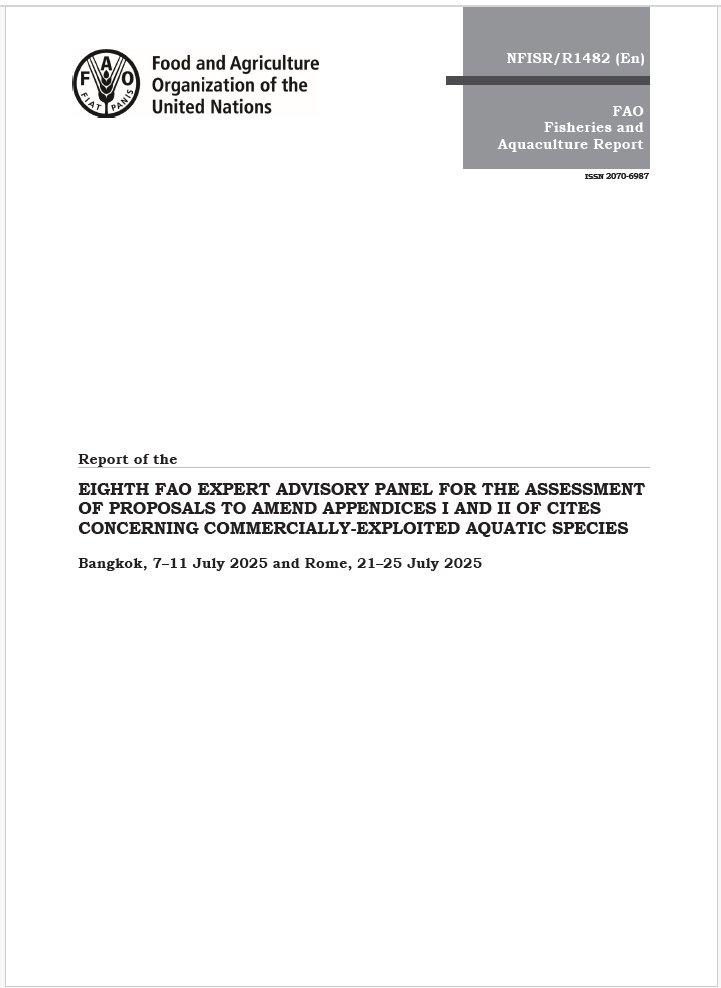
The 8th FAO Expert Panel Assessment of @CITES#CoP20 Aquatic Species Proposals is published!!
Which Commercially Exploited Aquatic Species (#shark; #eel; #abalone; #echinoderms) Meets CITES Appendix I and II Listing Criteria?
Link: https://t.co/M6w58cl0xK
Auburn Fisheries is looking for a PhD scientist w/ genomics expertise to help w/ the Southeastern Cooperative Fish Genetics Project
https://t.co/G7BEVwanEp
The scientist will work w/ agencies to genotype fish & manage natural resources better. Come help grow this thing!☝️🐟🎣
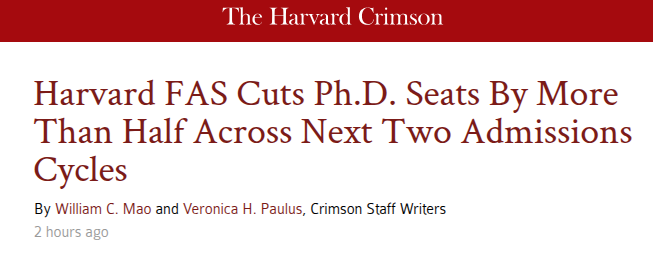
🚨Breaking: @Harvard just announced massive cuts to dozens of its PhD programs, citing “financial pressure.”
- Science PhD admissions reduced by more than 75%
- Arts & Humanities reduced by about 60%
- Social Sciences by 50–70%
- History by 60%
- Biology by 75%
- The German department will lose all PhD seats
- Sociology from six PhD students to zero
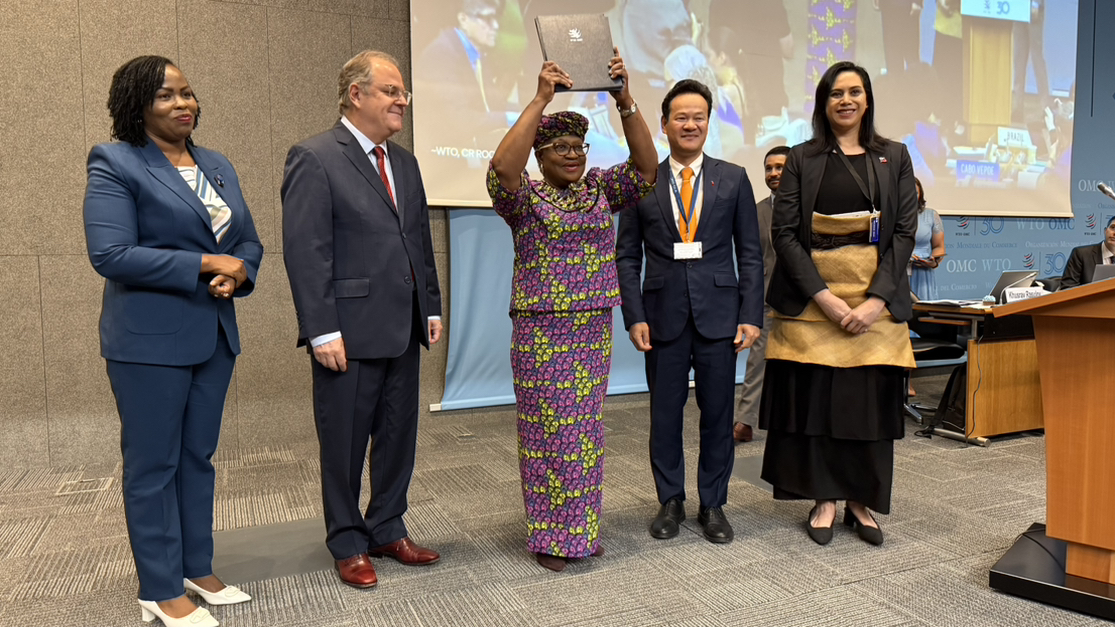
🌊It’s official: the WTO Agreement on #FisheriesSubsidies is now in force!
At a special General Council meeting, Brazil, Kenya, Tonga & Viet Nam accepted the Agreement, taking us over the two-thirds threshold.
The first-ever WTO deal on environmental sustainability is here!
India's first dedicated freshwater symposium led by early career researchers (ECRs) and for ECRs. Please join and circulate @WWFINDIA@wti_org_india@ncfindia@nature_org@fesforcommons @jeevitna
Link for registration: https://t.co/XiM4317Xja
Call for Abstracts is NOW OPEN for Sharks International 2026! 🦈
Help shape Sharks International 2026 - the world’s largest conference on sharks, rays, and chimaeras - taking place 4–8 May 2026 in Colombo, Sri Lanka.
🔗 More info: https://t.co/blIjOxqSmp
📸 Fabrice Dudenhofer