Ledger spy implants went from a bunch of wires manually soldered to mass production circuit boards made to blend with the official hardware.
https://t.co/oJ0S6mC2BK
$86M from "hundreds of wallets" is not a Ledger exploit. A Ledger exploit drains everything, instantly, not over weeks
this looks like a coordinated supply-chain attack on how seed phrases were stored — backups, screenshots, cloud, or a compromised third party. Ledger the device is fine. the operational security around it isn't
everyone blaming the hardware is missing the actual threat model
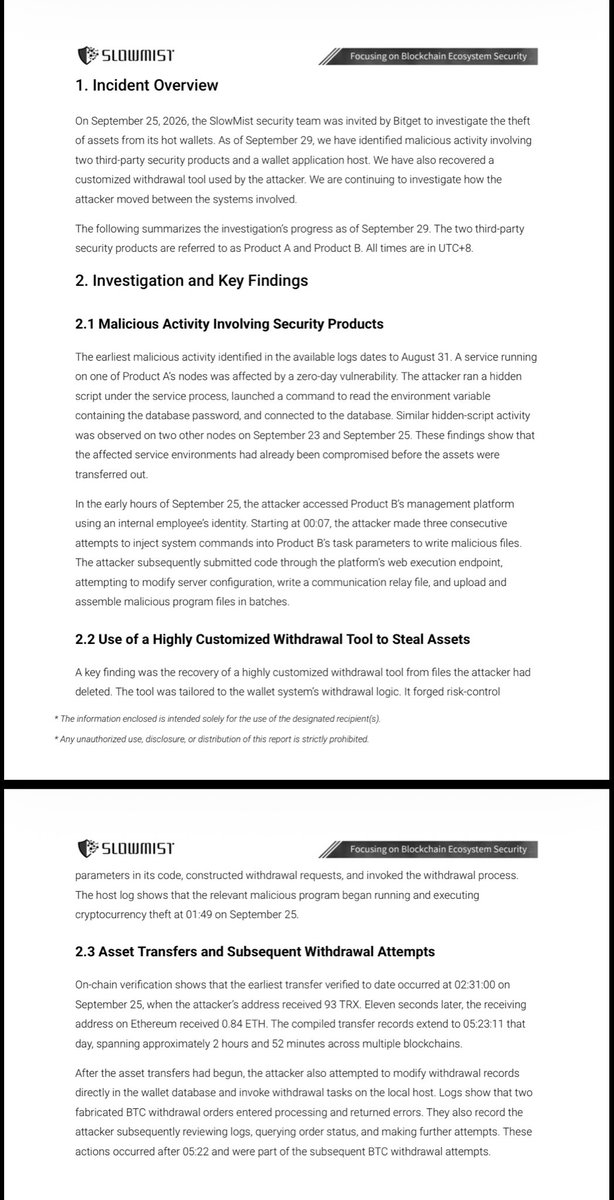
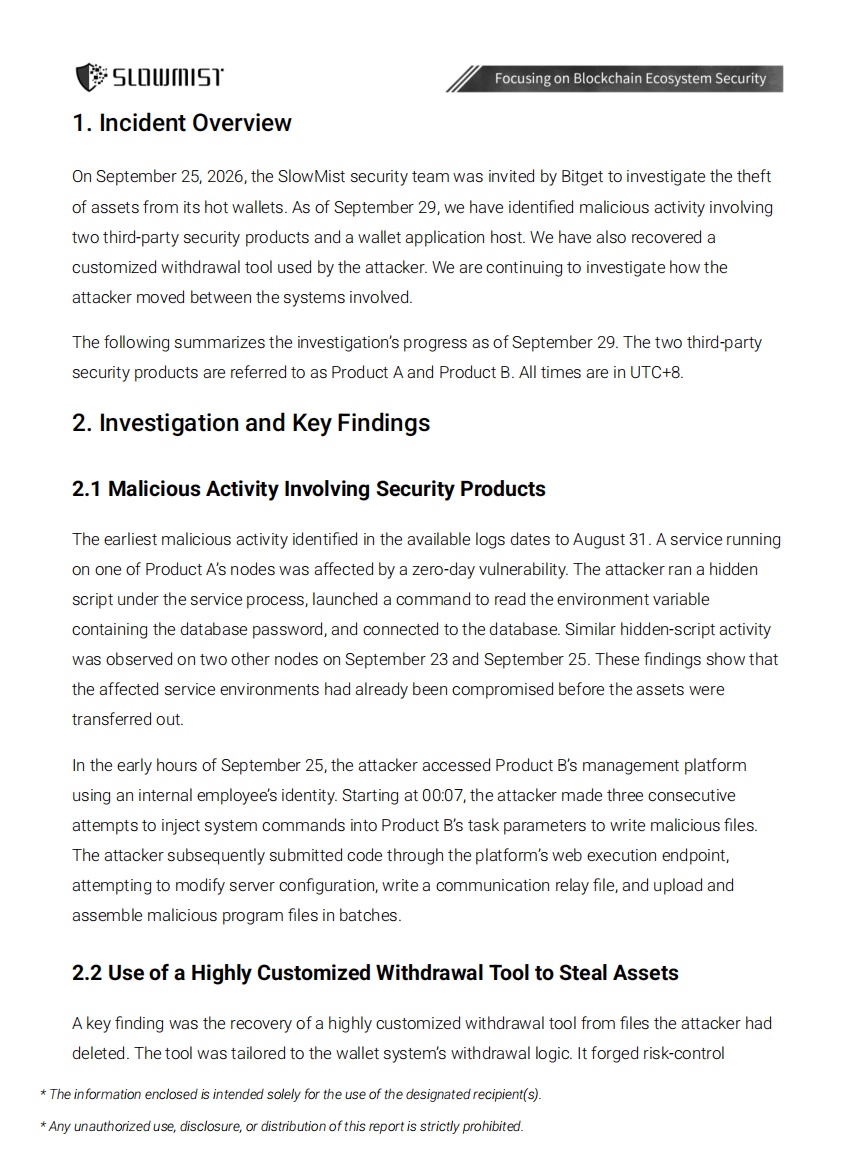
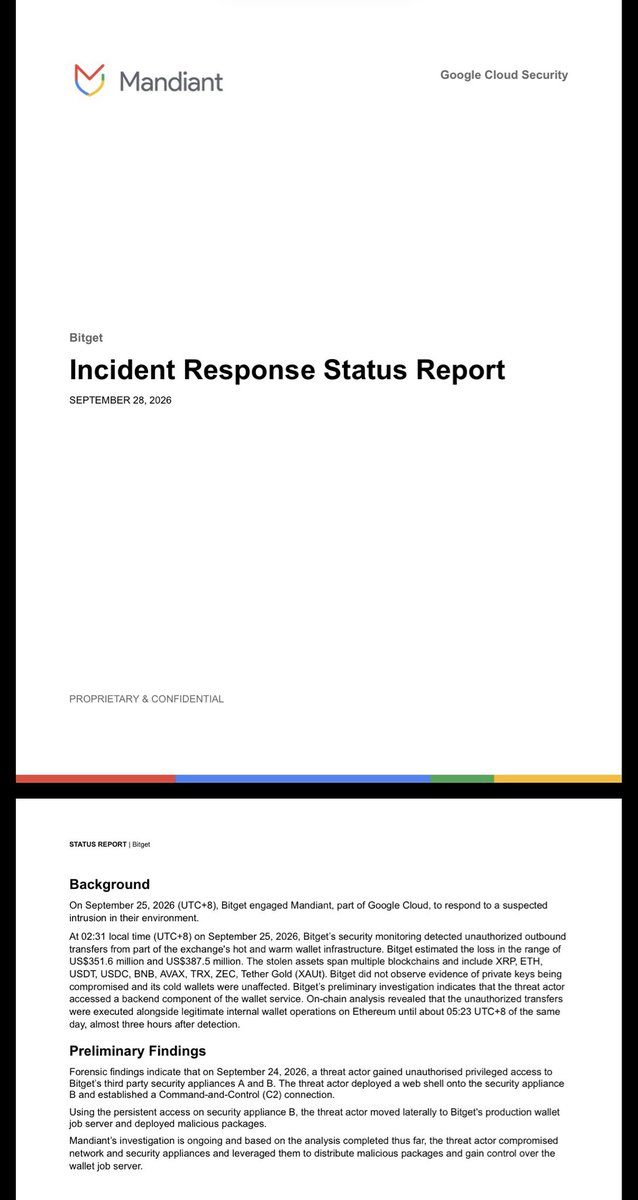
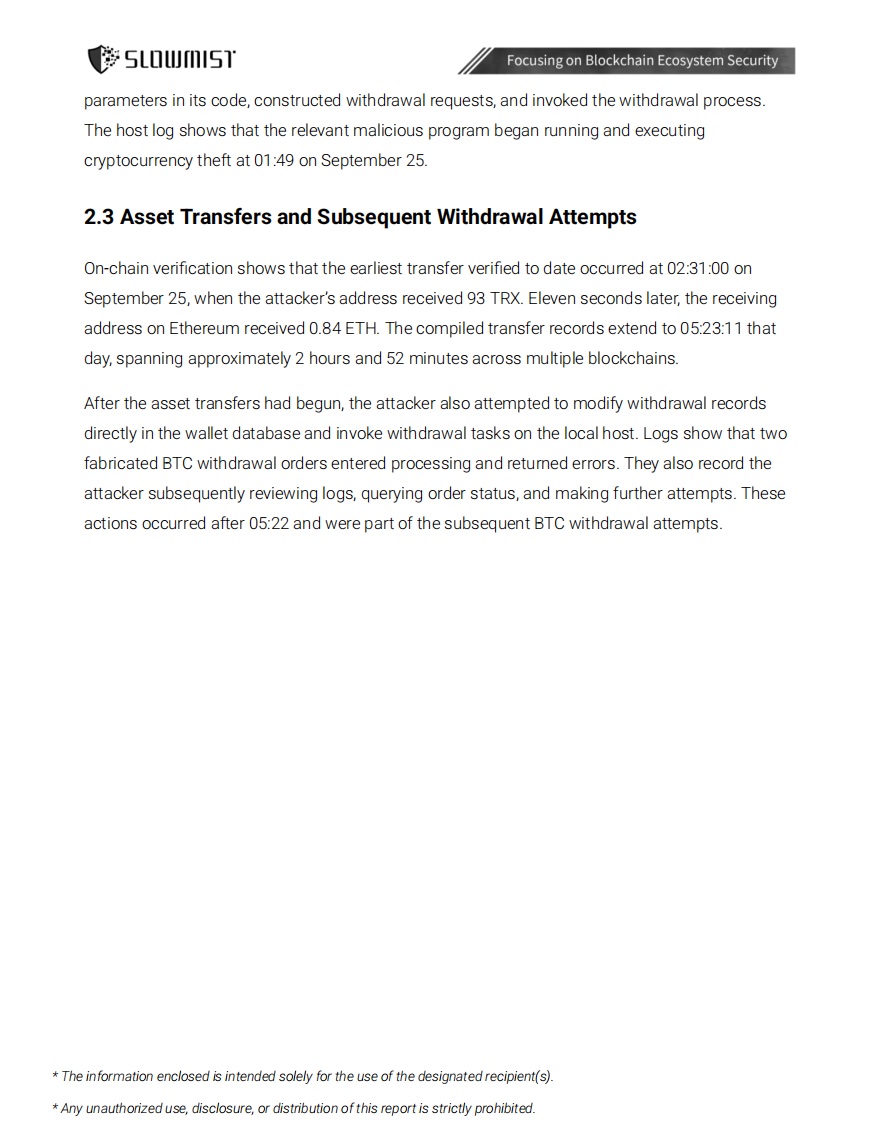
@bitget has engaged SlowMist’s security team to investigate the September 25 hot wallet asset theft.
As of September 29, our investigation has identified malicious activity involving certain third-party security products and a wallet application host, as well as a highly customized withdrawal tool used by the attacker.
🔎 Key findings include:
1. Malicious activity on a certain third-party product involving exploitation of a zero-day vulnerability.
2. Unauthorized access to a certain third-party products management platform on September 25 using an internal employee identity.
3. Recovery of a customized withdrawal tool designed to interact with the wallet system’s withdrawal logic.
4. On-chain activity begins at 02:31 on September 25, with transfers across multiple blockchains over approximately 2 hours and 52 minutes.
5. Subsequent attempts to manipulate withdrawal records and trigger additional BTC withdrawals.
We are continuing to investigate how the attacker moved between the affected systems.
All date references are to UTC+8.
📄 Read the details of the investigation:
https://t.co/vcbgBNBire
I bought a Fable dataset from one of the top Chinese LLM routers yesterday.
With just 6TB data, I can take over 7 Chinese/CIS gov entities & 19 top Chinese firms like Xiaomi, Huawei, NIO, Minimax using SSH keys, VPN configs, Aliyun keys, GitLab tokens sent to the router.
Zcash’s latest rally is a narrative bid. A big market cap does not mean a coin earned its place. Sitting near Solana and Hyperliquid on a ranking list does not mean Zcash does what those two do.
The launch was not fair. For the first four years, 20 percent of every block reward was taken as the Founders’ Reward. That money went to founders, staff, advisors, and early investors. It added up to 2.1 million ZEC, or 10 percent of the 21 million cap. Bitcoin paid miners. Zcash also paid a company and its backers. When that first cut was supposed to stop, a similar 20 percent cut came back as a “development fund”. A coin that writes itself into the block reward should not be sold as clean, neutral money.
The cut did not buy a real economy. Privacy was the sales pitch. Using it was optional. Open addresses stayed the easy path for exchanges and simple wallets. For most of Zcash’s life, most coins sat in the open. Optional privacy is marketing. Default privacy is the protocol. Management stayed a board fight: Electric Coin Company, the Foundation, Bootstrap, the brand name, the wallet, and who gets the cut. In January 2026 the whole ECC team left and said they were pushed out. That is not a side issue. That is how the project runs. A base-layer team that cannot stay in the same building as its nonprofit board is not “decentralized.” It is broken at the top.
Then came the security mess the market is already trying to skip. In May 2026 a serious bug in the Orchard pool was made public. It had been there about four years. In theory it could create fake ZEC with no clear on-chain trail. Because the pool is private, nobody can prove fake coins were never made. Ironwood in July closed the old pool and forced coins through a gate. That is cleanup, not a reason for a top-ten price. A money whose private supply cannot be checked like Bitcoin, and that needed an emergency fix after a four-year bug, is not “hard money.”
The point is plain. An unfair launch, a team cut without a matching product, years of board drama, and a four-year hole in the private pool are not the record of a top-ten network. They are the record of a story coin. Solana and Hyperliquid can be disliked for their own reasons. They still clear real use. Zcash cleared a listing and a squeeze. Those are not the same thing. Mixing them up is like sending 701.4 of the wrong asset, or treating EST and EDT as the same hour.
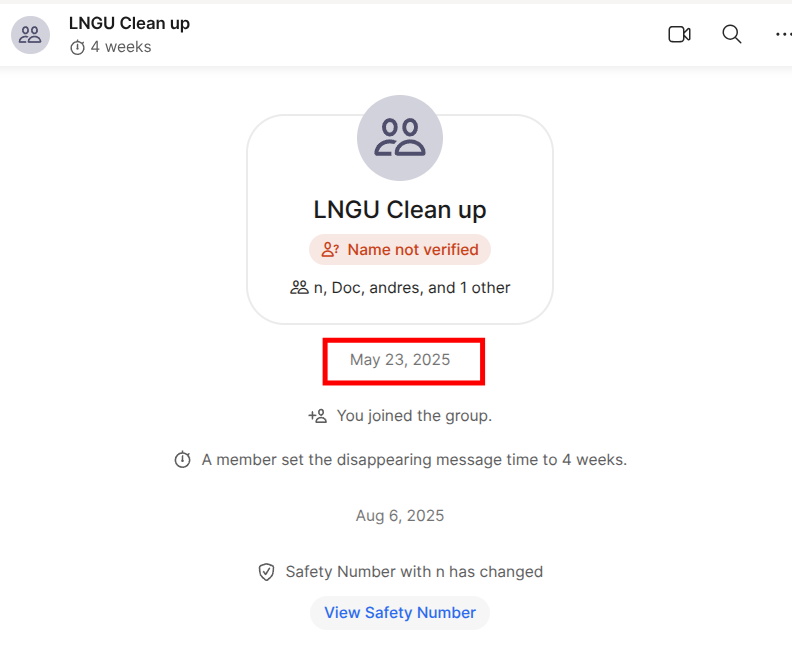
I haven't told the full story yet, but I came to the same conclusion back in May 2025 when I started doing an audit of `coldcard/firmware`.
I wanted to figure out conclusively where the CC RNG was getting sourced from, and found that it backed up to some shady library called libngu (https://t.co/wQu3wOB7cb) that had literally 6 stars on github and was maintained solely by a pseudoanon tranny.
I knew from past experience that linking to libsecp256k1 from Python was pretty easy, which seemed to be the stated purpose of the library use, and so I was confused about why it was there.
I sent a report to the CC team that I had doubts about whether the true RNG was actually in use, and pointed out that the hardcoded yasmarang constants in libngu were sloppy. I advised they rip the whole thing out and link against libsecp256k1 directly.
I was told that if something was wrong "we'd already know about it by now" and that everything was properly configured for the real boards.
I didn't follow up rigorously, which was a horrible mistake on my part.
This is insane!
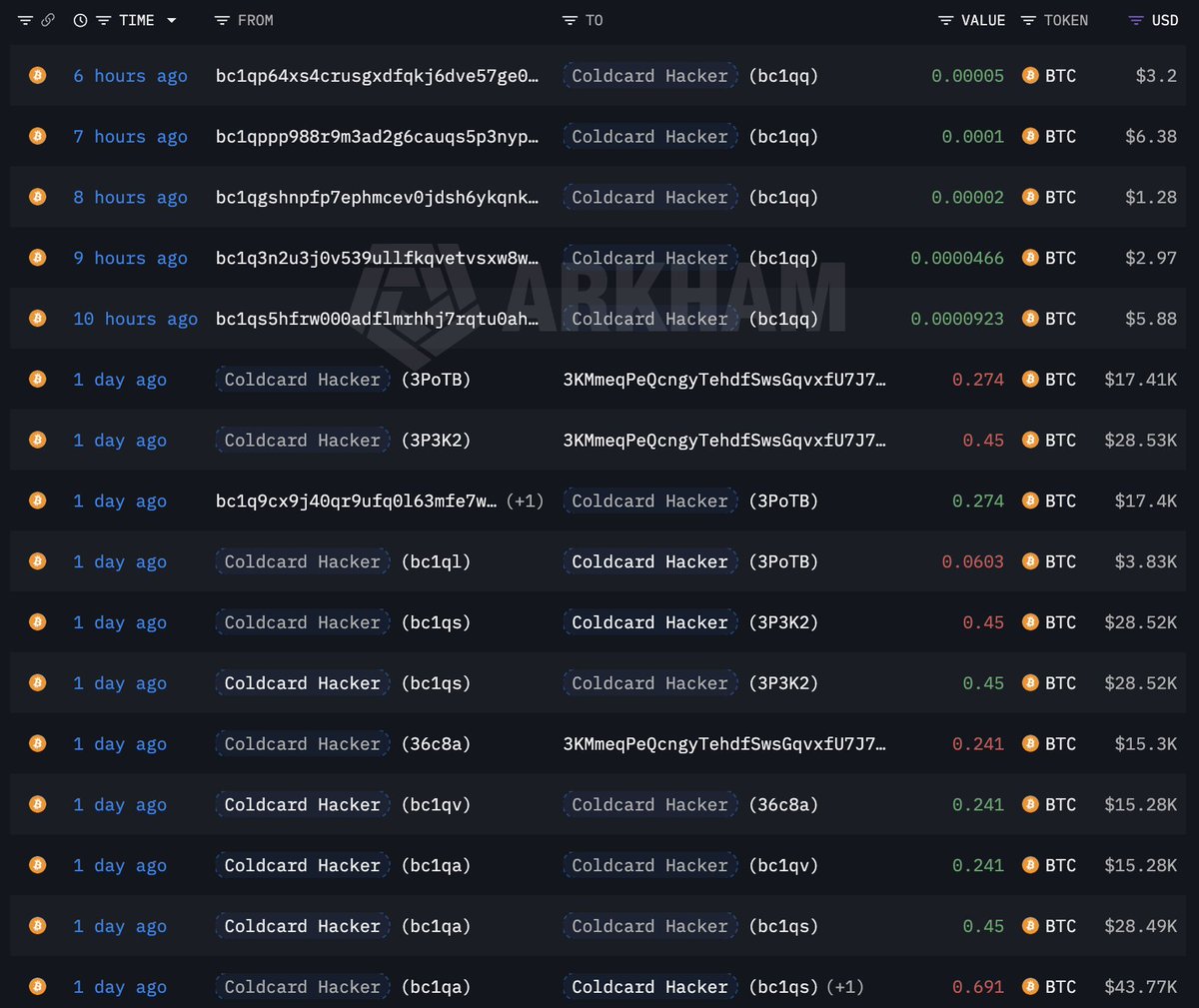
According to @glxyresearch, the total losses from the #Coldcard hack may have reached 2,055 $BTC($130M).
More than 7,700 victim addresses have been affected.