Just wondering if there is any interest for trainees/NQT’s/students to be paired up with more experienced teachers/SLT/Heads for monitorships, guidance, support and friendship? Maybe we could try and get something going in the spirit of Tom Rogers’ match making innovation. 💛
New Post!
In many classrooms, lots of students aren’t listening, which means they aren’t learning. In this post we outline a few common mistakes and simple techniques for building classrooms where ALL students expected to participate.
Please share if you can, link in reply 🙏
Our modern school system removed the leisure, and much of the pleasure, out of learning.
The word "school" comes from the Greek word schole.
It means leisure.
Sir Ken Robinson spent his life studying creativity in schools and concluded that instead of fueling creativity through play, schools can actually kill it:
"We have sold ourselves into a fast-food model of education, and it's impoverishing our spirit and our energies as much as fast food is depleting our physical bodies. Imagination is the source of every form of human achievement. And it's the one thing that I believe we are systematically jeopardizing in the way we educate our children and ourselves."
Then we enter the workplace and it gets worse.
Modern corporations were born out of the same Industrial Revolution.
Their entire reason for being was efficiency in mass production.
They looked to the military for inspiration.
The language stuck — employees on the front lines, working for a company (a military unit).
The industrial era is long behind us. Those structures are not.
We grow up believing play is trivial, a waste of time, and unnecessary.
Stuart Brown, founder of the National Institute for Play, studied the play histories of 6,000 individuals and found that play has the power to improve everything from personal health to relationships to an organization's ability to innovate.
His conclusion: "Nothing fires up the brain like play."
Key breakthroughs in thinking have almost always taken place during play.
-Isaac Newton.
-Watson and Crick.
-Shakespeare.
-Mozart.
-Einstein.
The Nonessentialist thinks play is trivial.
The Essentialist knows play sparks exploration.
You weren't taught to play as a child. You picked it up naturally.
Maybe it's time to pick it up again.
I've seen a fair few people suggest recently that the 'science of reading' can essentially be boiled down to two messages:
1. Explicitly teach kids to decode (i.e. systematic phonics).
2. Build knowledge.
But in many schools, these two things alone will fail.
>>
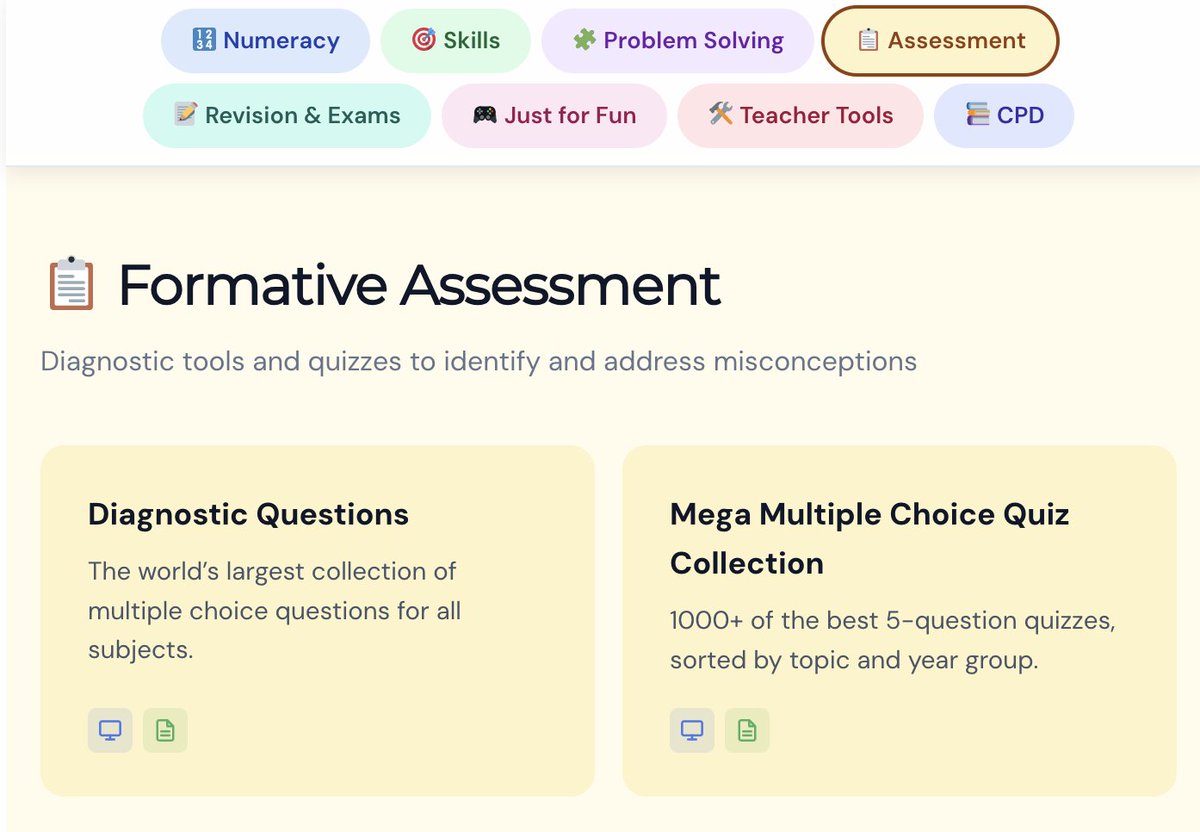
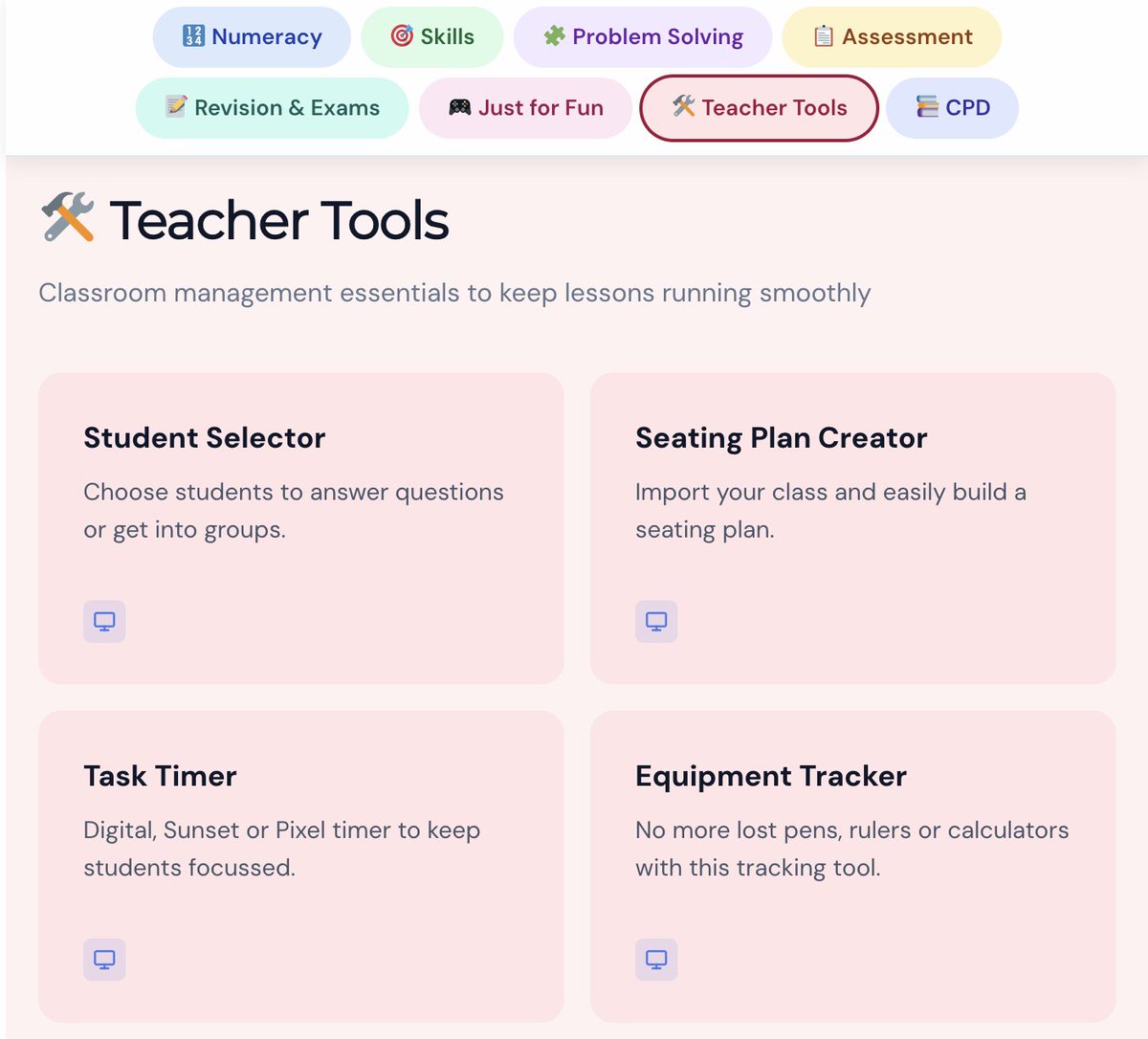
I have just pushed live a MASSIVE update of my Mr Barton Maths website - all 100% free. If you find it useful, please help spread the word by sharing this post 🙏
@ricardosemler If you also have a fire in your belly for change, and you're looking for inspiration to start your own #learning community or #school, please join us in our FREE 3-day EMPOWER event on 18-20 November.
https://t.co/25ZdLoqoLI
#NewEducationalParadigm#Innovation
3/
Inclusion should be a way of rethinking the whole system, not a bolt-on for special needs (@MelAinscow , Booth & Dyson, 2006).
Inclusive education is a fundamental principle of education for all. @UNESCO
Inclusion is not an add-on; it is the heart of education.
@neetu_arnold Opposing solid curriculum on the basis of the "learning styles" myth should be instantly disqualifying. If you're a teacher leader, you have a responsibility to know these things. https://t.co/RaeU2N035H
What's new in the science of learning? New research on reading instruction, retrieval practice, feedback, fluency, and the limits of social-emotional learning.
Link in reply⬇️