It’s finally out! Check out our new paper in #PNAS re: the use of hierarchically structured priors in visual motion perception (MOT + future trajectory prediction) @BillScientific@gershbrain@jdrugowitsch
I am excited to share our new paper with @Hrag_P, @gershbrain and @jdrugowitsch studying the use of hierarchically structured priors in human visual motion perception: https://t.co/RpoUFHrXMT 1/
I have aphantasia, meaning that I can't form mental images at will. Nor, in my case, sounds, smells, flavors, tactile sensations, or emotions.
When I close my eyes, I enter a blank world.
In this thread I'll try to express what that is like for those who don't have aphantasia.
Introducing https://t.co/zBDFUc48A0, a large language model (LLM) to assist neuroscience research. BrainGPT is trained on the vast neuroscience literature and can be used to optimize study design, detect anomalous results, and evaluate models against broad data patterns. (1/3)
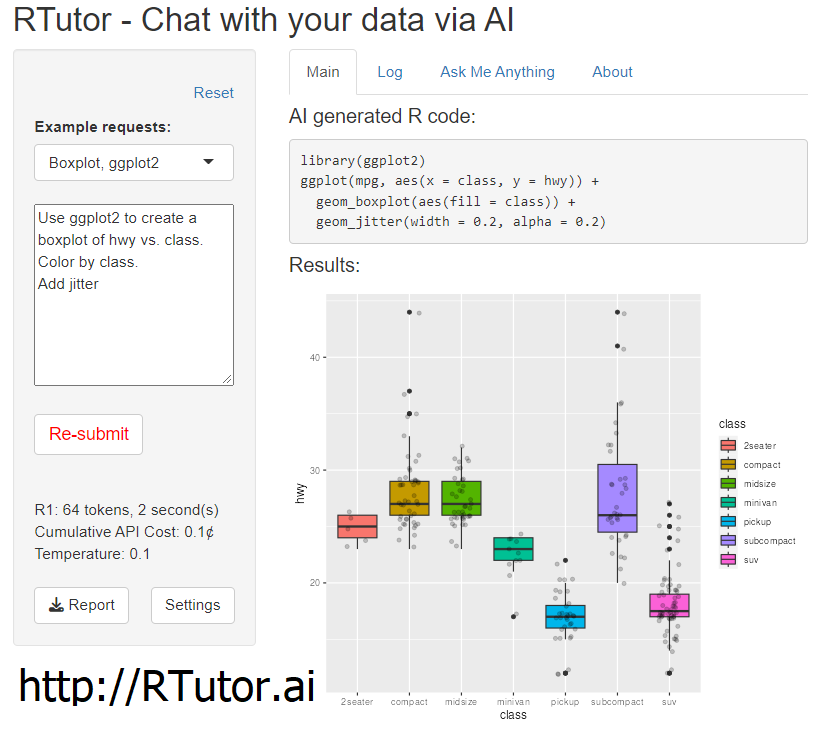
Happy holidays! Introducing https://t.co/Ub3wgs1KVz, an AI-powered app that lets you chat with your data in English! RTutor uses Davinci (#ChatGPT’s sibling) to turn requests into R code, which is executed & results are shown instantly, available as a HTML report in seconds. 1/8
I recently came across data on who we spend our time with over the course of our lives.
The insights are simultaneously inspiring and depressing.
Here are 6 graphs everyone needs to see:
@ceptional@RuthRosenholtz@WikiJSci Say that the parrot has some knowledge of color labels and could have been using verbal rehearsal techniques (whereas the students were given a verbal load while doing the task)
@ceptional@RuthRosenholtz@WikiJSci It could even be considered as catastrophic failure (near chance level performance). I personally think whatever the differences exist between the parrot and students has something to do with durability of representations/proactive interference. I know Irene would go as far to…