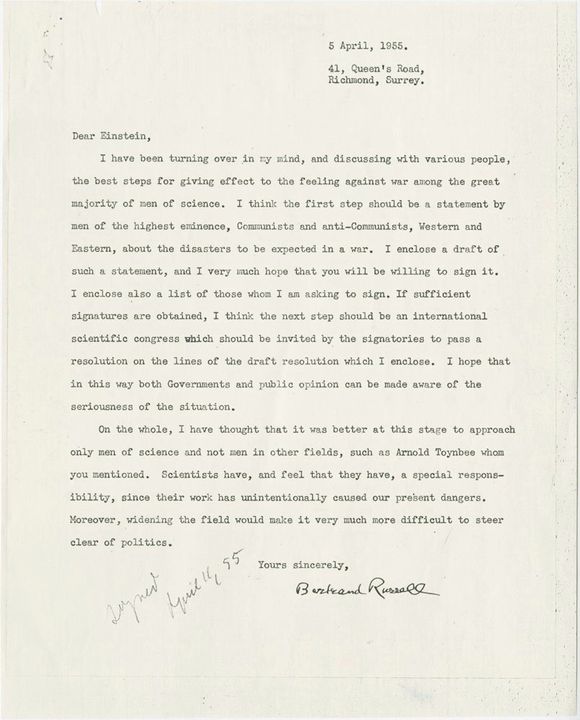
On 5 April 1955, literature laureate Bertrand Russell wrote to physics laureate Albert Einstein to ask for his support in standing up against nuclear weapons.
Einstein agreed. The letter led to the Russell-Einstein Manifesto, which Einstein signed days before his death.
Il web è nato da esigenze scientifiche. E la scienza potrebbe curarne le malattie. Per il ciclo “Pensare bene”, ne parliamo con Ersilia Vaudo: il rigore del metodo scientifico può ispirare pratiche di informazione più robuste e consapevoli?
https://t.co/yPGxpt5yjJ
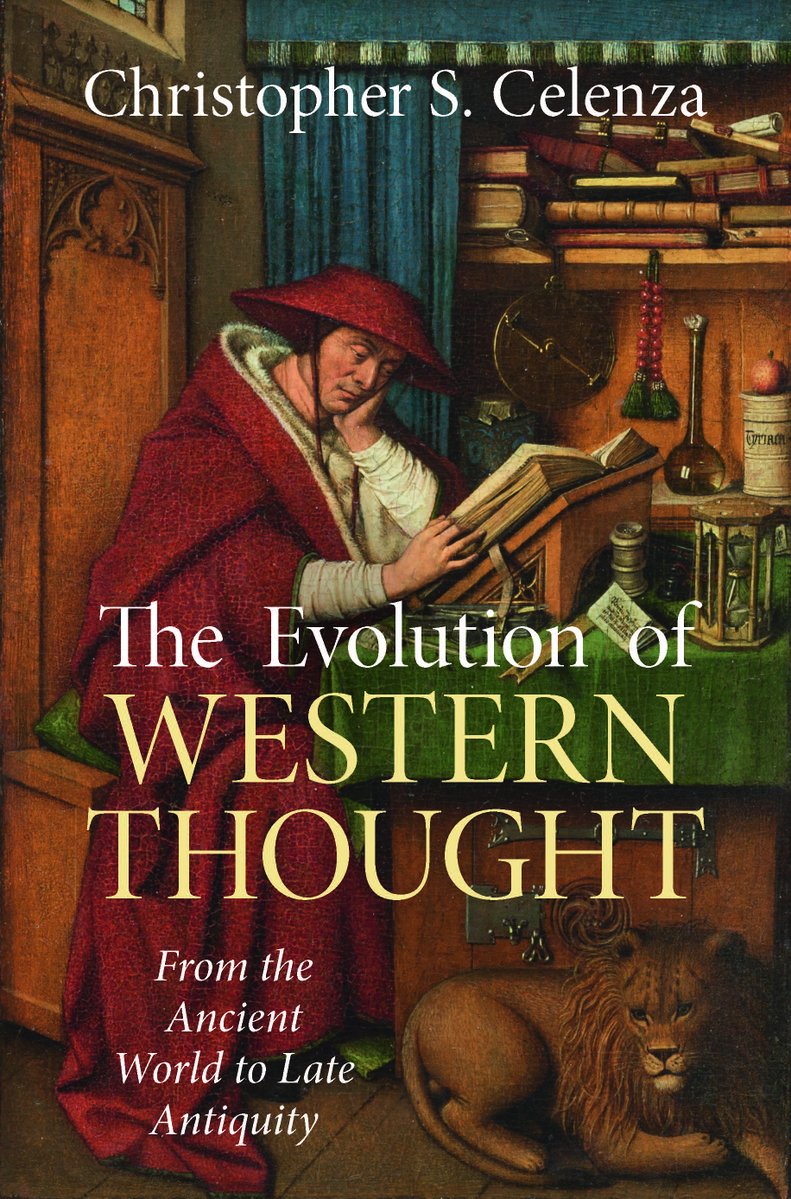
The Evolution of Western Thought by Christopher S. Celenza
A sweeping intellectual history tracing how philosophical, religious and literary traditions evolved from ancient Greece to the Middle Ages.
📘 https://t.co/eOCgL2NXHr
#intellectualhistory#historyofideas
New Cambridge Element, Policy Experiments, by Sebastián Ureta, out now! Read for free for the next 2 weeks at
https://t.co/IoSL6iomRt
#cambridgeelements#politics
las ciencias sociales que proceden en términos empírico-analíticos tienen también un concepto de totalidad; sus teorías son teorías de sistemas, y una teoría general tendría que referirse al sistema social en conjunto. Habermas
Una delle tesi di questo libro è che lo stato sociale, gli investimenti nella tradizione energetica, nella protezione dell’ambiente, nella salute umana, nell’integrazione sociale delle persone migranti, nella conoscenza come bene pubblico, anche quando possono offrire opportunità di guadagno, non misurano il loro ritorno prevalentemente con l’accumulazione di capitale, ma con l’impatto sul benessere sociale a lungo termine.
New in paperback! Socio-syntax | Save 20% with code SOLING26
Challenging traditional assumptions around grammar, this book shows how language variation takes on social meaning in everyday interaction.
📚 https://t.co/WrryETXrHB
The day has finally arrived! So much effort, so much work, so many sacrifices... in the midst of so many other tasks and deadlines.
🌱🔬📚🏛️🎓
Beyond Black Swans:
Inhabiting Indeterminacy, @SpringerNature, 2026
Foreword by @edgarmorinparis (see screenshots)
I would like to thank Springer Nature for proposing to publish the scientific monograph and for believing in this project, the result of many years of study and research, meetings and experiences.
Without a hint of rhetoric).
🌐🇺🇳🏛️🎓
This year, I will have the honour and pleasure, as well as the responsibility, of opening the prestigious APHELEIA UNESCO International Conference, where my publication, the result of many years of study and research, will be presented and discussed in the opening session on the first day of the conference.
🌐🇺🇳🏛️🎓I would like to thank #APHELEIA UNESCO @UNESCO colleagues, Prof. Luiz Oosterbeek and all the organisers for the invitation, which is always welcome, and for the honour bestowed upon me.
📌📚
About this book
This book describes the urgent need of modern humanity to renew and reinforce an open attitude to the complexity of life, above all by embracing its intrinsic indeterminacy, rather than attempting futilely to control its evolution. Oblivious to this ever-more urgent necessity, seduced by the speed and virality of digital pattern recognition, computing, and artificial simulation of human thought, society has reverted to a linear, deterministic concept of reality, under the belief that everything can be measured and managed, and that error and unpredictability will soon be eliminated from our lives and organizations.
Consequently, choices and responsibilities have been delegated to technology, artificial intelligence and algorithms, even in educational institutions, which are now preoccupied with teaching mere skills and know-how, thus committing the fatal error of confusing artificial, mechanical, complicated systems with living, complex, adaptive systems.
This volume is intended not only for complexity/social scientists, philosophers and students, but to the curious from all walks of life. It calls for learning to inhabit complexity, while recognizing and participating in its interdependent, interconnected, interactive systems of relationships. Dominici reveals the futility of endeavoring to control the uncontrollable or observe the unobservable, showing how self-organization and emergence, triggered from the smallest and most modest elements, impact the entire system.
🌐▶️ https://t.co/22e3MB931B
An approach, an epistemology and research since 1995
Cigni neri e paradigmi inadeguati..
“La nostra vita è emergenza, è permanente relazione, sequenza infinita, e non lineare, di processi dinamici in cui l’emergente si manifesta in tutti i modi possibili e inimmaginabili, imprevedibili.
La nostra vita è “sequenza infinita di tanti cigni neri”[1], secondo la vecchia metafora già in uso presso gli antichi: “cigni neri” dalle numerose sfumature, segnati da un’ambivalenza originaria e da contraddizioni apparentemente insanabili. A tale proposito, si ha la netta sensazione che, spesso, a tutti i livelli di azione della prassi organizzativa e sociale, coloro i quali, in presenza di situazioni/dinamiche sfuggite al loro controllo, insistono sulla questione/metafora del “cigno nero”[2], dell’evento unico e imprevedibile o, comunque, altamente improbabile, non cerchino/non facciano altro che operare/costruire delle (“classiche”) razionalizzazioni a posteriori in grado di rassicurare gli altri e sé stessi rispetto al fatto che, nonostante qualche episodio, tutto rimane sotto controllo, gestibile e prevedibile.
E così, la vecchia “illusione del controllo” – di impadronirsi del caso e del proprio destino – continua ad occupare una posizione di assoluta egemonia, non soltanto in termini di immaginari organizzativi e sociali, nonostante le evidenze ne abbiano mostrato la profonda inconsistenza e inadeguatezza.
Al contrario, la vita sociale e umana è caratterizzata da infinite sequenze, non lineari, di cigni neri.
Errore, imprevedibilità, complessità e dinamismo sistemico ne sono gli elementi costitutivi” (cit.).
🔥🌐🏛️🎓A breve sarà pubblicata l’edizione in lingua inglese per @SpringerNature #research #PeerReviewed #ComplexSystems #NewEpistemology #ParadigmShifts #Democracy #AI
@edgarmorinparis@LuizOosterbeek@bridges_science@UNESCO@mauromagatti@DeBortoliF@lucadebiase@micheket@La_Lettura@sole24ore@RaiCultura@necsi@ipsa_aisp@repubblica@PierPaterlini@jesusflores@demartin@CorrPetrocelli@MichelWieviorka@daniInnerarity
CONTINUA
⬇️⬇️⬇️⬇️⬇️
https://t.co/bUYITDOrgD
Un approccio, un’epistemologia e percorsi di ricerca dal 1995
di Piero Dominici 👉 L’Intelligenza Artificiale come “nuova frattura epistemologica”. https://t.co/M8mEWkvsbv #FratturaEpistemologica#AI concetto e def. operativa (ciò che fa la differenza nell’utilizzo dei concetti, soprattutto nella ricerca e nello studio) da me proposti a metà anni Novanta. #CitaregliAutori
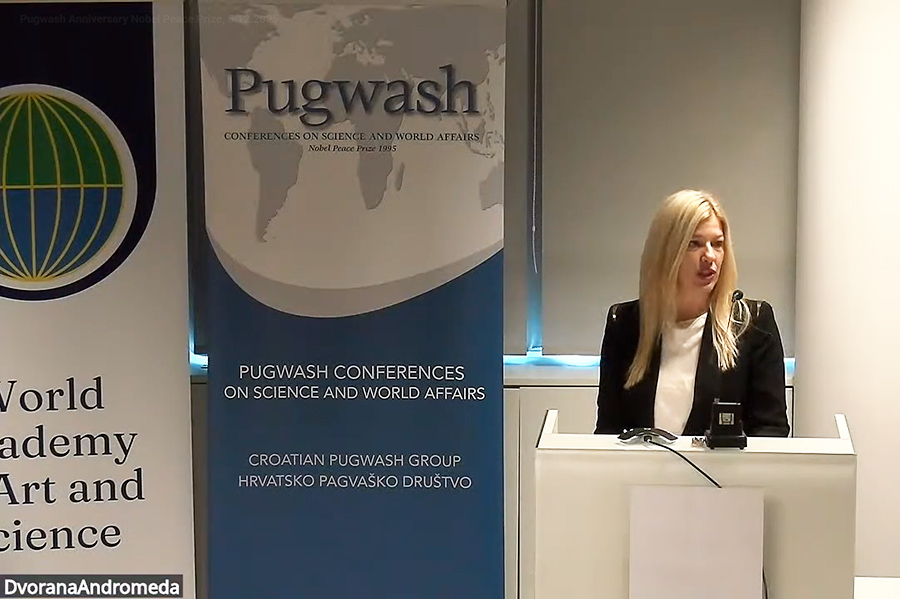
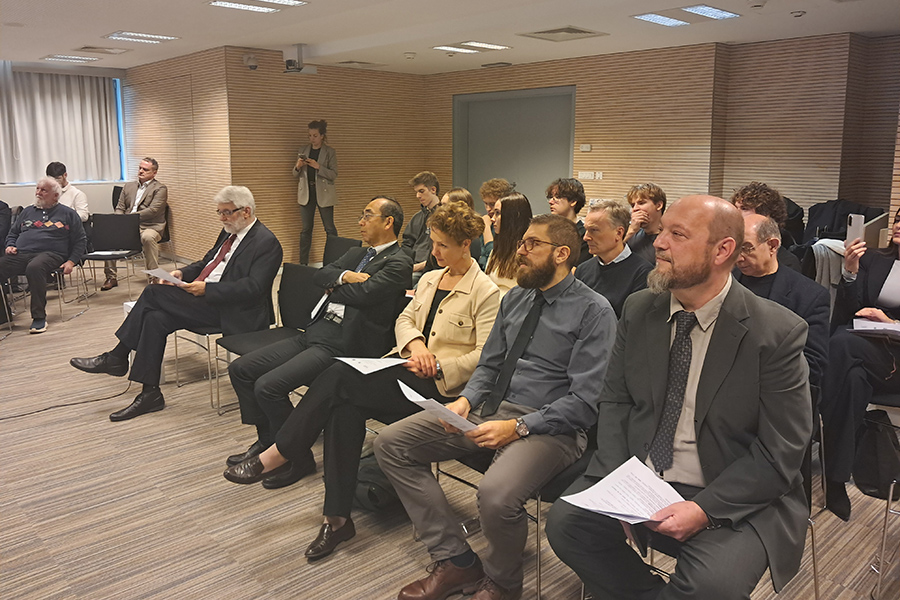
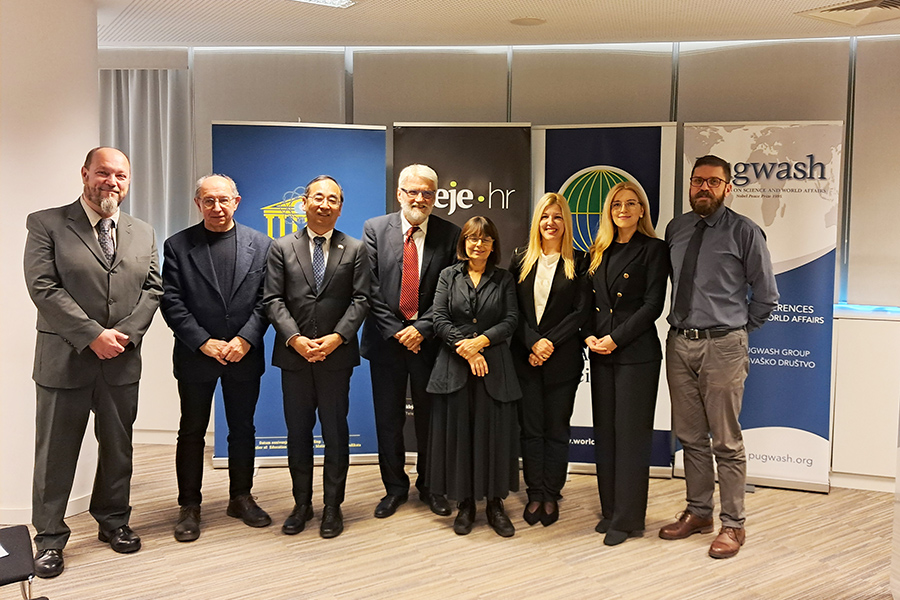
🎙️ Dialogue on War & Peace | Speaker Insights
Leading global thinkers explore how science can uphold dialogue, respect, human dignity in times of conflict—moving beyond destruction toward cooperation and peace.
🔗 Learn more about the speakers & dialogue:
https://t.co/E9mn8tVjmD
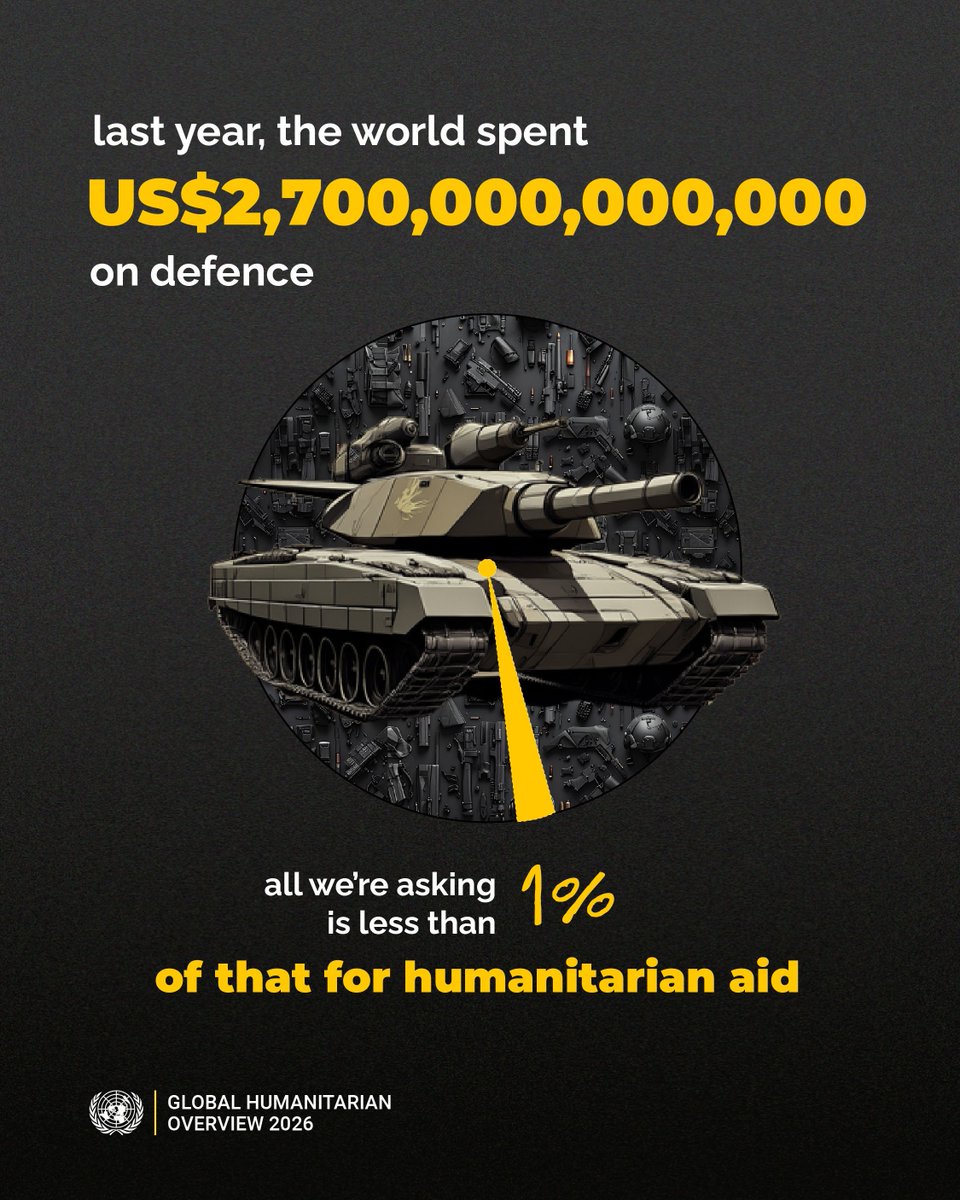
The world spent $2.7 trillion on defence last year.
Just less than 1% of that could help people in crises across the world.
Let's choose solidarity over indifference. Million of lives depend on it.
#InvestInHumanity
🌐🌻🌐 “Education is Citizenship, Education is Inclusione, Education is Democracy (Education and not Indoctrination)” #quote 📌 @edgarmorinparis@LuizOosterbeek@SteGiannini@micheket@lucadebiase@demartin@_WAAS_@yaneerbaryam@research_chaos@necsi@HumanandComplex@PikettyWIL
Starting with my definition ‘Democracy is complexity’ (quote) which I proposed back in the mid-1990s.
🌎 “The weak link of democracy and the challenges of educating toward global citizenship. #Prospects (2022). #UNESCO
➡️ Here’s the link: https://t.co/WBrVzNZoXU
🌍🤝🌎 Education is a #HumanRight not a privilege!
🟥 “📌 Education is not a privilege but - I would add - until now it has been. (Always taking care not to confuse ‘education’ and ‘indoctrination’) (quote)
Springer Nature #PeerReviewed
👉 https://t.co/H0LJDctoQh
🌐Abstract🌐
📌 Before discussing the prospects for educating young people toward becoming global citizens, we must ask ourselves: is global citizenship reality or illusion? What can be stated is that plain citizenship itself can no longer be considered merely a legal or judicial question.
📌 Today, citizenship is only partially linked to rights and duties deriving from the recognition of an individual as belonging to a community (local, national or international). Future citizens of the digitally hyper-connected global village face two dangers: simulation of participation and the illusion of having a less asymmetrical relationship to power.
📌 The rules of engagement are not being written by legislators but by agencies producing and sharing knowledge; citizenship (global or otherwise) is intimately correlated with access to quality education.
👉Three concepts form the basis for educating toward global citizenship:
- 1️⃣ awareness that citizenship and education are inseparable,
- 2️⃣ awareness that democracy and education are inseparable, and
- 3️⃣ awareness that democracy is complexity** (quote).
🌎 Global citizenship: Reality or illusion?
👉DOI: 10.1007/s11125-022-09607-8 (to be continued)


![dominicipi's tweet photo. Cigni neri e paradigmi inadeguati..
“La nostra vita è emergenza, è permanente relazione, sequenza infinita, e non lineare, di processi dinamici in cui l’emergente si manifesta in tutti i modi possibili e inimmaginabili, imprevedibili.
La nostra vita è “sequenza infinita di tanti cigni neri”[1], secondo la vecchia metafora già in uso presso gli antichi: “cigni neri” dalle numerose sfumature, segnati da un’ambivalenza originaria e da contraddizioni apparentemente insanabili. A tale proposito, si ha la netta sensazione che, spesso, a tutti i livelli di azione della prassi organizzativa e sociale, coloro i quali, in presenza di situazioni/dinamiche sfuggite al loro controllo, insistono sulla questione/metafora del “cigno nero”[2], dell’evento unico e imprevedibile o, comunque, altamente improbabile, non cerchino/non facciano altro che operare/costruire delle (“classiche”) razionalizzazioni a posteriori in grado di rassicurare gli altri e sé stessi rispetto al fatto che, nonostante qualche episodio, tutto rimane sotto controllo, gestibile e prevedibile.
E così, la vecchia “illusione del controllo” – di impadronirsi del caso e del proprio destino – continua ad occupare una posizione di assoluta egemonia, non soltanto in termini di immaginari organizzativi e sociali, nonostante le evidenze ne abbiano mostrato la profonda inconsistenza e inadeguatezza.
Al contrario, la vita sociale e umana è caratterizzata da infinite sequenze, non lineari, di cigni neri.
Errore, imprevedibilità, complessità e dinamismo sistemico ne sono gli elementi costitutivi” (cit.).
🔥🌐🏛️🎓A breve sarà pubblicata l’edizione in lingua inglese per @SpringerNature #research #PeerReviewed #ComplexSystems #NewEpistemology #ParadigmShifts #Democracy #AI
@edgarmorinparis @LuizOosterbeek @bridges_science @UNESCO @mauromagatti @DeBortoliF @lucadebiase @micheket @La_Lettura @sole24ore @RaiCultura @necsi @ipsa_aisp
@repubblica @PierPaterlini @jesusflores @demartin
@CorrPetrocelli
@MichelWieviorka @daniInnerarity
CONTINUA
⬇️⬇️⬇️⬇️⬇️
https://t.co/bUYITDOrgD
Un approccio, un’epistemologia e percorsi di ricerca dal 1995](https://pbs.twimg.com/media/G__BCTHWQAA8x2c.jpg)
![dominicipi's tweet photo. Cigni neri e paradigmi inadeguati..
“La nostra vita è emergenza, è permanente relazione, sequenza infinita, e non lineare, di processi dinamici in cui l’emergente si manifesta in tutti i modi possibili e inimmaginabili, imprevedibili.
La nostra vita è “sequenza infinita di tanti cigni neri”[1], secondo la vecchia metafora già in uso presso gli antichi: “cigni neri” dalle numerose sfumature, segnati da un’ambivalenza originaria e da contraddizioni apparentemente insanabili. A tale proposito, si ha la netta sensazione che, spesso, a tutti i livelli di azione della prassi organizzativa e sociale, coloro i quali, in presenza di situazioni/dinamiche sfuggite al loro controllo, insistono sulla questione/metafora del “cigno nero”[2], dell’evento unico e imprevedibile o, comunque, altamente improbabile, non cerchino/non facciano altro che operare/costruire delle (“classiche”) razionalizzazioni a posteriori in grado di rassicurare gli altri e sé stessi rispetto al fatto che, nonostante qualche episodio, tutto rimane sotto controllo, gestibile e prevedibile.
E così, la vecchia “illusione del controllo” – di impadronirsi del caso e del proprio destino – continua ad occupare una posizione di assoluta egemonia, non soltanto in termini di immaginari organizzativi e sociali, nonostante le evidenze ne abbiano mostrato la profonda inconsistenza e inadeguatezza.
Al contrario, la vita sociale e umana è caratterizzata da infinite sequenze, non lineari, di cigni neri.
Errore, imprevedibilità, complessità e dinamismo sistemico ne sono gli elementi costitutivi” (cit.).
🔥🌐🏛️🎓A breve sarà pubblicata l’edizione in lingua inglese per @SpringerNature #research #PeerReviewed #ComplexSystems #NewEpistemology #ParadigmShifts #Democracy #AI
@edgarmorinparis @LuizOosterbeek @bridges_science @UNESCO @mauromagatti @DeBortoliF @lucadebiase @micheket @La_Lettura @sole24ore @RaiCultura @necsi @ipsa_aisp
@repubblica @PierPaterlini @jesusflores @demartin
@CorrPetrocelli
@MichelWieviorka @daniInnerarity
CONTINUA
⬇️⬇️⬇️⬇️⬇️
https://t.co/bUYITDOrgD
Un approccio, un’epistemologia e percorsi di ricerca dal 1995](https://pbs.twimg.com/media/G__BCTAWwAA5wN_.jpg)













![dominicipi's tweet photo. Cigni neri e paradigmi inadeguati..
“La nostra vita è emergenza, è permanente relazione, sequenza infinita, e non lineare, di processi dinamici in cui l’emergente si manifesta in tutti i modi possibili e inimmaginabili, imprevedibili.
La nostra vita è “sequenza infinita di tanti cigni neri”[1], secondo la vecchia metafora già in uso presso gli antichi: “cigni neri” dalle numerose sfumature, segnati da un’ambivalenza originaria e da contraddizioni apparentemente insanabili. A tale proposito, si ha la netta sensazione che, spesso, a tutti i livelli di azione della prassi organizzativa e sociale, coloro i quali, in presenza di situazioni/dinamiche sfuggite al loro controllo, insistono sulla questione/metafora del “cigno nero”[2], dell’evento unico e imprevedibile o, comunque, altamente improbabile, non cerchino/non facciano altro che operare/costruire delle (“classiche”) razionalizzazioni a posteriori in grado di rassicurare gli altri e sé stessi rispetto al fatto che, nonostante qualche episodio, tutto rimane sotto controllo, gestibile e prevedibile.
E così, la vecchia “illusione del controllo” – di impadronirsi del caso e del proprio destino – continua ad occupare una posizione di assoluta egemonia, non soltanto in termini di immaginari organizzativi e sociali, nonostante le evidenze ne abbiano mostrato la profonda inconsistenza e inadeguatezza.
Al contrario, la vita sociale e umana è caratterizzata da infinite sequenze, non lineari, di cigni neri.
Errore, imprevedibilità, complessità e dinamismo sistemico ne sono gli elementi costitutivi” (cit.).
🔥🌐🏛️🎓A breve sarà pubblicata l’edizione in lingua inglese per @SpringerNature #research #PeerReviewed #ComplexSystems #NewEpistemology #ParadigmShifts #Democracy #AI
@edgarmorinparis @LuizOosterbeek @bridges_science @UNESCO @mauromagatti @DeBortoliF @lucadebiase @micheket @La_Lettura @sole24ore @RaiCultura @necsi @ipsa_aisp
@repubblica @PierPaterlini @jesusflores @demartin
@CorrPetrocelli
@MichelWieviorka @daniInnerarity
CONTINUA
⬇️⬇️⬇️⬇️⬇️
https://t.co/bUYITDOrgD
Un approccio, un’epistemologia e percorsi di ricerca dal 1995](https://pbs.twimg.com/media/G__BCTKXkAAwE_G.jpg)