The Clemson IPM newsletter has a new home! Check out our most recent article on preparing a management plan for stink bugs in corn, and explore the new site.
https://t.co/L0LljoLTDk
Soils are drying quick in SC. Watering up soybeans where we have the ability. Our early planted corn is approaching tassel where water demand is greatest, pivots are running! No great chance of rain in the forecast.
The Clemson IPM program and South Carolina SARE are hosting a joint open forum this Thursday, January 11, from 10 am to 2 pm at the Sandhills REC in Columbia, SC. Registration and additional details can be found here: https://t.co/tU5f2NtN4s. We hope to see you there!
Thrips were noticiable in corn last week. They can cause cosmetic injury but I’ve never seen a treatable situation. Zoom in and they are visible on the leaf
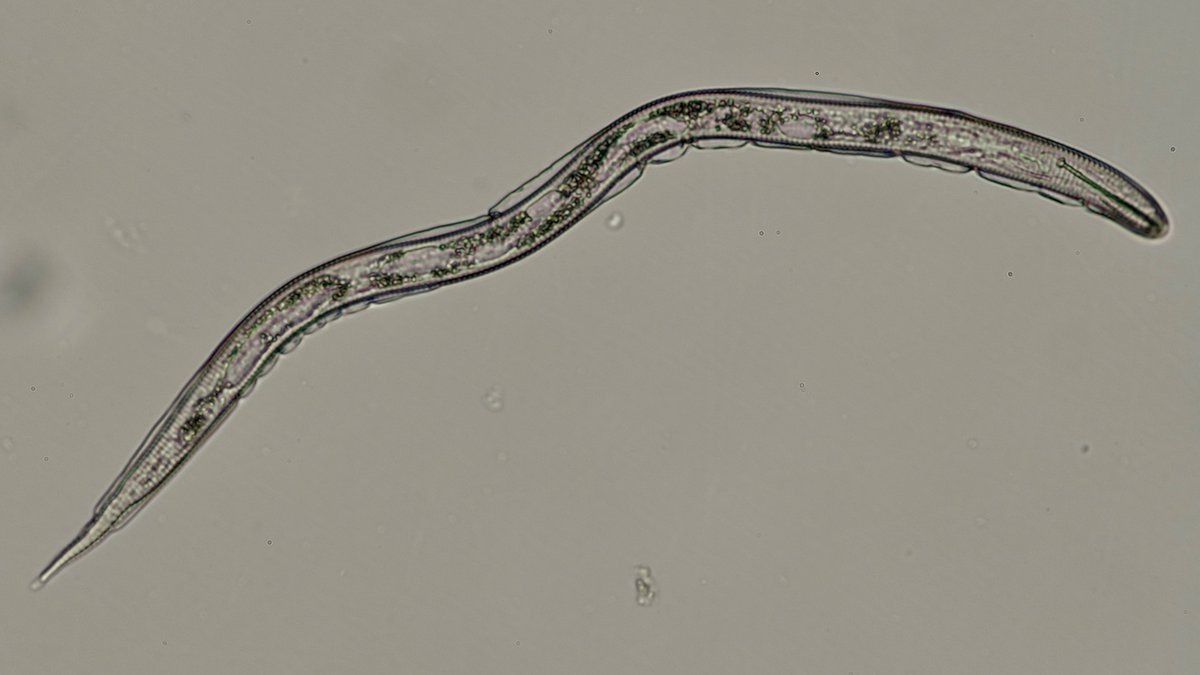
Interesting nematode samples coming into the lab last week. Check out this Hemicycliophora spp., also known as sheath nematode. Impressive stylet and extra cuticular layer surrounding the body. Looking forward to additional #Nematuesday examples across the summer.
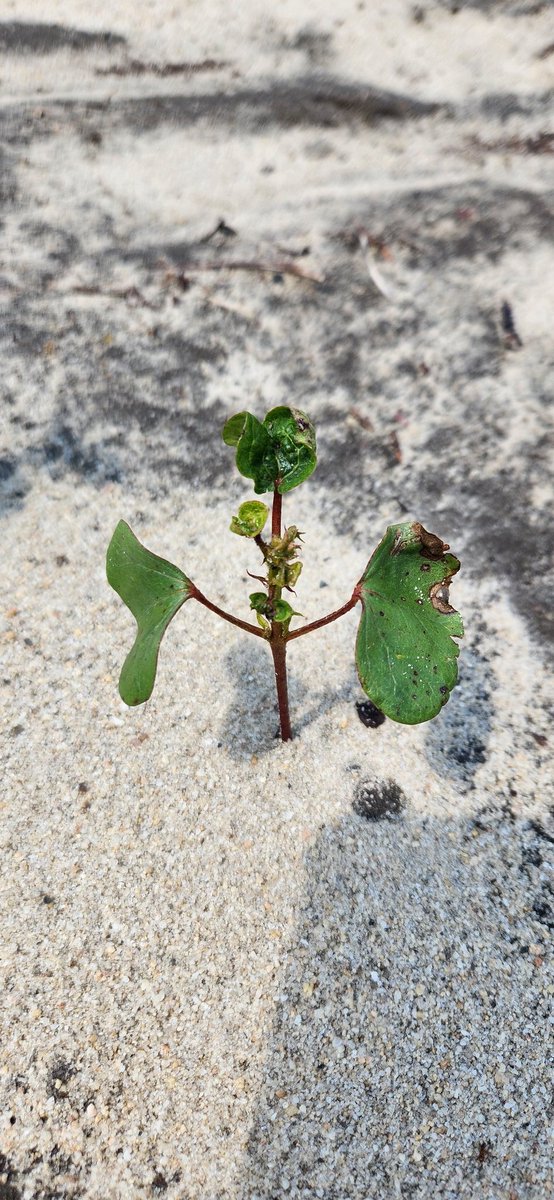
A couple of untreated seedlings compared with seedlings planted with AgLogic or ThryvOn. All at 5 true leaves. Thrips making an impact on untreated plants. Gaucho seed treatment or imidacloprid in-furrow spray looks good also.
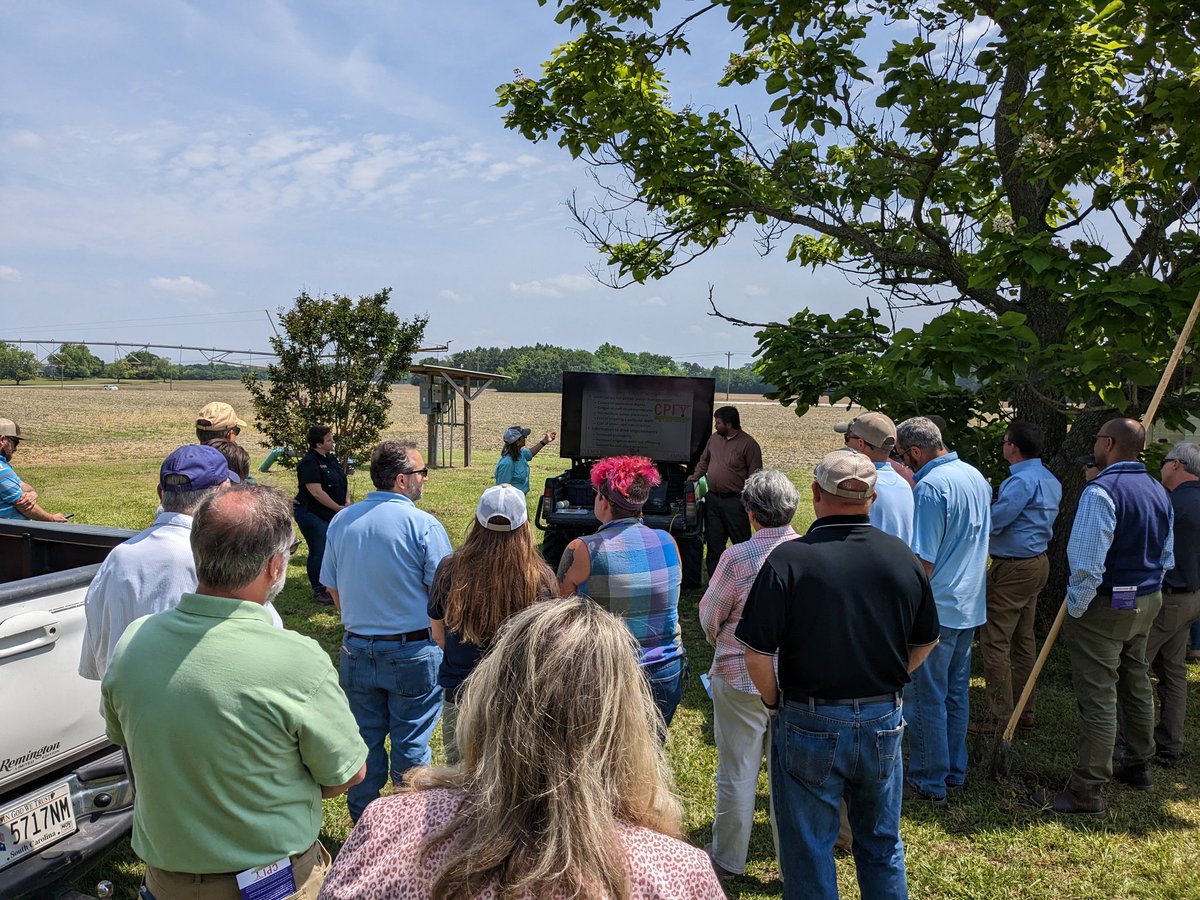
The Pee Dee River Basin Council had an excellent Field Trip to Woodard Farms and saw a live Center Pivot audit demo from Kendall Kirk and the CPIT team. Thank you to Woodard Farms, the CPIT team, & @SCFarmBureau for hosting the Field Trip. @CUESNews
Check of this month's Clemson IPM newsletter https://t.co/4oHbsyd5yU!
To subscribe to future newsletters visit the Clemson IPM website. https://t.co/9Lo1nd12CR.
We are excited our spring Turfgrass Research Field Day is returning this year at Pee Dee Research and Education Center. Event will be held on Tuesday Apr 25, 2023 at 8am. We will cover diseases, insects and weeds impacting turf in SC and across the south. Hope you can make it!
University Extension (including @NCStateCALS@NCExtension) has been working hard across the Southeast to tackle tarnished plant bugs in cotton. We are finally seeing impacts, encouraging growers to rotate insecticides and preserving beneficials. Let's hope this trend continues!
Contaminated hay means trouble for livestock, and this little pest may be the cause.
Blister beetles can infest alfalfa, eventually incorporating themselves into hay.
Learn how to manage these pests: https://t.co/QucMsB85vg
Check out this month's IPM newsletter! https://t.co/6aeYG1GNTq
Subscribe to future editions of the newsletter on the Clemson IPM webpage https://t.co/cMEIrDaOGn
Check out this month's IPM newsletter! https://t.co/JIUWJoAky0
Subscribe to future editions of the newsletter on the Clemson IPM webpage https://t.co/jUN3FrZ5VV
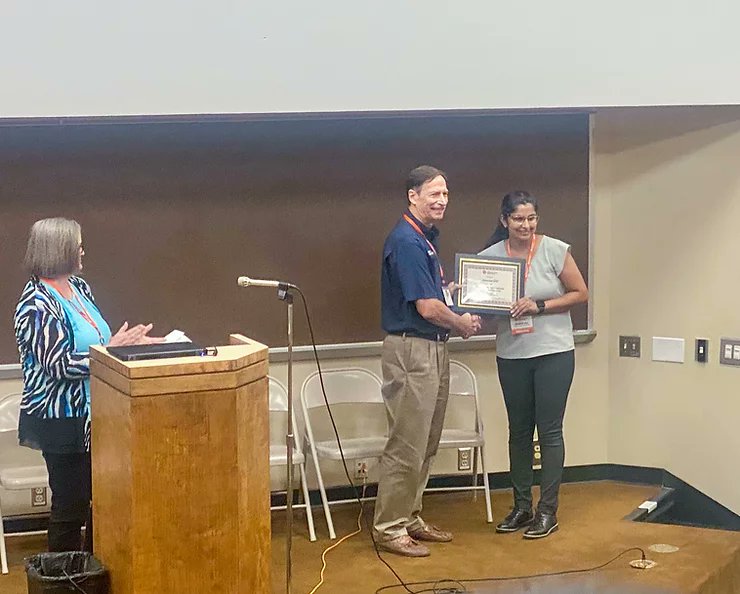
Congratulations to all Winners at @ClemsonCAFLS Graduate Student Research Symposium held on August 18, 2022, at Pee Dee REC, Florence, SC. Well Done 👏🏻👏🏻👏🏻. Check it out here:
https://t.co/kyIDuTMcKR
Diplodia ear rot becomes more easily recognizable as corn matures. Look for brown, dried out ear leaves and similar husk symptoms. In addition, view the husk for pycnidia (black fungal structures), and white fungal growth on the ear #mscrops