Immortality Bliss is a website that explores immortality and promotes those people in science, technology, and medicine who are helping to make it a reality.
Scientists successfully reversed the biological age of human skin cells by around 30 years.
This advance has the potential to transform regenerative medicine and treatments for age-related diseases.
A research team at the Babraham Institute in Cambridge developed a technique called maturation phase transient reprogramming (MPTR). By carefully exposing adult fibroblasts to Yamanaka factors for just 13 days, the researchers induced profound cellular rejuvenation without allowing the cells to lose their specialized identity and revert fully into stem cells. This precise timing enabled the cells to erase decades of accumulated aging damage while retaining their original function.
The reprogrammed cells not only showed molecular signs of youthfulness but also performed like younger cells. In functional tests, they produced substantially more collagen and closed experimental wounds much faster than untreated older cells.
[Gill, D., Parry, A., Santos, F., Okkenhaug, H., Todd, C. D., Hernando-Herraez, I., Stubbs, T. M., Milagre, I., & Reik, W. (2022). Multi-omic rejuvenation of human cells by maturation phase transient reprogramming. eLife 11: e71624. DOI/10.7554/eLife.71624]
Biomarkers of ageing of humans and non-human primates
https://t.co/Cav2bIwrLX
"A comprehensive overview of ageing biomarkers in humans and non-human primates, divided into three hierarchical levels: cellular, tissue and organism..."
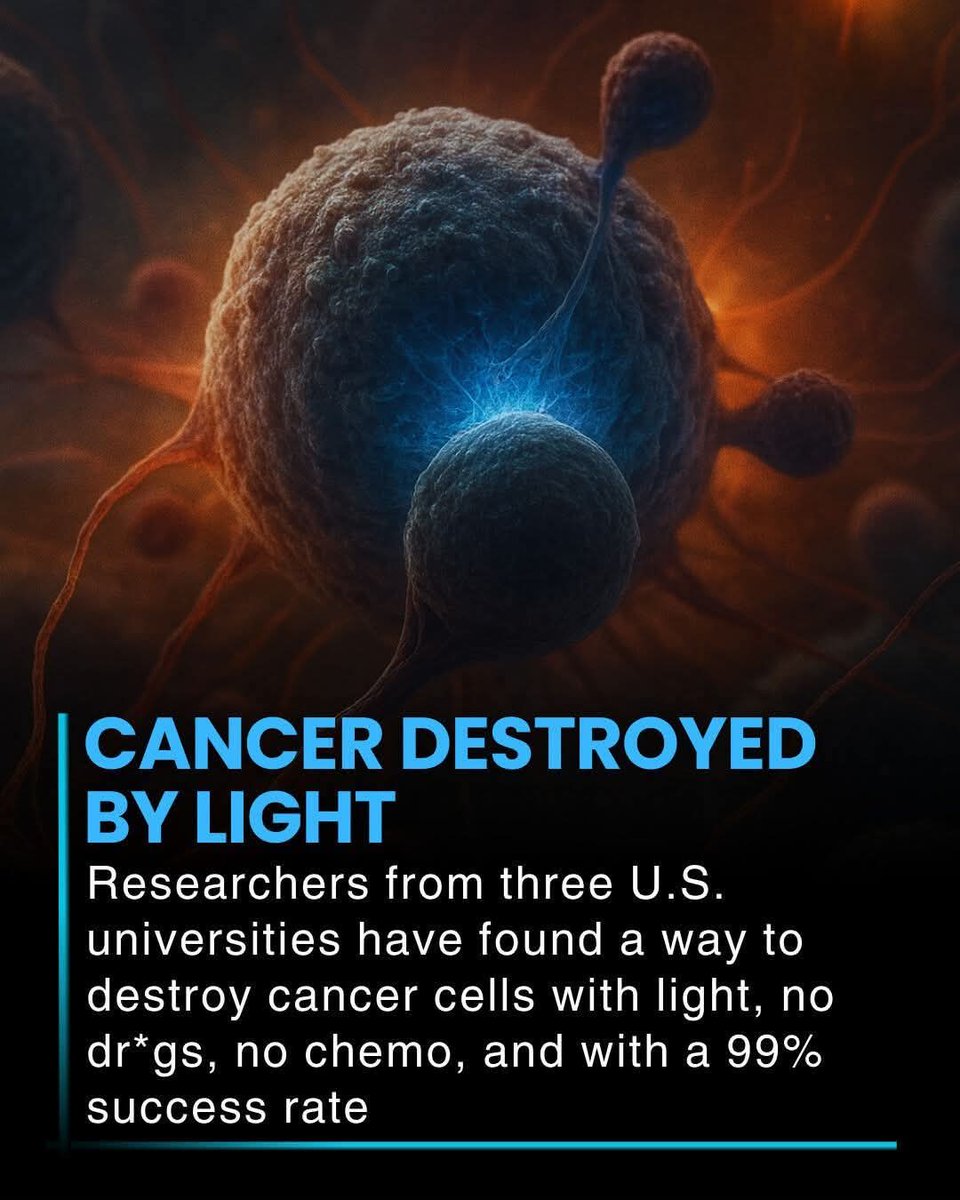
Scientists at Rice University have developed a new cancer treatment that uses near-infrared light and dye molecules to physically tear cancer cells apart. The method, called “molecular jackhammering,” killed 99% of melanoma cells in lab tests and triggered tumor remission in about half of the mice tested. With no drugs, no chemo, and minimal damage to healthy tissue, this breakthrough could lead to a new class of noninvasive cancer therapies.
#CancerResearch #LightTherapy #BiotechInnovation #MolecularMedicine #OncologyBreakthrough
🎗 In a revolutionary breakthrough, researchers from three leading American universities have discovered a method to destroy cancer cells using light, completely eliminating the need for drugs or chemotherapy. Early studies show an astonishing 99% success rate, offering unprecedented hope for millions battling this devastating disease.
The technique, known as phototherapy at the cellular level, targets cancer cells with highly precise light wavelengths that cause them to break apart while leaving healthy cells unharmed. Unlike traditional treatments, this approach avoids the severe side effects of chemotherapy and radiation, providing a safer and more effective alternative.
Experts say this discovery could transform cancer treatment worldwide. By harnessing light to selectively dismantle malignant cells, doctors may soon have a non-invasive therapy capable of treating various types of cancer, including those resistant to conventional methods.
While further trials are needed before widespread use, this milestone represents a major leap forward in oncology, showing that cancer may one day be fought without the collateral damage caused by current treatments. The era of drug-free, targeted cancer therapy may be closer than ever.
🎗 In a breakthrough that could reshape cancer treatment, scientists have discovered that honeybee venom can destroy 100% of aggressive breast cancer cells in less than 60 minutes. The key lies in a powerful compound called melittin, found in honeybee venom but not in bumblebee venom.
Researchers tested the venom on various breast cancer cell types in lab dishes and found that melittin acts like a precision-guided weapon. It punches holes in cancer cell membranes, causing the cells to die quickly. What’s even more promising is that melittin leaves healthy cells largely untouched, suggesting it could be used for treatments with fewer side effects than chemotherapy or radiation.
Melittin proved especially effective against triple-negative breast cancer and HER2-enriched breast cancer, two of the most difficult types to treat. This discovery opens new doors to developing safer, more targeted cancer therapies using natural compounds.
Scientists are now working to harness melittin’s cancer-fighting power in a controlled way, possibly through nanoparticles or synthetic versions that could be used in future medications. While more research is needed, this natural molecule from bees offers a powerful new weapon in the fight against cancer.
BREAKING: A new pilot clinical study just tested an intriguing Alzheimer’s idea: instead of targeting amyloid or tau, what if we target biological aging itself?
They tested Senolytics, drugs that clear senescent cells.
These drugs just showed they can improve cognition AND mobility in older adults at risk for Alzheimer's. This is the first human trial of its kind. Here's what happened 🧵
Scientists have found a way to jumpstart the brain's waste-disposal system. By inhibiting a common metabolic enzyme, researchers enabled immune cells to devour Alzheimer’s plaque and improve cognitive function in mouse models. https://t.co/l39It5FToc
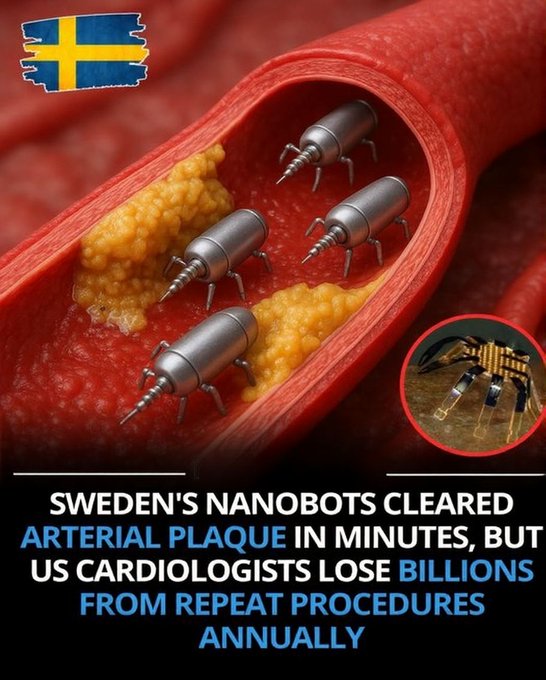
Swedish scientists develop microscopic nanobots that could prevent heart attacks without surgery.
These microscopic machines move through blood vessels, locate hardened buildup, and break it apart with incredible precision — restoring blood flow without the need for stents, surgery, or long recovery times. Early trials show that the nanobots can clean arteries far more effectively than today’s procedures, offering a powerful new option for preventing heart attacks and strokes.
The technology works by steering the bots with magnetic fields, guiding them directly to blockages that normally require invasive interventions. Once in place, the nanobots gently break the plaque into particles small enough for the body to process naturally, leaving the artery smooth and open. Patients in initial tests saw improved circulation almost instantly, proving just how transformative this approach could be for cardiovascular care.
But the breakthrough has sparked controversy in the United States, where cardiologists perform millions of repeat procedures each year to manage plaque buildup. Critics say the adoption of nanobot treatments could dramatically reduce the need for costly surgeries, cutting into billions of dollars in annual revenue from angioplasty, stent replacements, and other recurring interventions. Supporters argue that patient health should come first — and that technology capable of cleaning arteries in minutes should be embraced, not resisted.
Interesting
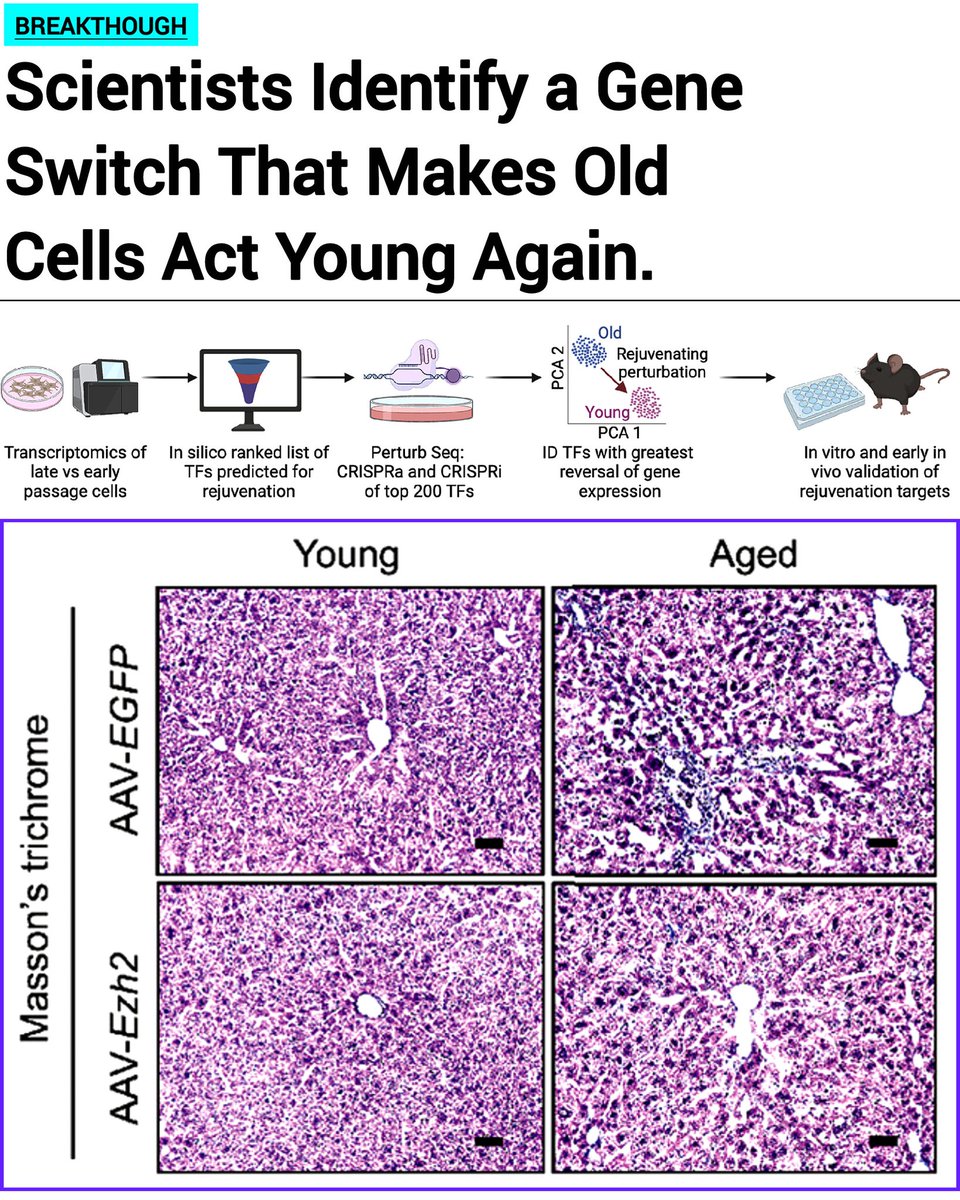
CELLULAR AGING BREAKTHROUGH
Scientists may have found a molecular blueprint to revive old cells. A new UCSF study identified four key transcription factors, E2F3, EZH2, STAT3, and ZFX, that can push aged cells back into a youthful state.
By reactivating this gene control network, old human cells regained higher energy levels, increased cell division, and younger gene expression patterns. In aged mice, activating one of these factors reduced liver fat and scarring and improved glucose metabolism, making old tissue function more like young tissue.
This discovery suggests aging isn’t just damage, it’s a loss of coordinated gene regulation that may be partially reversible. Instead of replacing cells or turning them into stem cells, this approach hints at resetting cells from within, opening a new path toward therapies focused on extending healthspan, not just lifespan.
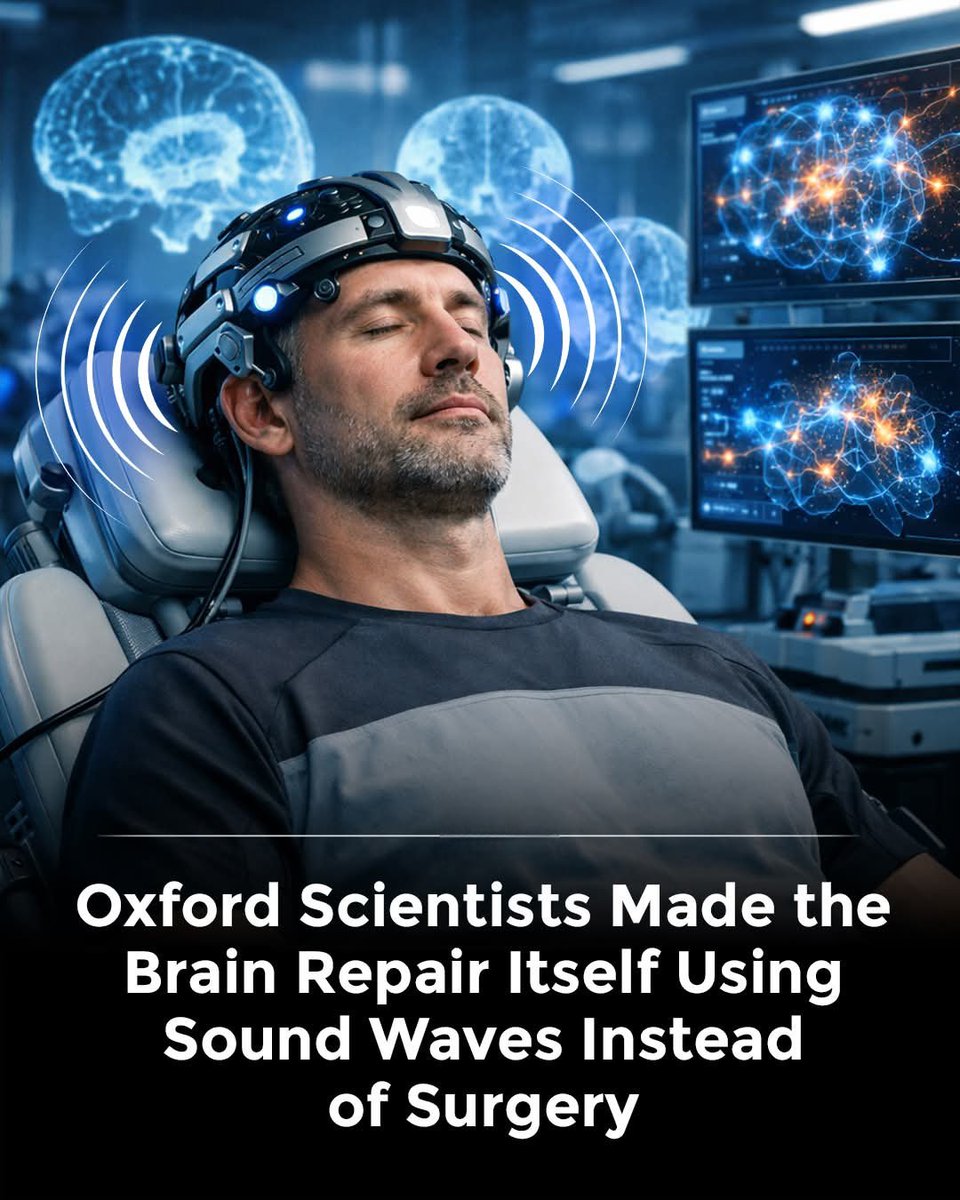
No cutting. No implants. Just focused sound.
Oxford researchers developed a technique using ultrasound pulses to activate stem cells already inside the brain. In rats with stroke-like damage, the treatment regrew lost tissue and restored movement and memory within weeks.
The gentle waves trigger new neurons, reconnect pathways, and grow blood vessels in areas previously considered dead.
Brain regeneration without surgery. The future of stroke treatment may have arrived.
Source: Oxford University Research
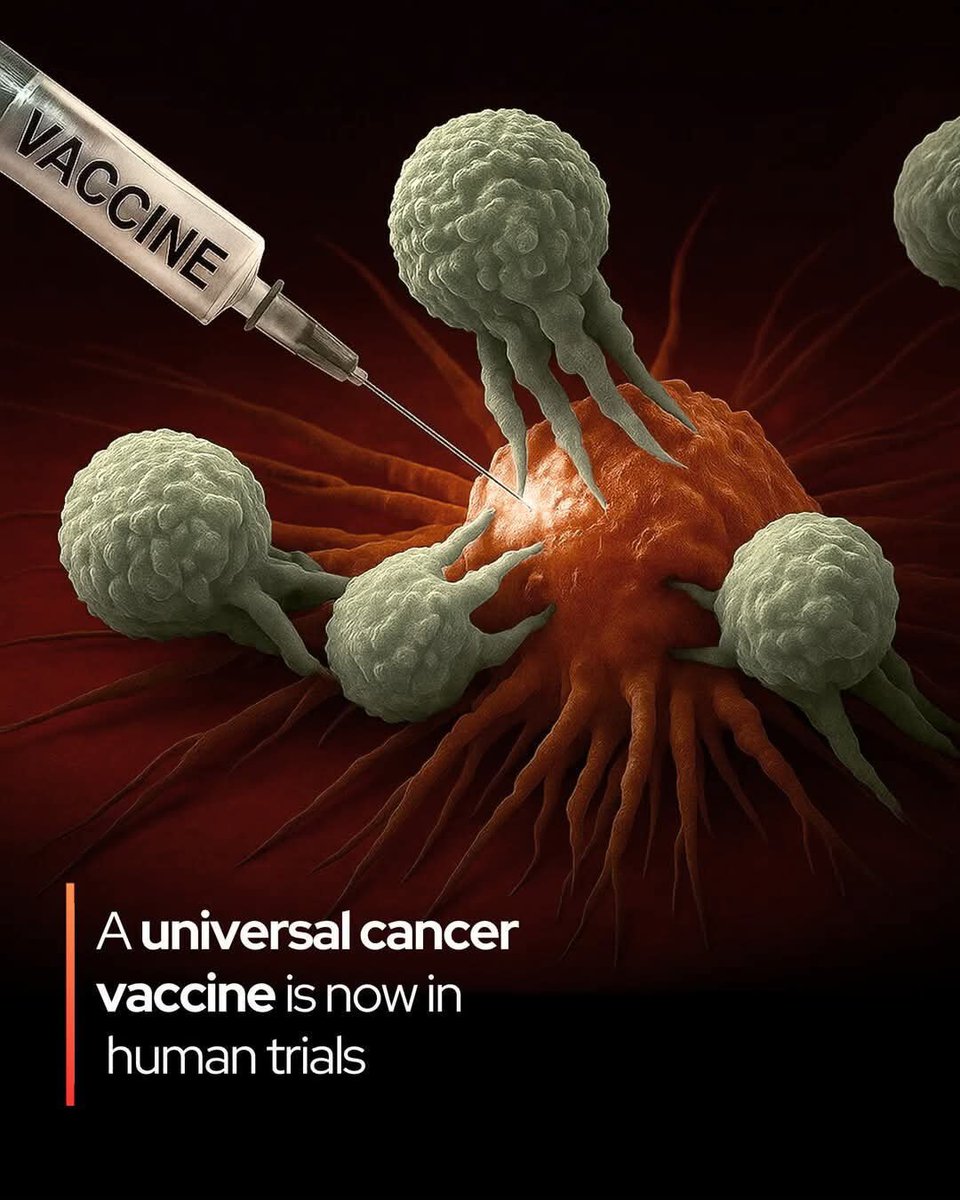
🧬 Universal Cancer Vaccine Edge: mRNA Trial Aims to Target All Tumors
Researchers have entered human trials with an mRNA-based cancer vaccine designed to work off the shelf, meaning no personalization for each patient’s tumor is required.
Unlike most cancer vaccines that must be tailored to a person’s individual tumor mutations, this new approach aims to trigger a broad immune response capable of going after many types of solid tumors.
In pre-clinical studies, it showed striking effects in mouse models of melanoma, brain cancers and bone cancers — especially when combined with immune-checkpoint therapies — by boosting the body’s production of type-I interferons, potent immune signals that help identify and destroy tumor cells.
Now, phase 1 (and early phase) human trials are underway. For example, the UK trial of the candidate vaccine coded mRNA-4359 is being tested in patients with advanced solid tumours, including melanoma and lung cancer.
While still early and not yet proven to work across all cancers, this development gives hope that one day we might have a “universal” cancer vaccine that doesn’t require custom-making for each patient’s unique tumor.
Your body is running TWO operating systems at the same time… and you never notice.
One keeps you alive when you’re calm.
The other keeps you alive when you’re in danger.
And they’re constantly switching control behind the scenes, every second of your life.
This chart reveals the entire autonomic nervous system on one page:
• The parasympathetic system (rest, digest, recover)
• The sympathetic system (fight, flight, focus)
If you’ve ever wondered why stress wrecks digestion, why panic spikes your heart rate, why your mouth dries up, or why deep breathing instantly calms you, it’s because these two systems are battling for control of the same organs.
Here are a few details hidden in the diagram:
🔹 One nerve (the vagus) influences your heart, lungs, gut, liver, pancreas, and more.
🔹 Your pupils dilate and your stomach shuts down the moment your brain senses threat.
🔹 Stress reroutes blood from digestion to your muscles in seconds.
🔹 Your body can literally flip between “build/repair” mode and “survive now” mode automatically.
Most people never see how all these pathways connect, but once you do, the effects of stress, sleep, anxiety, posture, breathwork, and exercise make a lot more sense.
If you want a single picture that explains why your mind and body feel dramatically different under stress vs. calm… this is it.
Source:
Color Atlas of Pathophysiology, Thieme Publishing.
Anti aging progress
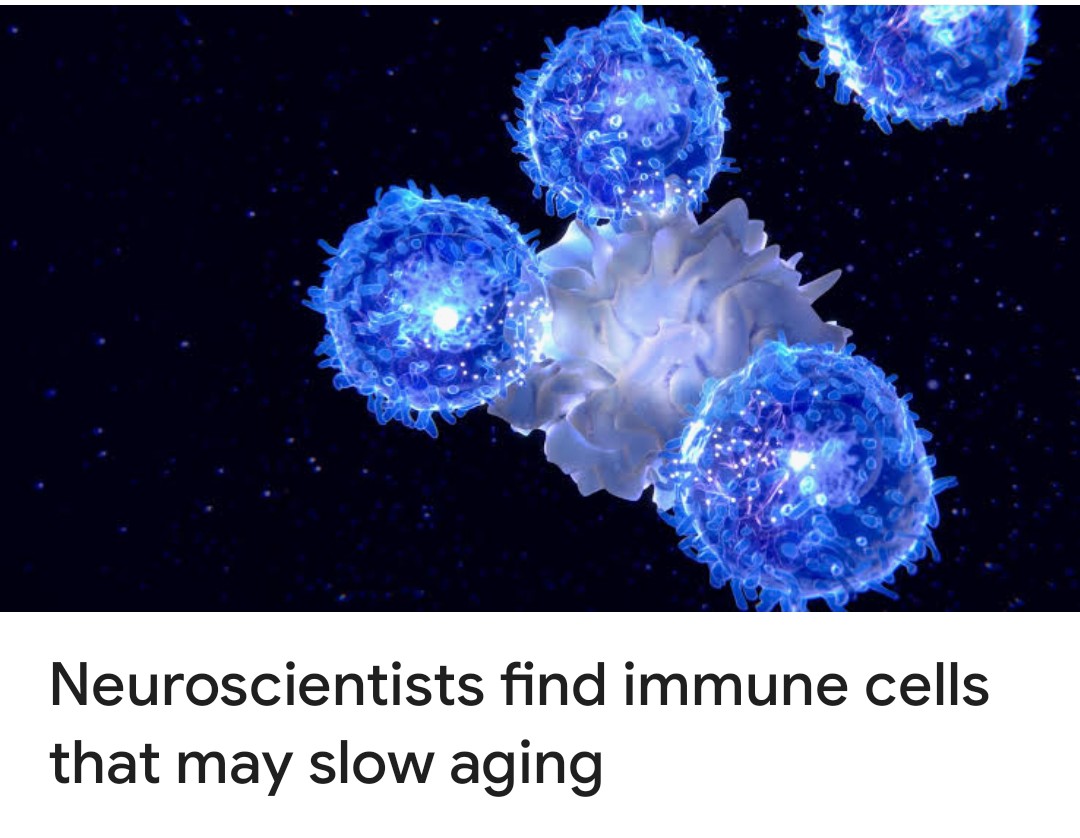
Scientists found a new type of T "helper" immune cell that hunts and destroys aging "zombie cells".
These cells show up in huge numbers in supercentenarians ( people over 100) and removing them in mice accelerates aging, meaning they might be one of the body’s natural longevity engines.
In other words, our immune system may be holding a built in switch for extending human lifespan.
The gut-brain axis is a bidirectional communication network between the gastrointestinal tract and the central nervous system. This dynamic system integrates neural, endocrine, immune, and metabolic signals, many of which are modulated by the gut microbiota.
🧠 1. Neural Pathway
The vagus nerve and enteric nervous system (ENS) transmit afferent signals from the gut to the brain. Microbial metabolites and host-derived neurotransmitters (e.g., serotonin, dopamine, GABA) influence mood, cognition, and stress responses. Enteroendocrine and enterochromaffin cells release neuroactive compounds in response to microbial cues.
🧬 2. Endocrine Pathway
The gut microbiota modulates HPA axis activity through changes in gut barrier integrity, circulating metabolites, and stress hormones. Cortisol, released from the adrenal cortex, affects both systemic inflammation and brain function. Microbiota-regulated hormones such as GLP-1, CCK, and ghrelin further influence appetite, mood, and behavior.
🦠 3. Immune Pathway
Microbial antigens (PAMPs) and metabolites interact with intestinal immune cells (e.g., Th1, Th17, dendritic cells), influencing systemic and neuroinflammatory tone. Elevated cytokines like TNF-α, IL-1, and IL-6 have been linked to blood-brain barrier disruption, depression, and cognitive impairment.
🔁 4. Metabolic Pathway
The gut microbiota ferments dietary components (e.g., fiber, protein, bile acids) into signaling molecules including:
-SCFAs (butyrate, propionate)
-Secondary bile acids
-Branched-chain amino acids (BCAAs)
These metabolites affect energy regulation, neurotransmission, and epigenetic signaling within the CNS and peripheral tissues.
A new scientific review synthesizes decades of research to explain how chronic stress physically alters brain wiring. The paper details how malfunctioning neural circuits, inflammation, and the gut-brain axis contribute to anxiety and depression, paving… https://t.co/Ll1Y01UnL3
NEW STUDY: Epigenetic drift is redefined as “mesenchymal drift”, with aged cells undergoing EMT, typically a cell ID alteration in development & wound healing, not diseases. Drift is reversed by OSK(M) reprogramming!
Another step forward 👏
@altos_labs https://t.co/G04FkMk9uS
Natural Compound Combo Restores Aging Brain Cells
Scientists have discovered a combination of naturally occurring compounds that can restore energy in aging brain cells and help clear harmful proteins linked to Alzheimer’s disease.
The treatment pairs nicotinamide, a form of vitamin B3, with epigallocatechin gallate, an antioxidant from green tea.
In lab tests on neurons from aged Alzheimer’s model mice, the approach reversed age-related declines in guanosine triphosphate (GTP) levels, a critical energy molecule.
Restoring these levels reactivated autophagy, allowing the neurons to efficiently remove damaging amyloid protein aggregates.
The process also boosted energy metabolism, activated key molecular transport systems, and reduced oxidative stress.
These results suggest a potential new, non-drug strategy to slow cognitive decline and neurodegeneration.


![Rainmaker1973's tweet photo. Scientists successfully reversed the biological age of human skin cells by around 30 years.
This advance has the potential to transform regenerative medicine and treatments for age-related diseases.
A research team at the Babraham Institute in Cambridge developed a technique called maturation phase transient reprogramming (MPTR). By carefully exposing adult fibroblasts to Yamanaka factors for just 13 days, the researchers induced profound cellular rejuvenation without allowing the cells to lose their specialized identity and revert fully into stem cells. This precise timing enabled the cells to erase decades of accumulated aging damage while retaining their original function.
The reprogrammed cells not only showed molecular signs of youthfulness but also performed like younger cells. In functional tests, they produced substantially more collagen and closed experimental wounds much faster than untreated older cells.
[Gill, D., Parry, A., Santos, F., Okkenhaug, H., Todd, C. D., Hernando-Herraez, I., Stubbs, T. M., Milagre, I., & Reik, W. (2022). Multi-omic rejuvenation of human cells by maturation phase transient reprogramming. eLife 11: e71624. DOI/10.7554/eLife.71624]](https://pbs.twimg.com/media/HImV13rXIAAiYh1.jpg)