India’s prolonged delay in implementing front-of-pack warning labels for foods high in sugar, salt and fats leaves consumers vulnerable to misleading packaging and complex nutrition information. Despite strong evidence that simple warning labels help people make healthier choice
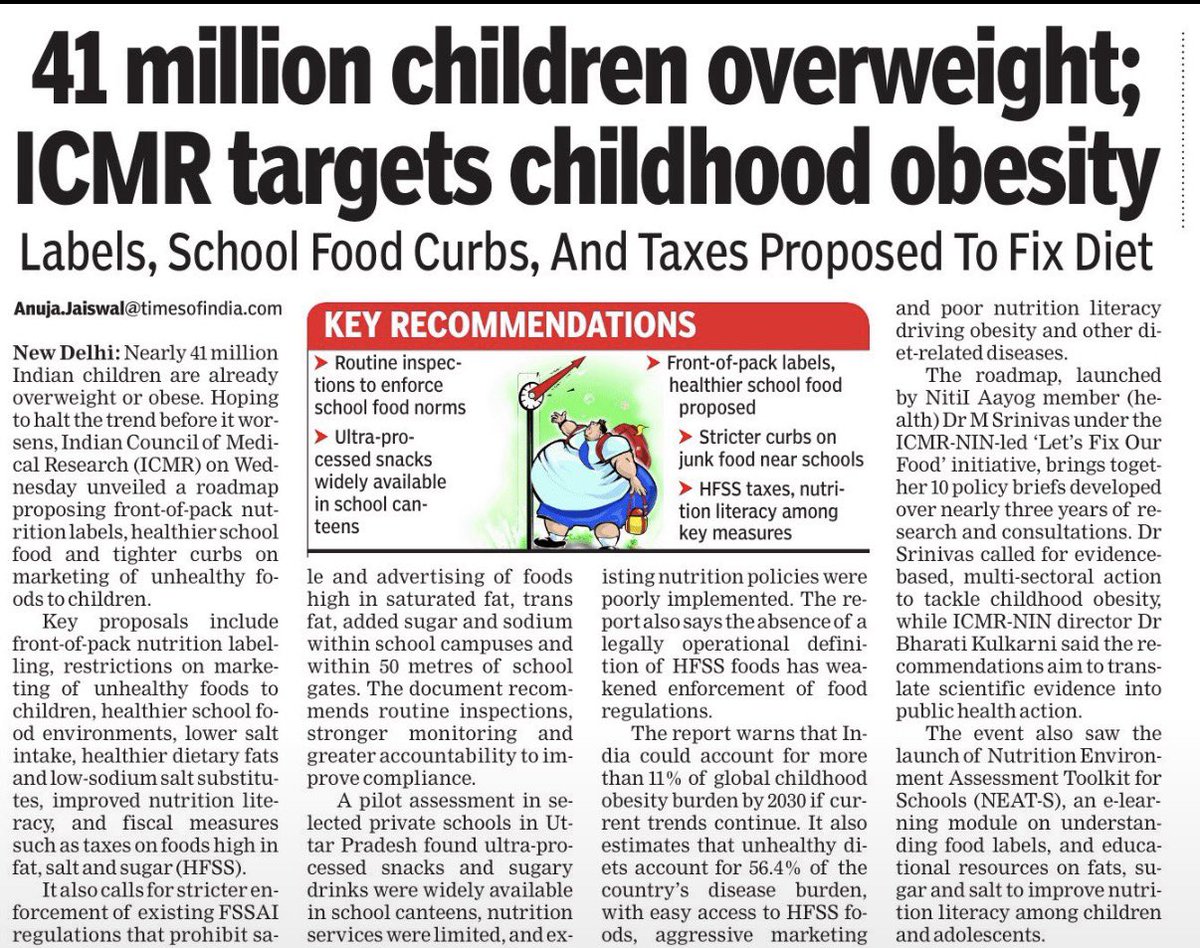
ICMR just confirmed what every food scientist already knew.
We are feeding our children into chronic disease.
41 million overweight children is not a statistic.
It is a policy challenge wearing a child’s face.
The roadmap exists now.
Let us not waste another decade debating it.
A great write up by @AnujaJaiswalTOI in @timesofindia@ICMRNIN@fssaiindia
#obesity #junkfood
The ratio of your waist to your height should be less than 0.5. meaning if your height is 170cm, your waist should be less than 85cm.
!!
More than 50% of adults (Indian or not) have ratio >0.5.
But 50 years ago, this was not the case.
The population has become unhealthy overall. A higher ratio is a risk factor for cardio- metabolic disease.
If more than half the population has a waist-to-height ratio >0.5, does that make the cut-off useless?
No. Clinical cut-offs are based on where disease risk rises, not on what is most common.
As populations become more obese, more people cross the threshold but risk remains.
Everyone has it ≠ I am healthy
#WaistToHeightRatio #MetabolicHealth
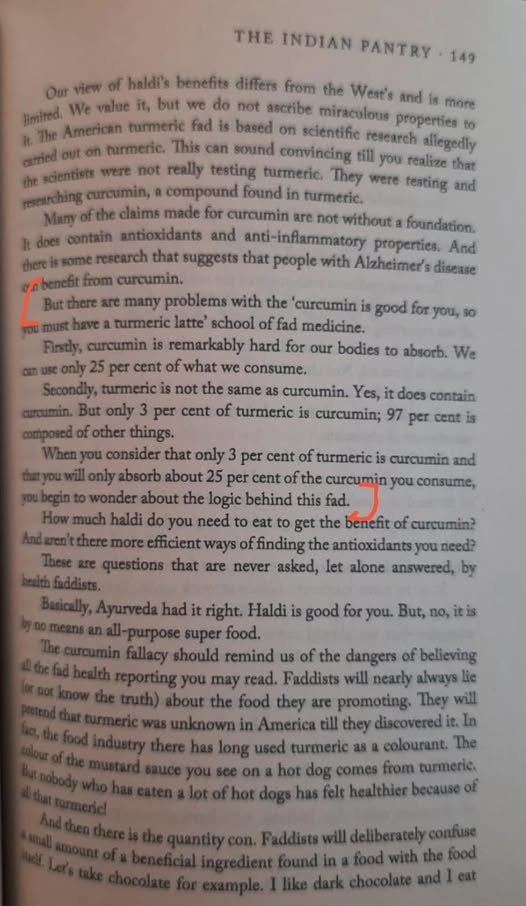
Only ~3% of turmeric is curcumin.
Curcumin is "remarkably hard for our bodies to absorb. We can use only 25% of what we consume."
The Indian Pantry, Vir Singhvi https://t.co/ZxvBwey22h
Explore world flatbreads: https://t.co/oSfWfHmsCZ
Almost every culinary culture relies on a flatbread as its ultimate daily staple. Whether made from wheat, nixtamalized corn masa, teff, sorghum, or even potatoes, these ancient staples are crafted to wrap, scoop, and soak up the world’s rich stews and sauces.
@foodpharmer2 3500+ of 22,000+ products in the India database of Open Food Facts - the Wikipedia of food have Nutriscore grading. You can check as well as contribute to the open database - https://t.co/JI880zdkQ4
To get entire data dump as a CSV file, check this - https://t.co/ZyxNTlae62
In the UK we have a government definition of unhealthy food: ‘HFSS’ - High in Fat, Salt and Sugar.
Whether a product is ‘HFSS’ is calculated using an equation (called the NPM 2004/5 if you want to know) that weighs stuff to limit (saturated fat, sugar and sodium etc) against ok stuff (fruit, vegetable and nut content, etc) and spits out a score used to designate HFSS or not.
The model is very imperfect, and the regulations are shot through with loopholes: Coco Pops (roughly 20% sugar) officially counts as "healthier". Nutella and McCrispy burgers also escape regulation. BUT, this system still prevents some of the least healthy food being marketed to children.
Astoundingly, whether a food is ‘HFSS’ is hidden from you. There’s no list you can look it up on, nothing on the pack, and even if you wanted to you wouldn’t be able to calculate it from the nutritional information.
In this editorial in the @bmj_latest (open access!), @ChristinaAVogel Vogel makes a compelling proposal for a mandatory HFSS warning label on the front of food packaging and on menus.
This needn’t change the price of food. All it does is inform the public about what the official guidance is on food.
What are your thoughts? Perhaps I’m old fashioned, but I think you’re entitled to know if the food you’re eating is officially designated ‘less healthy’.
https://t.co/vw29GWnKpl
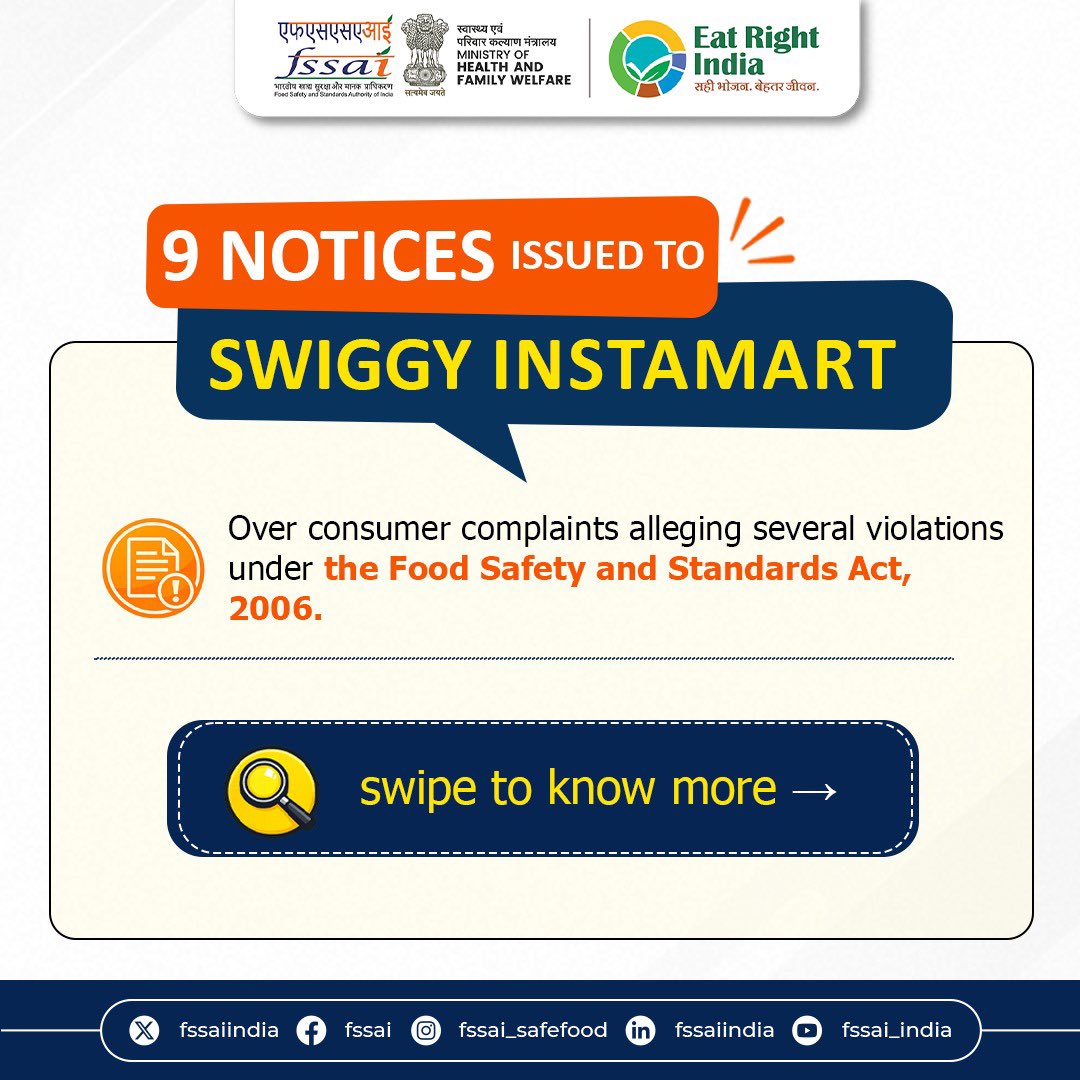
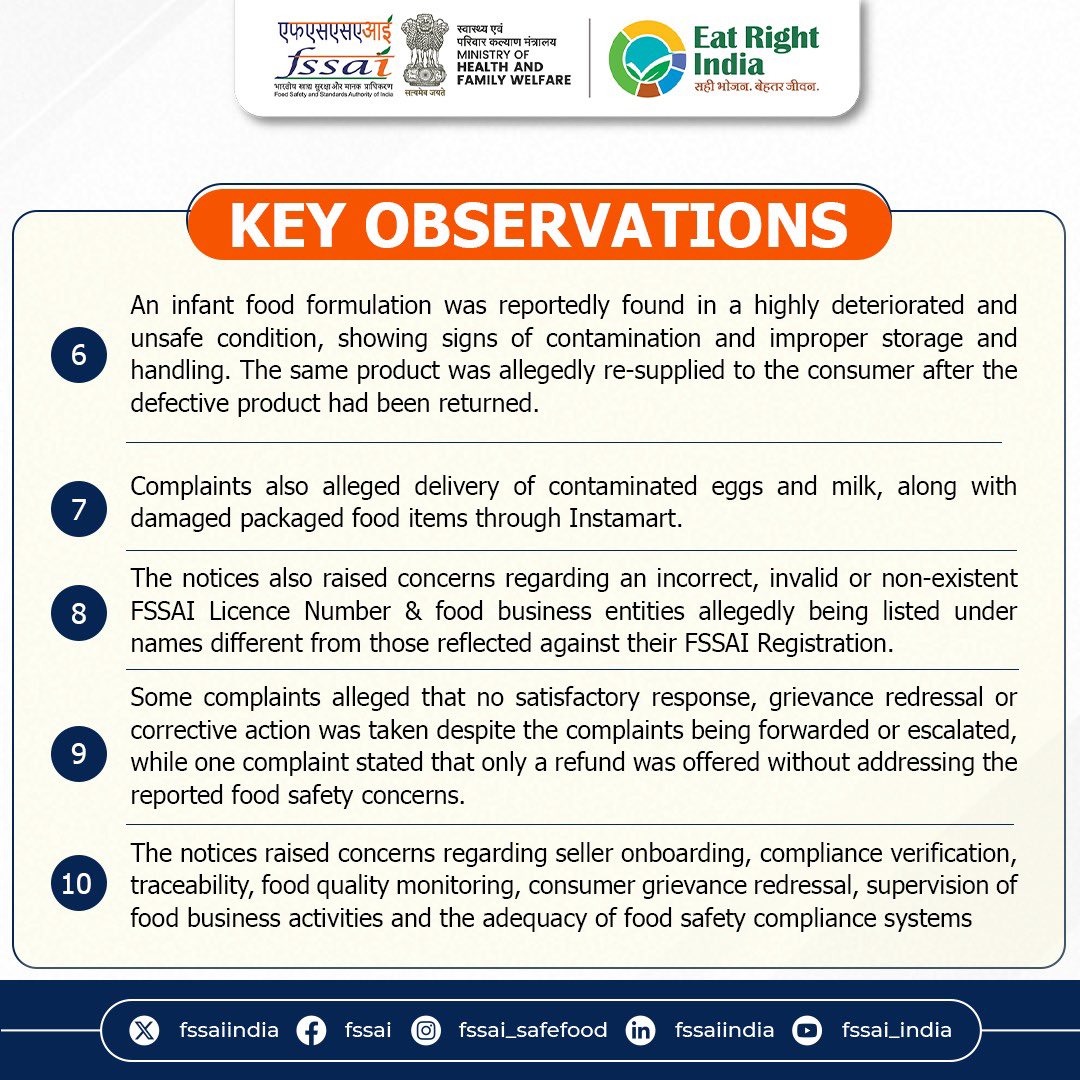
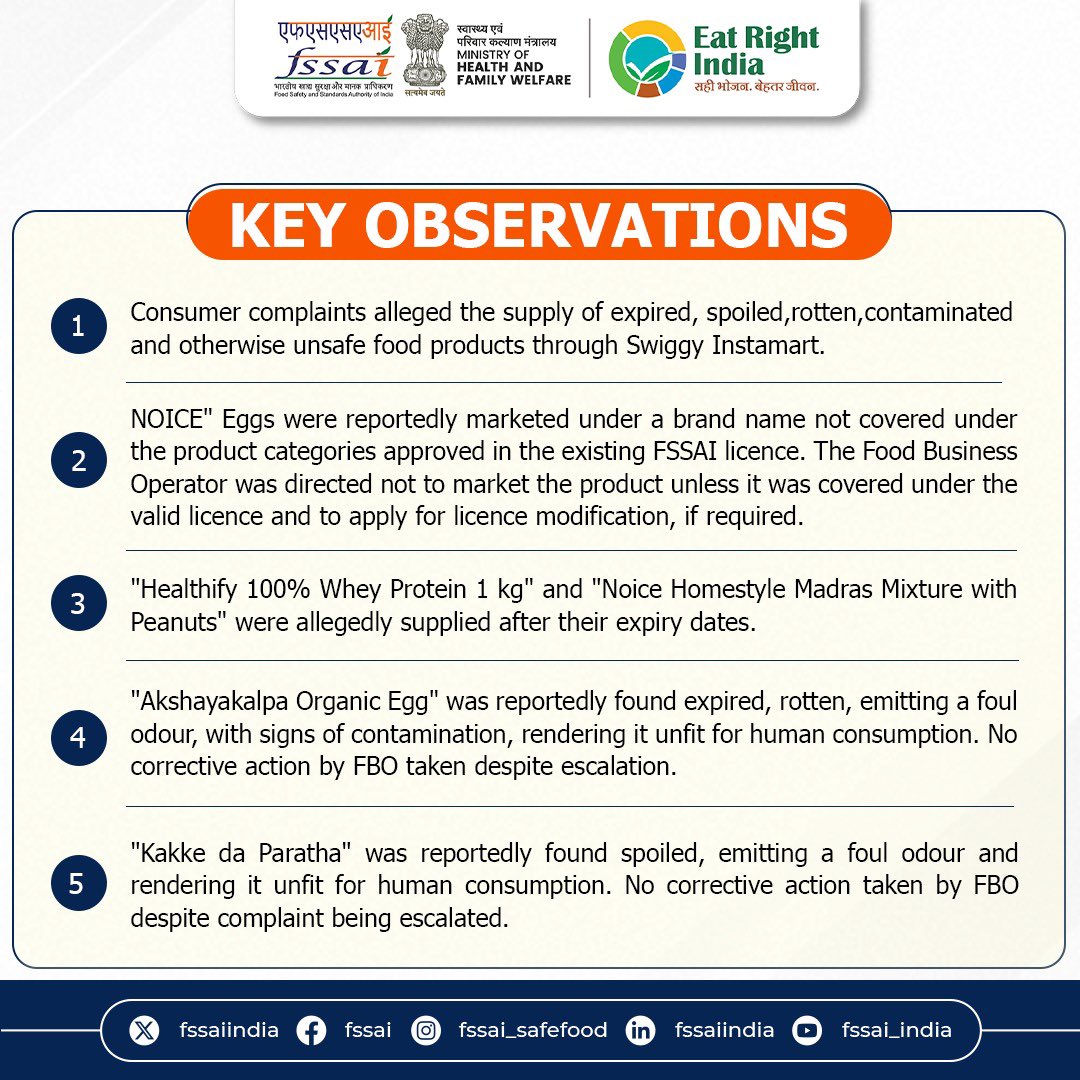
FSSAI has issued 9 notices to Swiggy Instamart following multiple consumer complaints alleging violations under the FSS Act 2006.
The FBO has been directed to submit a detailed explanation & compliance report failing which appropriate legal action will be initiated #FSSAINotice
A product labelled "No Added Sugar", "100% Natural", or "Healthy" can still contain high amounts of sugar.
The latest TOI article explains why reading the nutrition label and ingredient list is more important than believing marketing claims.
Link:https://t.co/MfogxIMwE6
The Central Drugs Standard Control Organisation (CDSCO) has proposed restricting the use of identical brand names for medicines containing different active pharmaceutical ingredients (APIs) to enhance patient safety and eliminate therapeutic confusion.
Commenting on the initiative, Dr. Neeraj Nischal, Professor in the Department of Medicine at AIIMS New Delhi, emphasized that utilizing the same root brand name for unrelated medications significantly increases the risk of prescribing, dispensing, and patient-level administration errors.
#PatientSafety #HealthcareIndia #CDSCO #AIIMSNewDelhiInNews
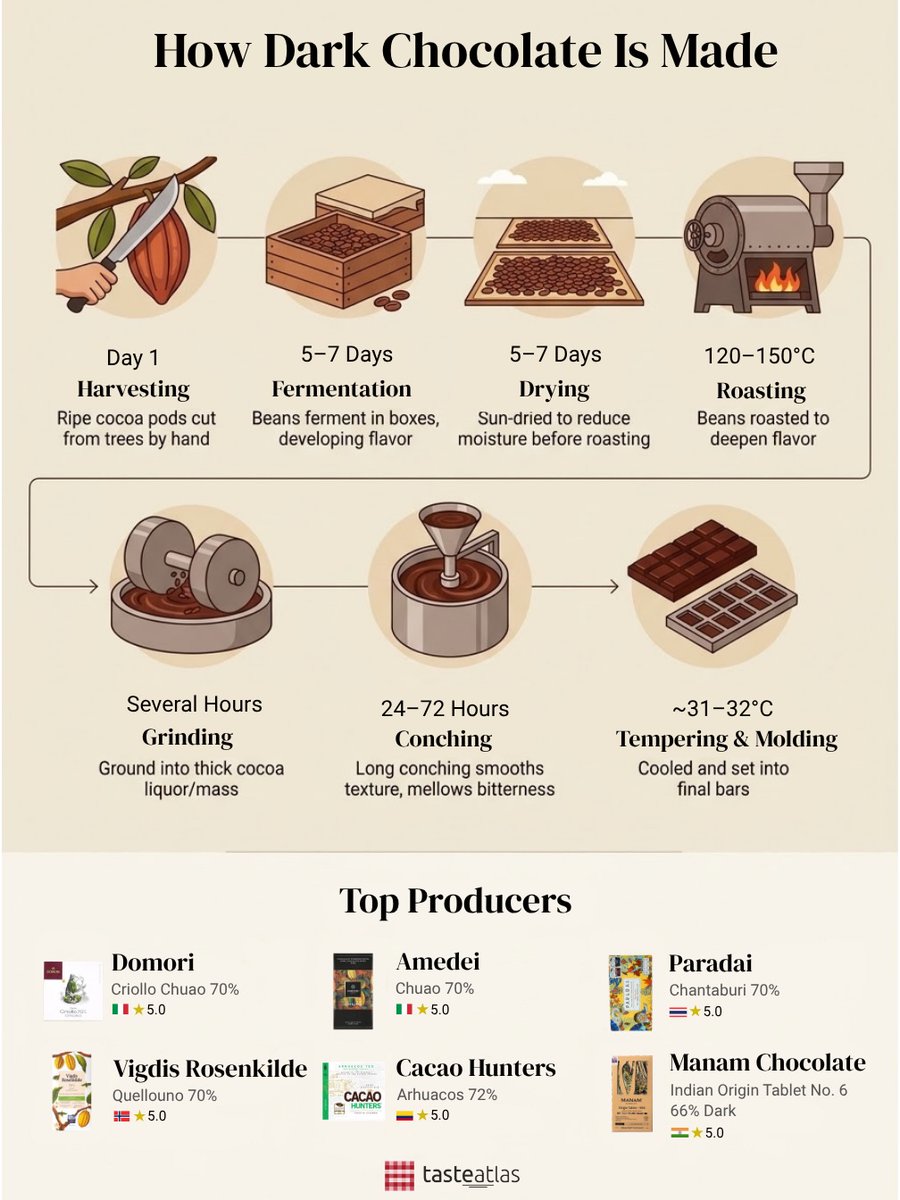
Happy World Chocolate Day! 🍫https://t.co/fKmA4oKN0H
Milk chocolate has only been around since 1875, when a Swiss chocolatier worked out how to combine cocoa with milk powder, and it's been the world's best-seller ever since. White chocolate came later, in the 1930s, essentially a byproduct of Nestlé looking for a use for surplus cocoa butter. Dark chocolate actually predates them both, the original form before anyone thought to soften it with milk. Milk still leads global consumption today, but dark keeps gaining ground with people chasing bolder, less sweet flavor.
@domorichoc@AuroChocolate@ChocolatesElRey@obolochocolate@omnomchocolate@pumpstchocolate@LuisaAbram
India is the world's largest producer and exporter of rice, yet the Food Corporation of India (FCI) is holding rice stocks that are nearly five times the prescribed buffer norm, at a carrying cost of over Rs. 10,712 crores in FY25.
In their latest article, Ashok Gulati, Ritika Juneja, and Purvi Thangaraj trace this surplus to three interlinked policy distortions: open-ended MSP procurement, with several states offering bonuses above the MSP; free electricity and heavily subsidised urea.
Instead of addressing these underlying distortions, the government's response has been to divert surplus rice to ethanol production, supplying rice to distilleries at Rs. 23/kg despite FCI's economic cost of about Rs. 44/kg on the justification that it is broken and damaged rice.
The authors also highlight the environmental costs of the current policy framework, including the use of ~ 4,000 litres of water to produce one kilogram of rice, high methane emissions from paddy cultivation, and nitrate contamination of groundwater associated with serious health risks.
To address these challenges, the authors recommend capping state procurement at 40% of production, discontinuing state MSP bonuses, limiting free PDS supplies to the most vulnerable households, shifting ethanol production towards maize, and replacing fertiliser subsidies with direct income support.
Read more:
Financial Express: https://t.co/PGado3L3Dg
Indian Express: https://t.co/43KiCohXWn
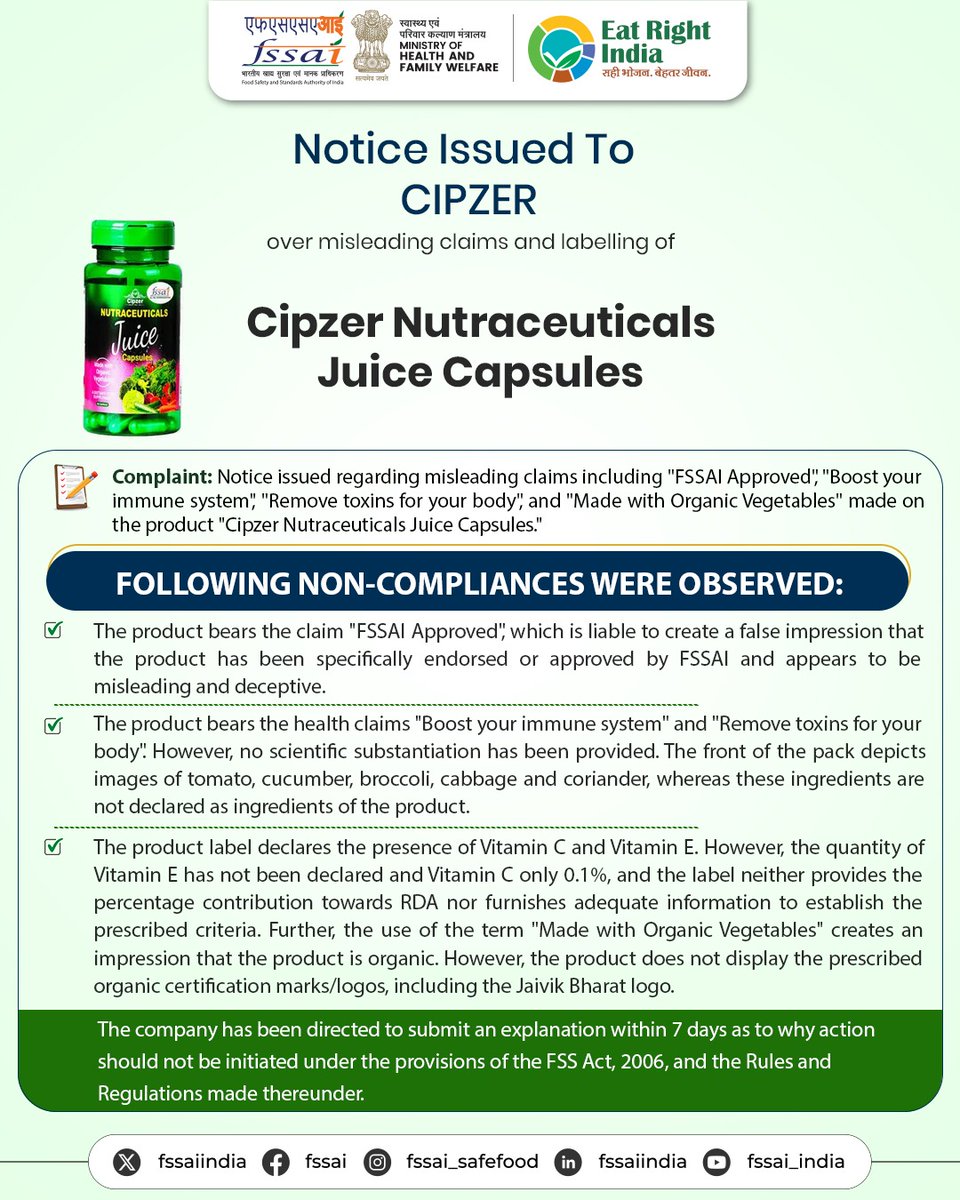
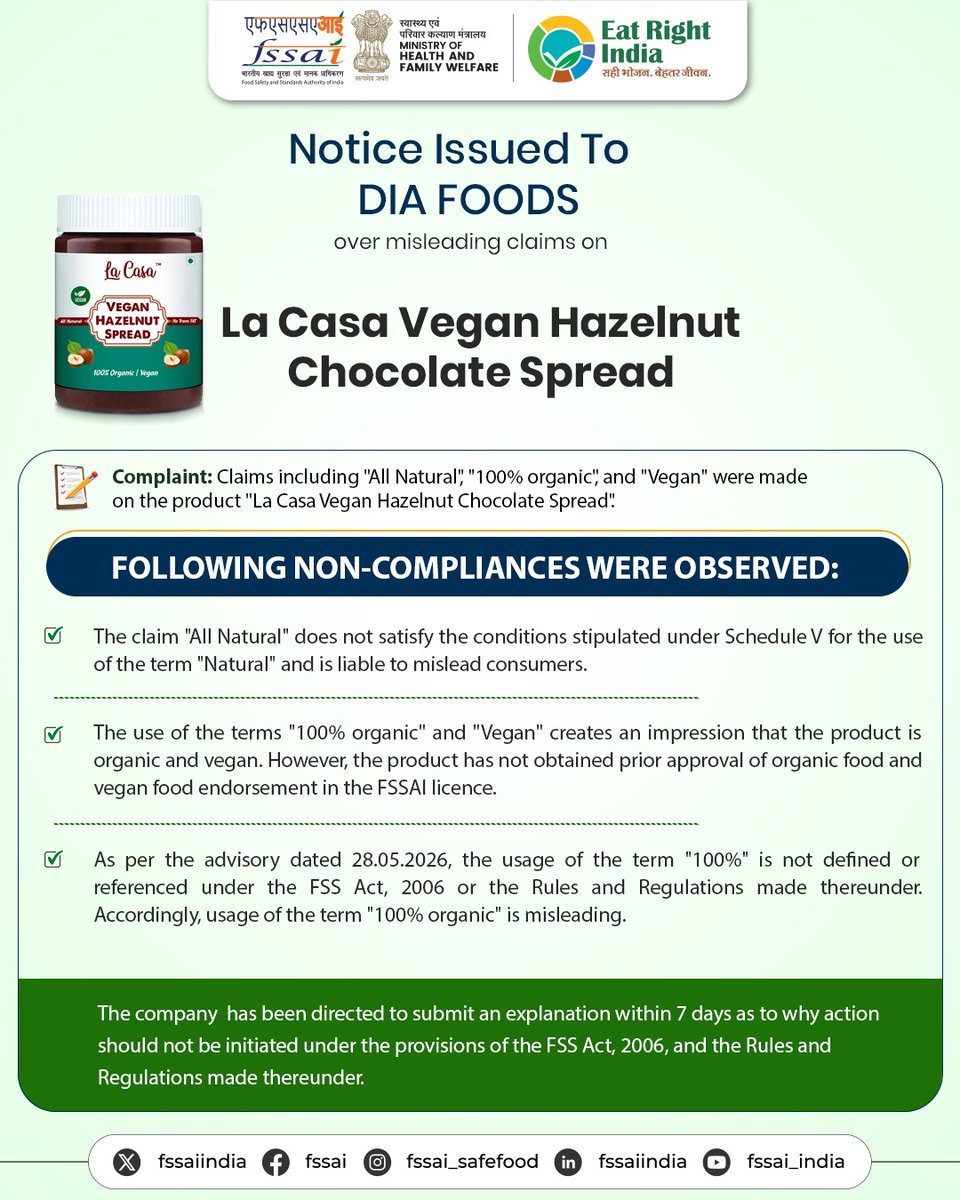
FSSAI has issued notices to several food business operators (FBOs) for violating provisions of the FSS Act, 2006 regarding misleading claims. FBOs are directed to strictly comply with the established regulations and to take corrective measures. #FSSAIAction#FSSAINotice
The Indian Institutes of Technology (IITs) in india have the most objective selection process of any undergraduate engineering program worldwide. There are no essays or legacy priorities. One just has to do exceedingly well on two ultra tough tests. The IITs admit just 1.1% of applicants! It is 3-4x easier to get admitted to @mit, @Stanford, @Harvard and @Princeton!
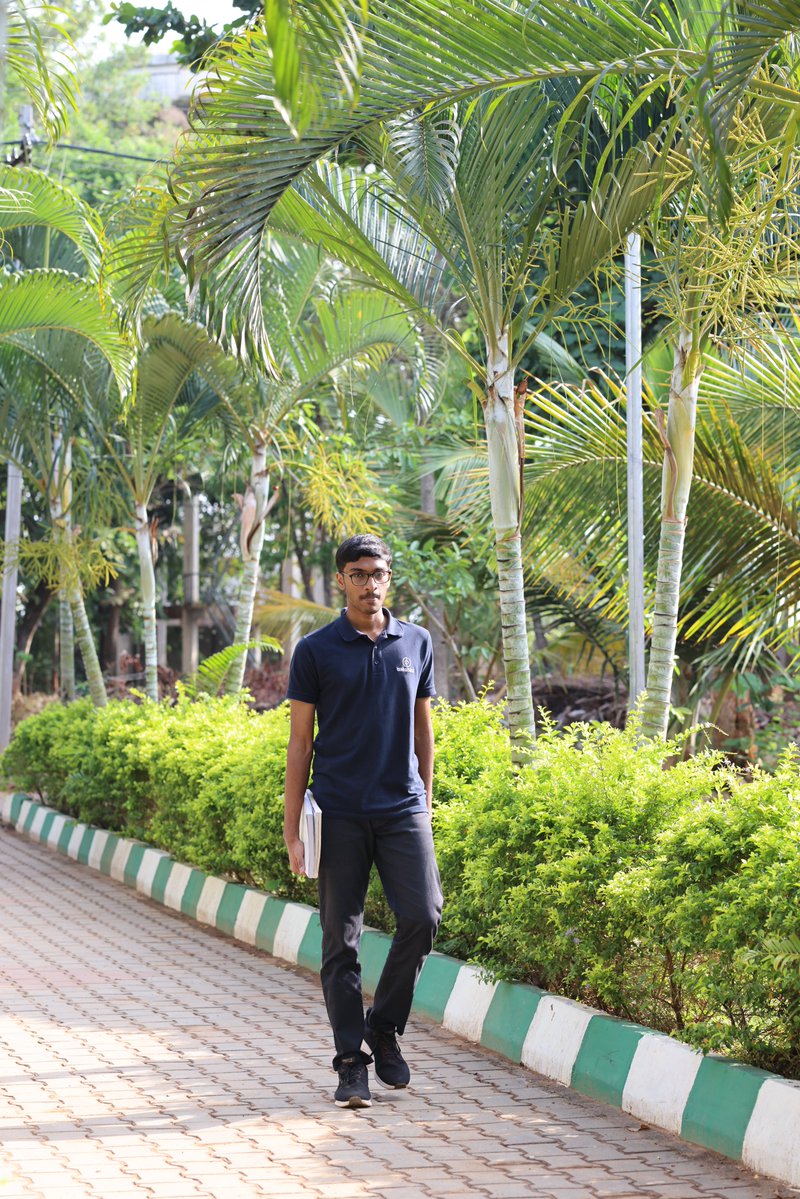
I am excited to share that this year one of our @dakshanaindia Scholars, Godavarthi Harshit Visweswar, got a rank of 39 (out of over 1.5 million applicants!) in the first IIT selection test. He is a sure shot to be admitted and get the campus and major he prefers.
His friends call him GHV and I’ll do the same. GHV grew up in the remote hinterlands of Prakasam District in the State of Andhra Pradesh in India. His father is a farmer and the family somehow survives on $5/day.
When GHV was in 8th grade, a @dakshanaindia alum, Keshava Chandra, who used to be in the same school as GHV delivered Dakshana’s Inspire session at the school. Each year our alums visit hundreds of schools to inspire the next generation of students to aspire to be @dakshanaindia Scholars. GHV was impressed that Keshava was a student at @iitkgp and understood that if he wanted to go to IIT, he needed to be accepted as a @dakshanaindia Scholar after 10th grade.
If there was no @dakshanaindia, the closest location for GHV to get coached for the IIT entrance exam is over 150 miles from his home and the costs of $4000+ would have been completely out of reach. Sometimes all we need is a gentle nudge in the right direction. I received a similar nudge in 8th grade and it totally changed my life trajectory.
GHV was the only kid from his school accepted by @dakshanaindia in 2024. We relocated him to Dakshana’s Center of Excellence in Bengaluru and he was coached for two years at The Charles T. Munger Hall. Charlie would be proud! Congratulations to GHV, his family and his teachers. The future for GHV and his descendants looks very bright. This is @dakshanaindia at its very best!
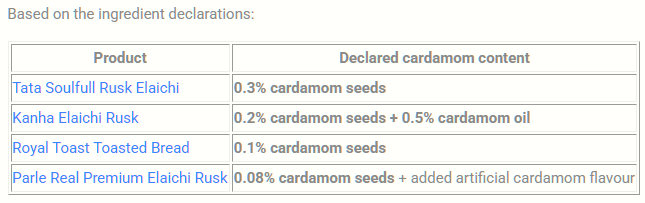
Also known as gunpowder, Idli Podi is a dry, coarse spice powder traditionally made from roasted lentils (urad dal, chana dal), dried red chilies, sesame seeds, curry leaves, and spices.
https://t.co/y9bZi4oaqi
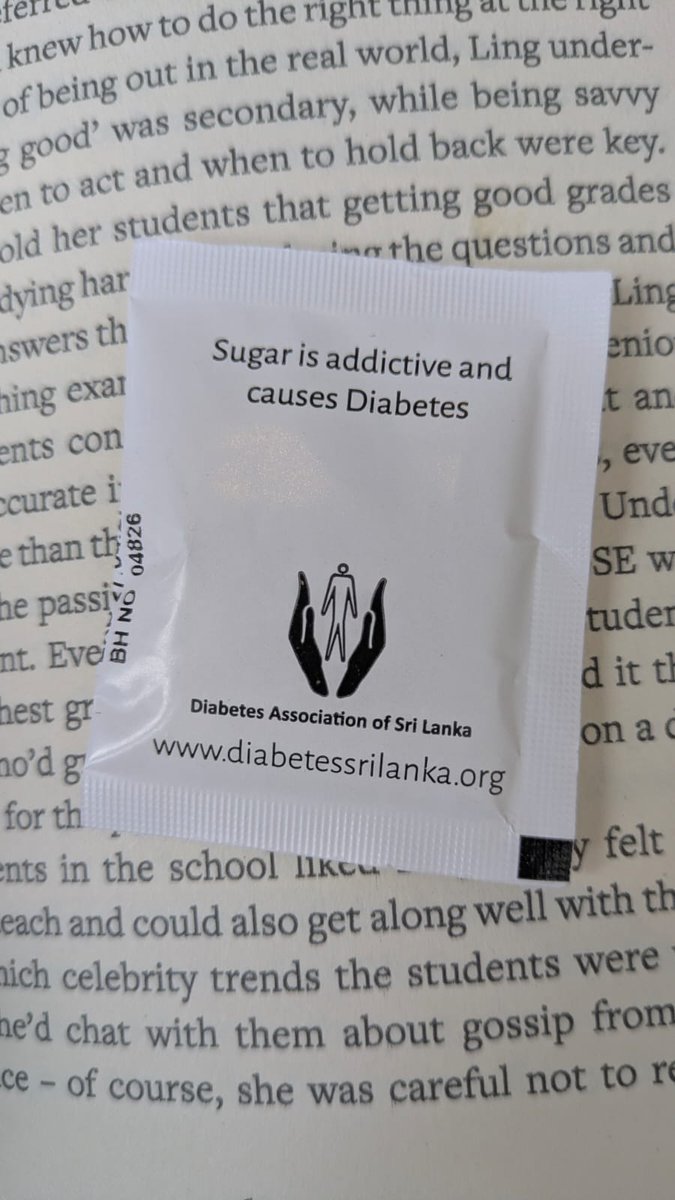
A friend this morning sent me this from Sri Lanka.
A sugar sachet that doesn't just sweeten your tea. It carries a warning:
"Sugar is addictive and causes diabetes."
I've spent years working in public health across Asia, and I'd never seen this before.
Whether you agree with the wording or not, one thing is clear: countries are starting to treat diabetes prevention as something that belongs in everyday life—not just hospitals.
Sometimes the smallest messages start the biggest conversations.
#Diabetes
@Moveribfan @BasharatDar_R @DrKristieLeong Thanks @Juhi_simply_me for sharing this.
The benefits of Papaya Leaf has been known in India for Generations
Good to see a scientific validation
In Dengue when Platelet counts collapse Papaya Leaf juice and extract tablets are extremely effective.