Why are farmers in Bangladesh covering their rice fields with enormous nets?
The answer is simple: protecting the harvest from hungry birds.
As rice grains begin to ripen, birds can cause significant crop losses by feeding on the developing grains. To reduce the damage, farmers stretch protective nets over their paddy fields.
But that’s not their only trick!
Some farmers also hang artificial eagles to scare birds away from the crops. These visual deterrents can help, although birds may eventually get used to them.
And here’s another interesting approach: some farmers provide alternative feeding spots using rice stalks or other available materials, giving birds somewhere else to feed.
It’s a fascinating example of how farmers combine simple tools, observation, and practical problem-solving to protect their livelihoods.
What do you think works best: protective nets, predator decoys, or alternative feeding areas?
Never grab a lizard by the tongue and assume it’s harmless. This could be a Komodo dragon!
The world’s largest living lizard can grow to around 10 feet long, but its size is only part of what makes it such a formidable predator.
Razor-sharp teeth: Its serrated teeth can inflict deep, serious wounds.
Venomous bite: Scientists have found that Komodo dragons possess venom glands in their lower jaws. Their venom can interfere with blood clotting and contribute to blood loss and shock.
A remarkable sense of smell: By flicking their forked tongues, they collect scent particles and transfer them to a specialized sensory organ called the Jacobson’s organ. This helps them detect prey and other animals from a distance.
Surprising speed: Despite their heavy bodies and seemingly slow movements, Komodo dragons can sprint in short bursts.
For years, people believed bacteria in their mouths were the main reason their bites could be deadly. Research has since revealed that venom also plays a significant role.
The lesson? Never underestimate an animal because it appears slow.
Komodo dragons are powerful wild predators, and approaching or handling one can be extremely dangerous.
Would you dare to get close to the world’s largest living lizard?
China is building bridges in places where the ground seems almost impossible to reach.
Look at the scale of this construction site. Tower cranes lift massive components, workers operate high above the ground, and enormous steel frameworks rise piece by piece across a vast valley.
But the real engineering challenge isn’t just building higher. It’s making every section align precisely before it can be connected.
Every lift, every joint, and every structural component must be carefully coordinated to ensure stability and safety.
From reinforced steel and concrete to heavy lifting equipment and precision engineering, these projects demonstrate what human ingenuity can achieve when technology meets determination.
What looks impossible from the ground becomes a functioning transport link through careful planning, advanced machinery, and thousands of hours of skilled work.
This is more than bridge construction. It’s engineering that connects communities, crosses natural barriers, and reshapes transportation.
What amazes you most about projects like these: the height, the technology, or the precision required to build them?
Never grab a lizard by the tongue and assume it’s harmless. This could be a Komodo dragon!
The world’s largest living lizard can grow to around 10 feet long, but its size is only part of what makes it such a formidable predator.
Razor-sharp teeth: Its serrated teeth can inflict deep, serious wounds.
Venomous bite: Scientists have found that Komodo dragons possess venom glands in their lower jaws. Their venom can interfere with blood clotting and contribute to blood loss and shock.
A remarkable sense of smell: By flicking their forked tongues, they collect scent particles and transfer them to a specialized sensory organ called the Jacobson’s organ. This helps them detect prey and other animals from a distance.
Surprising speed: Despite their heavy bodies and seemingly slow movements, Komodo dragons can sprint in short bursts.
For years, people believed bacteria in their mouths were the main reason their bites could be deadly. Research has since revealed that venom also plays a significant role.
The lesson? Never underestimate an animal because it appears slow.
Komodo dragons are powerful wild predators, and approaching or handling one can be extremely dangerous.
Would you dare to get close to the world’s largest living lizard?
Why are farmers in Bangladesh covering their rice fields with enormous nets?
The answer is simple: protecting the harvest from hungry birds.
As rice grains begin to ripen, birds can cause significant crop losses by feeding on the developing grains. To reduce the damage, farmers stretch protective nets over their paddy fields.
But that’s not their only trick!
Some farmers also hang artificial eagles to scare birds away from the crops. These visual deterrents can help, although birds may eventually get used to them.
And here’s another interesting approach: some farmers provide alternative feeding spots using rice stalks or other available materials, giving birds somewhere else to feed.
It’s a fascinating example of how farmers combine simple tools, observation, and practical problem-solving to protect their livelihoods.
What do you think works best: protective nets, predator decoys, or alternative feeding areas?
KARONGI DISTRICT | YOUTH CLIMATE ACTION AND COMMUNITY SOLUTIONS
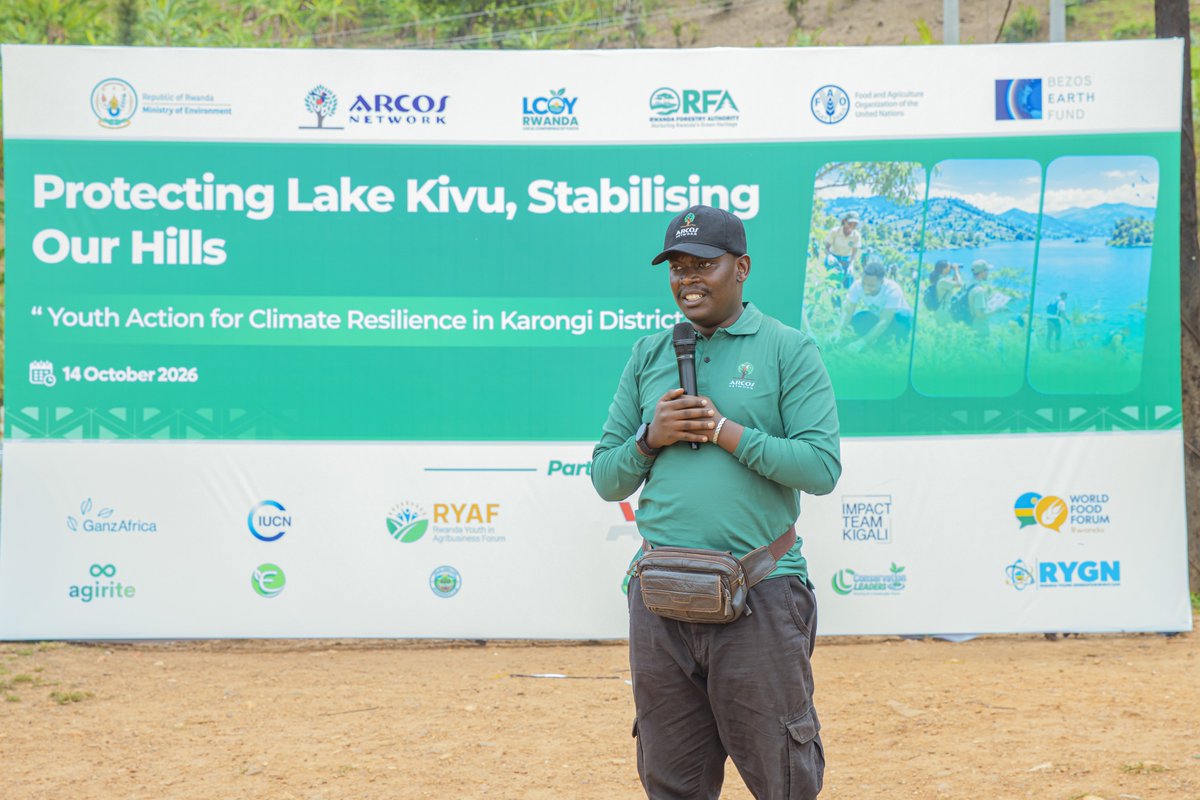
On 14 October 2026, the District Climate Advocacy Dialogues and KiRuCaRe Tree Planting Season Launch continued in Mubuga Sector, Karongi District, under the theme: “Protecting Lake Kivu, Stabilizing Our Hills: Youth Action for Climate Resilience in Karongi District.”
The programme brought together young people, local leaders and environmental stakeholders to discuss climate challenges, promote sustainable agriculture and strengthen community participation in environmental protection.
Sonia Umulinga of Green Sugira delivered the welcome remarks and introduced the purpose of the LCOY dialogue. Patric Dusengimana of World Food Forum Rwanda presented the district theme, highlighting the importance of youth action in protecting Lake Kivu, stabilising hillsides and strengthening climate resilience.
The Mubuga Executive Secretary participated in the official opening, while the ARCOS team introduced tree-planting and maintenance techniques and facilitated discussions on local climate challenges and possible solutions.
Participants highlighted several barriers affecting young people and agricultural development, including forest burning, limited access to investment capital—particularly for fruit and vegetable farming—and insufficient groups through which young people can organise and develop businesses.
In response, the Mubuga Executive Secretary said follow-up would be made to explore ways of supporting young people through the Vision Umurenge Programme (VUP).
The dialogue underscored the need to connect environmental conservation with agricultural investment, youth collaboration and practical economic opportunities. Building climate resilience requires community engagement, responsive leadership and sustained action.
@ARCOSNetwork @LCOYRwanda @EnvironmentRwanda @RwandaForestry@FAORwanda@BezosEarthFund@IUCN@Agirite@GanzAfrica
#LCOYRwanda2026 #KiRuCaRe #YouthClimateAction #FarmingWithNature #ClimateResilience #RwandaClimateMonth2026
YOUTH CLIMATE ACTION | NYAMAGABE DISTRICT
How can young people help protect Rwanda’s soil and restore degraded forests?
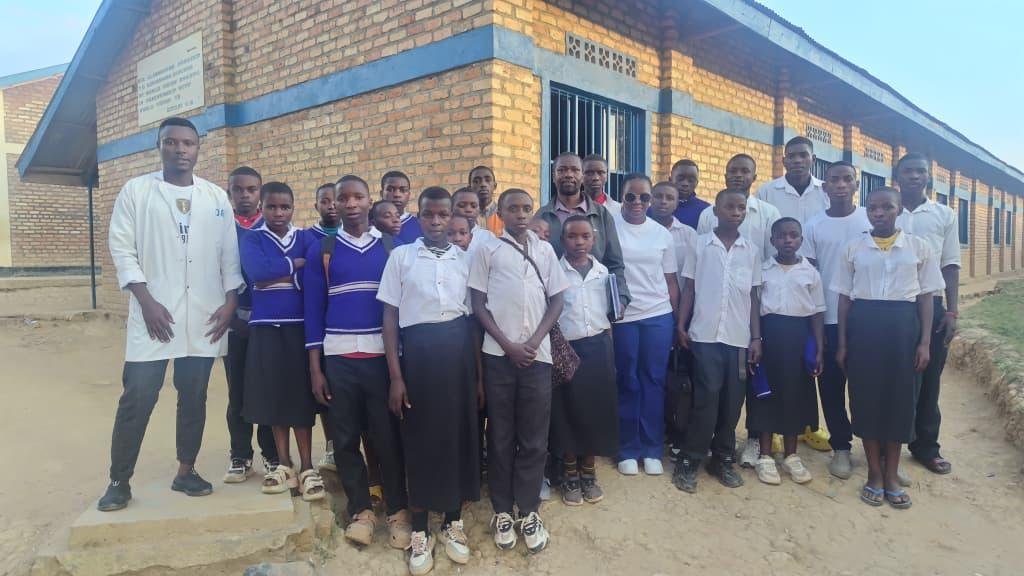
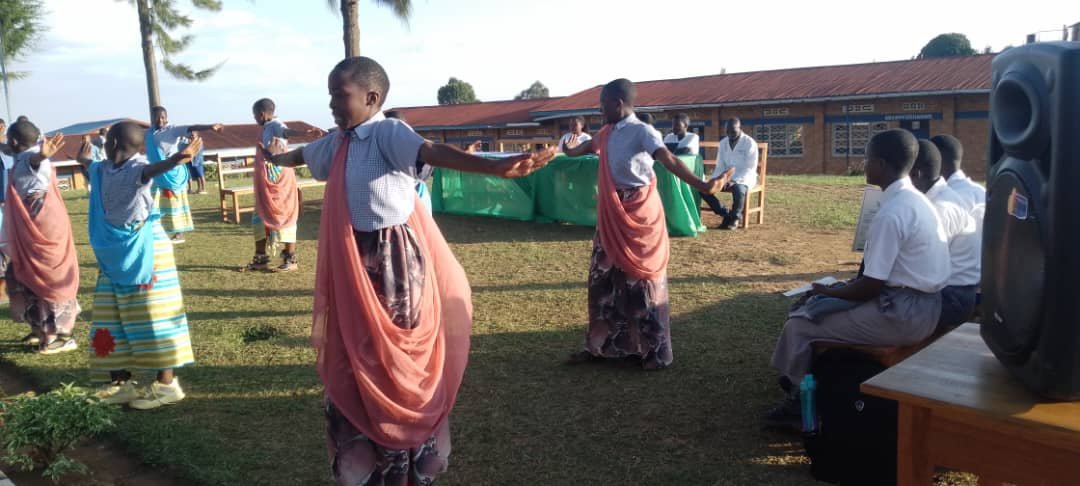
On 14 October 2026, @LCOYRWANDA26 conducted an environmental awareness session at GS Kitabi, @Nyamagabe, bringing together 85 students, including Environment Club members, alongside the club mentor and school head.
Under the theme “Erosion Control and Forest Restoration,” students explored practical measures to prevent soil erosion, including contour farming, maintaining vegetation cover, constructing soil conservation structures and planting trees. Discussions also highlighted forest restoration, fire prevention and the importance of caring for newly planted seedlings.
Students expressed their willingness to take action but called for more educational field trips, conservation equipment, regular training, learning materials and visits from environmental experts to strengthen their Environment Club activities.
Empowering young people with knowledge, practical skills and the resources to act is essential to building a generation committed to protecting soil, restoring forests and advancing climate resilience.
@LCOYRwanda @ARCOSNetwork @EnvironmentRwanda @RwandaForestry@RIB_Rw@Rwandapolice@FAORwanda@IUCN@Agirite@BezosEarthFund@GanzAfrica @RYAF_Rwanda @ImpactTeamKigali @WorldFoodForum @ConservationLeaders @RYGN
#LCOYRwanda2026 #YouthClimateAction #ErosionControl #ForestRestoration #ClimateResilience
NYAGATARE | Empowering Students to Protect Water Resources
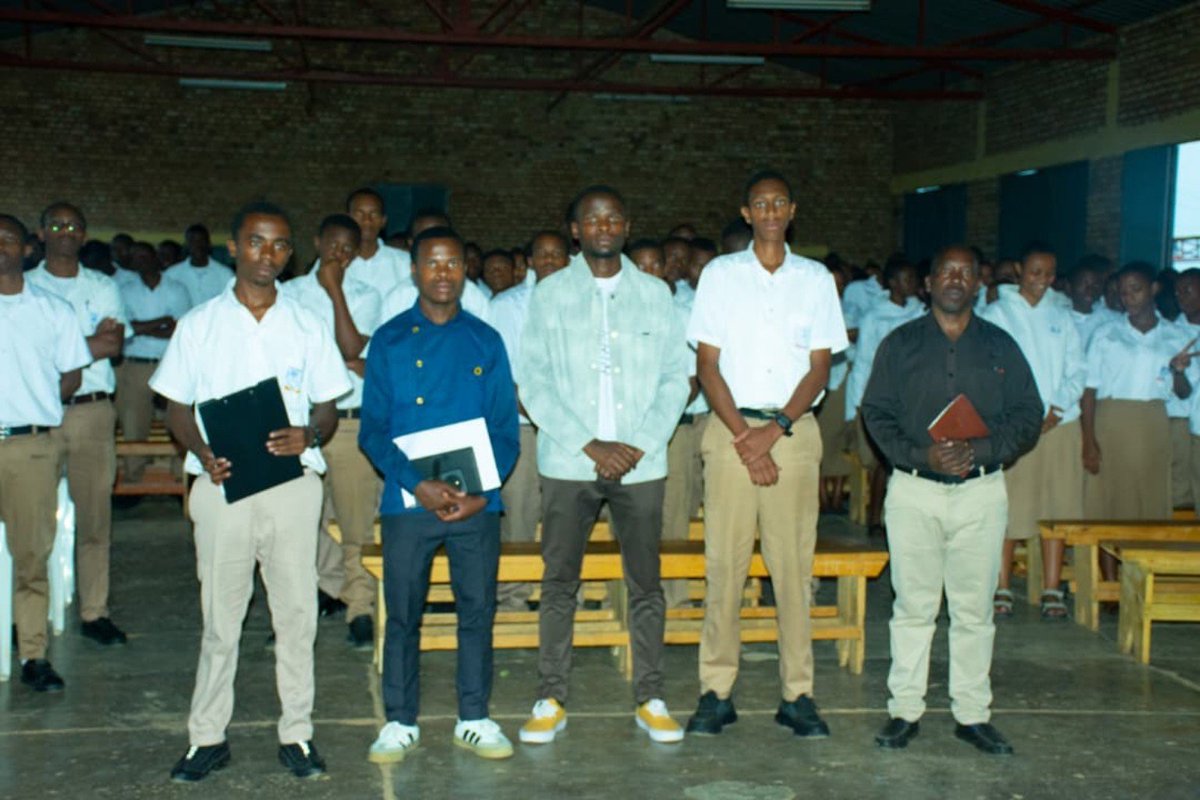
On 16 October 2026,LCOY RWANDA 2026 engaged 928 students at Nyagatare S.S in a dialogue on water conservation, water storage, livestock management and irrigation in Nyagatare’s rangelands.
Facilitated by Isidolla Kabasinga and Elvis Ndamutsa, the session explored the effects of climate change on water availability, agriculture and livestock, while encouraging students to adopt practical water-saving habits at school and at home.
The activity also marked the launch of a school Environmental Club, bringing together 60 members to sustain environmental protection and water conservation initiatives.
@LCOYRwanda @ARCOSNetwork @EnvironmentRwanda @RwandaForestry@RIB_Rw@Rwandapolice@FAORwanda@IUCN@Agirite@BezosEarthFund@GanzAfrica @RYAF_Rwanda @ImpactTeamKigali @WorldFoodForum @ConservationLeaders @RYGN
#LCOYRwanda2026 #YouthClimateAction #WaterConservation
KARONGI | Strengthening Environmental Action in Schools
On 14 October 2026, LCOY Rwanda’s school outreach at Rubengera TSS in Karongi District focused on environmental protection, tree planting, waste management and maintaining clean school surroundings.
The session encouraged students to take an active role in environmental conservation. The school’s Environmental Club, comprising 45 members, highlighted the need for fruit-bearing and non-fruit-bearing tree seedlings, support in addressing water-related challenges, and continued practical environmental education.
Strengthening school environmental clubs and responding to their practical needs can help turn awareness into sustained action.
@LCOYRwanda @ARCOSNetwork @EnvironmentRwanda @RwandaForestry@Rwandapolice@FAORwanda@IUCN@Agirite@BezosEarthFund@GanzAfrica @RYAF_Rwanda @ImpactTeamKigali @WorldFoodForum @ConservationLeaders @RYGN
#LCOYRwanda2026 #YouthClimateAction #EnvironmentalProtection
KAMONYI | Securing Water, Securing Futures
On 13 October 2026, LCOY Rwanda 2026 engaged 346 students at Saint Ignace Mugina TSS in a presentation on watershed protection, afforestation and climate resilience.
Led by Nadine Sikubwabo, the session explored the importance of protecting water sources, preventing soil erosion, conserving biodiversity and planting trees to safeguard water resources for communities, agriculture and livestock.
Students also discussed practical ways to conserve water and strengthen their participation in environmental protection. The school’s existing Environmental Club was encouraged to expand its activities, with calls for continued training, tree seedlings and practical support.
@LCOYRwanda @ARCOSNetwork @EnvironmentRwanda @RwandaForestry@Rwandapolice@FAORwanda@IUCN@Agirite@BezosEarthFund@GanzAfrica @RYAF_Rwanda @ImpactTeamKigali @WorldFoodForum @ConservationLeaders @RYGN
#LCOYRwanda2026 #YouthClimateAction #WaterConservation
NYARUGURU | Stabilising Slopes, Securing Livelihoods
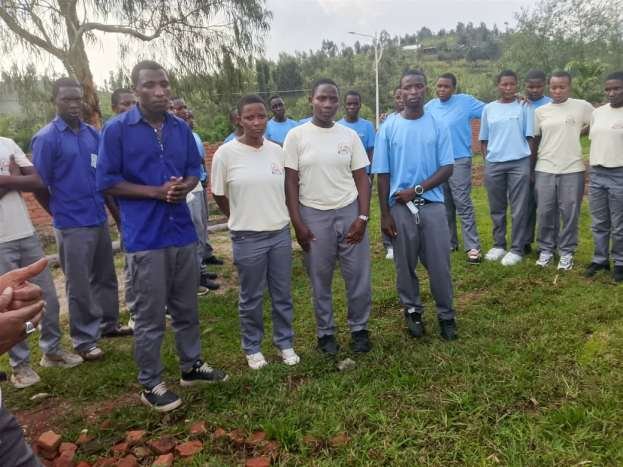
On 14 October 2026, LCOY Rwanda facilitated a training dialogue for 40 members of the Environmental Club at College IMANZI, focusing on agroforestry and slope stabilisation as practical approaches to tackling soil erosion and protecting livelihoods.
Led by Tuyishime François and Uwikunda Kezia, the session explored how tree planting, terraces, contour hedgerows, grass strips and mulching can help protect vulnerable slopes while supporting agricultural productivity and household resilience.
Participants also expressed interest in establishing a school tree nursery, planting fruit trees and sharing environmental knowledge with their communities.
Empowering young people with practical conservation skills is an important step towards more resilient landscapes and sustainable livelihoods.
@LCOYRwanda @ARCOSNetwork @EnvironmentRwanda @RwandaForestry@RIB_Rw@Rwandapolice@FAORwanda@IUCN@Agirite@BezosEarthFund@GanzAfrica @RYAF_Rwanda @ImpactTeamKigali @WorldFoodForum @ConservationLeaders @RYGN
#LCOYRwanda2026 #YouthClimateAction #Agroforestry
GICUMBI | Youth Engagement for Climate Resilience
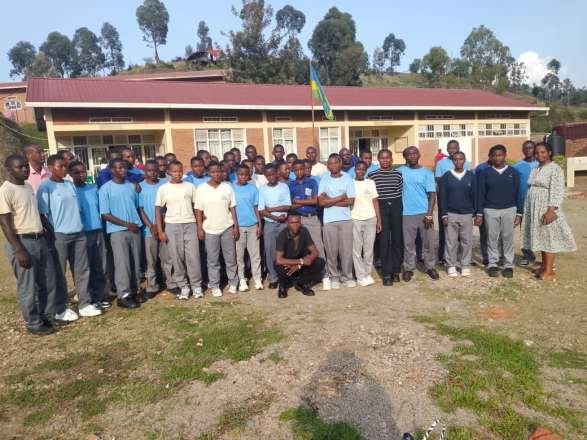
On 14 October 2026, 600 students and 20 teachers at GS Byumba EAR Primary and Secondary School participated in an LCOY Rwanda 2026 district dialogue on “Climate-Smart Gicumbi: Agroforestry and Sustainable Agriculture for Erosion Control.”
Led by presenter Christophore Nizeyumpatse, the two-hour session highlighted the importance of protecting soil, water and forests, while promoting agroforestry, sustainable farming and youth-led environmental action.
The dialogue also included a visit to the school’s environmental club, where members identified priorities including fruit tree seeds, watering cans and a learning visit to Rugezi.
@LCOYRwanda @ARCOSNetwork @EnvironmentRwanda @RwandaForestry@Rwandapolice@FAORwanda@IUCN@Agirite@BezosEarthFund@GanzAfrica @RYAF_Rwanda @ImpactTeamKigali @WorldFoodForum @ConservationLeaders @RYGN
#LCOYRwanda2026 #ClimateResilience #YouthClimateAction
Climate Action Month | Musanze: Empowering Students to Protect the Environment
On 16 October 2026, 20 students at Blessing Vision Unity Academy (BL EVA) in Musanze District participated in an environmental awareness session led by youth facilitators Uwase Marlene and Aman Natty Allan.
The discussion focused on climate change, soil erosion, landslides, agroforestry, and practical ways to protect hillsides. Students actively engaged in discussions on how young people can contribute to environmental conservation and climate resilience.
Climate action begins with awareness and grows through practical action. Empowering young people today is an important step towards a safer and more sustainable future.
#ClimateActionMonth #Musanze #ClimateAction #EnvironmentalProtection #YouthEngagement #Agroforestry
Climate Action Month | Gisagara: Reviving the Land Through Sustainable Farming
On 16 October 2026, LCOY Rwanda 2026 youth volunteers Kanyamuhanda Etienne and Ikirezi Sifa Pelagie engaged students at Saint Kizito Save TVT School in Gisagara District in a dialogue on soil fertility, agroforestry, irrigation and organic solutions for sustainable agriculture.
The session explored practical ways to protect soil, use water efficiently, restore soil nutrients and strengthen climate resilience through sustainable farming practices.
Healthy soil, responsible water use and thriving trees are essential to building resilient communities and sustainable food systems.
@LCOYRwanda @ARCOSNetwork @EnvironmentRwanda @RwandaForestry@Rwandapolice@FAORwanda@IUCN@Agirite@BezosEarthFund@GanzAfrica @RYAF_Rwanda @ImpactTeamKigali @WorldFoodForum @ConservationLeaders @RYGN
#ClimateActionMonth #Gisagara #ClimateAction #Agroforestry #SoilHealth #SustainableAgriculture
NGOMA | Youth Advancing Conservation Agriculture
On 15 October 2026, LCOY Rwanda ambassadors Tuyizere Jean Aime and Karasira Nyiramugisha engaged 150 students at G.S. Nshili in a dialogue on “Farming Future with Conservation Agriculture.”
The session explored practical environmental action, including tree care and conservation practices. The ambassadors also met with the school’s Green Ambassadors Club, which has 52 members, to discuss the materials and support needed to strengthen its environmental initiatives.
Investing in environmental education empowers young people to become active contributors to a more sustainable future.
@LCOYRwanda @ARCOSNetwork @EnvironmentRwanda @RwandaForestry@Rwandapolice@FAORwanda@IUCN@Agirite@BezosEarthFund@GanzAfrica @RYAF_Rwanda @ImpactTeamKigali @WorldFoodForum @ConservationLeaders @RYGN
#LCOYRwanda2026 #YouthClimateAction #ConservationAgriculture