Our opinion on "Epitope landscape in autoimmune neurological diseases and beyond" is out in @TrendsinPharma https://t.co/crXaRUbtPT ... In addition, our cover was selected for the September issue 😃 inspired by the Abruzzo region @Regione_Abruzzo @RVZ_Wuerzburg @Izkf_Wuerzburg
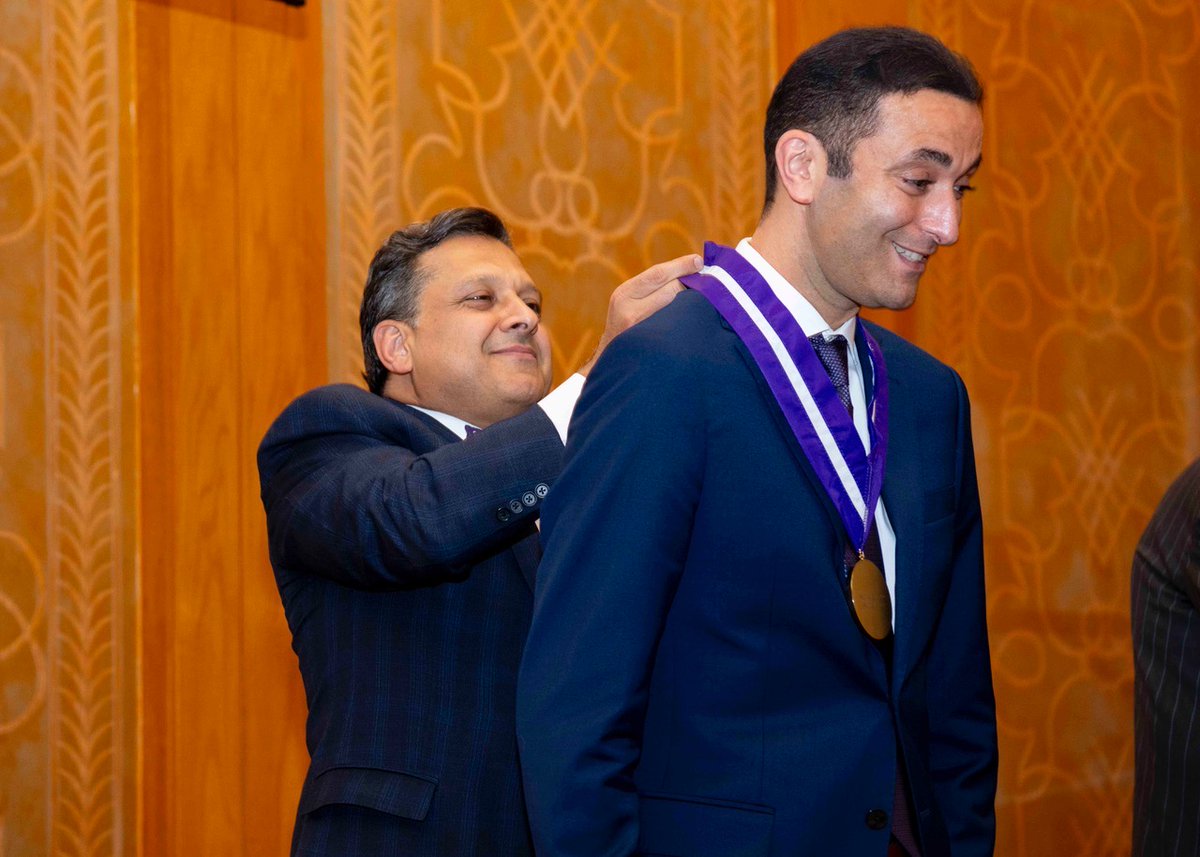
Pioneering scientist Svetlana Mojsov, PhD, captivated the Northwestern audience with her 2026 #KimberlyPrize Lecture, sharing the story behind her discovery of the #GLP1 hormone and its transformation of #diabetes and obesity treatment.
🔗 https://t.co/H4pFR0Tg2P
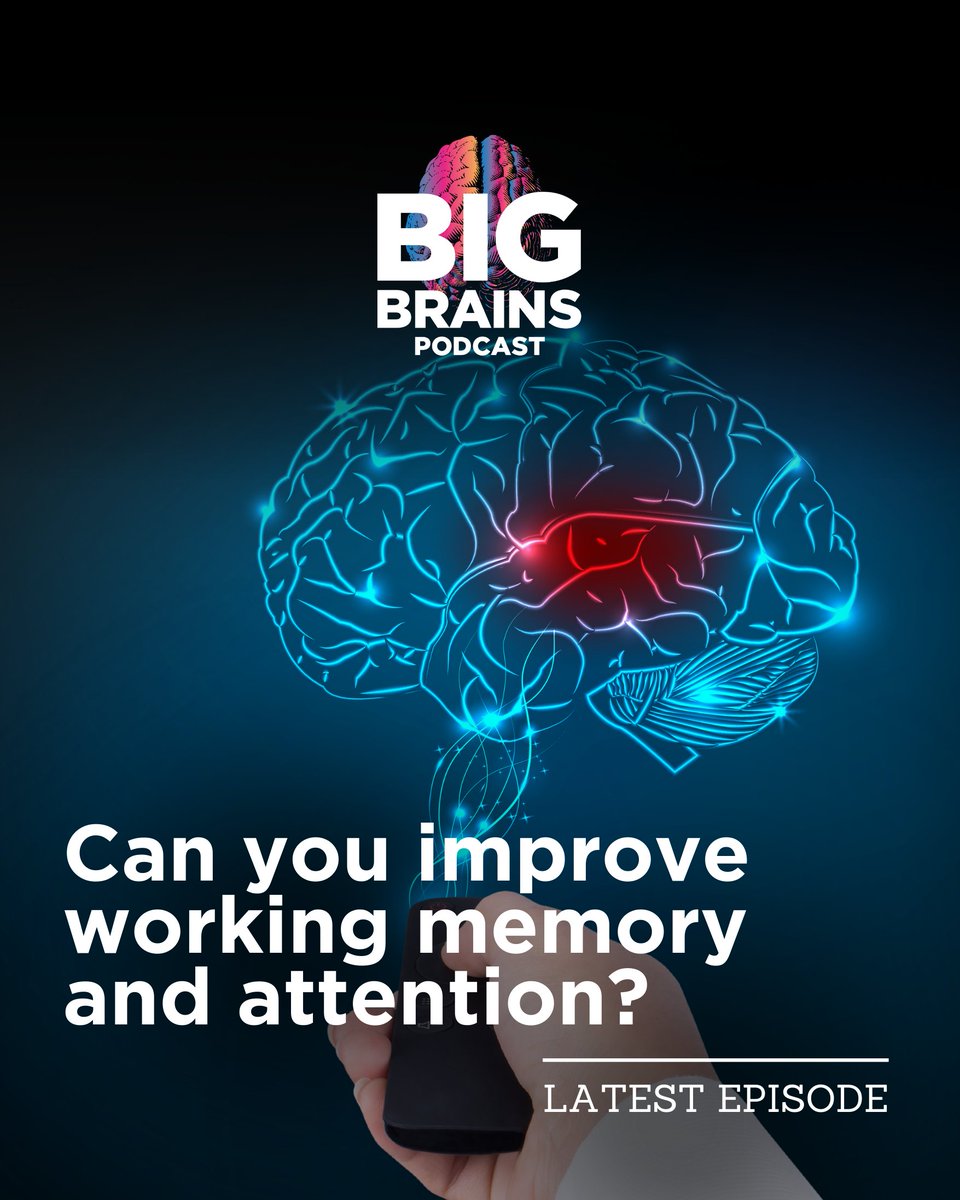
We’re constantly flooded with information—but our brains can only store so much. What actually separates people with great memories from everyone else? On @BigBrainsUC, UChicago Prof. Edward Awh explains why attention is the real key to memory. https://t.co/MFYe5cffgD
Northwestern scientists have found that tiny 'traffic controllers' impact how cells slow down during #aging, per @MolecularCell. https://t.co/R144yT7FV2
How do TATA-less promoters recruit TFIID—and why does it matter for BET-targeted therapeutics? A groundbreaking study by Northwestern University School of Medicine Fienberg Fellow Dr. Bin Zheng reveals a distinct and essential role for BRD2 in transcriptional control. https://t.co/UZNnC56wgv The work shows that BRD2 bromodomains selectively bind MOF-mediated H4K16ac, while its C-terminus recruits TFIID to initiate transcription at promoters and enhancers. In contrast, BRD4 primarily regulates transcriptional elongation in a BET-domain–independent manner. These findings redefine functional specificity within the BET family, demonstrating that BRD2 and BRD4 act at different transcriptional steps and that their BET domains are not interchangeable. Congratulations to Bin on this exceptional body of work, which uncovers key limitations of BET inhibitor–based therapies and significantly advances BET family–targeted therapeutic strategies. @NU_BMG_SQE@NUFeinbergMed@theNASciences@CellPressNews@MolecularCell@ScienceMagazine@Nature@NatureGenet@pfizer@JNJNews@Merck@EliLillyandCo@abbvie@Amgen@biogen@Novartis@AstraZeneca
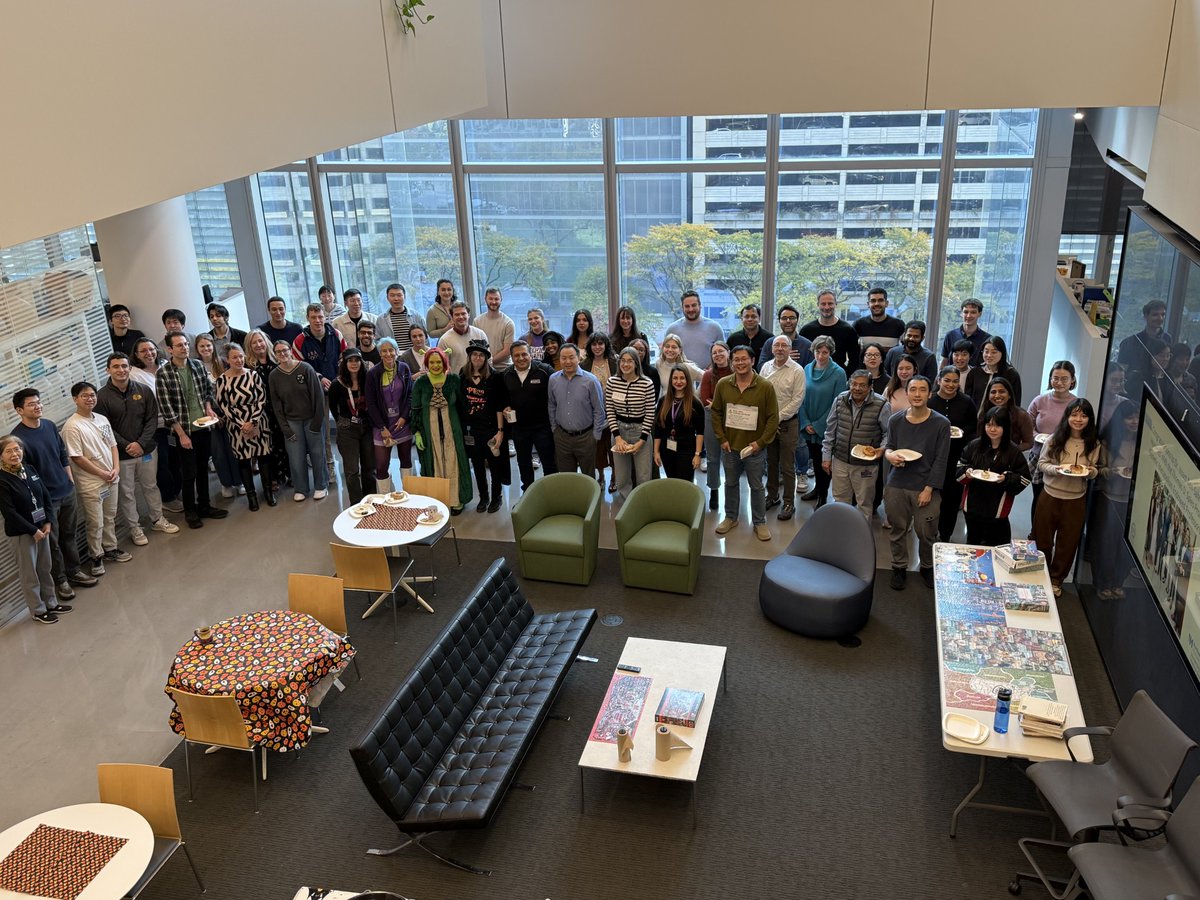
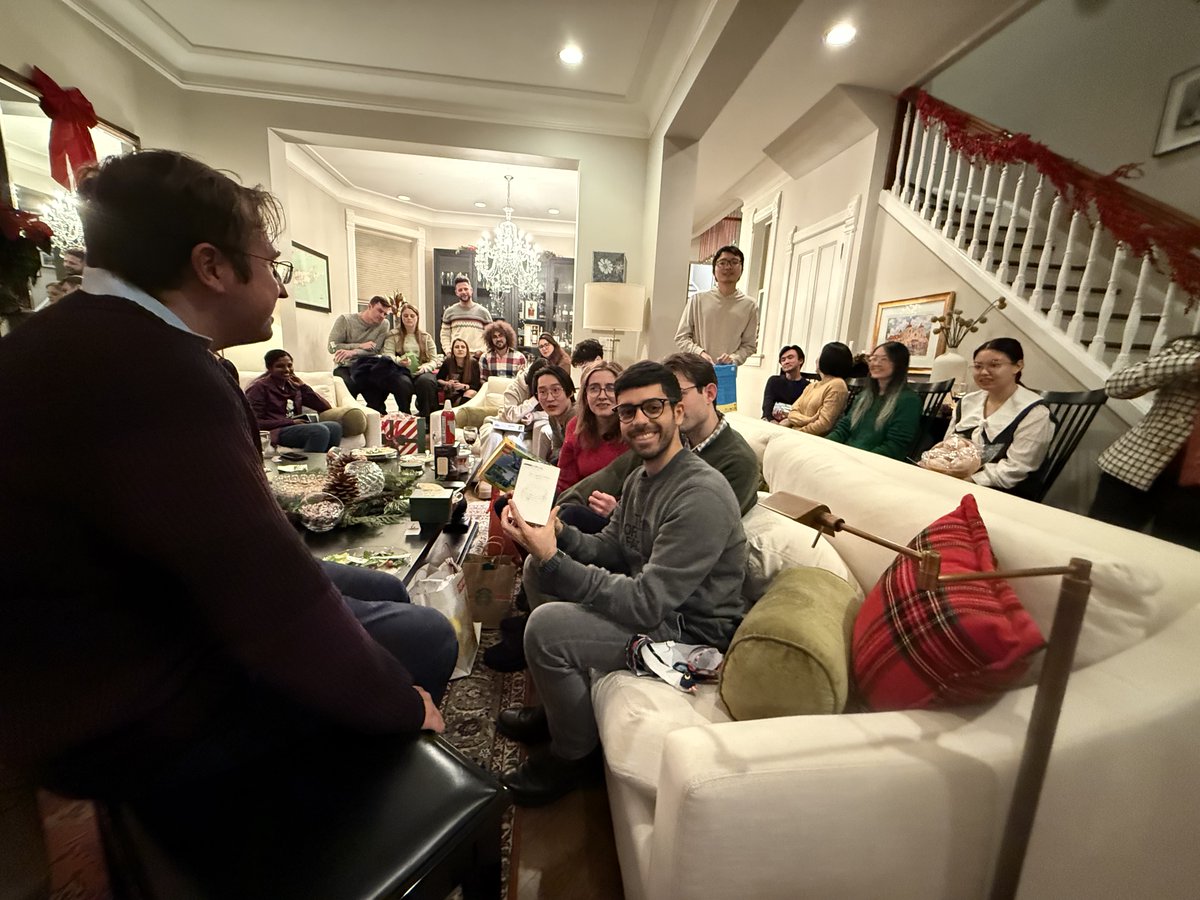
A year of great discoveries deserves an outstanding celebration 🧪🎉 Lucky to work with such a fantastic group of colleagues in the Shilatifard’s laboratory @NU_BMG_SQE@NUFeinbergMed@NorthwesternU
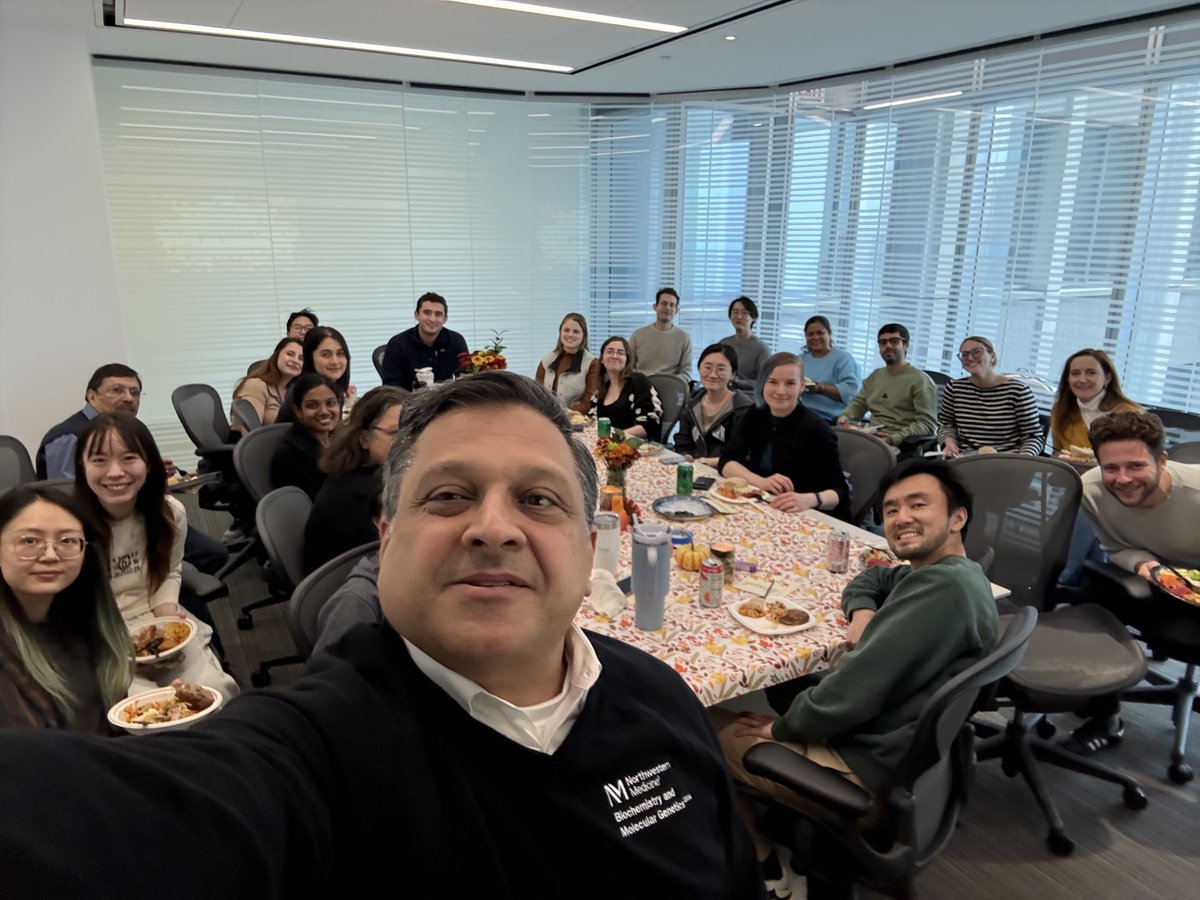
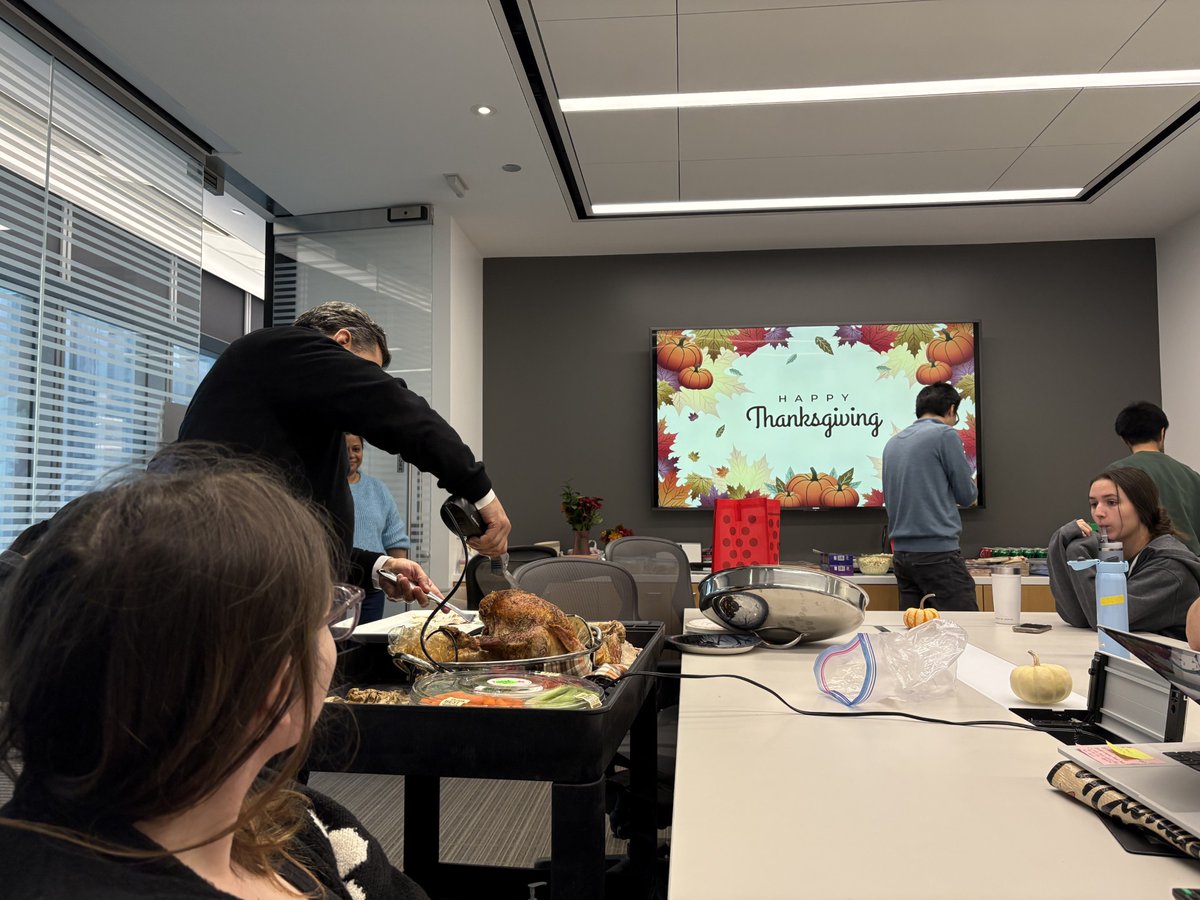
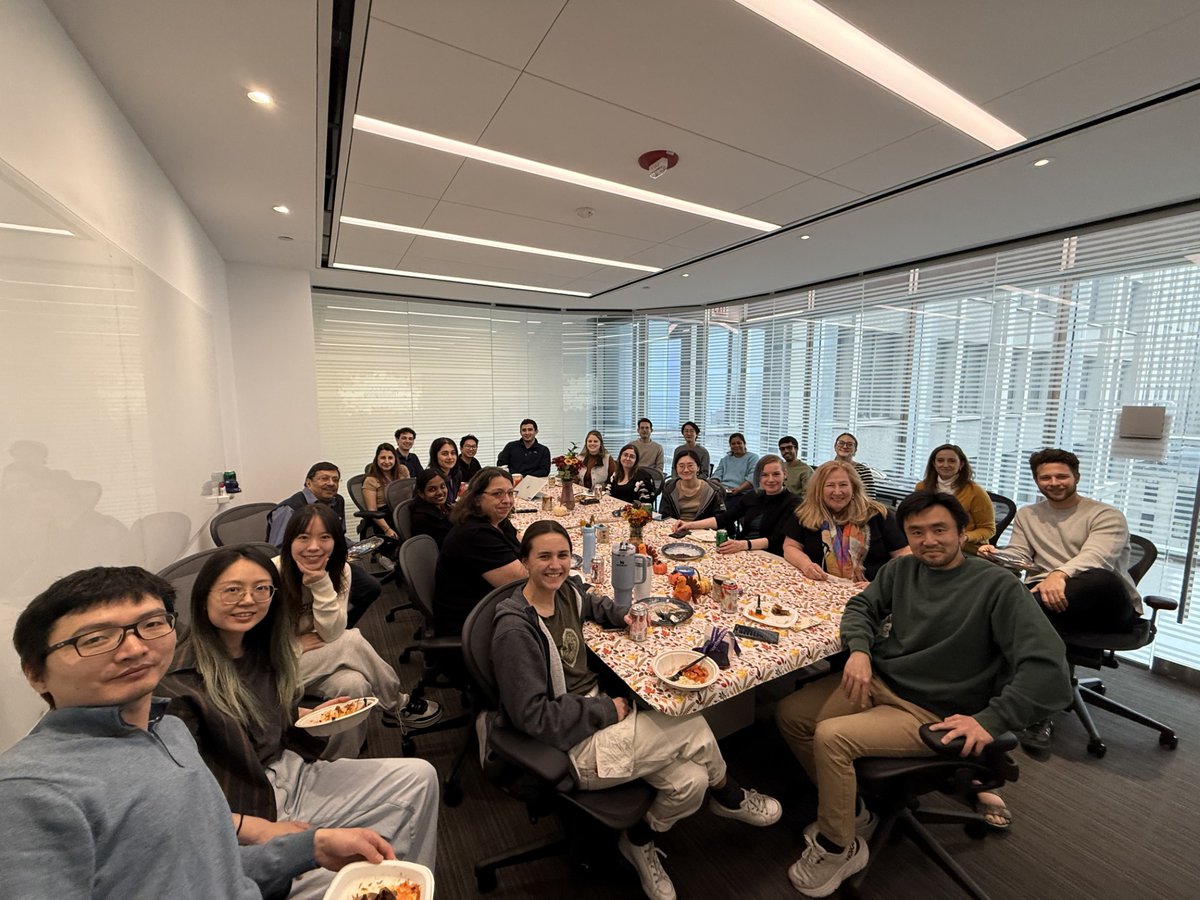
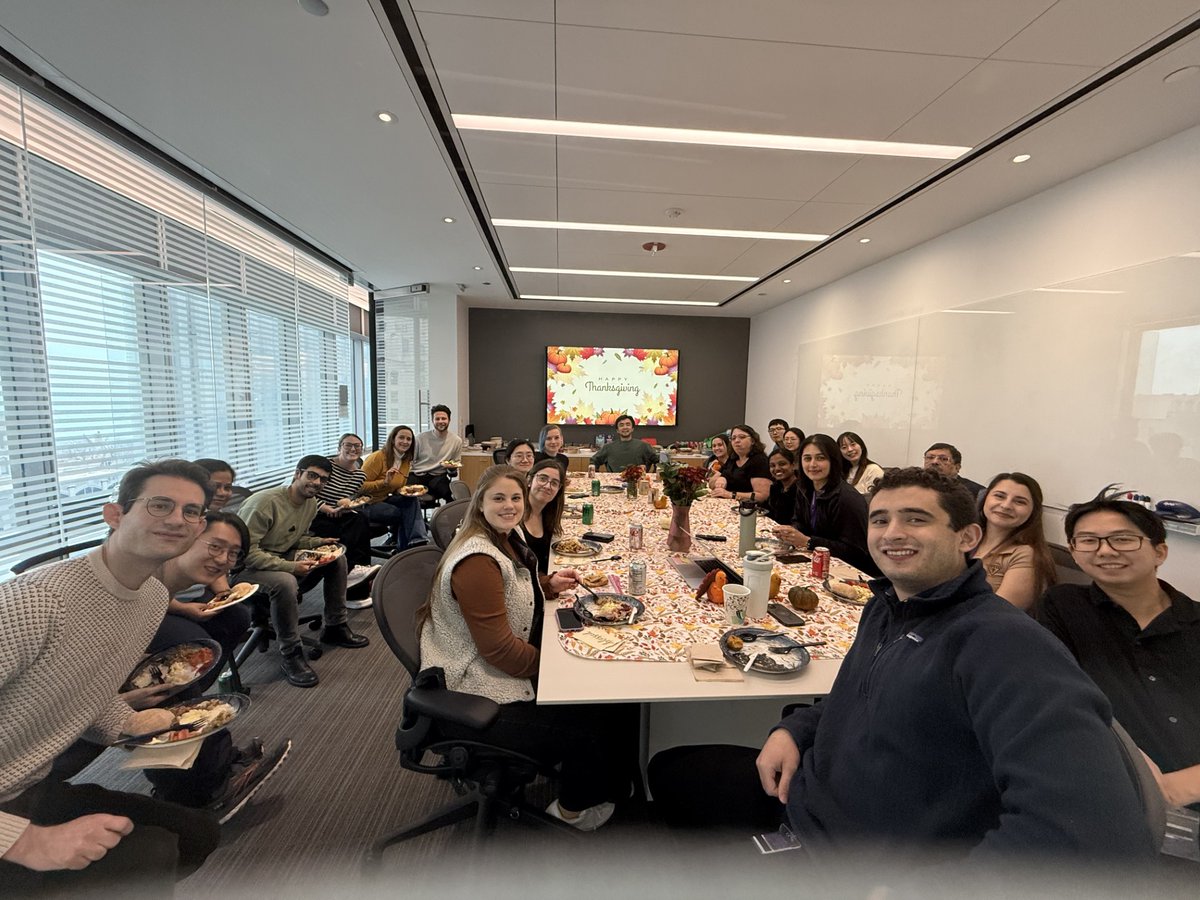
Happy Thanksgiving from the Shilatifard Lab! We are deeply grateful for all of our blessings — not only the scientific discoveries we pursue, but the incredible people who make our work and world meaningful every day. Wishing everyone a joyful, restful and blessed holiday! @NU_BMG_SQE #Thanksgiving
Schaefer, M., Peneder, P., Malzl, D. et al. Multimodal learning enables chat-based exploration of single-cell data. Nat Biotechnol (2025). https://t.co/RRtIdXSTNa
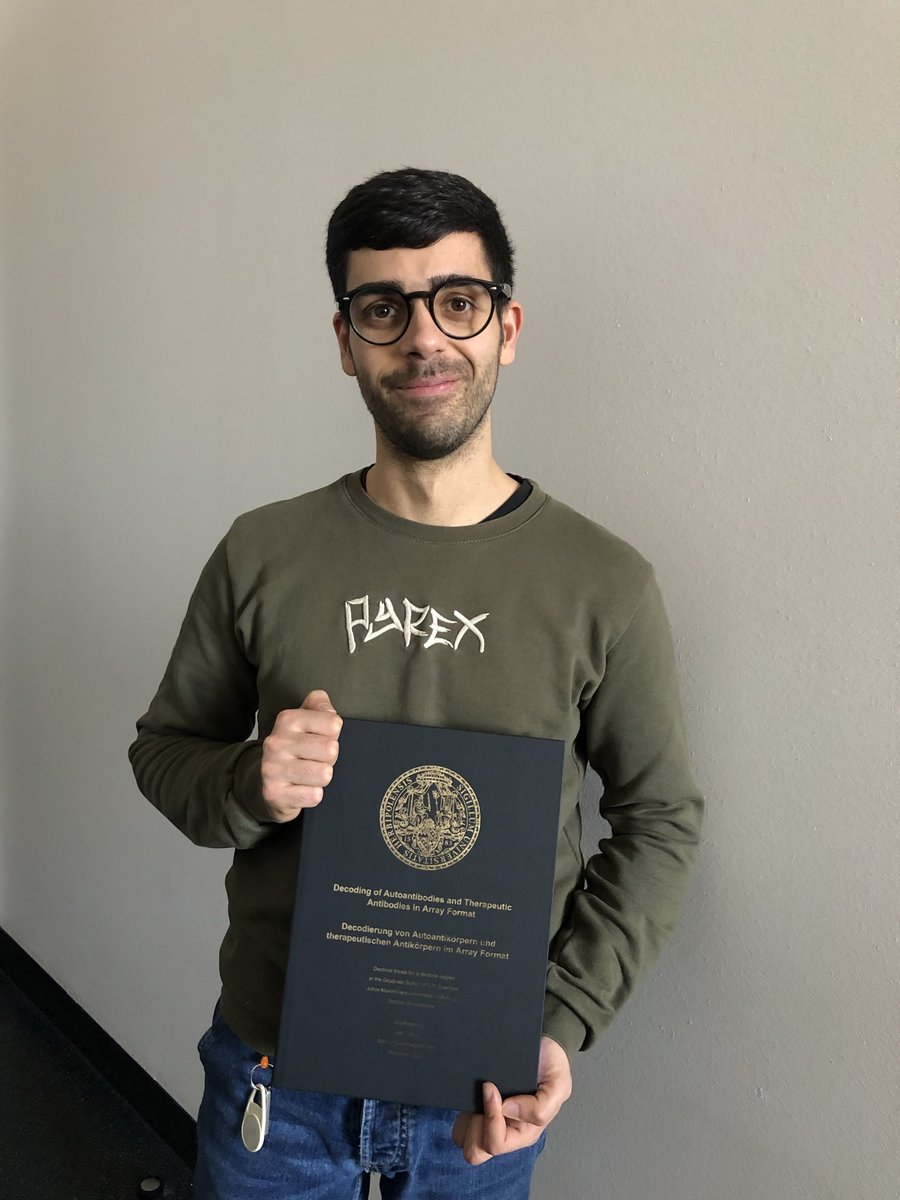
Congratulations Dr. Talucci @IvanTalucci for finishing up your successful PhD from Julius Maximilian University in Wuerzburg @Uni_WUE section Biomedicine and joining our team as a postdoctoral fellow! The best is yet to be! @NU_BMG_SQE@NUFeinbergMed@NorthwesternU
Today @IvanTalucci succesfully defended his PhD! 🎓
“Decoding of Therapeutic Antibodies and Autoantibodies in array format”
Beautiful work at @HMaricLab@Uni_WUE
And now he is taking exciting new directions to study #epigenetics in B cells.
Congratulations, Dr. Talucci!
Today @IvanTalucci succesfully defended his PhD! 🎓
“Decoding of Therapeutic Antibodies and Autoantibodies in array format”
Beautiful work at @HMaricLab@Uni_WUE
And now he is taking exciting new directions to study #epigenetics in B cells.
Congratulations, Dr. Talucci!
We are delighted to celebrate the election of our esteemed colleague, Dr. Joe Bass, @JoeBass91471540 to the @theNAMedicine. This honor recognizes his outstanding contributions to the field of Endocrinology, Metabolism, and Molecular Medicine, and his pioneering research elucidating the critical links between the body’s circadian rhythms and metabolic regulation. Dr. Bass’s groundbreaking work has revealed how disruptions in the circadian system contribute to metabolic diseases such as diabetes and obesity. This election represents a well-deserved and long-overdue recognition of Dr. Bass’s exceptional scientific achievements and his profound impact on the field. Congratulations, Joe, on this remarkable and richly merited honor. @NU_BMG_SQE@NUFeinbergMed@theNASciences
Congratulations to my colleague & friend from the Department of Biochemistry & Molecular Genetics, Dr. Issam Ben-Sahra, @bensahralab on being honored with the Thomas D. Spies Professor of Genetic Metabolism endowed professorship at @NUFeinbergMed. This is a well-deserved recognition of your outstanding contributions & leadership in the field of metabolism. I am truly proud of you and the entire Ben-Sahra Lab. Wishing you continued success — the best is yet to be! @NU_BMG_SQE@theNASciences@CellReports@ScienceMagazine@Nature
Who is a spectacularly good #antibody - #protein#biochemist?
and
wants to work on:
1. #Neuroimmune diseases 🧫 🧬
2. A translational environment @Mayo Clinic 🏥 🧑⚕️
3. In Florida ☀️🏝��🏖️
4. With an amazing lab team 👏🏼
If it’s you, please click here ⬇️
https://t.co/TIBLDJ7nB7
🧬 BREAKING: Our CRISPR-GPT paper is out TODAY in Nature Biomedical Engineering @natBME !
🤯 We built an AI agent that turns ANYONE into a gene-editing expert in 1 DAY instead of months. An undergrad with ZERO experience achieved 90%+ editing efficiency on their FIRST attempt.
🧵 Here's how we're building expert AI agents for cutting-edge biotechnology:
🎯 The Problem: CRISPR is revolutionary but requires PhD-level expertise, it can take weeks to learn, adopt, and design, analyze a CRISPR experiment for R&D or making life-saving medicine. Even Pro scientists can make small mistakes (e.g. typos in guideRNA or cloning design) that cost months to find out, slowing us down.
💡 Our Solution: CRISPR-GPT - an AI co-pilot from @Stanford@Princeton@GoogleDeepMind that guides you through EVERY step via simple conversation
🔬 Real Results:
-Novice researcher: ~90% editing on 1st go
-Training time: Months → 1 day
-100% success rate in our trials
-Even experts save days/weeks on data analysis & troubleshooting
🤖 How it works: Our multi-agent system handles: CRISPR system and delivery method selection, guideRNA design, Protocol generation, Real-time troubleshooting, Data analysis, and beyond. All through natural language! No coding, no complex software.
📊 We benchmarked it extensively:
-288 evaluation scenarios/cases
-Outperformed GPT-4o on ALL gene editing tasks
-Trained on 11 years of expert discussions
-Covers knockout, base-editing, prime-editing & epigenetic editing
🌍 Why this matters:
-Every lab can now use CRISPR with an AI system distilling expert knowledge and skills.
-Every student can learn faster.
-Every researcher can tackle bigger challenges without worrying about small mistakes.
-Customized CRISPR design can be automated based on your need and the context of R&D workflow.
-Agentic AI ensure safety, privacy, and responsibility
-We're not just automating gene editing - we're using AI to power scientists to cure diseases.
🚀 Try it yourself! Beta access available at: https://t.co/CFQzrdVVPW
Paper: https://t.co/WOgmAjg1Ed
Code: https://t.co/UnPKrxyJuW
Benchmark (companion work, Genome-bench): https://t.co/LIooAXj2op
Co-first and key authors: @YuanhaoQ@KaixuanHuang1@MingYin_0312
PIs: @lecong@MengdiWang10
Key collaborators: @Rbaltman@denny_zhou
The future of biology and science is conversational. The future is now. @natBME@NaturePortfolio
#CRISPR #AI #GeneEditing #Biotech #Science #AISafety
Transcription factor T-bet regulates the maintenance and differentiation potential of lymph node and lung effector memory B cell subsets
https://t.co/SJzFonGWLV
@ImmunityCP