6'5 Molecular Biologist, Pharmacist, Law student, Sailor, thinking out of the box,who likes opening windows to get fresh air in my second life. BeYou{tiful}
@Dijochoeu Un jefe no te dice que renuncies, te echa y punto, sobre todo si no rindes lo esperado en tu trabajo, como es el caso y encima cobras un pastón. Los futbolistas tienen un régimen especial que permite cumplir tu contrato jurgues o no. No hay discusión, te lo tragas con patatas.
HOW YOUR FEET CONTROL YOUR SLEEP
Most sleep advice tackles the mind. Very little attention goes to a simple vascular event that happens inside your feet every evening. Your ability to fall asleep and stay asleep depends on how efficiently your body dumps core heat, and the soles of your feet are the primary escape route.
Feet house a dedicated network of high-flow shunts that turn passive skin into active biological radiators. When these shunts stay open, warm blood rushes into the feet, thermal energy radiates into the cool bedroom air, your core temperature drops, and the brain responds by shifting into sleep mode. When they close, you lie awake with a warm torso, a racing mind, and cold toes.
These shunts are uniquely built for rapid heat exchange. Most skin routes blood through tiny nutrient-delivering vessels called capillaries. The hairless skin on your soles and palms takes a shortcut. Small arteries connect directly to large venous networks, skipping nutrient exchange entirely and focusing solely on moving heat out of the body.
Alertness, stress, and cold exposure keep these shunts clamped shut through nerve signals. As bedtime approaches and that alertness fades, the shunts should relax. Cold air hitting bare feet triggers a reflex that keeps them locked tight. The solution is remarkably simple. Loose, breathable bed socks in a room cooled to around 23°C insulate the skin just enough to prevent that reflex.
Research tells a compelling story about what happens when you get this right. In controlled crossover studies, socks held foot skin temperature 1.3°C higher than the bare-foot condition. That small temperature bump opened the shunts wide. The results were meaningful. People wearing socks fell asleep 7.5 minutes faster, slept 32 minutes longer overall, and improved their sleep efficiency by 7.6 percent.
Core body temperature did not average out lower across the whole night, which makes sense. The socks smooth the rate of core cooling precisely at the critical transition into sleep rather than changing the overnight thermostat setting.
The neurological link that turns warm feet into a sleep trigger is straightforward once you see it. Researchers measure something called the distal-to-proximal skin temperature gradient. Subtract thigh or torso temperature from foot temperature and you get a number that predicts sleep latency better than core temperature, heart rate, or even melatonin levels. A widening gradient means intense peripheral heat dissipation.
Warm-sensitive neurons in a specific brain region detect this peripheral warmth and respond by downregulating alertness signals and shifting the body into relaxation mode. Heart rate drops, muscle tension fades, and deep sleep arrives. Because the sensory signal starts in the feet, anything that keeps foot vessels from dilating, such as cold exposure, a room that is too warm, or socks that are too tight, delays the whole cascade.
Important boundaries exist. In older adults, the spontaneous nighttime rise in foot skin temperature is often blunted due to structural stiffening of arteries and reduced vascular reactivity. Deliberate foot warming with bed socks does not reliably accelerate sleep onset in elderly insomniacs. However, warming the torso or thighs by as little as 0.4°C cuts sleep-onset latency by 18 percent in healthy older people and by 28 percent in elderly insomniacs.
The thermoregulatory system still responds to external heat when applied to larger surface areas. The sock-based studies also come from small laboratory cohorts in tightly controlled conditions, so individual results vary. A bedroom that is too hot defeats the mechanism. A pair of tight socks does the same. Comfort across the whole body, not just the feet, is necessary for the sleep cascade to proceed.
The basic remedy is simple. Loose, natural-fiber bed socks in a cool room. A warm footbath before bed can prime the system. Choosing cotton or wool instead of synthetics matters.
The full practical application, with every material choice, timing, and adjustment explained in detail, arrives in the attached Part 2, along with the bullet action points in Part 3.
Vitamin C lowers blood pressure by ~20 points in clinical trial.
500 mg / day for 6 weeks here.
Vitamin C, by limiting the excessive free radicals, thus spares nitric oxide, preventing it from being consumed.
Vitamin C has also been shown to help in endothelial function - its anti-inflammatory / antioxidant properties help this single cell layer within the vasculature to respond to changes in blood flow more effectively.
Inflammation.
The hidden cause of every chronic condition from heart disease to obesity.
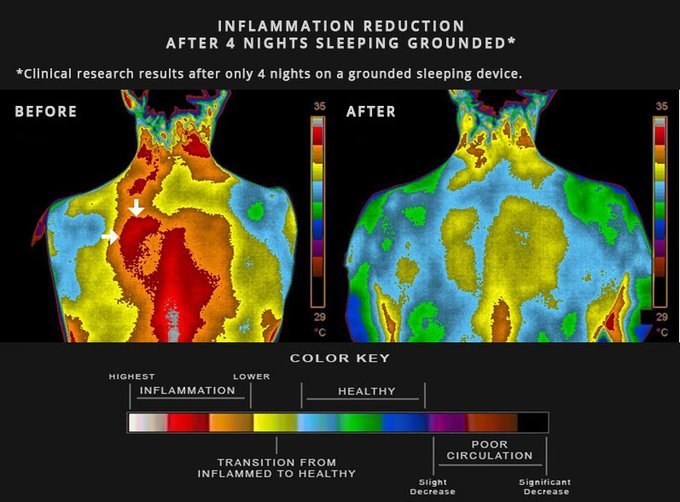
10 dead-simple methods to cure your inflammation:
1. Grounding
🚨 Quantum physics shows that the solid world we perceive is actually made of energy lines, emptiness, and probability — not physical matter.
For centuries, we have viewed the universe as a collection of solid objects, but quantum physics is dismantling that illusion.
At the heart of every atom lies not a tiny, hard marble, but a swirling electric storm of probability and vibration. Scientists have proven that what we perceive as physical substance is actually a series of ghostlike force fields and resonant waves dancing in a vast, silent void.
This fundamental shift in understanding suggests that the material world is less like a construction site of fixed parts and more like a complex symphony of energetic happenings.
This discovery challenges our very sense of identity, suggesting that we are not solid beings inhabiting a solid world, but rather intricate patterns of energy echoing through space. If the foundation of reality is built on probability instead of substance, the boundaries between the observer and the observed begin to blur. We are part of a continuous, dynamic dance where nothing is truly static, reminding us that existence is an ongoing process of vibration rather than a collection of independent, inanimate things.
source: Heisenberg, W. Physics and Philosophy: The Revolution in Modern Science. Harper & Row.
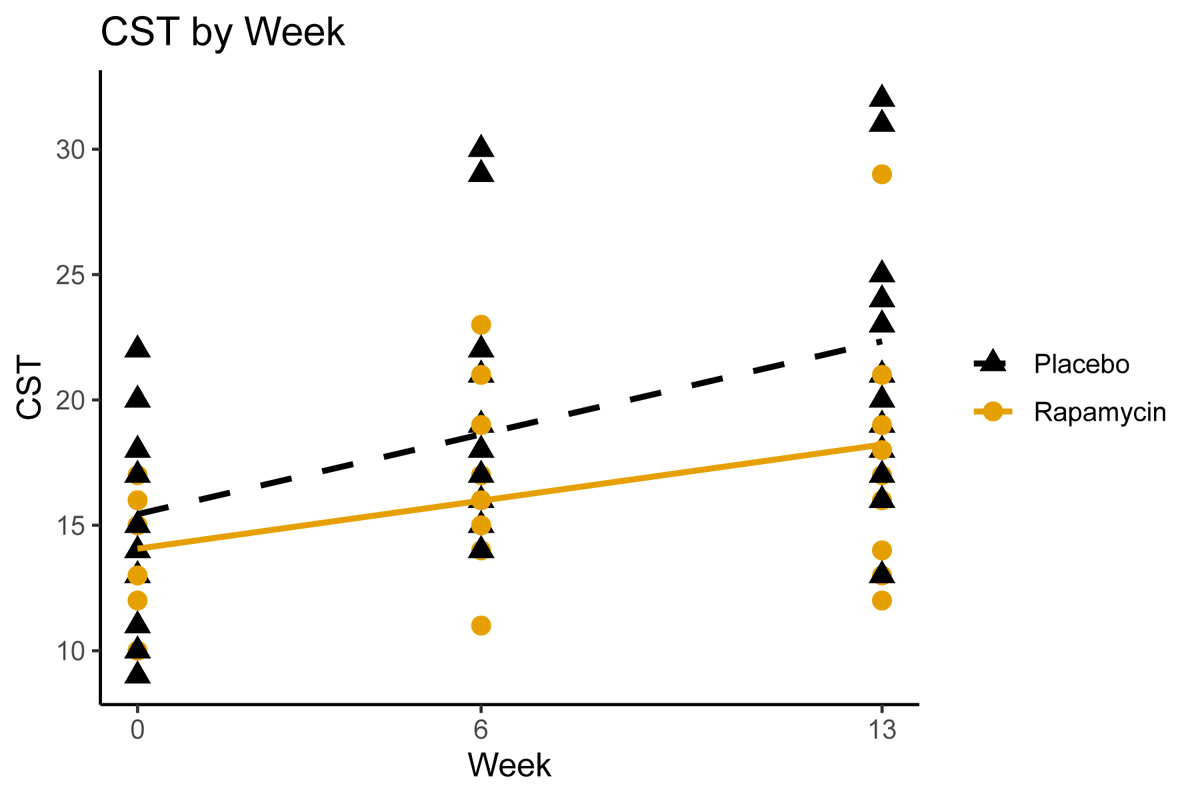
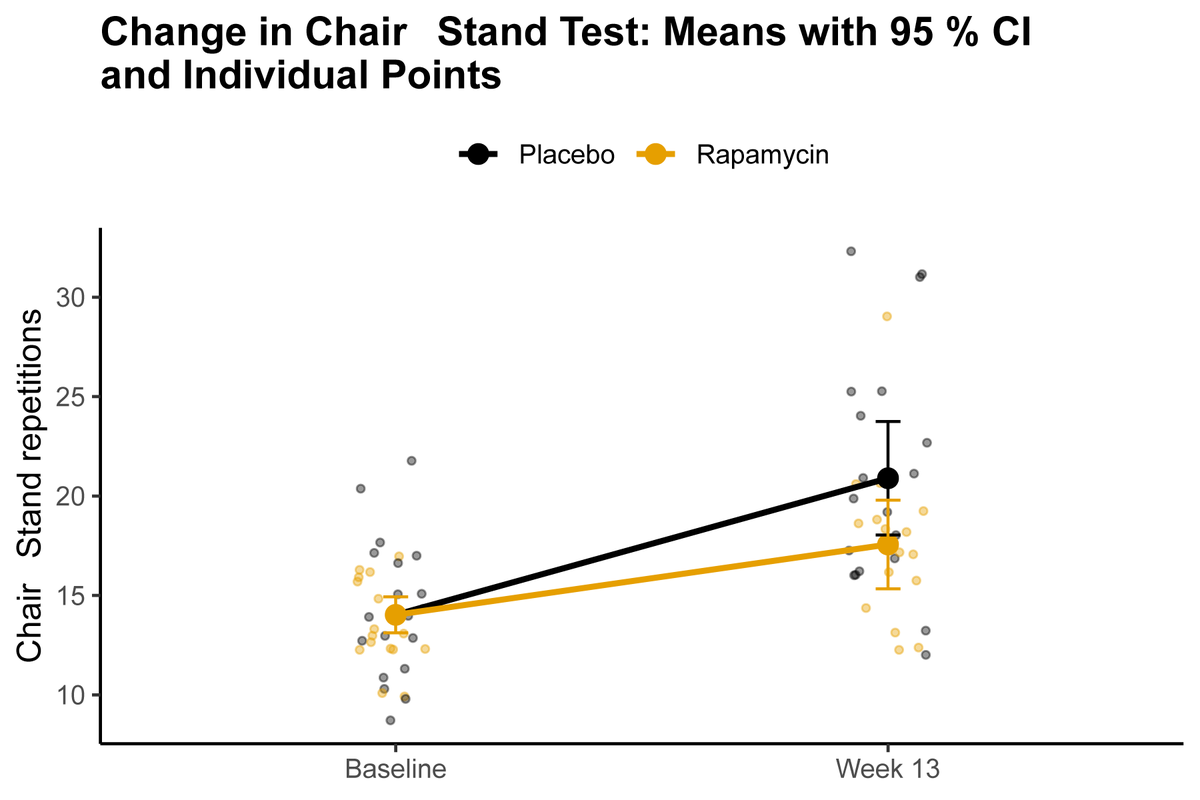
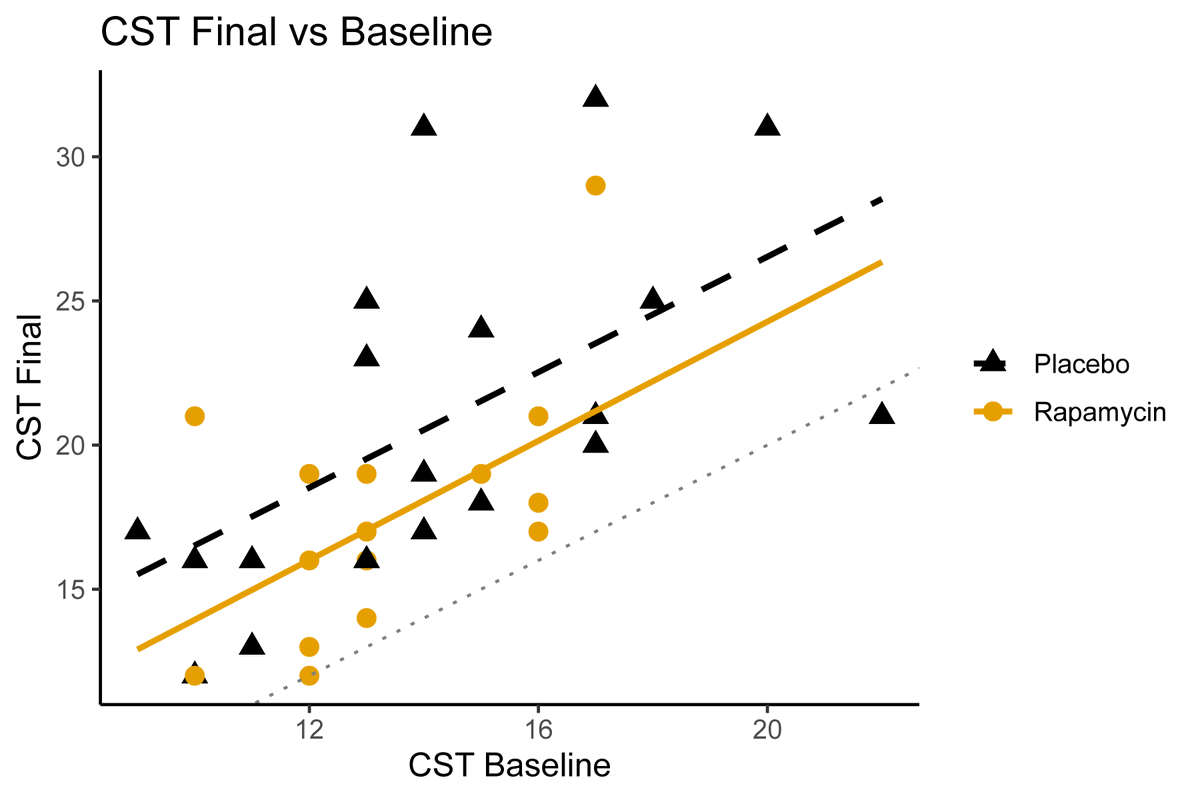
Our Rapamycin & Exercise clinical trial has just been published!
The topline result?
Rapamycin didn't help. Instead, it may have made things worse.
Here's what we found 🧵
https://t.co/vpy9bPrGDJ