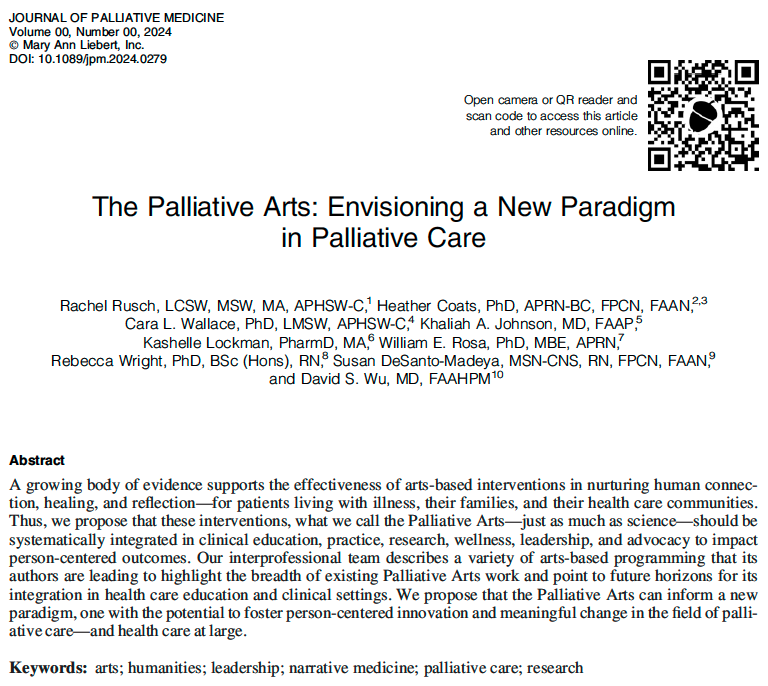
Wonderful piece by Dani Chammas
We've all had patients with serious illness who joke. Should we laugh with them? Does it help them to cope, or feed into denial? Do we need to be serious because the illness is serious?
https://t.co/PVLLixQg0W
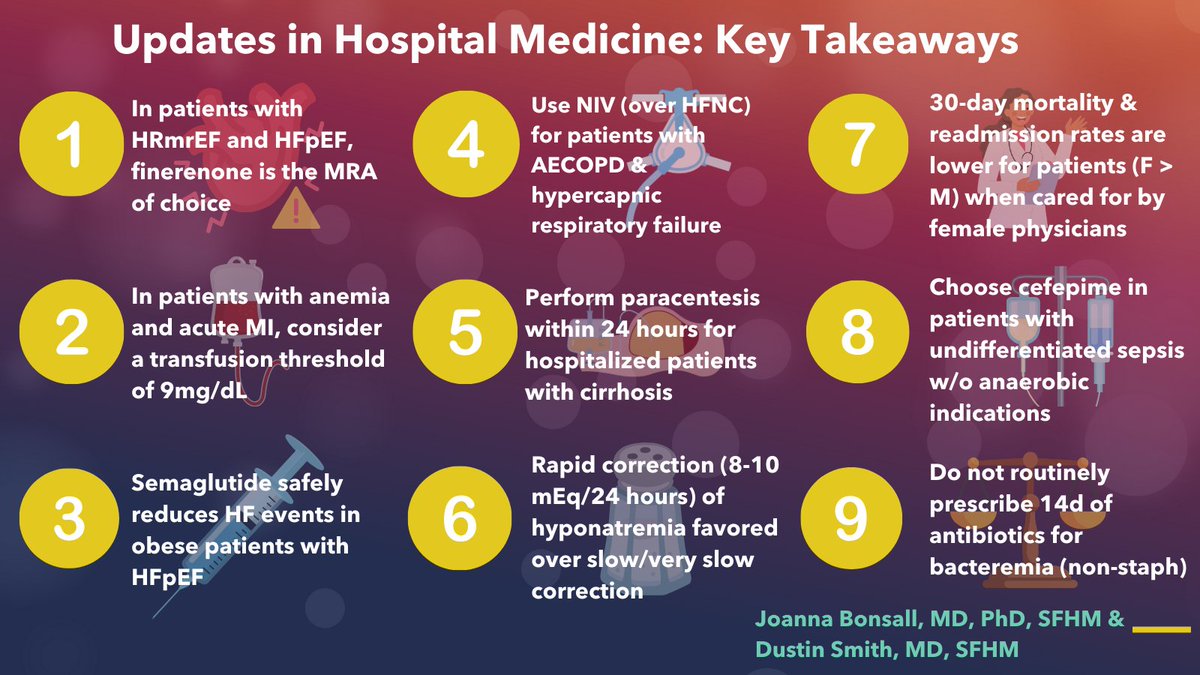
Another great 🔥 Updates in Hospital Medicine at #SHMConverge25 - check out the key takeaways, and stay tuned for a more in depth look at the articles. @SocietyHospMed
Yesterday, Rubio terminated 5800 USAID contracts – more than 90% of its foreign aid programs – in defiance of the courts.
Here’s a list of just some of the lifesaving awards that were terminated. Nearly all were Congressional mandated. They've saved millions of lives. 🧵
"Suffering" is something that needs to be defined by patients (or family), but NOT by clinicians.
Don't say "He/She is suffering" lightly.
It's not for you to decide that.
"If you get stronger, we can do further chemo."
This statement is (almost always) true.
But if we think it is unlikely that the patient could "get stronger", probably, the better statement is
"It is unlikely we can do further chemo."
We've all been there: a Saturday on call in the hospital, with a list of 30 patients to round on 😵💫
Ward rounding can seem like an endless task - but it doesn't have to be! ⏰
Here are my top 10 tips for ward rounding efficiency 🧵-
We've all been there: a Saturday on call in the hospital, with a list of 30 patients to round on 😵💫
Ward rounding can seem like an endless task - but it doesn't have to be! ⏰
Here are my top 10 tips for ward rounding efficiency 🧵-
Older adults feel these challenges most acutely & urgently, but the gap between clinical trial outcomes designed by industry & academia vs those that matter to patients is a problem for our entire field to confront.
We can find new, meaningful grapes for patients beyond PFS/OS.
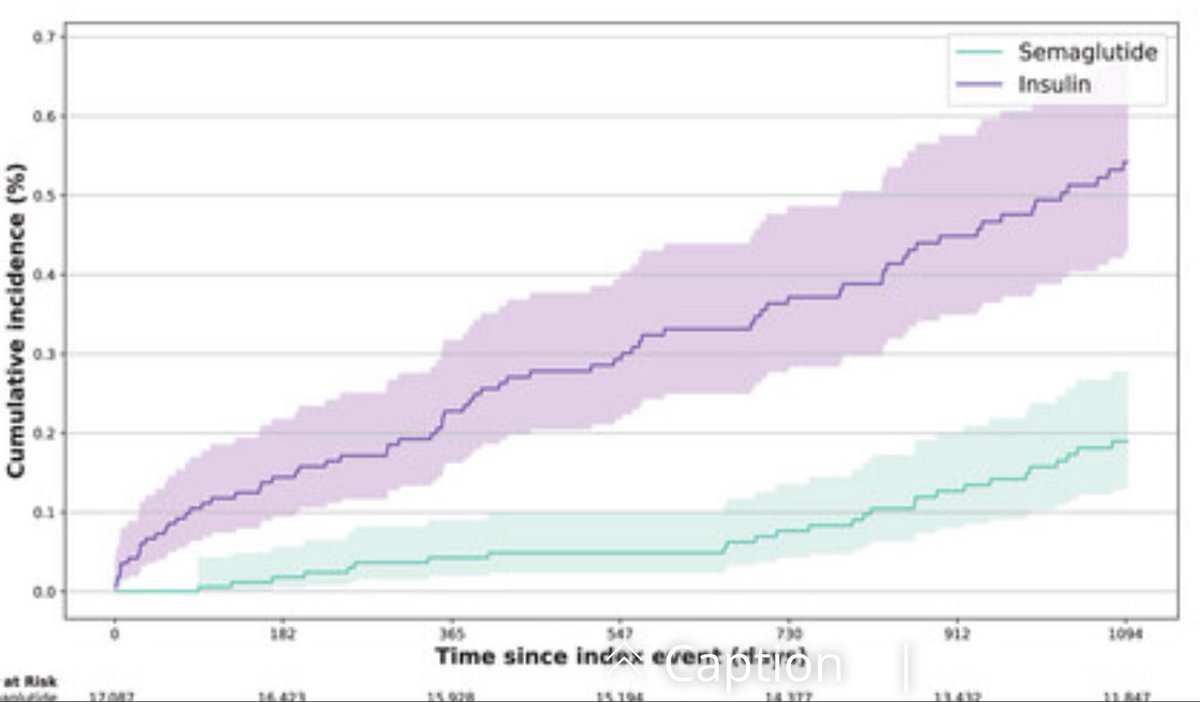
If you see an observational study where the drug works immediately for a disease that takes years to develop, throw the study out. Like this study claiming Ozempic reduces risks of Alzheimer’s in diabetics within 30 days of initiation. Junk science
https://t.co/tT5nsgSTwn
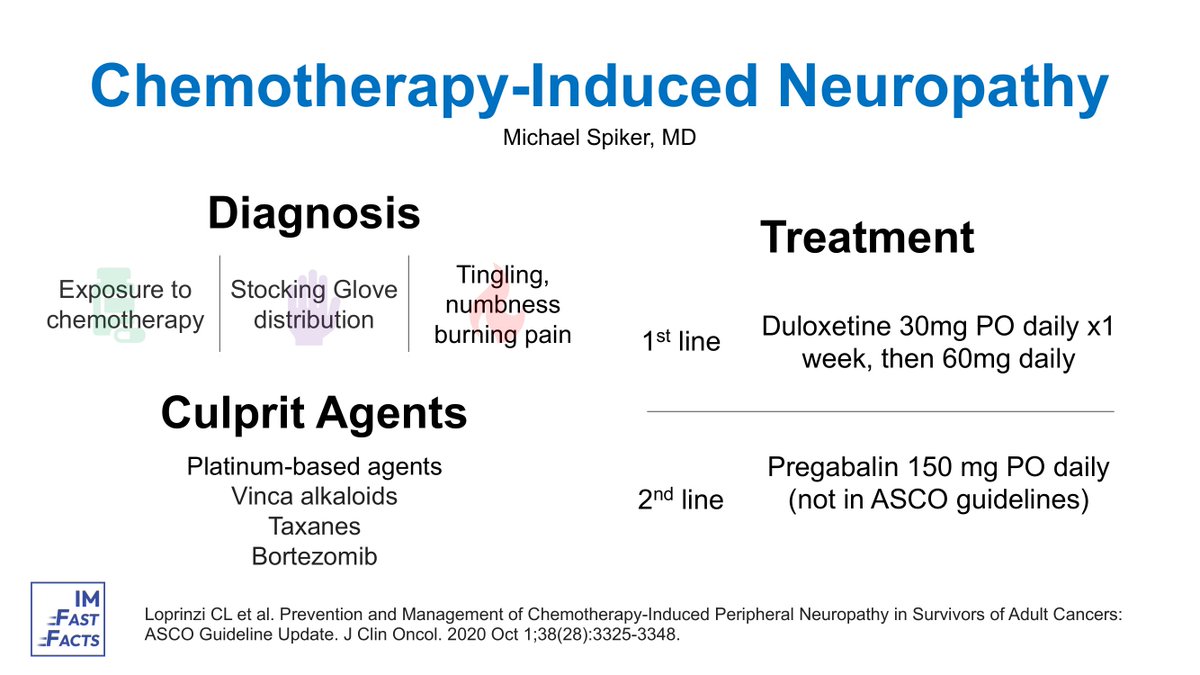
We’re waiting on pins and needles for @MSpikerMD’s video on chemotherapy induced neuropathy📌
Review the infographic below or at https://t.co/qaFLXcA0ea!
#MedTwitter#MedStudentTwitter#FastFactsFriday
💻@AmericanCancer and CAPC Webinar 'From Early Access to Effective Scaling: The State of the Science in Innovative Palliative Care for Oncology' on July 24 with @ramsedhom, @JuliaFrydman and @MDRoeland
🔗https://t.co/m2TAaR0i57
CAPC is thrilled to be collaborating with the American Cancer Society to support equitable access to high-quality palliative care services for people living with cancer, and their caregivers.
OPEN TO ALL, register on the ACS website.
The Palliative Performance Scale (or PPS) is the MOST used prognostic index on ePrognosis but poorly calibrated (likely b/c developed when PC was "brink of death"). @kara_bischoff published modern validation in JAMA NO and updated ePrognosis.
https://t.co/D1PNwqG9GA
https://t.co/RTducDKkkd
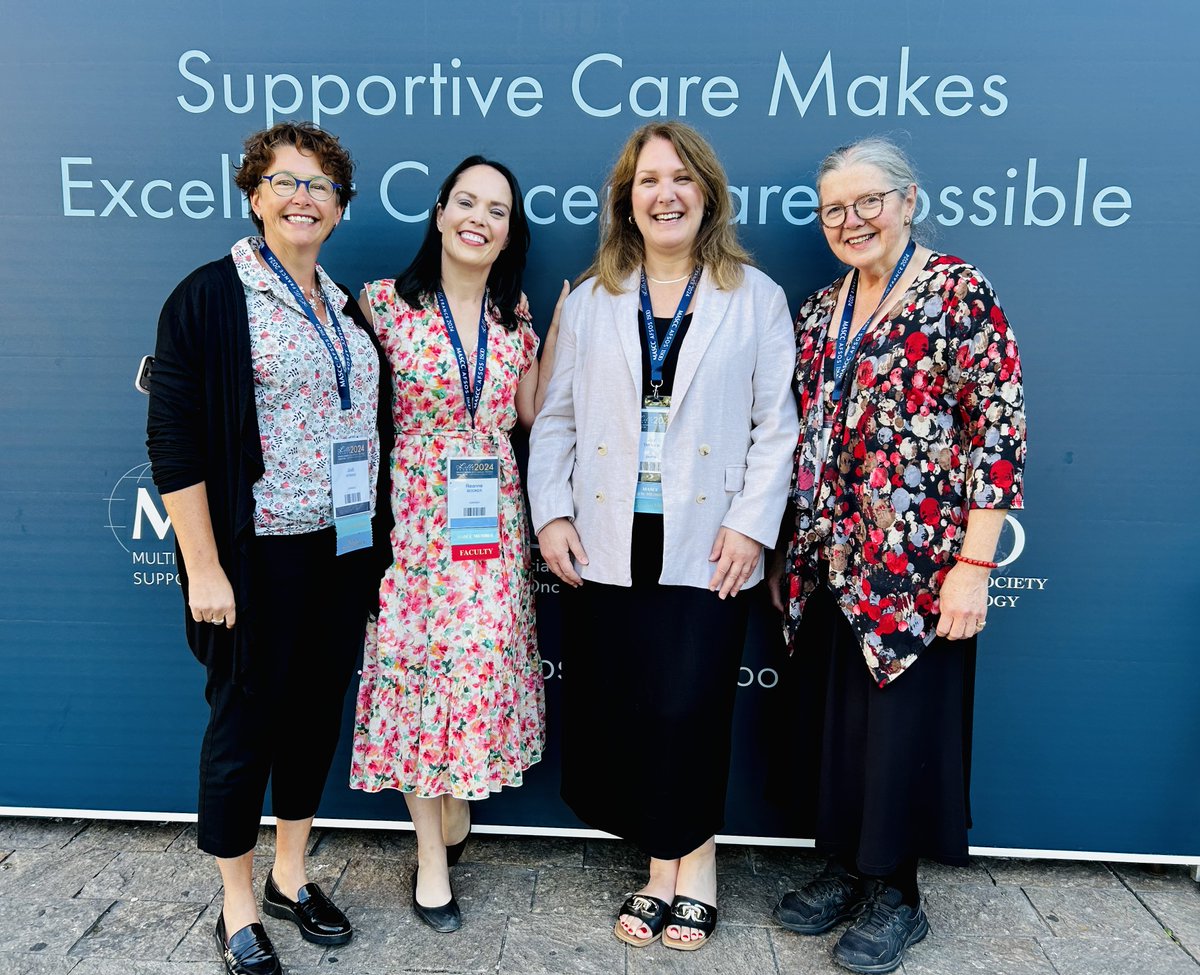
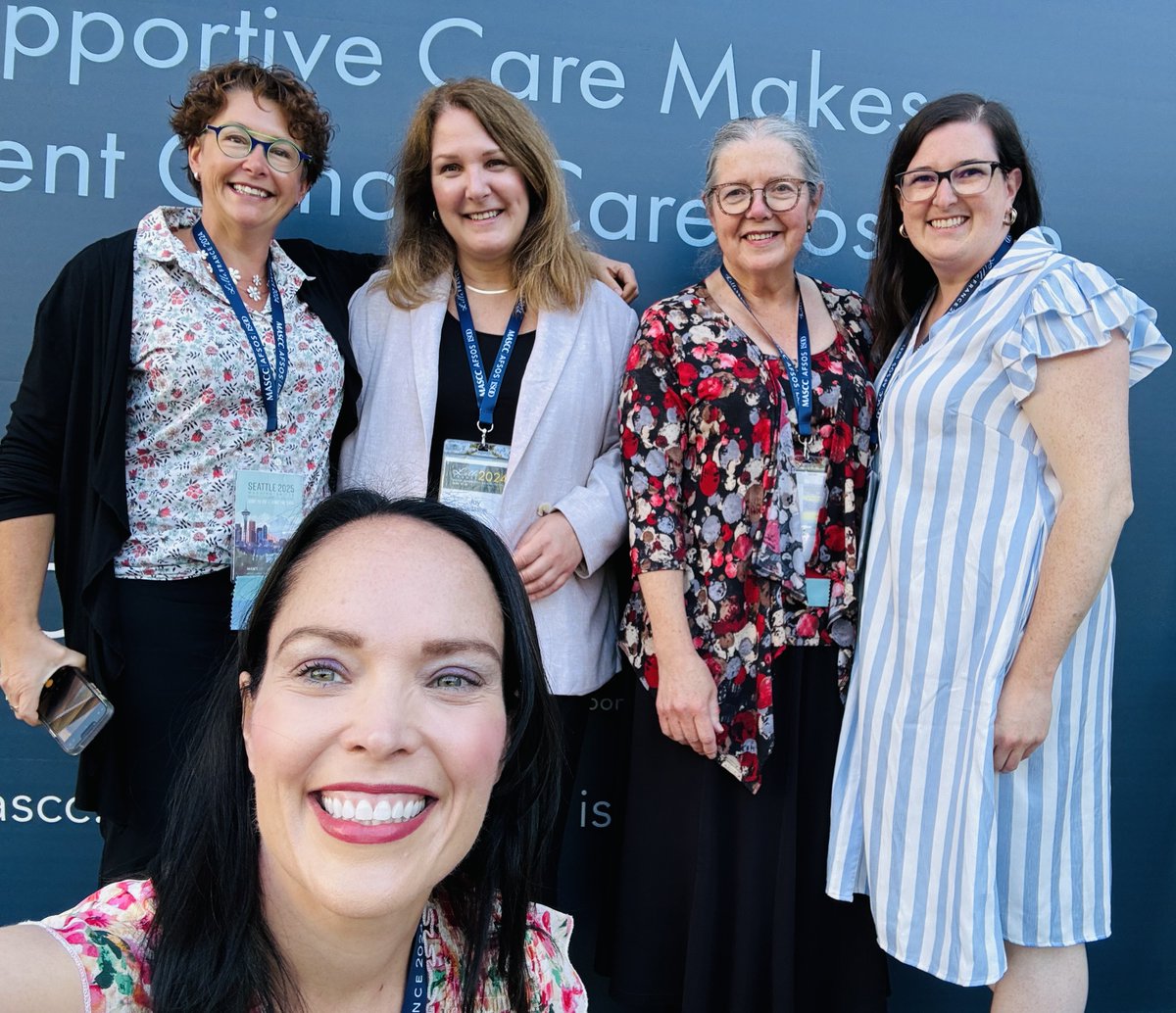
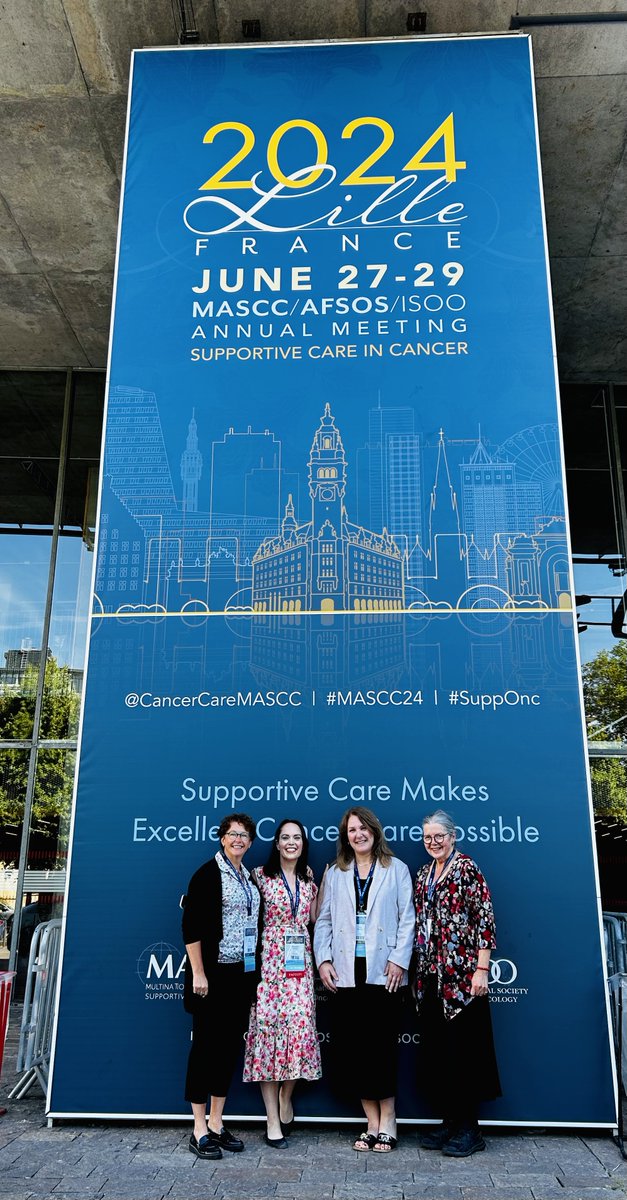
What an amazing & inspiring 3 days @CancerCareMASCC#MASCC24!
The biggest takeaway from #MASCC24 for me: supportive care IS cancer care, the same as chemotherapy, radiotherapy, immunotherapy, surgery. AND patient/family-centred care must always be at the heart of what we do.
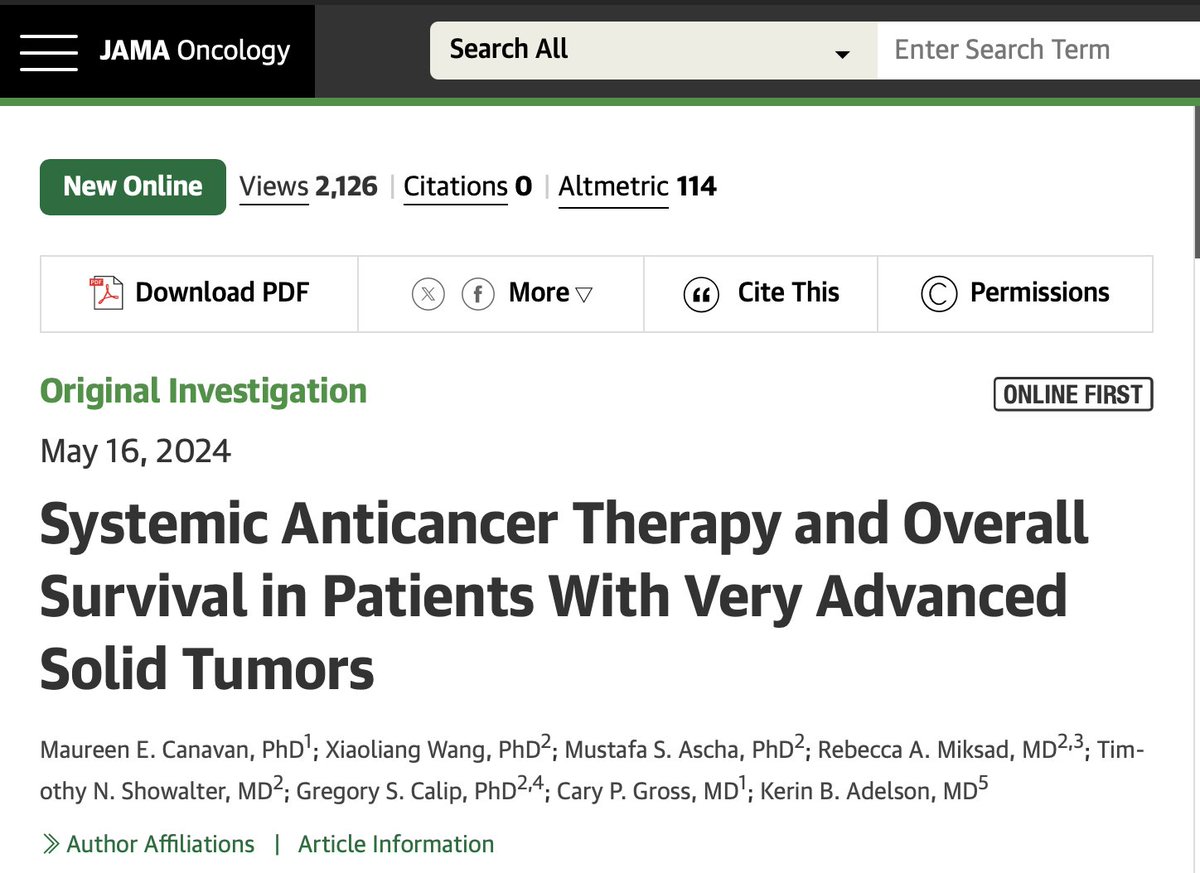
Does oncologic treatment for very advanced disease improve survival?
1⃣The study analyzed 78,446 adult patients with six common metastatic solid tumors. It found no significant survival benefit for patients receiving more systemic therapy for very advanced cancer.
2⃣There was no significant difference in survival between patients treated with high and low levels of systemic therapy. Oncologists should focus on honest communication about prognosis rather than offering additional therapy.
3⃣Efforts should help oncologists recognize when additional therapy is futile, improve communication about care goals, and align payment with better end-of-life care. Redirecting funds to home care and hospice services could enhance patient and caregiver satisfaction.
@JAMAOnc@ASCO@myESMO@OncoAlert@tmprowell@NCIDirector@VincentRK@DrChoueiri@GlopesMd@ASCOPres @AmerCancerCEO @FAndreMD #cancer #oncology
doi:10.1001/jamaoncol.2024.1129
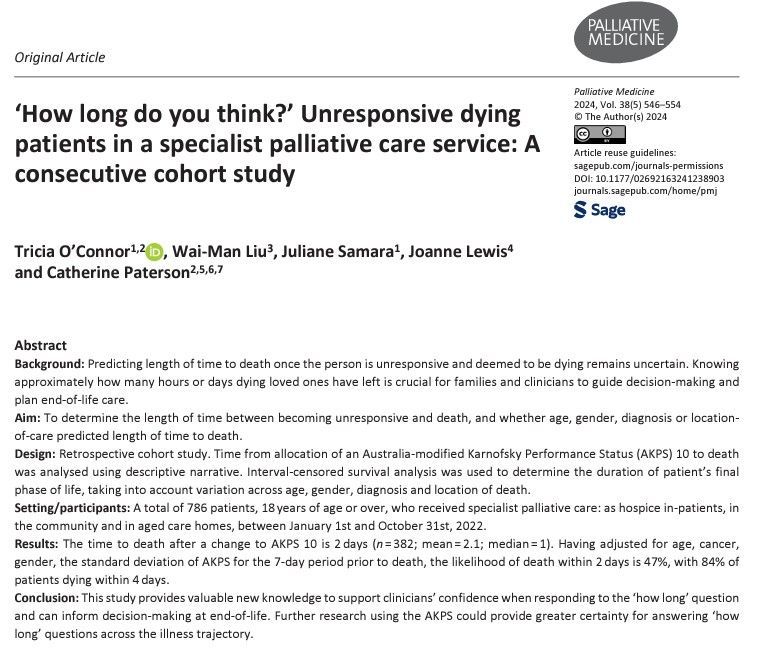
The length of time to death for most patients once they are comatose or barely rousable is 2 days. However, this study highlights the importance of clinicians acknowledging and conveying uncertainty in prognostic accuracy. #hpm#hapc#palliativecare https://t.co/O0vYHYHRoi