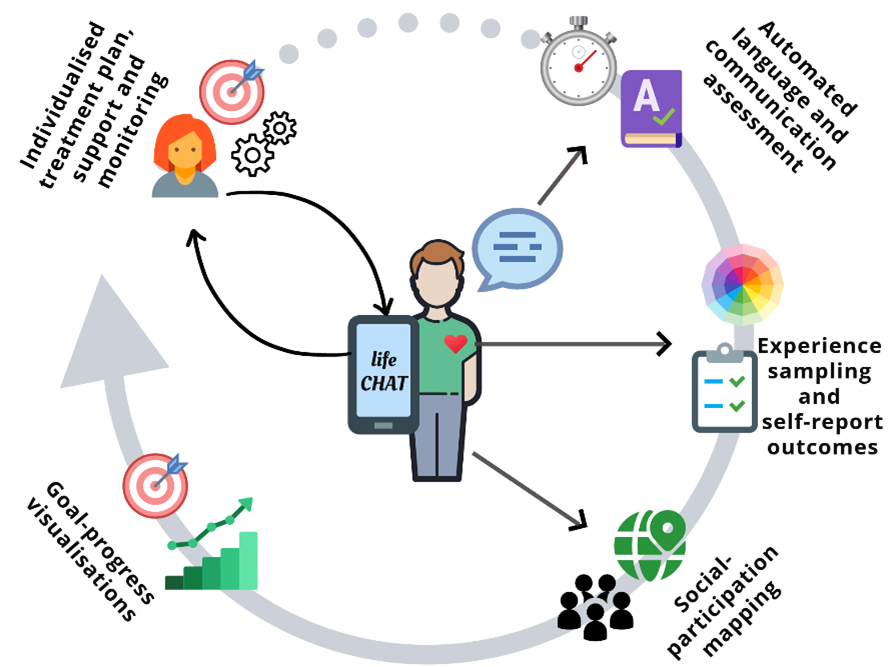
This is a look into non-clinical environments and how to make therapy for aphasia for accessible there! Removing barriers to using digital technology seems to be important! @hghinch#EauCLamarAphasia
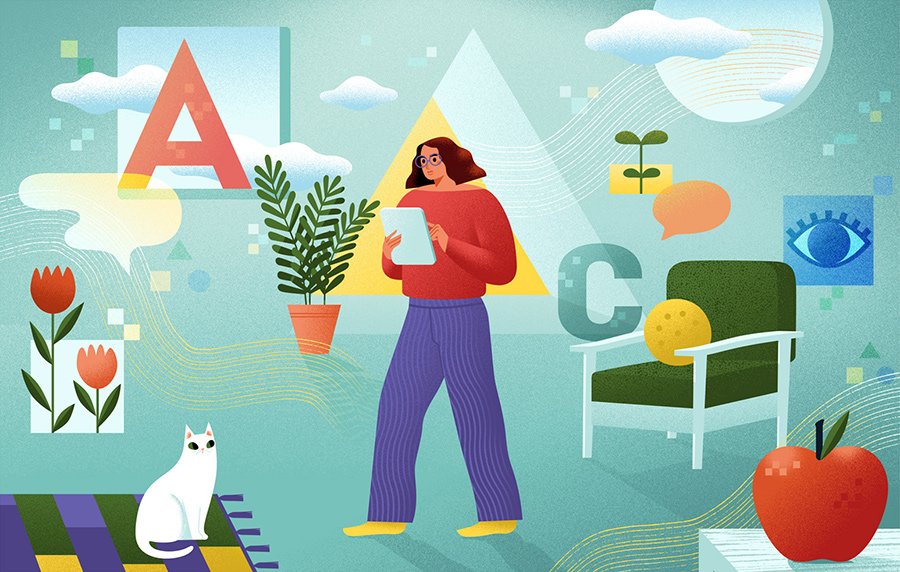
An editorial illustration I made for Bulletin magazine for an article titled "Breaking Down Barriers" - about using technology to make therapy for aphasia more accessible in non-clinical environments.
Thanks to Yvey for AD. 💙
This community program partners trained volunteers with people with aphasia to help them feel comfortable getting back out into the community! @hghinch#EauCLamarAphasia
Community programs help people with aphasia work towards getting back to doing the things they love.
This video link explains some of the things they do as a part of their community program: https://t.co/paNRPjNKo2 @hghinch#EauCLamarAphasia
#ASSBI2018@MichelleAttard8 poster on staff experience of community #aphasia group program. Free download of detailed group manual and resources here: https://t.co/XyDhUfJq5b @strokeCRE
Aphasia groups can be online, in person, or combined and have a lot of different topics. Looking here: https://t.co/Y6ji1Sdrbg there are a variety of group settings from sports discussions to virtual concerts, to meditation and relaxation. @hghinch#EauCLamarAphasia
Jill Bolte Taylor experienced a massive stroke at age 37 that left her unable to walk, talk, read, or recall any of her life. She speaks about her experience during her recovery process, including how she had to relearn language: https://t.co/Rq7MjJZd0A #aphasia#aphasiastrong
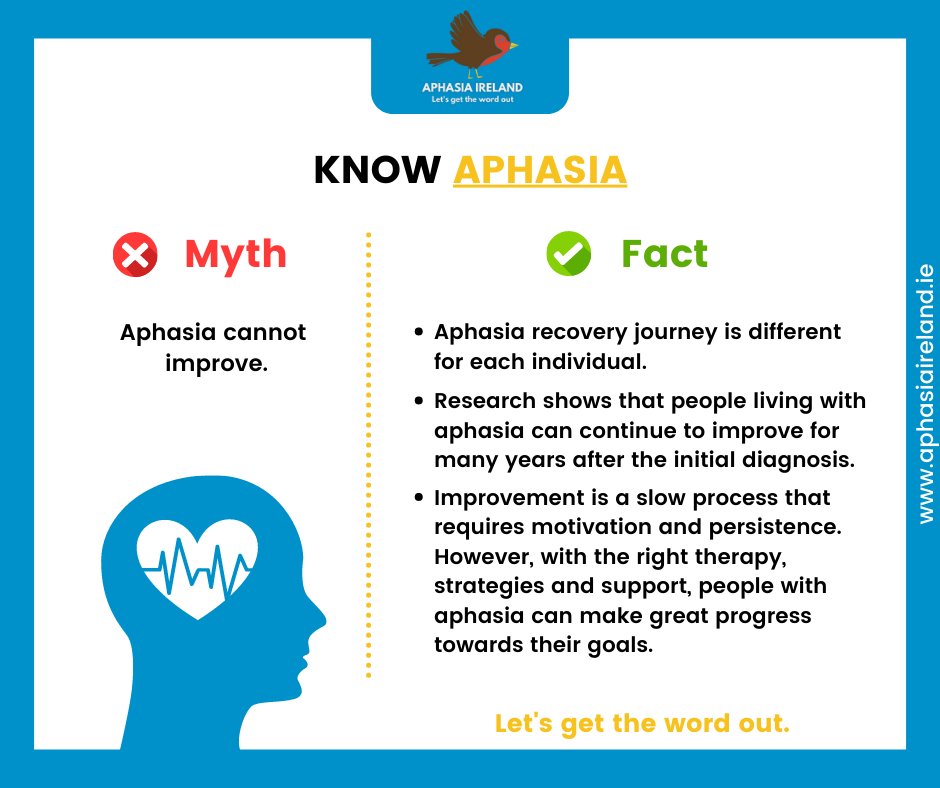
Did you know that people living with aphasia can continue to improve for many years?
Let's raise aphasia awareness together - like, comment and share this post 💙
To contact us, please email:
[email protected]#aphasia#aphasiaireland#awareness#recovery
@divamamacat I love the idea and that it helps but I’m a terrible singer! I wonder if that would make me a less desirable clinician for aphasia patients! 😬
#EauCLamarAphasia
"Aphasia treatment works for some people... but many questions remain". How much recovery should we expect for an individual? Which treatment is better for an individual? Is there an optimal dose for specific treatments? What are the neural mechanisms of aphasia recovery?