The model gets the headlines. The harness decides whether it can actually work.
Context. Tools. Permissions. Recovery. Evals. Routing. Cost.
As models keep changing, the system around them may become the more durable product.
New article ↓ https://t.co/JnR3DlE88S
Once a model can call APIs, trigger machines, move money, control robots, or change infrastructure, the internet starts looking less like information and more like an actuator layer.
That’s why permissions and operational control matter so much.
People don’t have sufficient appreciation for the fact that frontier models will be able to actuate anything in the physical world that can be connected to the internet and actuated using a programmatic or otherwise digital interface.
@MiaAI_lab@Zai_org This is a good example of routing by sensitivity, not just capability.
Frontier model for the hard public work.
Local model when privacy matters more.
The best AI stack may end up looking less like one favorite model and more like a set of trusted lanes.
@PeterDiamandis The agentic economy is starting to look a lot less “digital” than the name suggests.
Power, datacenters, financial rails, regulation, robotics, healthcare... the bottlenecks increasingly sit outside the model.
That may be where the next decade gets decided.
@MilkRoadAI@chamath If models keep commoditizing, value has to move somewhere.
Owning the workflow, context, permissions and data around the model is starting to look like the stronger position.
“Neural network” makes the resemblance sound much deeper than it is.
Modern AI borrows inspiration and terminology from neuroscience, but machine intelligence is its own thing.
I don't mean to sound arrogant by saying this, but I just think it is just true that if people learned more neuroscience, and had a better idea how the human nervous system and brain actually works, then they would be better prepared to understand how machine intelligence is really not the same as human intelligence
For example, neural networks are sort of loosely inspired by cortex, but that's about it
I'm not trying to be a dick, but it's hard to have conversations on here sometimes because people's level of knowledge is just so low
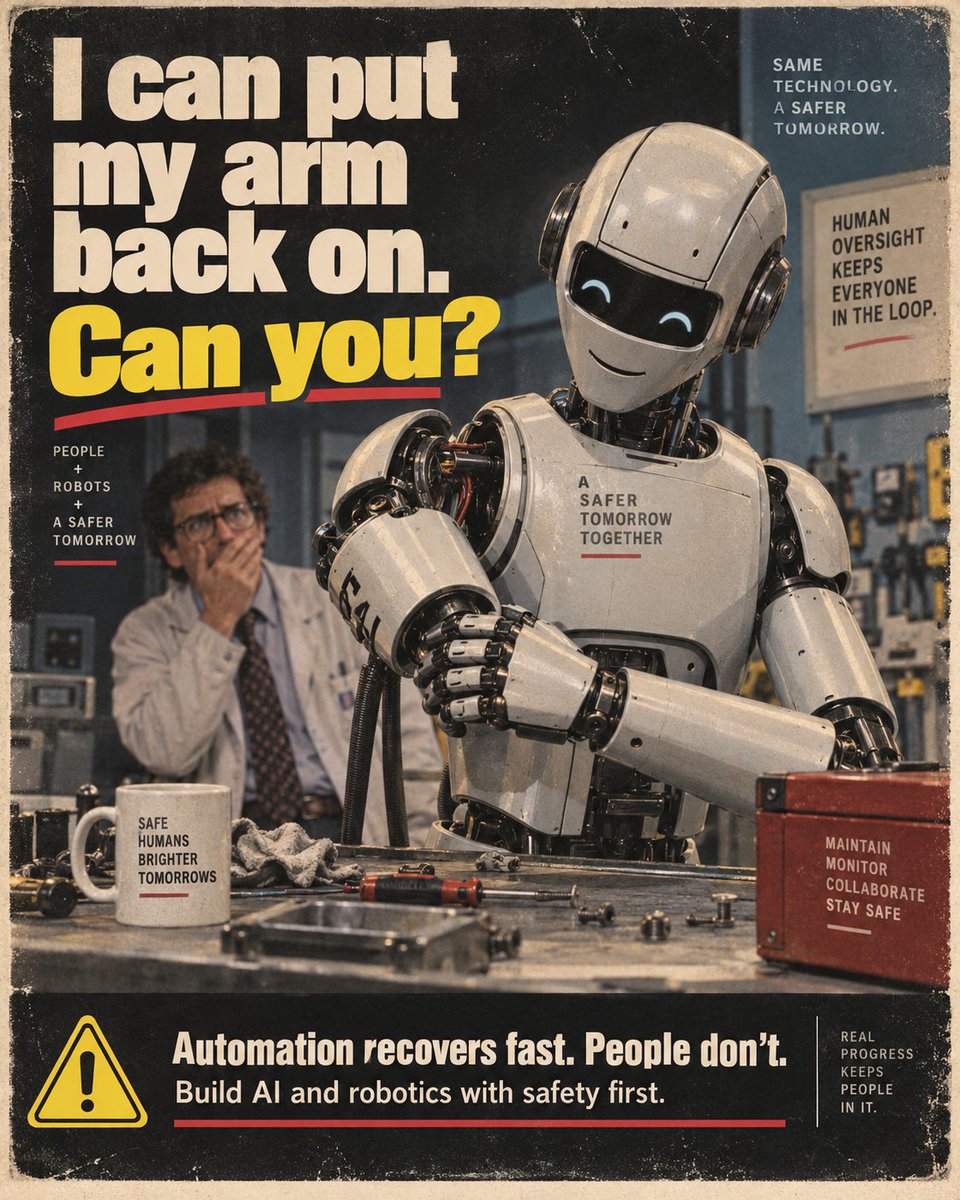
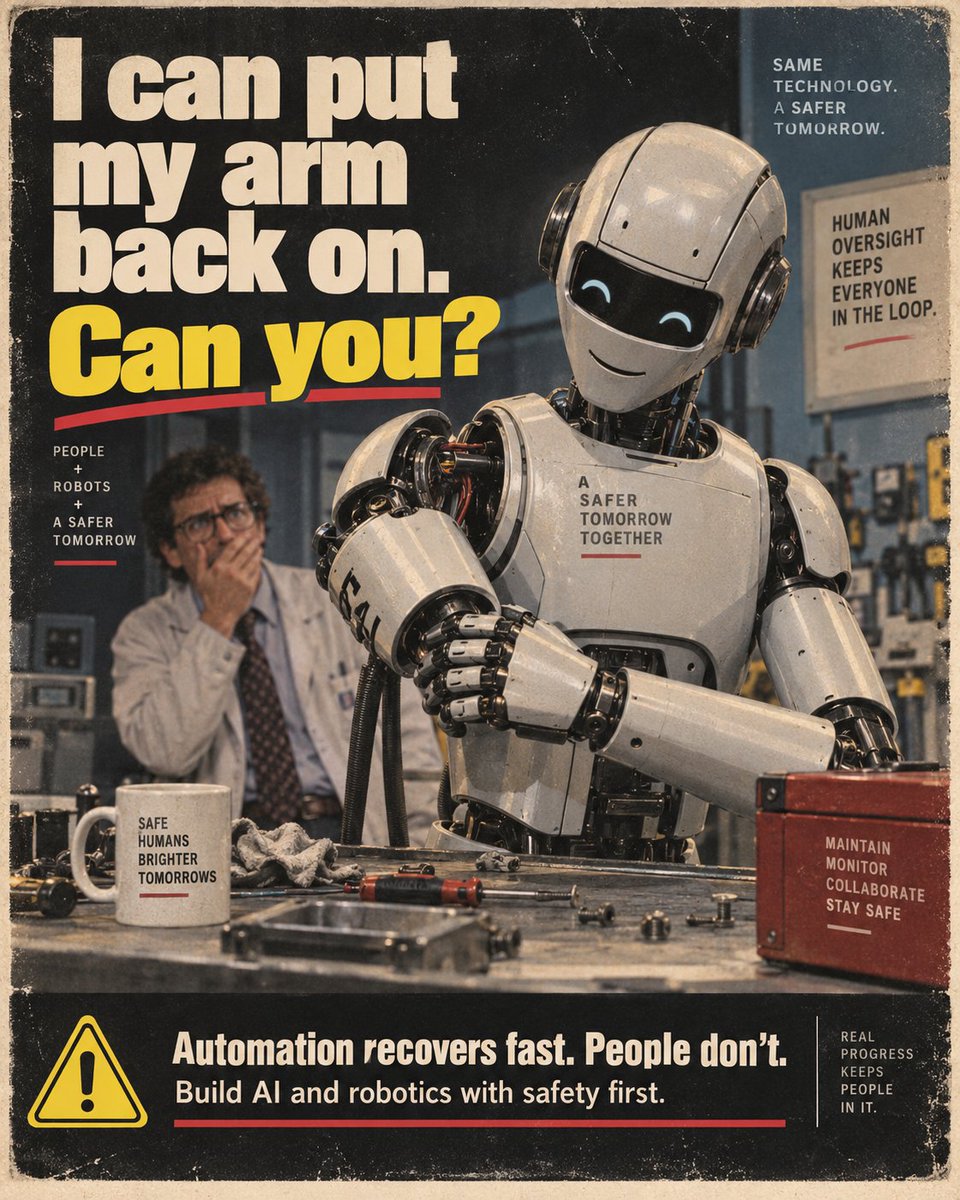
We shouldn’t have taught him this… 🤖💀
The moment you realize the robot learned WAY more than you intended.
AI training is getting a little too unpredictable. 👀
@CNBC This may be one of AI’s least discussed risks: automating the apprenticeship layer. Junior work isn’t just cheap labour. It’s how people build judgment.
If AI absorbs that layer, companies need a new way to create senior talent.
@johnennis Artificial neural networks borrowed a little language from neuroscience, not a full blueprint of the brain.
Understanding the gap makes the AI conversation much more grounded.
@DJiafei This is a good reality check. For robotics, “can do the task” isn’t enough. If the reasoning loop is slower than the environment changes, the system stops being useful pretty quickly.
Latency is part of capability once AI has to act in the physical world.
@konstantinsaifo This is a much better way to teach engineering than another diagram. Let people cut the engine open, trace the propellants, change throttle, and watch the system respond.
Interactive explanation turns “how it works” into something you can actually explore.
@VectorCrossProd Mechanical design, fit around a real PCB, printable parts, then a polished promo animation, all from one workflow. That’s not just faster coding. That’s product development getting compressed.
This is a much bigger step than adding another chatbot feature.
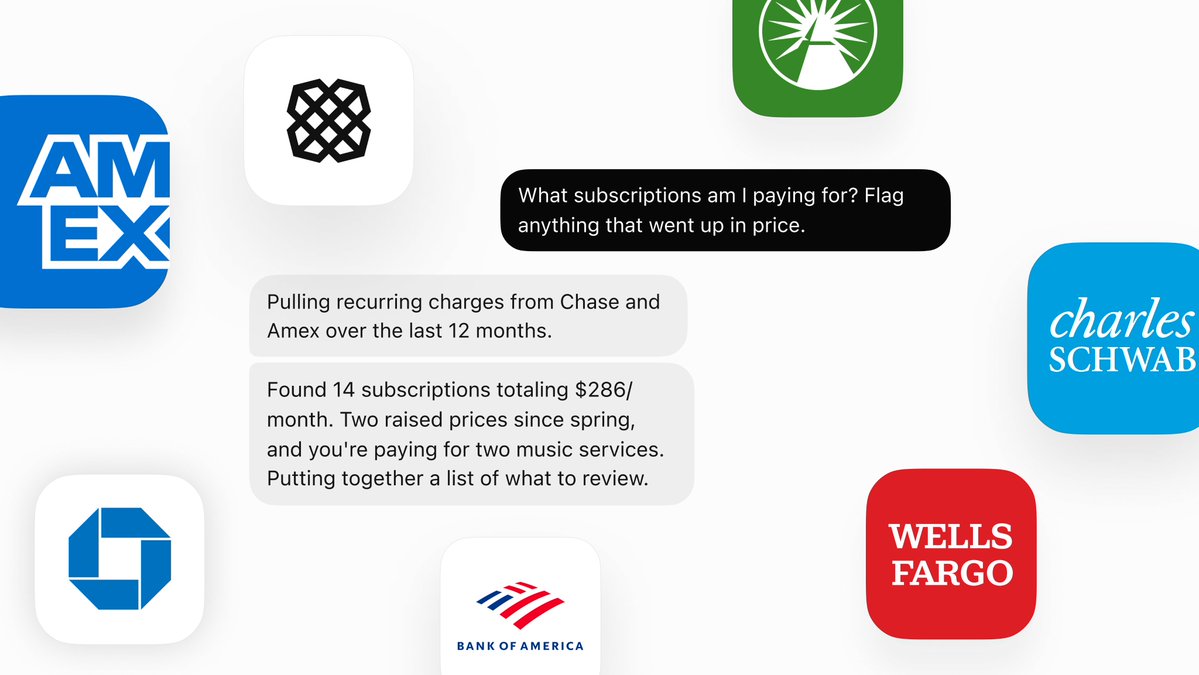
Once an AI can see your spending, accounts and investments, the value shifts from answering financial questions to understanding your actual financial life.
That also makes trust, permissions and data control absolutely critical.
Grok Bot now connects to your finances.
Link your bank, card, and investment accounts with the new Finance integration, then ask Bot to help manage your spending, investments, and more.
@xburak Shipping the app is one milestone. Surviving Apple’s maze is another.
A lot of first-time founders probably discover the hard way that “build the product” and “get the product into people’s hands” are two completely different jobs.
@rivennavale Some friendships are built around shared habits more than shared values. Change the habits and you find out pretty quickly which was which.
Good businesses often start with a problem the founders already understand.
Solve it well, validate that others care, then keep going long enough for the market to notice.
These 31-Year-Old Best Friends Started a Side Hustle to Solve a Workout Struggle — And It’s On Track to Hit $10 Million Annual Revenue This Year
Read more: https://t.co/r0ZQiR27Qt
@petergyang It’s wild how much usage limits change the experience.
A great model feels completely different when you stop rationing every session and just let it stay in the workflow all day.