Every year from April to August and from November to January, Baja California is the home to the largest and most spectacular mass migration of Mobula Rays. This clip captures the magic of this underwater flight
[📹 Aidan Bedford]
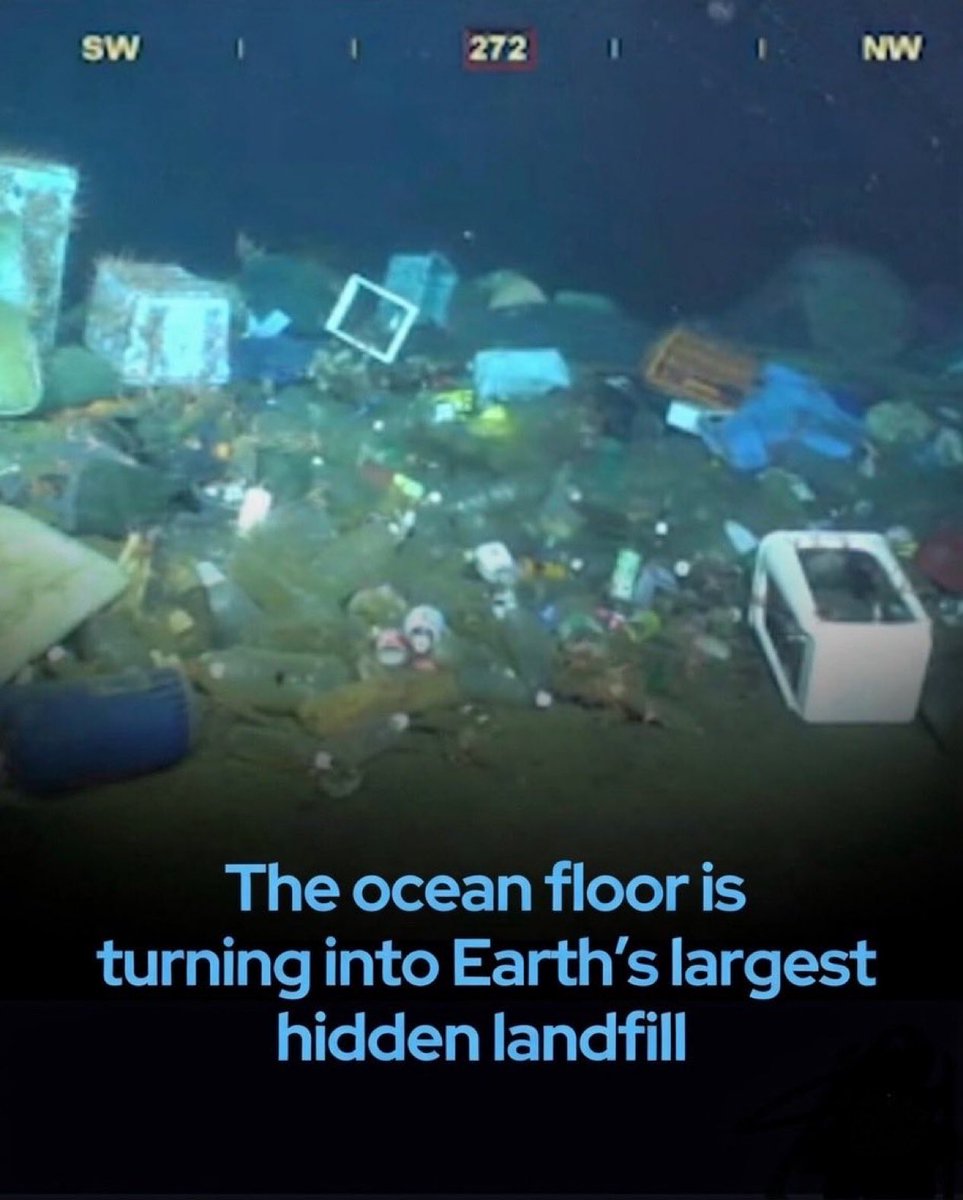
The ocean floor is slowly turning into a landfill
For decades, most concern about ocean pollution has focused on floating plastic and waste washing up on beaches. However, scientists now warn that the largest buildup of debris is happening out of sight, deep beneath the ocean’s surface.
A global review led by researchers at the University of Barcelona found that the seafloor is accumulating vast amounts of human-made waste, in some places at levels comparable to landfills. In the Strait of Messina, between Italy and Sicily, researchers documented over one million pieces of debris per square mile (around 400,000 per square kilometer), making it one of the most polluted seafloor regions ever recorded.
Debris such as plastic bags, fishing nets, metal, glass, and discarded equipment does not simply sink straight down. Ocean currents, storms, and underwater canyons transport waste from coastlines into deep-sea basins thousands of feet below the surface. Plastics account for about 62% of seafloor litter and can travel long distances before settling.
This is a global issue. Plastic has been discovered nearly 36,000 feet deep (about 10,900 meters) in the Mariana Trench, the deepest known point in the ocean. If current trends continue, scientists estimate the ocean could contain over 3 billion metric tons of waste within the next 30 years.
The impact on marine life is severe. Nearly 700 marine species are affected by seafloor debris through entanglement, ingestion, or exposure to toxic chemicals. Abandoned fishing gear can continue trapping animals for decades, a process known as ghost fishing.
Because this pollution occurs far from human view, it is often overlooked. But what sinks into the ocean does not vanish — it accumulates, persists, and alters ecosystems long after it disappears from sight.
Read the study:
“The quest for seafloor macrolitter: a critical review of background knowledge, current methods and future prospects.”
Environmental Research Letters, 2021
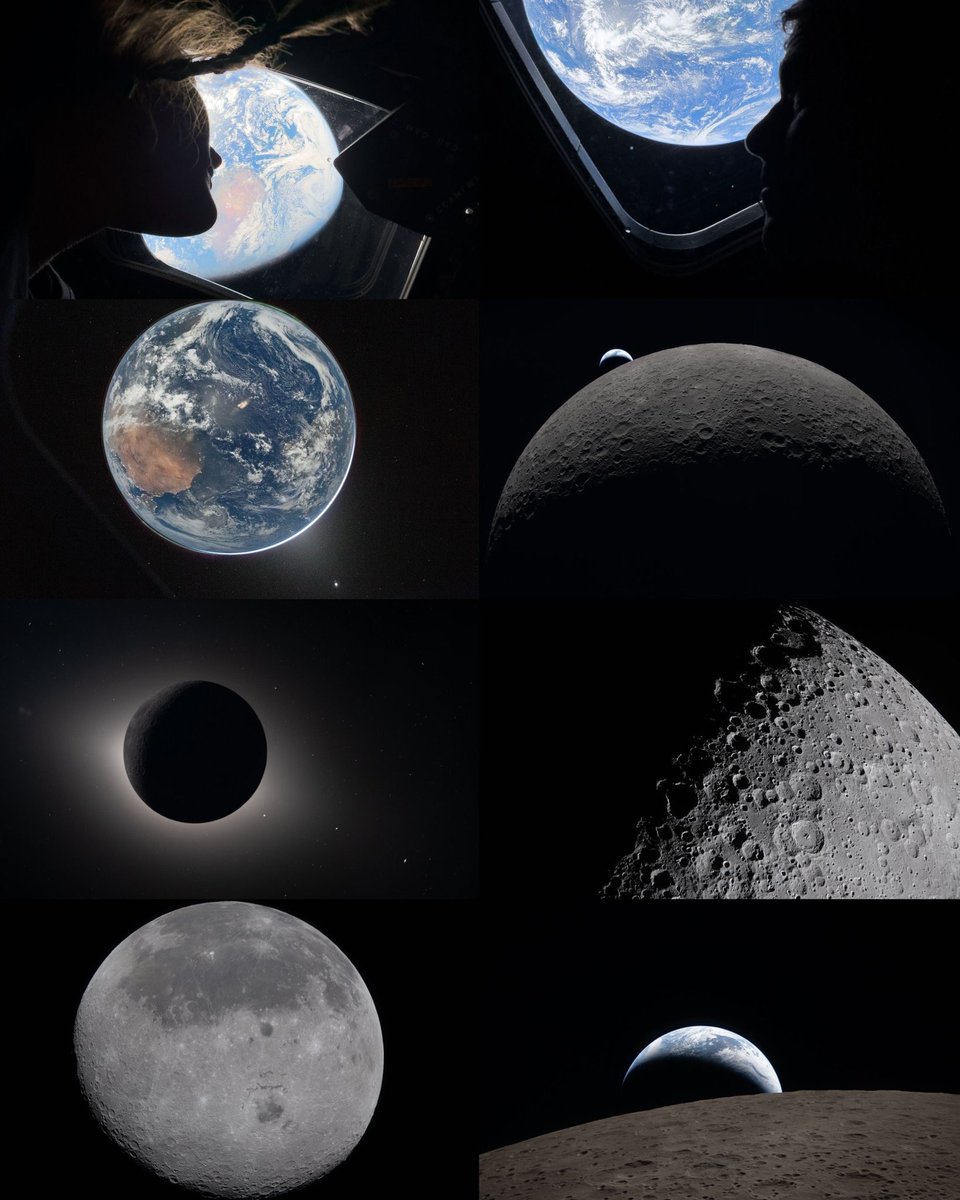
Which @NASAArtemis astronaut are you — the commander, the pilot, mission specialist I, or mission specialist II?
Take this online quiz to find out which Artemis role fits you best on the upcoming mission around the Moon! https://t.co/P3kdNYbnNs
I just sent "The One Thing Your Audience Will Never Forgive" to my 5.4K+ subscribers. Be sure to get on my list to get the next one straight to your inbox.
https://t.co/hdABzwsVqn via @kit
Scientists believe the Milky Way is flying through space at 600 kilometers per second while also wobbling slightly, as if it’s flipping its wings through the cosmos.
Democratic lawmakers proposed amendments that would reduce Social Security Commissioner Frank Bisignano’s salary to $1 unless records related to the data-sharing scheme between DOGE and an unnamed “political advocacy group” are turned over to Congress.
https://t.co/9eEOY2xgWt
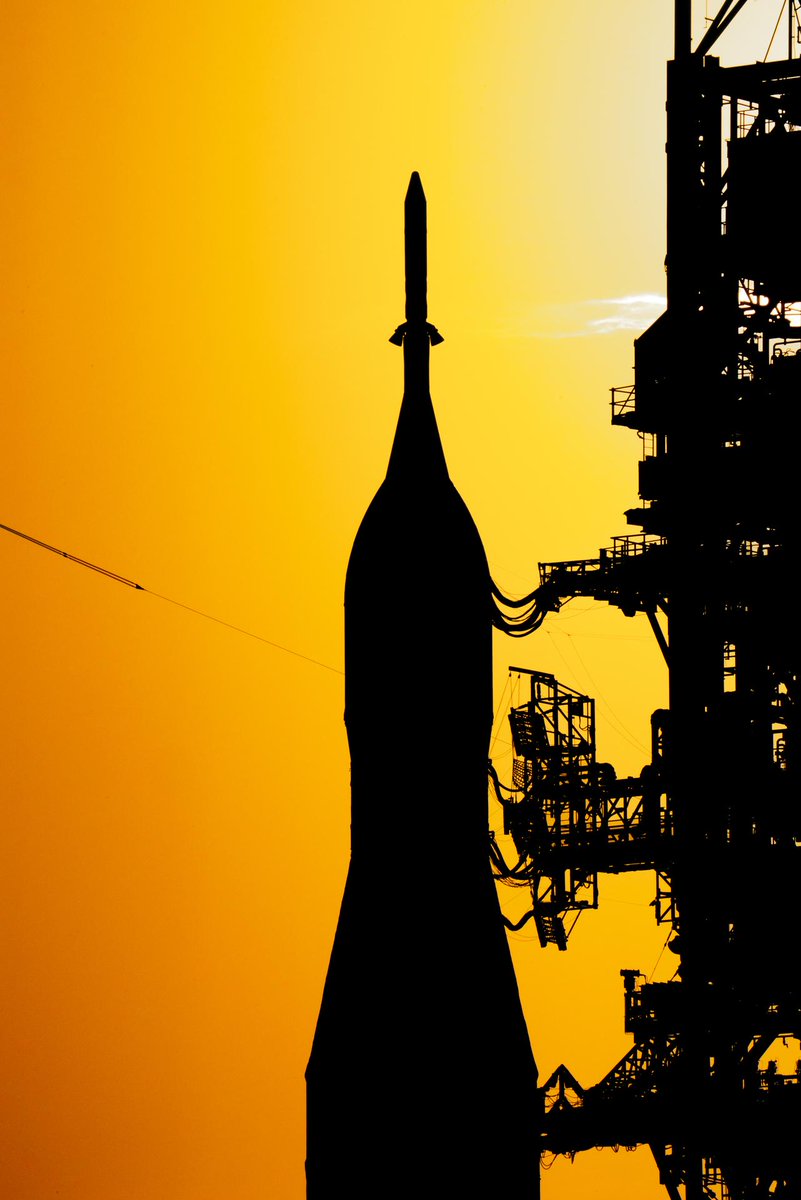
On the launchpad.
In the final stretch of its 12-hour journey to Launch Pad 39B on Jan. 17, the Artemis II rocket and spacecraft formed a silhouette in the glowing Florida sunset. Teams are now preparing the rocket for a wet dress rehearsal, targeted for no later than Feb. 2.