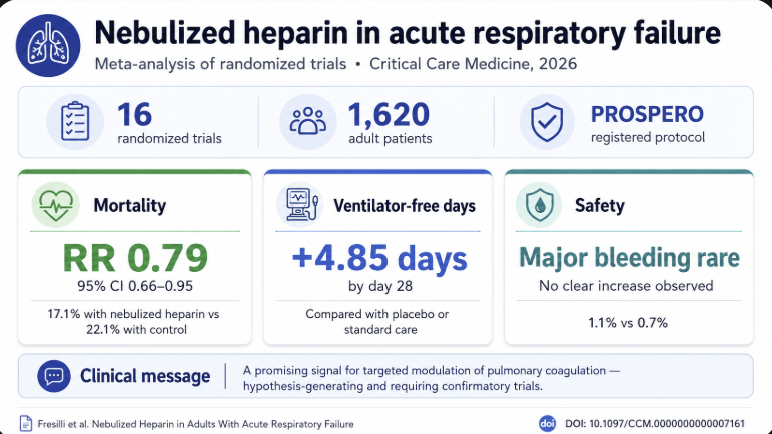
New in @CritCareMed: our meta-analysis of 16 RCTs (1,620 adults) suggests nebulized heparin in acute respiratory failure may lower mortality (RR 0.79, 95% CI 0.66–0.95) and increase ventilation-free days, with no safety signal. https://t.co/PcEnM7kpEn
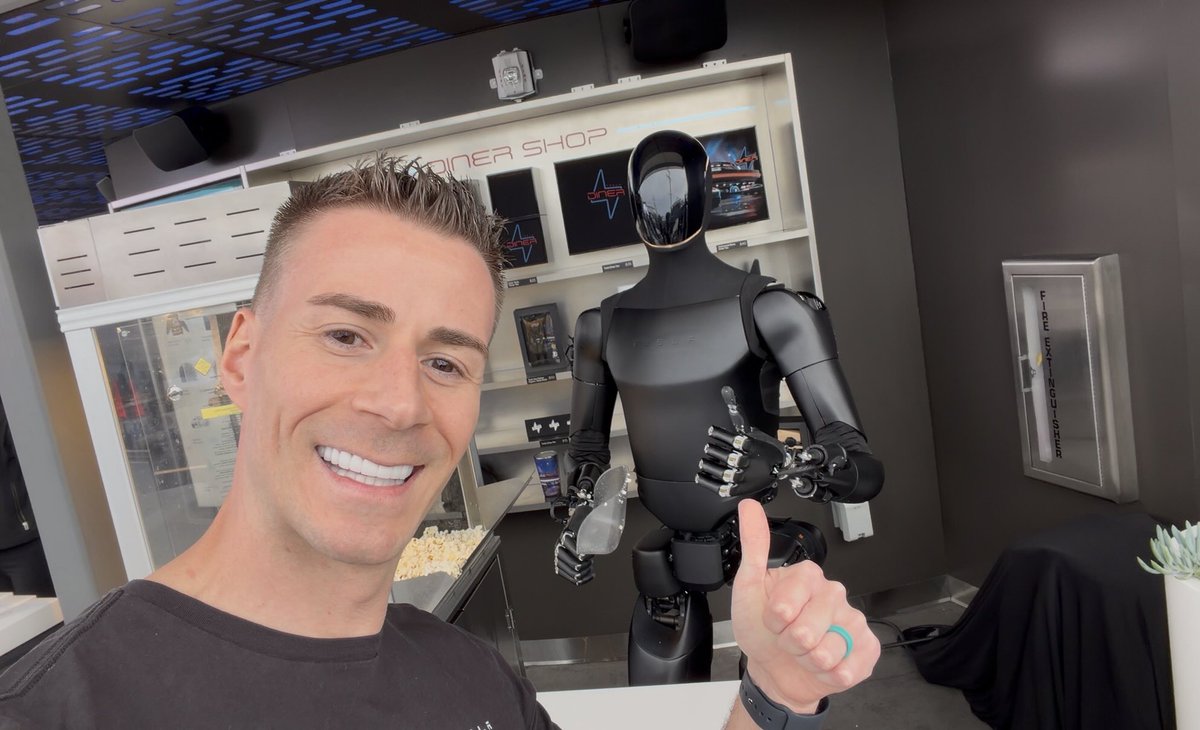
@elonmusk We need those Tesla Diner everywhere Elon! These are legit awesome! From young kids to older adults, everyone seems to enjoy their experiences each time I go there!!
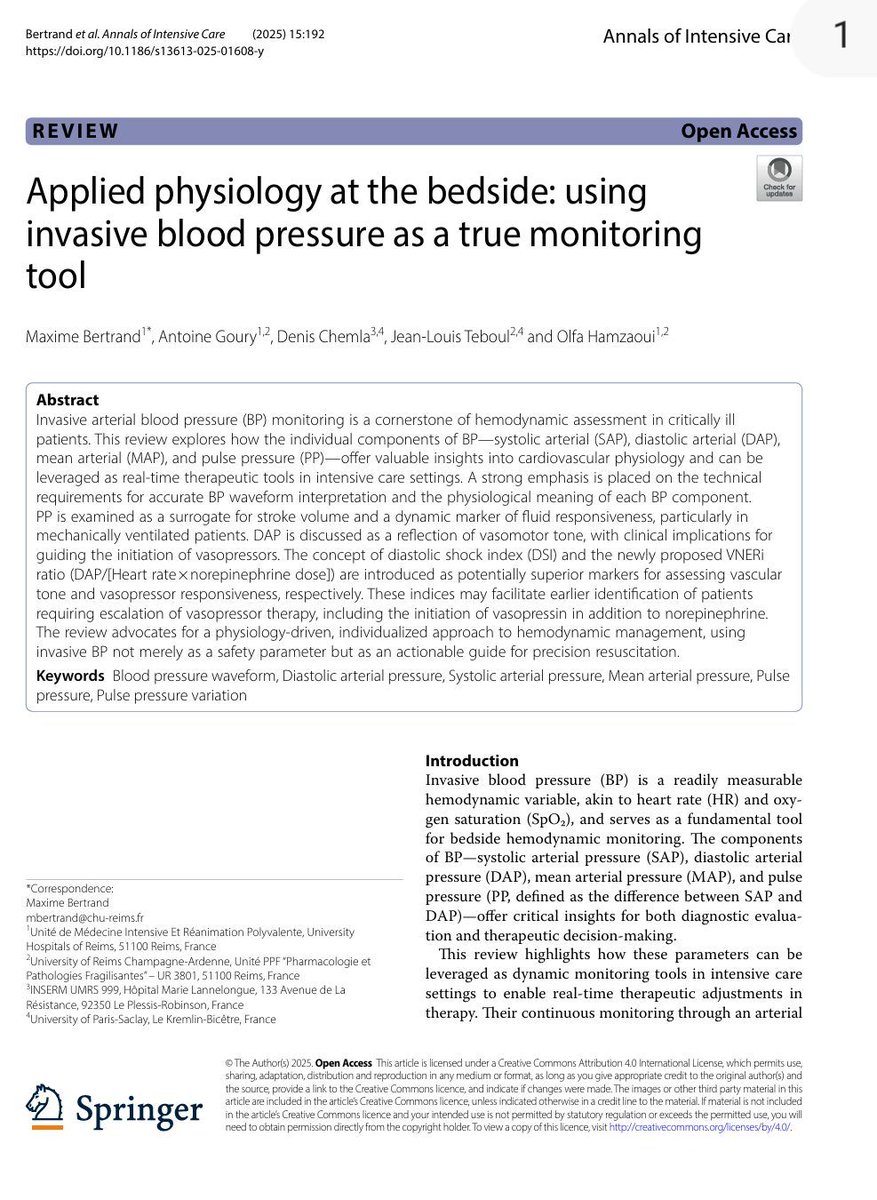
🫀 Applied physiology at the bedside: Are we underusing arterial pressure monitoring?
Invasive blood pressure is often simplified to a single target: MAP 😑
However, this excellent review highlights that arterial pressure should be interpreted as a composite physiological signal, not just a safety threshold.
🔍 Key insights:
1. Each BP component reflects a different physiological domain
• SAP → systolic performance / stroke volume
• DAP → vascular tone
• PP → dynamic flow marker
2. Pulse pressure as a dynamic tool
• Surrogate of stroke volume
• Marker of fluid responsiveness (especially in ventilated patients)
3. Diastolic pressure as a marker of vasoplegia
• Low DAP → early sign of distributive shock
• Useful to guide vasopressor initiation
4. Emerging indices for precision resuscitation
🔹 Diastolic Shock Index (HR/DAP)
🔹 VNEri (DAP / HR × norepinephrine dose)
👉 Potential tools to better assess vascular tone and vasopressor responsiveness
🎯 Take-home message:
The arterial line should not be seen as a passive monitor, but as an active, real-time guide for individualized hemodynamic management.
Bertrand et al. Annals of Intensive Care (2025) 15:192 https://t.co/9xTt2IkuI3
#CriticalCare #Hemodynamics #ICU #Shock #Anesthesiology #POCUS #MedicalEducation
Let us never forget, we stand on the shoulders of giants.
“They shall grow not old, as we that are left grow old.
Age shall not weary them, nor the years condemn.
At the going down of the sun and in the morning….We will remember them”
For the Fallen by Laurence Binyon
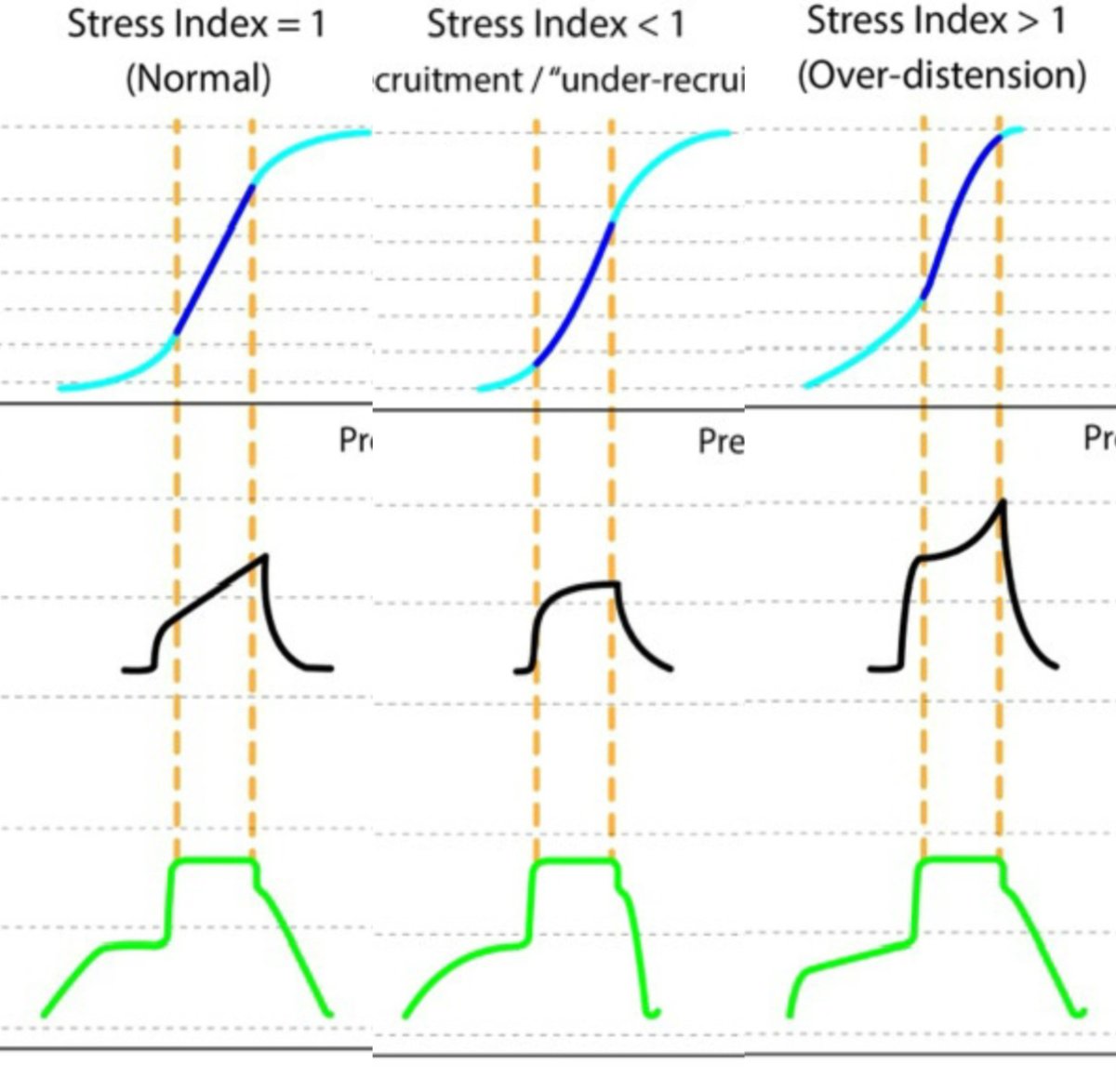
Been using driving Px and SI routinely but believe this along with Mechanical Power will be our lung protective strategy monitors in the upcoming 5-10yrs
The ventilator stress index measures the stress and strain imposed on the respiratory system during mechanical ventilation. It is a useful tool in predicting the risk of VILI and guiding PEEP titration in critically ill patients. #mechanicalventilation
https://t.co/yt3j0jxFOx
Modified CALS including rescue-focused cardiac ultrasound and early institution of extracorporeal cardiopulmonary resuscitation instead of chest reopening.#ECMO#CALS#Cardiacarrest
https://t.co/YZL4zGzIVl
Finishing my first year of cardio fellowship on a high note.
Fellowship is challenging but my new family of fellows and faculty are the best team players I have ever seen.
I will be forever grateful for the opportunity of taking care of patients as a doctor.
EP HERE I COME!
Beyond one-size-fits-all in cardiogenic shock: microaxial flow pump, VA #ECMO or tailored use of mechanical circulatory support?
🫀VA ECMO should be reserved for selected patients with AMI & extreme CS
🫀 mAFP first? #Impella appears promising for CS due to STEMI & should be preferred #MCS
🪜 stepwise approach: initial mAFP in CS with LV failure + #ECLS in refractory cases or if severe RV failure may be promising (to be validated!)
⚠️ high complication rates associated with #MCS underscores need for personalized approach
@CO_CriticalCare
🖇️ https://t.co/i5ZlxGRi61
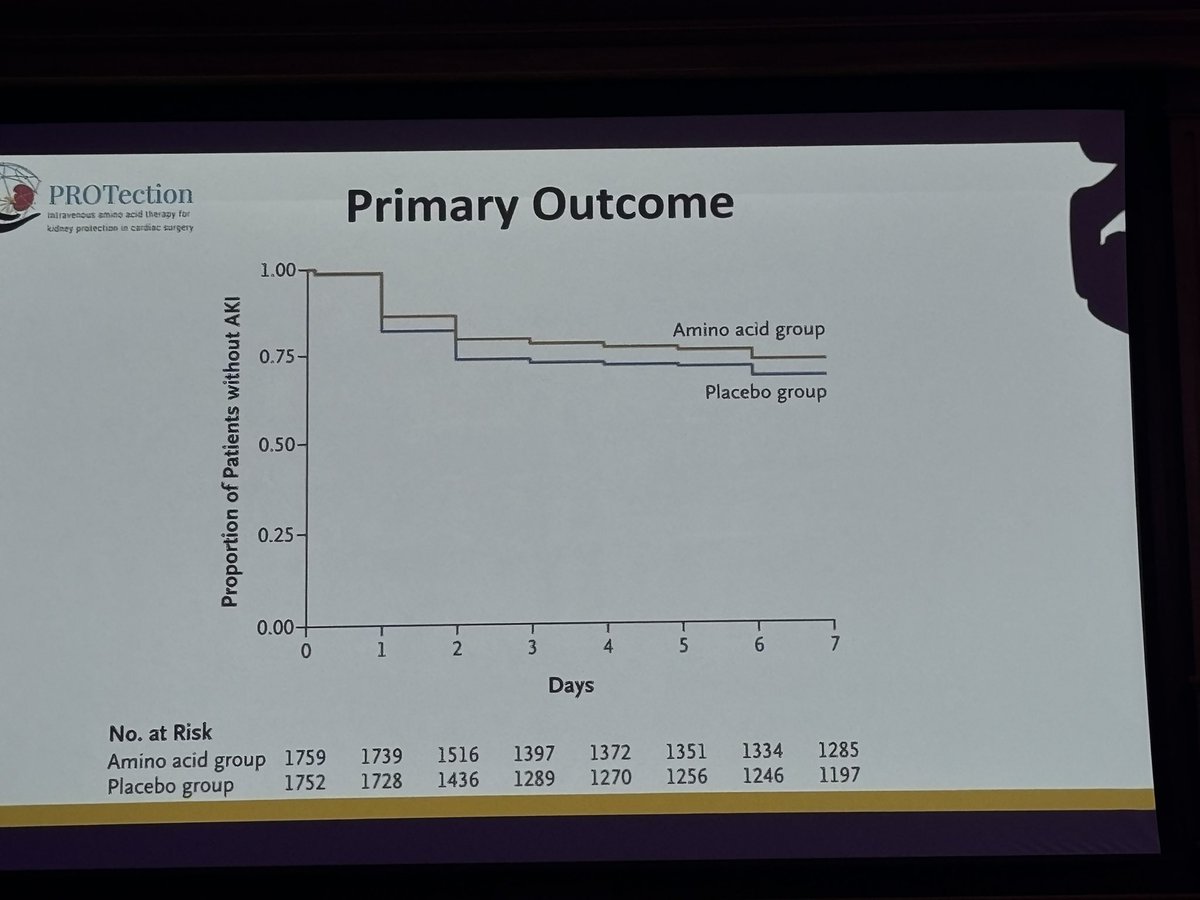
The results is fantastic!!
With @giovannilandoni at #CCM24
Relative risk 0.85 p 0.002
Absolute risk reduction 5%
Relative risk reduction 15%
Number needed to treat 21
#Protectiontrial#CCM24
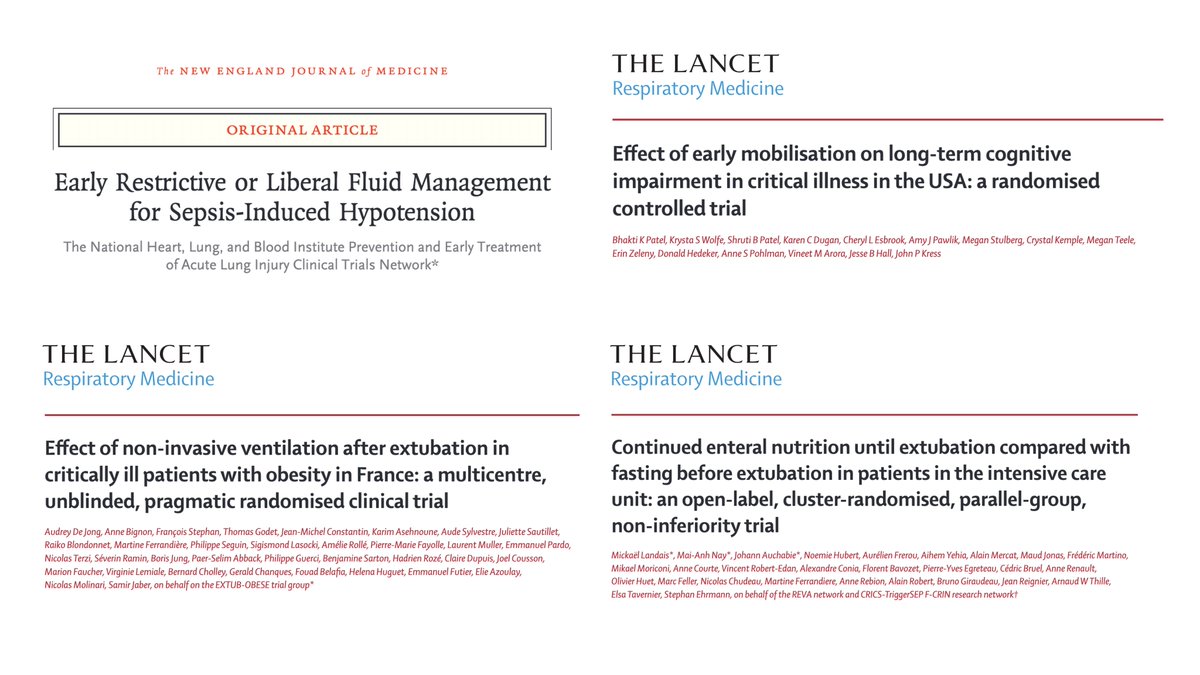
4 RCTs published in the last few hours you can’t miss if you work with critically ill patients:
#1 Fluids in septic shock
#2 Mobilisation and long-term cognitive impairment
#3 NIV for extubation of obese patients
#4 Nutrition before extubation
A thread 🧵👇
#FOAMcc#SCCM2023