🚨 Excited to share a new paper in Cell! Human genetics led us to HOTSCRAMBL, a HOXA-locus lncRNA that regulates 🩸#stemcell self-renewal and HOXA9 splicing, with implications for AML.
Amazing work by @lvchosen1 with @silvirouskin, @Armstrong_dfci, and many more!
https://t.co/Kralk3tmzg
Excited to announce a new paper out now in @CD_AACR on a unique CAR T cell platform that eliminates AML and B-ALL without harming vital endogenous immune cells or other normal human tissues:
https://t.co/IVb5KIYqMs
Eli Lilly continued its recent buying spree, agreeing to pay up to $2.3 billion for Ajax Therapeutics in a deal that bolsters the drugmaker’s blood-cancer portfolio. https://t.co/0G3YkcilV8
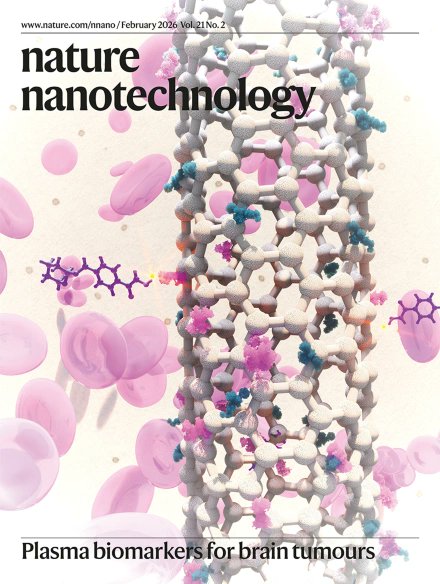
On the cover of this month's issue of Nature Nanotechnology! Our nanosensor + AI-based liquid biopsy (blood test) for brain tumors that also enables the discovery of new biomarkers. https://t.co/AnhR4rXzNV
Hello everyone! We're participating in @Cycle4Survival to raise money for rare cancer research at @MSKCancerCenter, and your support would mean so much to us. Make a 100% tax-deductible donation using the link. Thank you! https://t.co/zXL2FSuCCh
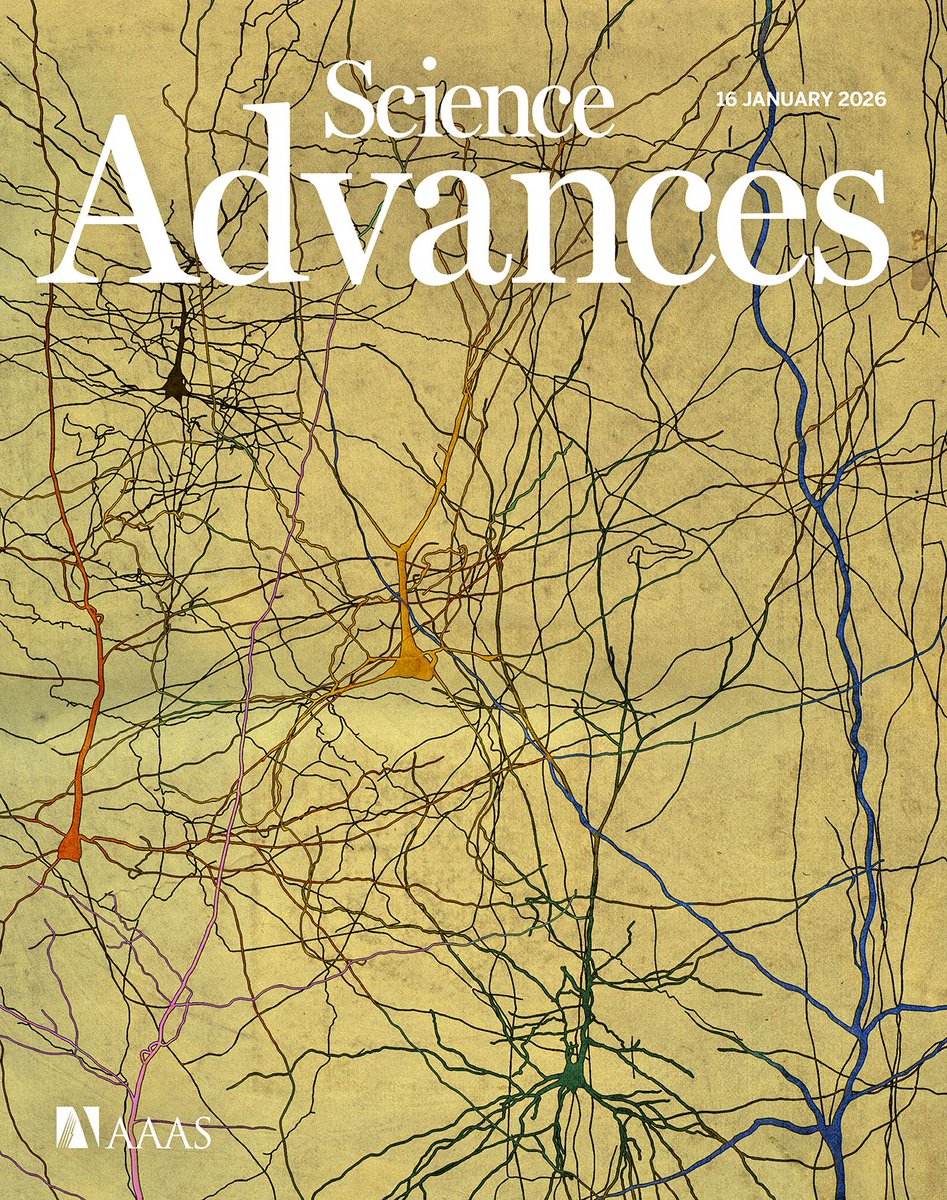
Researchers identify PGBD5, a transposase-derived gene, as an essential regulator of normal brain development in mice and humans.
Learn more in this week’s issue of Science Advances: https://t.co/LmcIk3JCKX
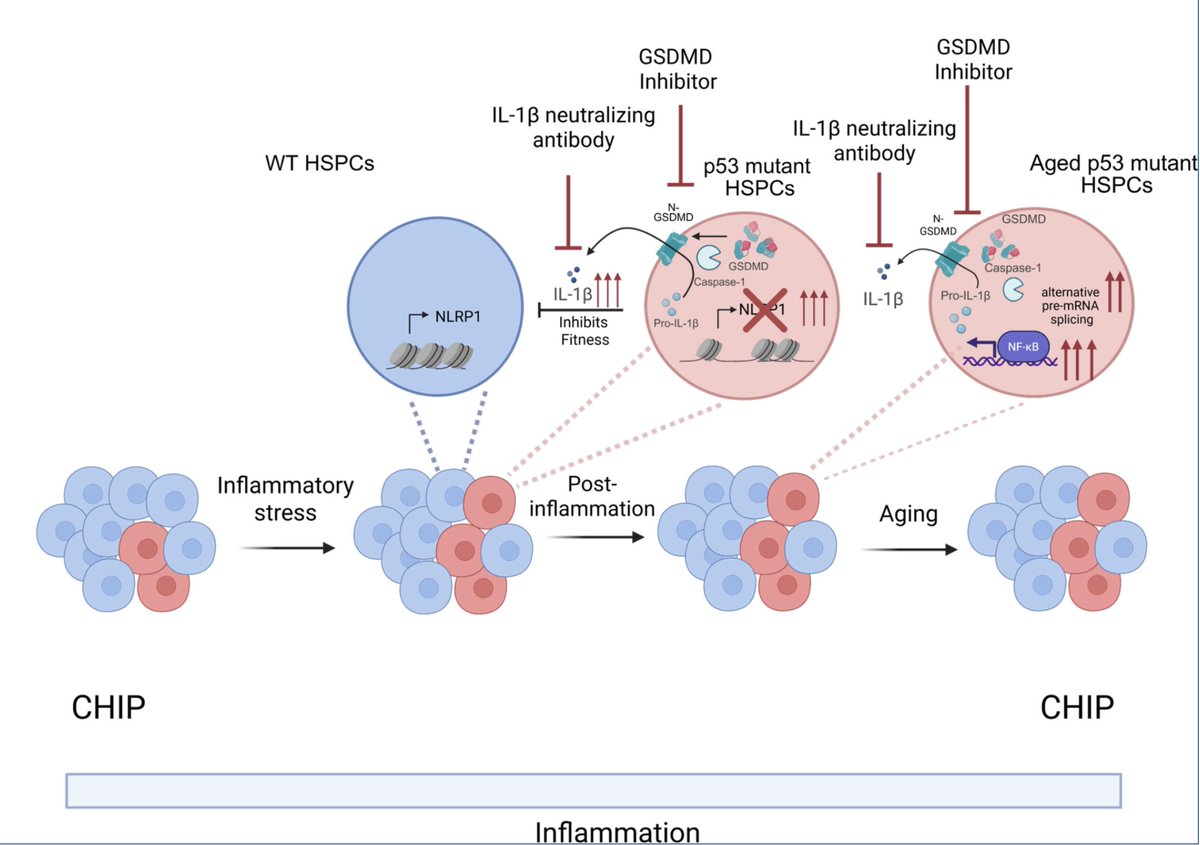
People with TP53 mutations have blood stem cell clones (CHIP) which promote chronic inflammation, aging, and risk of blood cancers. This can be blocked by multiple means (as shown below) to potentially prevent cancer, but CHIP is not assayed in the clinic.
https://t.co/5W7JeQjia7 @jclinicalinvest
Scientists have known for decades that there are gene mutations that increase your risk of developing cancer. But there is also a genetic variant that could reduce the risk of developing certain #bloodcancers, according to new research co-led by scientists from MSK.
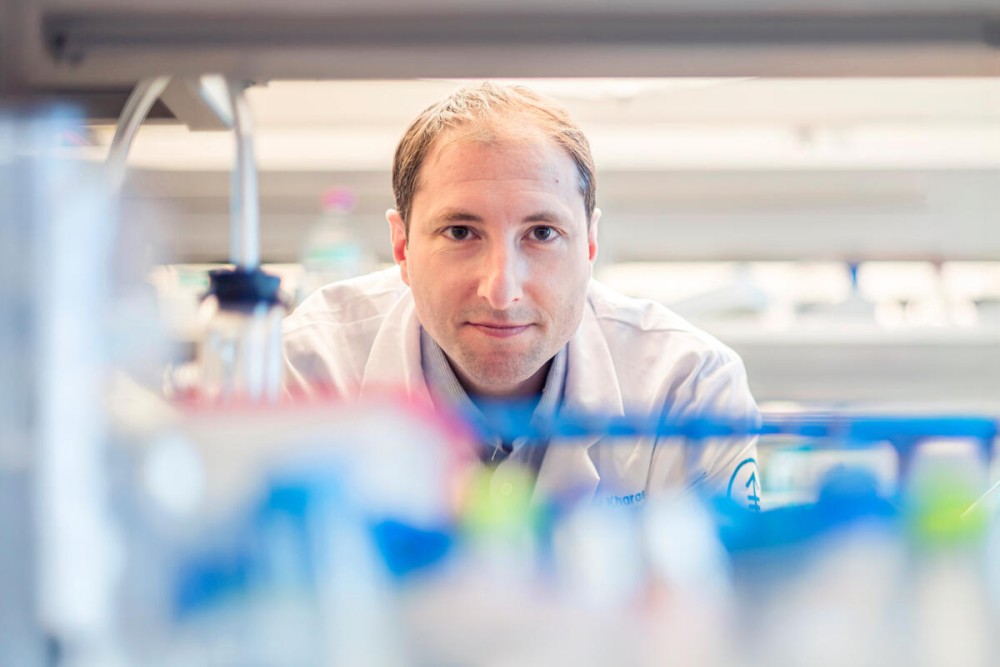
“We’ve discovered the mechanism by which a change within the MUSASHI2 (MSI2) gene region appears to protect people from blood cancers related to clonal hematopoiesis,” says cancer biologist @KharasLab, a member of the Molecular Pharmacology Program in the Sloan Kettering Institute and co-corresponding author of the paper.
Learn more: https://t.co/PCrJeKIoGY
Check out our latest story https://t.co/7wLiJlYDyy! Huge thanks to @GauravA_UK and the @bloodgenes lab for driving this work forward together with us. This was a great team effort with outstanding collaborators @_ruslansoldatov, @AbdelWahablab, and @AlexBickMDPhD.