Is the YouTube algorithm radicalizing us?
Our new PNAS paper says: probably not!
But why should you trust this paper rather than other papers or reports saying otherwise?
Because we came up with a way to disentangle the causal effect of the algorithm.
https://t.co/e77PYPT5DH
The 'echo chamber' is a key explanation for online radicalization.
But the concept remains ill-defined.
What actually takes place within echo chambers?
In this book, we go inside 20 years of the "murder capital of the racist internet" to find out. 1/
https://t.co/y6vbSHQp8U
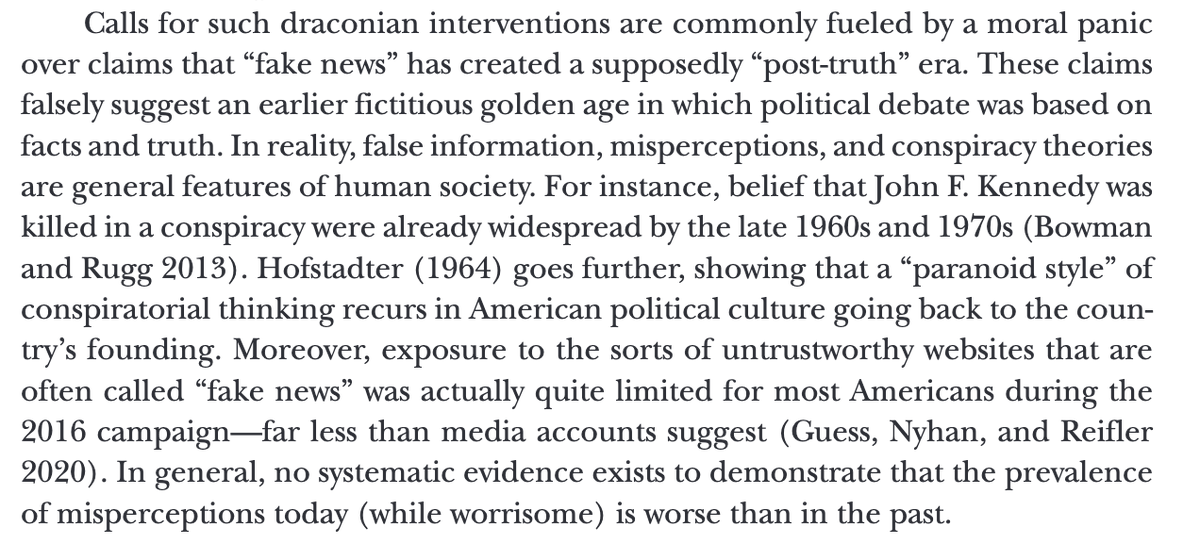
"... fueled by a moral panic over claims that “fake news” has created a supposedly “post-truth” era. These claims falsely suggest an earlier fictitious golden age in which political debate was based on facts and truth...." 👍
https://t.co/YOtWgV5Ubo
A meta-analysis 105 studies finds that focusing on intrinsic goals (such as growth, relationships, community giving, & health) promotes well-being ( r= .24), whereas a focus on extrinsic goals (such as wealth, fame, & beauty) hurts well-being (r = -.22) https://t.co/Jpf3I1q8uB
As a researcher, I try my best to notice robust findings that go against my priors -- meaning that before seeing the results, I would have predicted the opposite.
Here is a recent & thought-provoking example, comparing the psychology of people who were born rich vs. became rich.
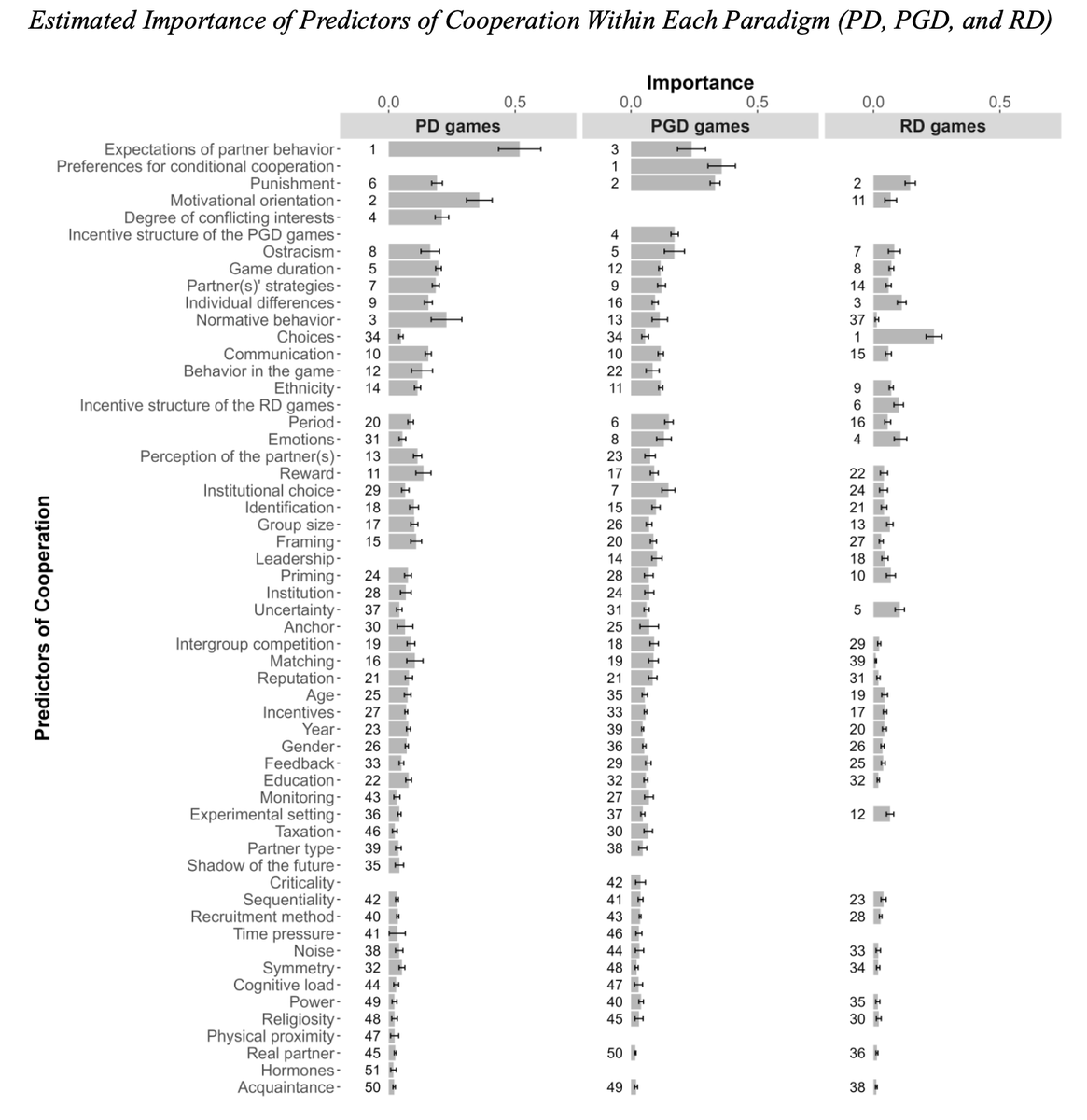
What predicts #cooperation?
A meta-analysis of 2,636 experiments finds that expectations of cooperation, social orientation, norms, and punishment predict cooperation.
Religiosity, time pressure, cognitive load, and hormones do NOT predict cooperation https://t.co/elDNwN3Xu4
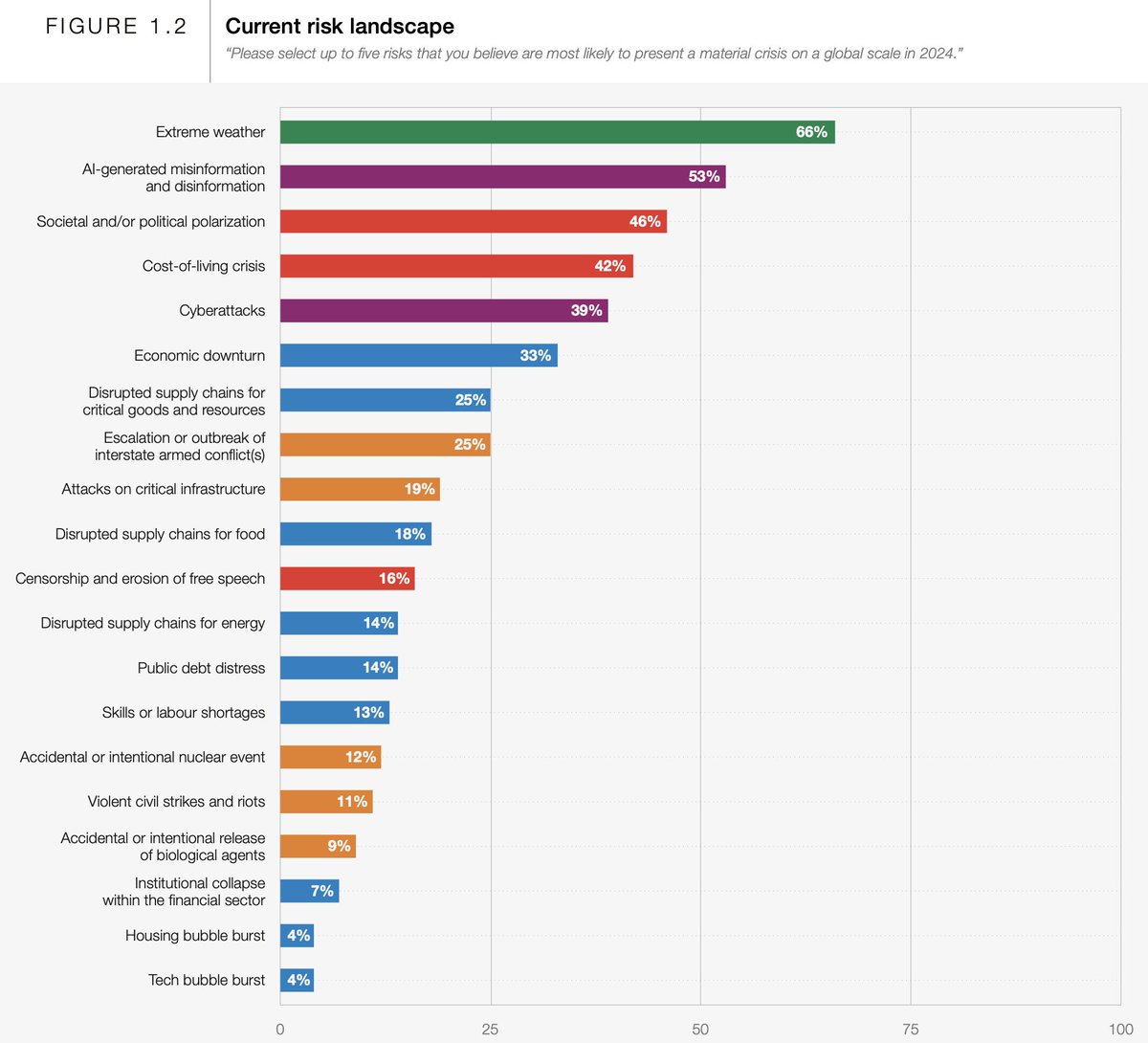
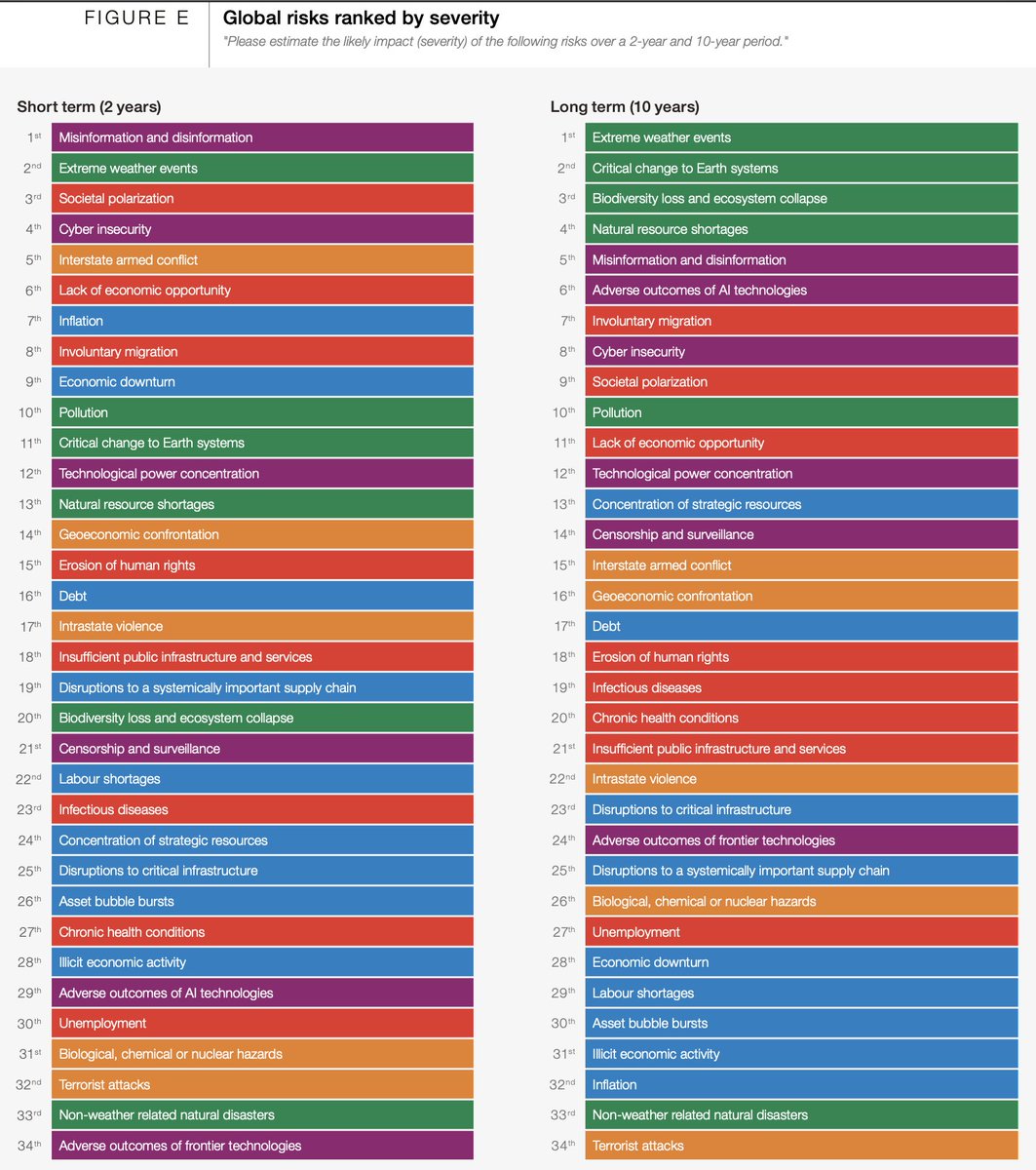
Everything is fine, ‘global leaders’ have perfectly accurate risk perceptions 🫠
Misinformation studies have a bright
future ahead of them 🙌
Misinfo * generative-AI = 🤯💸
https://t.co/jFGindRXu3
New essay: To avoid the charge that the post-2016 alarmism about misinformation has been a moral panic, researchers increasingly define misinformation to include content that is true but nevertheless misleading. I argue against this move: https://t.co/d0s4Yk0Bop 1/16
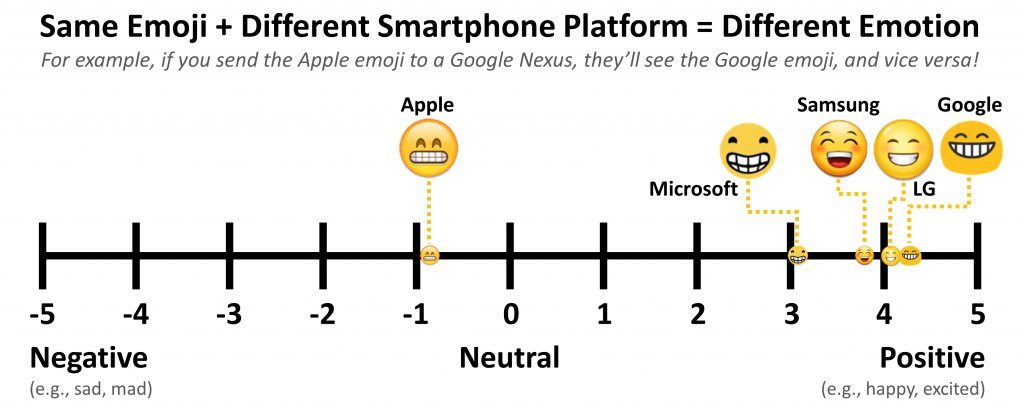
Before they became more standardized this study showed people interpret emoji differently on different platforms, depending on the artwork: https://t.co/A9m2uVi4Z7
I bet there are still effects, though they are likely more subtle now.
"This wonderful book will be of interest to anyone who cares about how we make sense of the physical and social worlds we live in.” -- Paul Bloom @paulbloomatyale
Categories We Live By: How We Classify Everyone and Everything https://t.co/sVriA4CPQ4 #Amazon via @Amazon
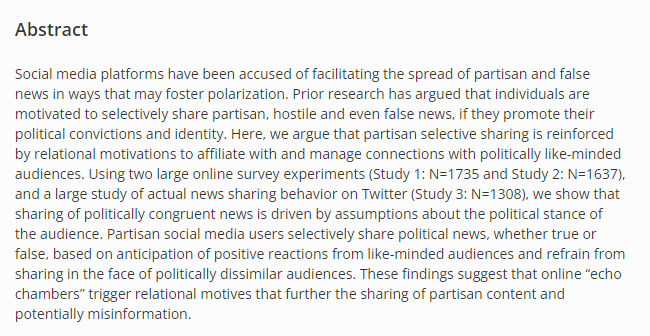
Evidence that affiliative motives drive the sharing of fake news:
"Partisan social media users selectively share political news, whether true or false, based on anticipation of positive reactions from like-minded audiences" @A_Marie_sci@M_B_Petersen
https://t.co/4OEyklSk6B
Negative news gets clicks, so becomes more common. The result: Pervasive pessimism disconnected from reality. Many believe the economy is terrible (even when it's not) and are certain this is the worst time in history to live (when in many ways it's the best time).
Interesting study showing a significant association between social media use and worse emotional well-being at the between-person level but *not* the within-person level (lots of heterogeneity in within-person relations). https://t.co/5wKCHQMJKP
Much of unhappiness is a result of thinking that we have control over situations where we don't. Here's how understanding the "dichotomy of control" can lead to greater resilience and satisfaction in life. https://t.co/caBMj97LUa