Stem cells strike again: Promising results from a new Parkinson’s trial just published in the journal Cell. Dopaminergic progenitors are early-stage brain cells that can mature into dopamine producing neurons. These are some but not all of the cells (and circuits) lost in Parkinson’s disease. Jin Woo Chang and colleagues just dropped a new paper on a phase 1/2a clinical trial testing human embryonic stem cell derived dopamine progenitors (A9-DPCs) transplanted into the brains of 12 persons living w/ Parkinson’s disease.
Key Points:
- Bilateral transplantation of high purity human embryonic stem cell–derived A9 dopamine progenitors into the putamen was safe and well tolerated.
- Participants experienced meaningful improvements in off medication motor scores w/ greater benefit in the high-dose group.
- Dopamine transporter PET imaging showed increased uptake in the posterior putamen suggesting graft survival and dopamine restoration.
My take: These results were presented at the Hawaii MDS International Congress, and I was pleased to see the full paper published this week. Big 3 points: embryonic cells, use of immunosuppression and it was safe. Not enough information yet on how effective and the results were similar to the two other trials recently published in the journal Nature. Here are 5 points that resonated w/ me: 1- Dopamine producing cells can be grown, purified and safely transplanted into the human Parkinson's brain. 2- The Korean research team found that these grafts may begin to restore dopamine signaling and improve motor function. 3- No tumors, no dangerous overgrowth and only minor temporary side effects during the first year. 4- Imaging studies confirmed that transplanted cells took hold and were functionally active in the brain. 5- The results are early and open-label and therefore the question remains whether well designed cell replacement therapies may one day complement other Parkinson's therapies like medication, focused ultrasound, pumps and DBS. Immunosuppression (drugs) were used in this trial.
https://t.co/KxFZtB1UoK #parkinson @CellPressNews@ParkinsonDotOrg@movedisorder@SfNtweets@PdAvengers
🚨 Check out our latest contribution where we delve into the dementia-related snRNA-seq data and spotlight the signature changes in brain #endothelialcells and #pericytes!
Very proud of the effort led by Dr. Michael Sewell and Nela Fialova @fialovanel.
https://t.co/y4TylaTjJo
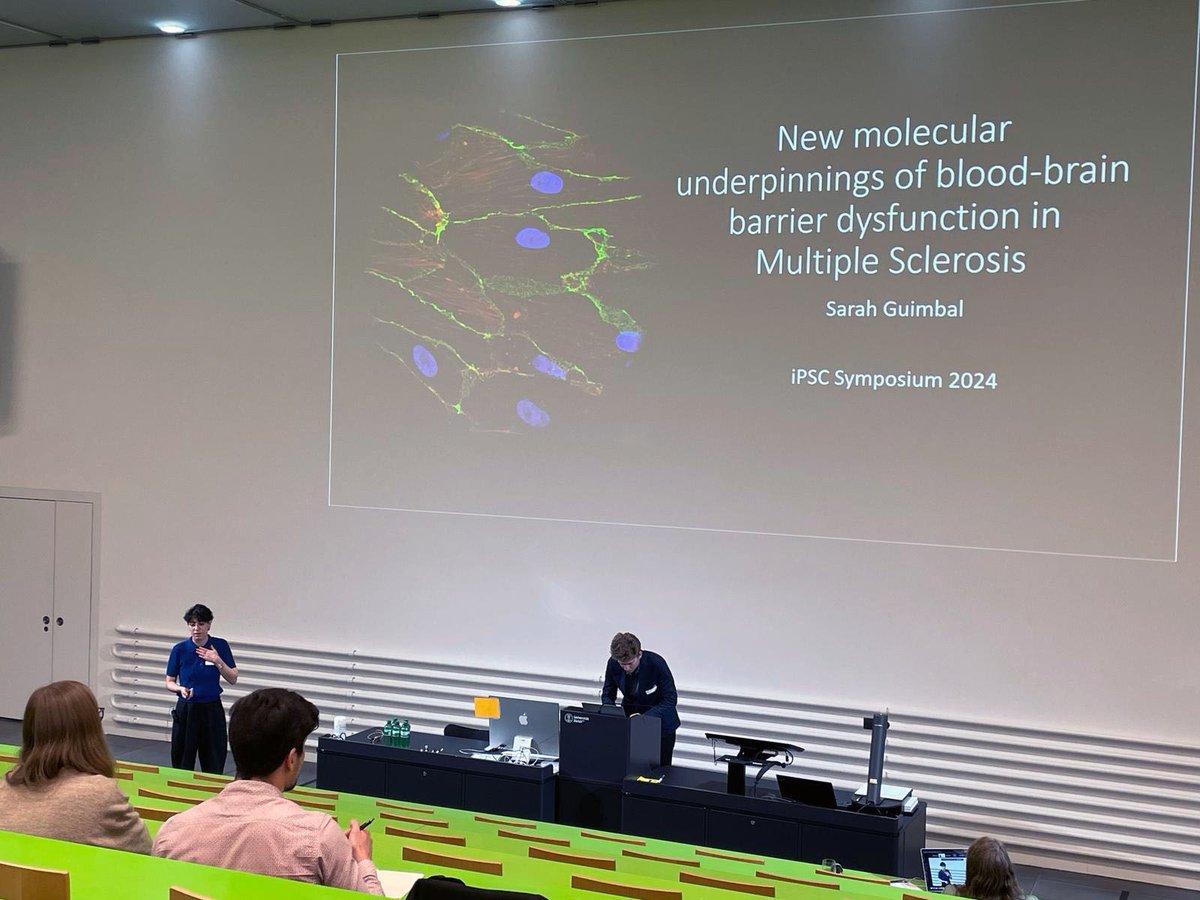
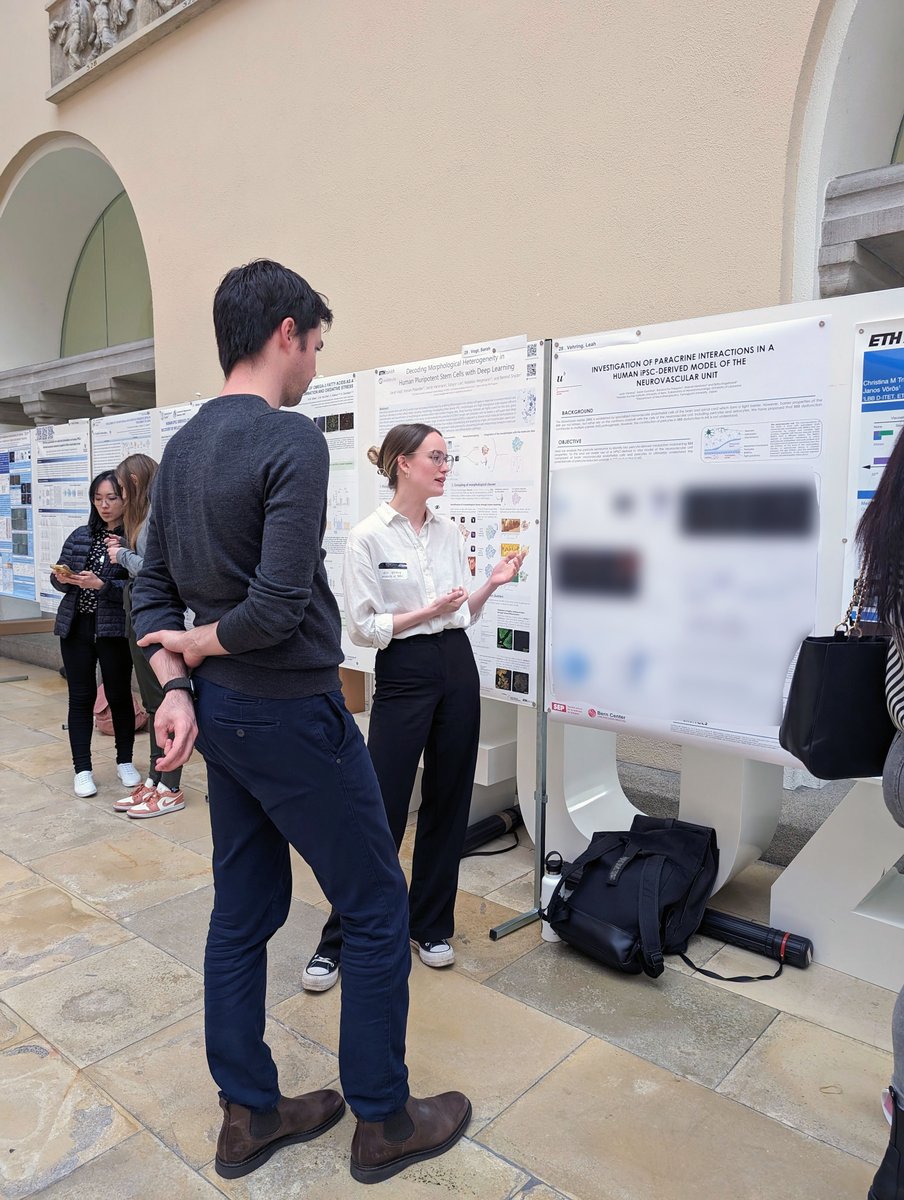
#iPSZurich 2024 recap ! First conference and poster for my master student & I could present my project this year during the symposium. Super nice day to share our experience working with #stemcells !
#CallForPapers Special Issues😊
"Boosting Autophagy to Fight Aging and Age-Related Diseases"
🕝 Deadline: 01 August 2024
👨🎓 Guest editor: Dr. Eloy Bejarano Fernandez、Marina García Macia、Lucia Gimeno Mallench @Juanaloca2002@bejaranobioCEU
https://t.co/wfiJFXZ8H4
#OpenAccess
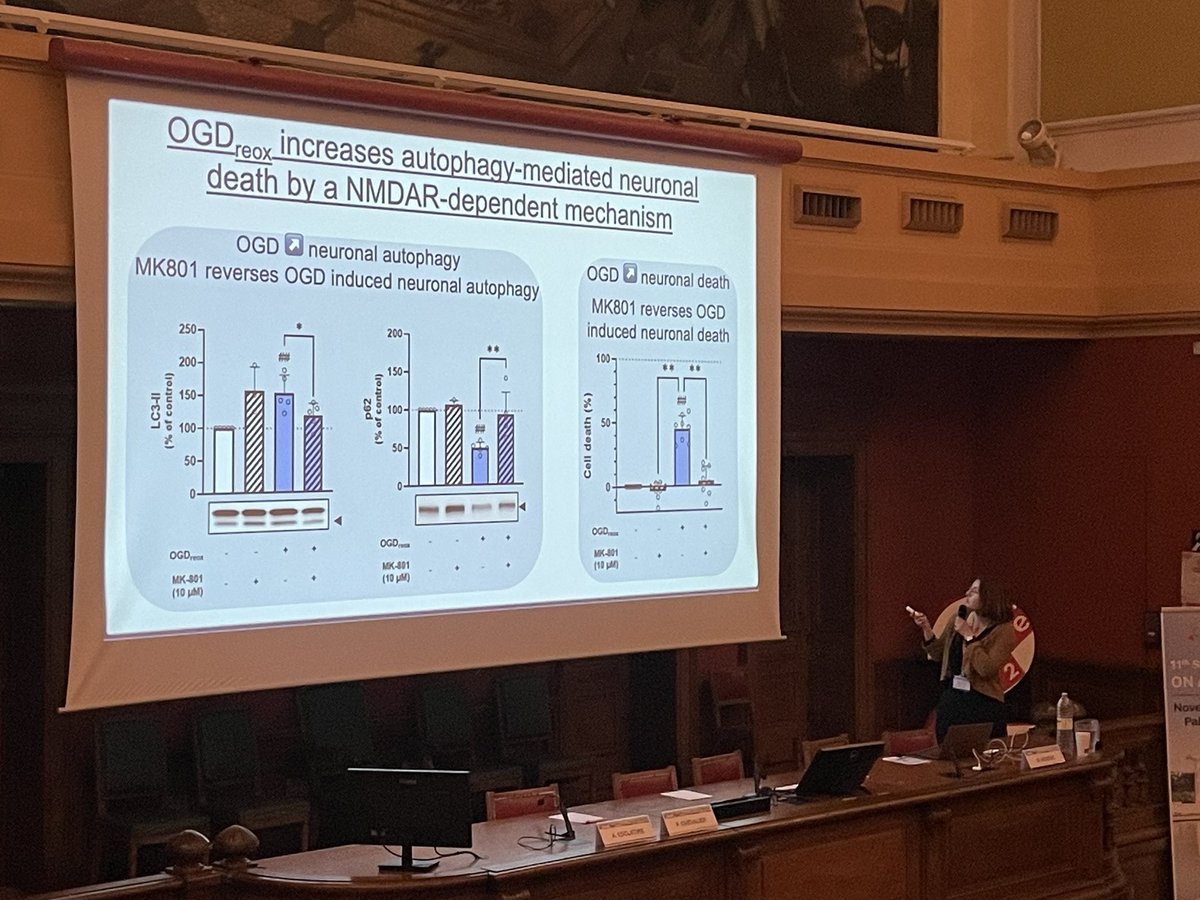
🚨🏆 Excited and grateful to have clinched the 2nd prize for my poster at the #GRC Plasminogen conference! 🤩
😌A huge thanks to the organizing team and everyone who shared their inspiring ideas. Let's keep moving forward together in research! 🌟 #GRP78#Plasminogen@BbCaen#tPA
Curious about the blood-brain barrier's involvement in stroke pathophysiology? 🧠
Our comprehensive review breaks down the latest findings. Unlock the secrets behind stroke progression! ☺️
#BBB#StrokeResearch https://t.co/OMdB9QFZHV
@BbCaen@viviendenis2
In 2 days, it's Science Day! The challenge: transforming a play kitchen into a mini cell culture lab to captivate kids. A little creativity, some DIY magic, and voilà!
(I confess, I would've loved a toy like that as a child) 🧪🔬✨ #ScienceFun#ImaginationAtPlay@ViviensLab1
The 2024 Gordon Conference on Autophagy will be held at the beautiful Il Ciocco site in Tuscany Mar. 10-15. If you have a passion for autophagy or just want to learn more, apply now before it gets oversubscribed! https://t.co/YYPxG2rEYr
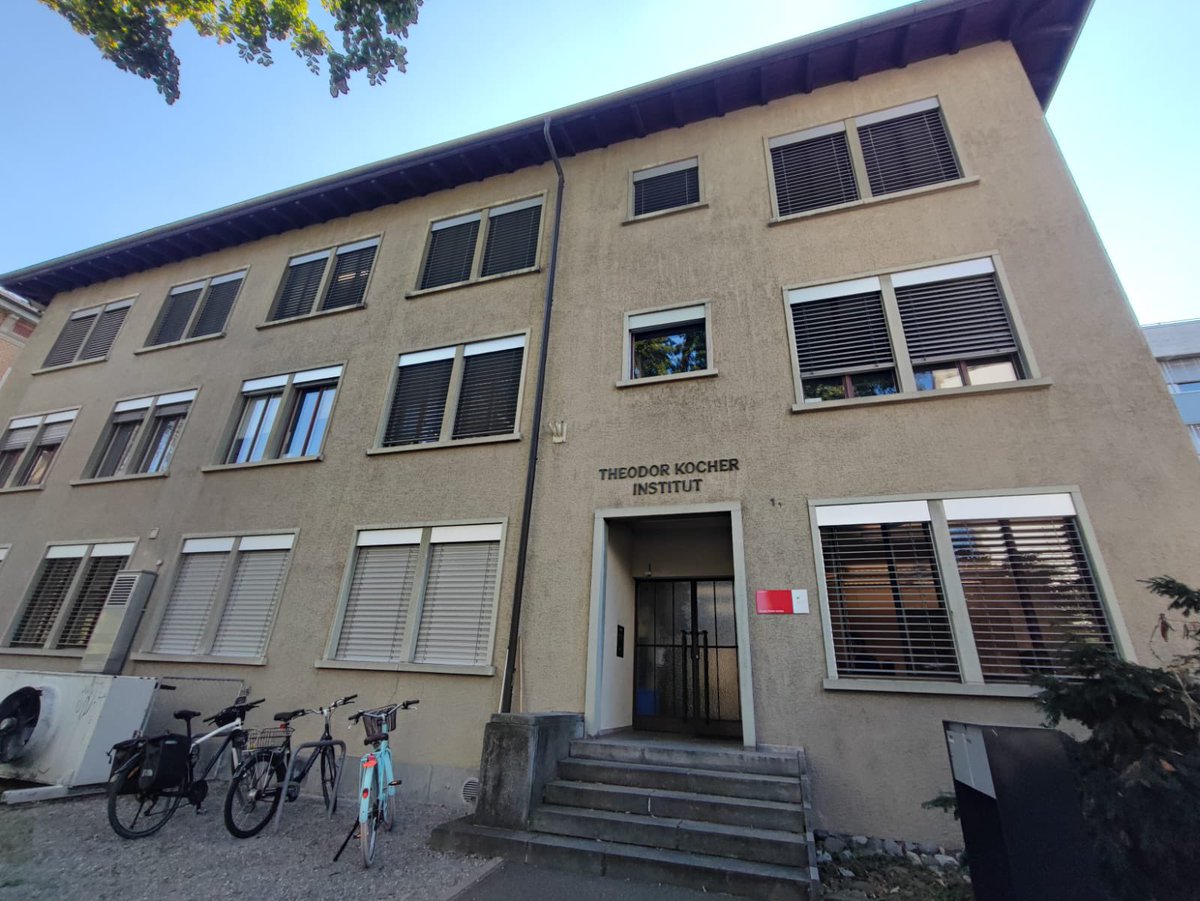
Thanks to @Britta_in_Bern lab for training us this week on IPsC. Great people great city and most importantly great science. Many many thanks @GuimbalSarah for the time spent
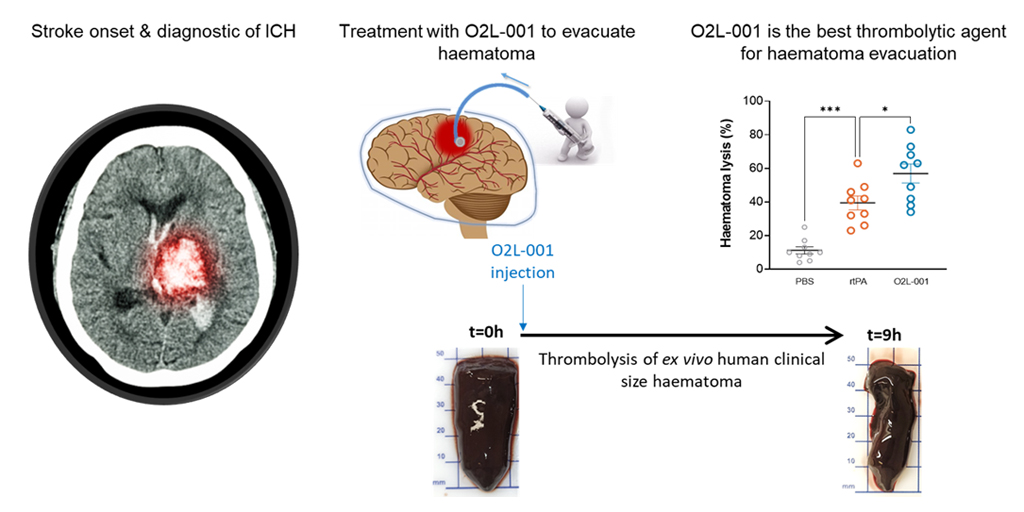
Thiebaut et al. show that O2L-001, an extended-release formulation of the recombinant tissue-type plasminogen activator OptPA, is more efficacious than the gold-standard thrombolytic agent in evacuating ex vivo clinical size human blood haematomas. https://t.co/sTp1jBiE7t
🚨 Dr. Cicognola @clau_cico from @lunduniversity will give a virtual talk titled "Associations of CSF PDGFRβ With Aging, BBB Damage, Neuroinflammation, and AD Pathologic Changes" 🤩🧠
📅 17th Aug
🕐 1pm UK time
🖱️ *Register* here: https://t.co/sTBxokxHbA
Please RT! 🙏🏻
@UKDRI
The entire academic board of the journal Neuroimage, including professors from Oxford University, King’s College London and Cardiff University resigned after Elsevier refused to reduce publication charges https://t.co/1pIATmTVQn