Out now in @braincomms. Worked started over two years ago by @karin_meeker examining the relationship between 27 different AD biomarkers including MRI, PET, mass-spec, and plasma measures. https://t.co/GjXt8QaDdH
NWO vroeg aan 5 wetenschappers welke oproep zij aan de #politiek doen op #Prinsjesdag. Onderzoeker @LisaVermunt van @AlzheimerAms wil overbrengen hoe belangrijk kennis is. “Zonder wetenschap geen nieuwe medicijnen.” Lees alle oproepen: https://t.co/hRZePxzMSR @NWONieuws
NWO has awarded Veni funding of up to EUR 280,000 to 188 promising researchers from the full breadth of science. This will allow the laureates to further develop their own research ideas over the next three years.
https://t.co/tUCSbytmva
With shared pathophysiological CSF changes, ADAD study findings might be translatable to sporadic AD, which could greatly expedite therapy development.
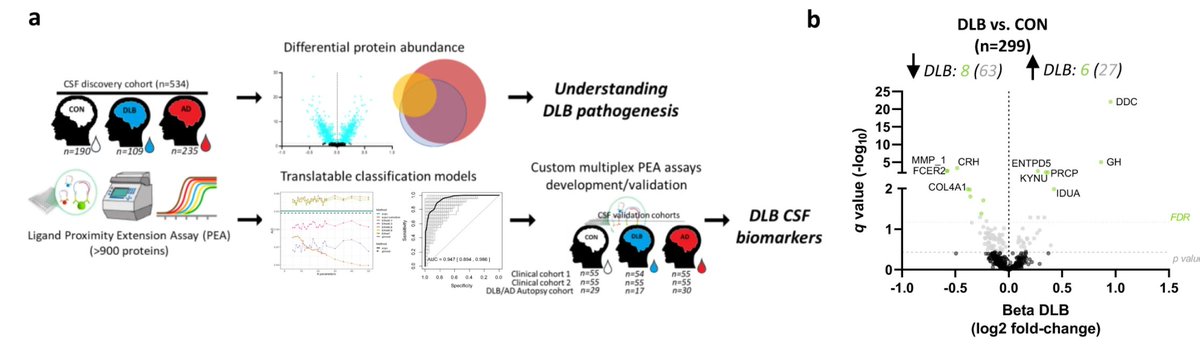
This CSF proteomics study demonstrates substantial biochemical similarities between ADAD and sporadic AD, suggesting involvement of the same biological processes. We identified several relatively novel proteins, which have potential as novel biomarkers.
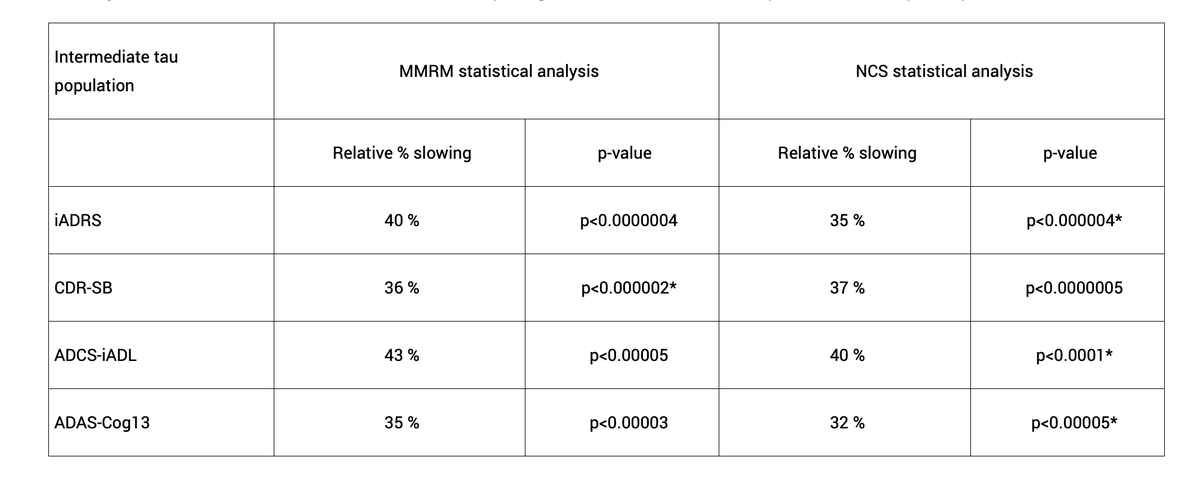
Breaking news: @EliLillyandCo Phase 3 trial of Donanemab is positive, showing significant slowing on cognitive and functional outcomes. Now we have two positive trials showing effects of amyloid clearance in Alzheimer's disease-- hugely exciting times! https://t.co/pgpm34UMmv
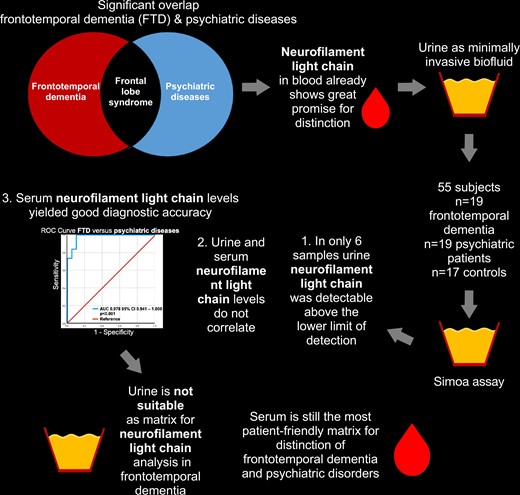
Van Engelen et al. report that the use of urine as a matrix for neurofilament light chain (NfL) analysis to differentiate frontotemporal dementia from psychiatric disorders is not suitable and that urine NfL levels did not correlate with serum levels. https://t.co/vR9RMXUN9R
I’m VERY excited to share our latest work with @LauraPiccio. Led by the brilliant @FabiaFilipello identifying defects in iPSC-microglia from Nasu Hakola patients that were restored by targeting mTOR dependent and independent pathways https://t.co/0Gfhp3b5EO
Biological enrichment for cell signalling and immune response pathways, with lower levels in fast progressing patients. Taken together, we present a novel progression biomarker identification framework and protein leads for prediction of cognitive decline in dementia.
#TNFRSF4 and #TGF ββ-1 emerged as the top markers, being lower in fast-progressing patients compared to slow-progressing patients. None of our top markers stood out as strong individual predictors of subsequent #cognitive#decline.