When October price cap rise begins Bank of England expects 40% rise (on top of 54% in April) to £2800 a year. That's about 1/3rd of the state pension (average payment is £8530) and 2/3rds of a single person's Universal Credit of £4018 (88% if <25). The another rise in January.
Very pleased to meet with UK Business & Energy Secretary @KwasiKwarteng in London to discuss how to ensure clean energy is at the heart of the response to today’s energy security challenges fueled by Russia’s invasion of Ukraine.
@IEA will continue to work closely with 🇬🇧
Rachel Maclean has just solved the cost of living crisis - turns out all you need to do is get a better paid job and work more hours. For example, you could become and MP and claim £218,000 in expenses on top of your £80k salary like she did last year.
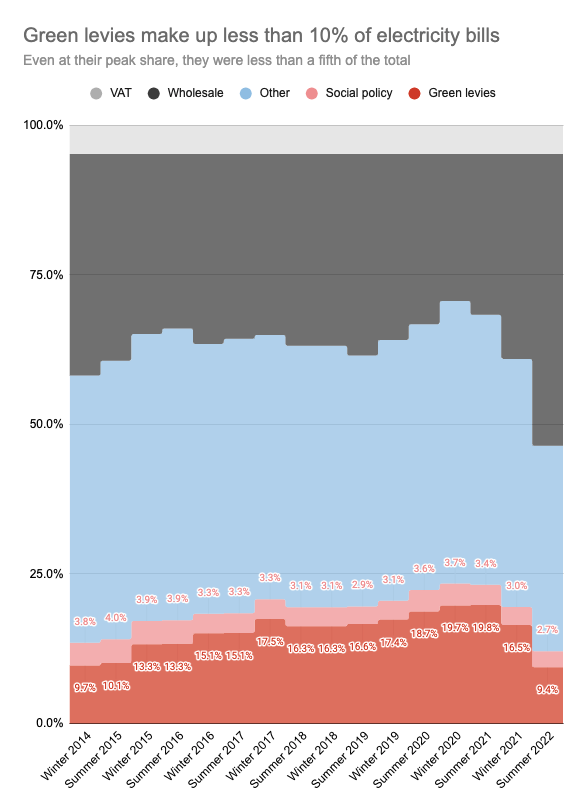
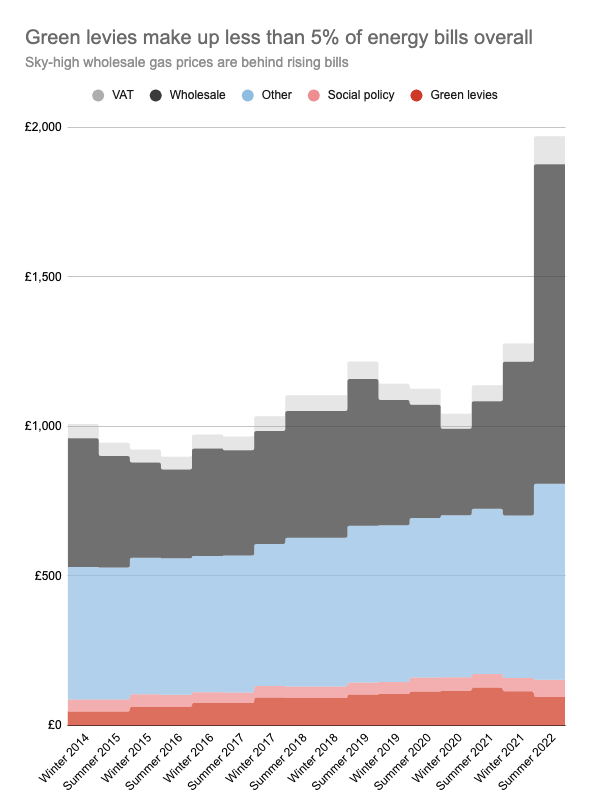
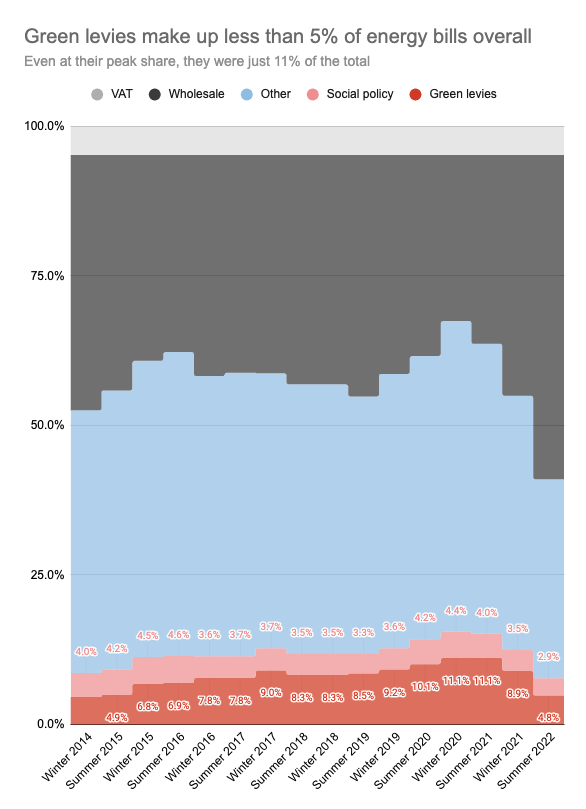
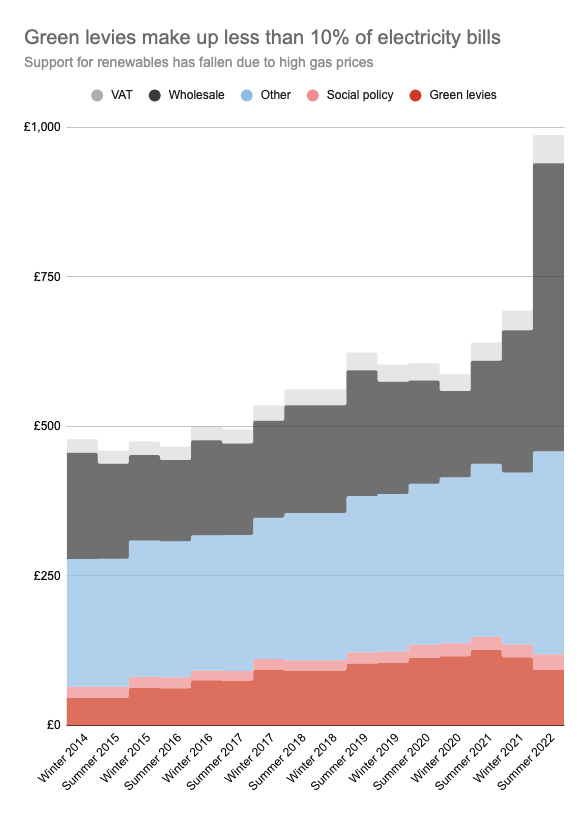
Green levies make up **less than 5%** of the UK energy bill price cap (and <10% of cap for electricity)
Many commentators, including @halfon4harlowMP, have repeatedly got this wrong
Once again: High energy bills are due to sky-high wholesale gas prices
https://t.co/V2wefGvdy7
This is just going to keep happening over and over again because Ministers are being sent to do media rounds armed with absolutely nothing; no policy at all. It's entirely unsustainble.
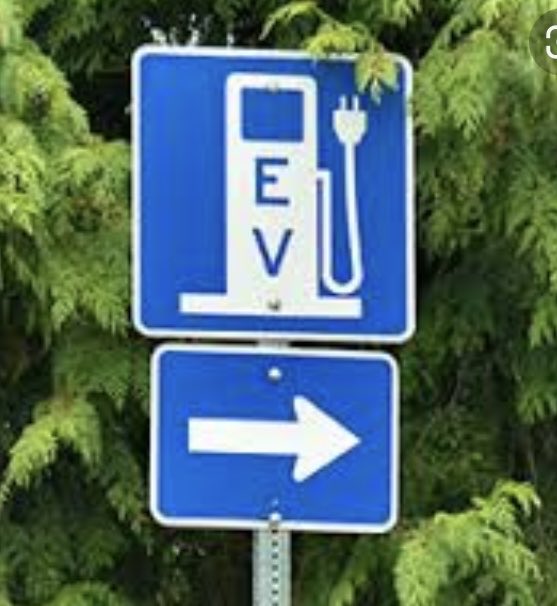
I asked @GillFurnissMP The Shadow Secretary of State for Roads if she’d join @fairchargeuk in campaigning for more EV charging signs on roads- especially motorways - and she agreed. This is so important and so easy to remedy.
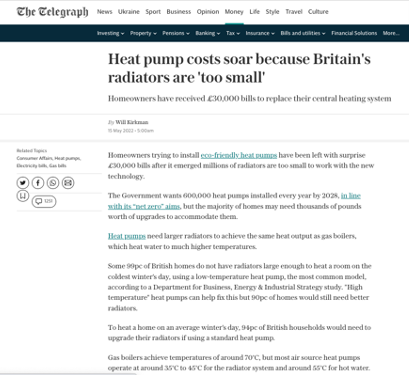
Median installation cost of an air source heat pump is £10.5k based on @MCSCertified@nesta_uk.
Another misleading article by @Telegraph using a single case to produce a scare story.
Same rebuttal applies as to recent @DailyExpressRB article.
https://t.co/41nkxfclKZ
'The volume of raw sewage being dumped into rivers will remain hidden after the government rejected a recommendation by MPs that water companies should be required to measure it.'
Unbelievable! Also presumption of planning against pollution rejected.
https://t.co/yoRE3f9Dd2
@LocktonAlex Grid and power generation capacity is currently funded by consumers. You can make taxpayers pay for it instead, but history doesn't suggest this would result in better value for money, rather the reverse. It is the discipline of competition that helps keeps costs down.
Have a look into the state of the grid capacity and how that’s being funded. If the grid were renationalised all net zero options become easier and less beholden to shareholders
@davidwatson__@CornwallInsight Why should this require investment by government? It's part of the cost of reliance on 'cheap' intermittent generation (which turns out to be rather expensive once the external costs of intermittency are fully internalised).
Hey folks - please help support this pioneering community energy company with a new locally owned solar farm - guide as how to do that here: https://t.co/dYlghx5rsA