I’m very excited to share new work out from the lab in @nature led by an insanely talented postdoc, @Long92335990, who is also on the job market! A brief 🧵 of our major findings. https://t.co/6G8LOubXLP
Long-term labeling and imaging of synaptically-connected neuronal networks in vivo using nontoxic, double-deletion-mutant rabies viruses https://t.co/ptpIaBBcE4 #biorxiv_neursci
This is big: " Instead, through a retrograde labeling approach, our results reveal that endogenous neurons are the source for these viral-reporter-labeled neurons. "
https://t.co/4YPyNW9GQR
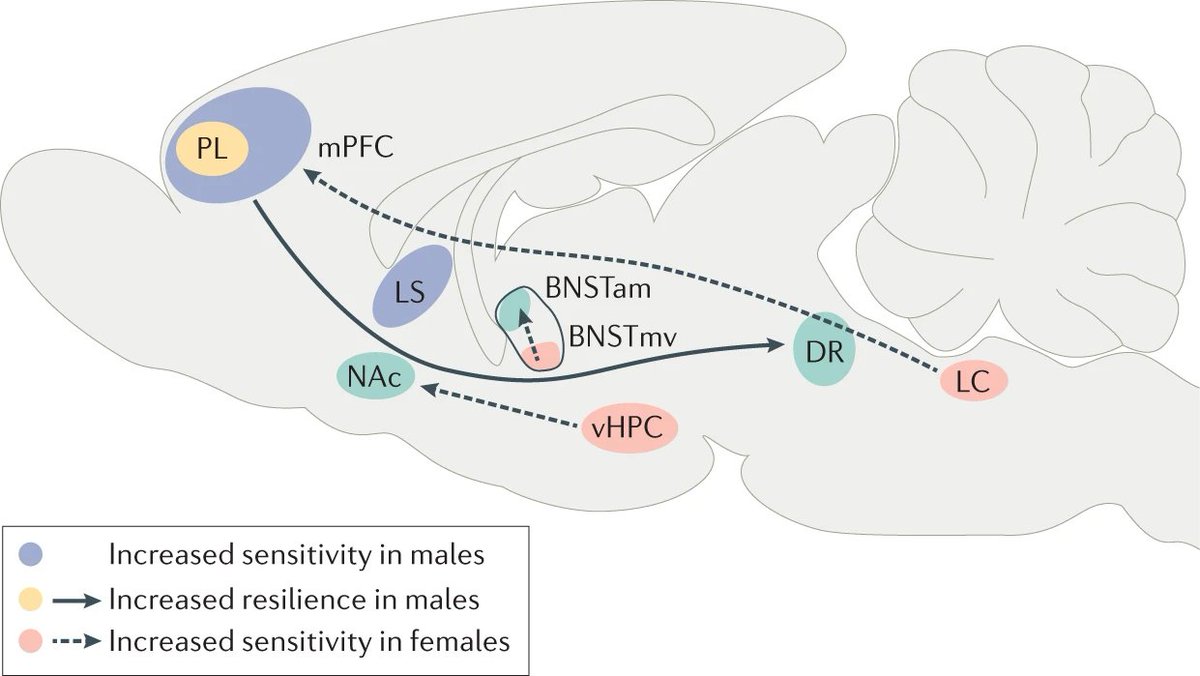
‘Sex differences in anxiety and depression: circuits and mechanisms’, a Review by Debra Bangasser & Amelia Cuarenta
https://t.co/o8Gib6THQL
@Bangasser_Lab@AmeliaForty@TempleUniv
A new technology enables neuroscientists to track key interactions between the genome and essential proteins in the living brain. Learn more about how it works in @NIHDirector's blog. https://t.co/CAznySntsx. #BRAINinitiative. #NIH
**Postdoc Position**. Please RT. Interested in social behavior? The Russo Lab is looking for postdocs to study the neural circuit mechanisms of social reward. Candidates with in vivo or slice electrophysiology expertise are highly encouraged to apply. DM if interested
Innate behaviors are more flexible than we may appreciate! Very happy to share our new review on the neural circuit of social behaviors and its plasticity. https://t.co/ADwokoXuD0
Our new study in @ScienceMagazine , led by @shengjin_xu. We report CaRMA imaging-- a method that combines deep-brain in vivo single neuron dynamics in mice with detailed gene co-expression information in the same cells across multiple behavioral states. https://t.co/FAjTUeicdR
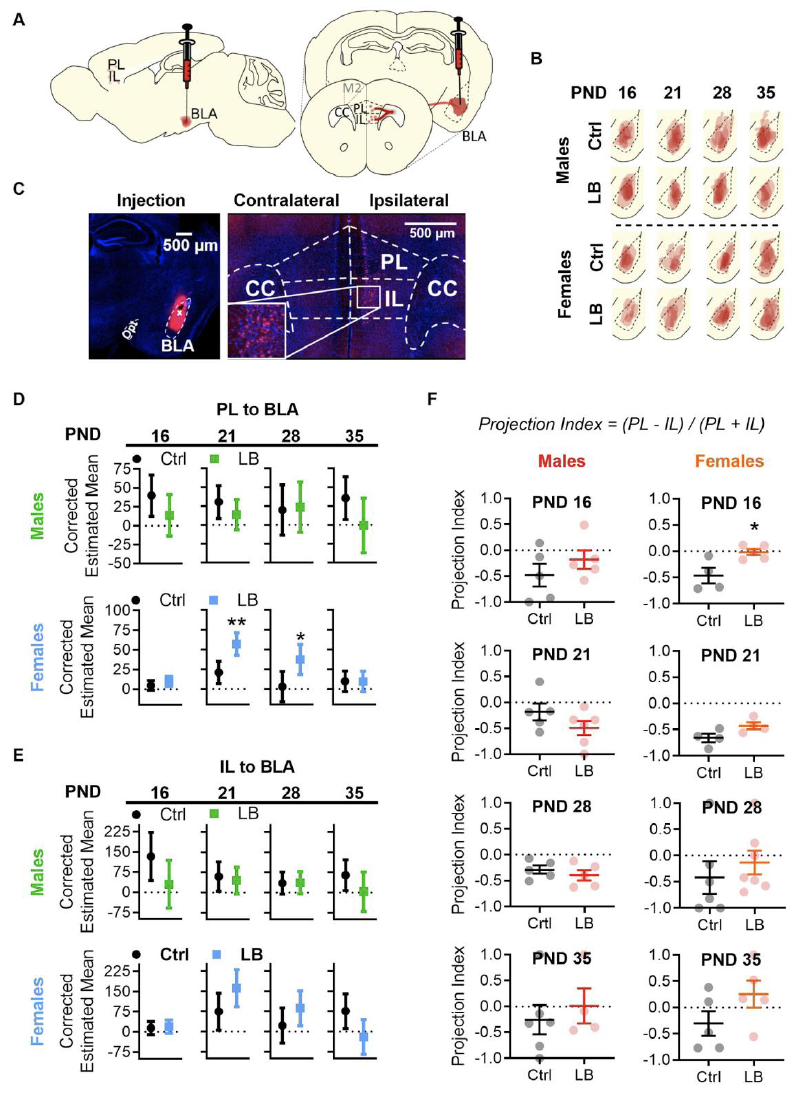
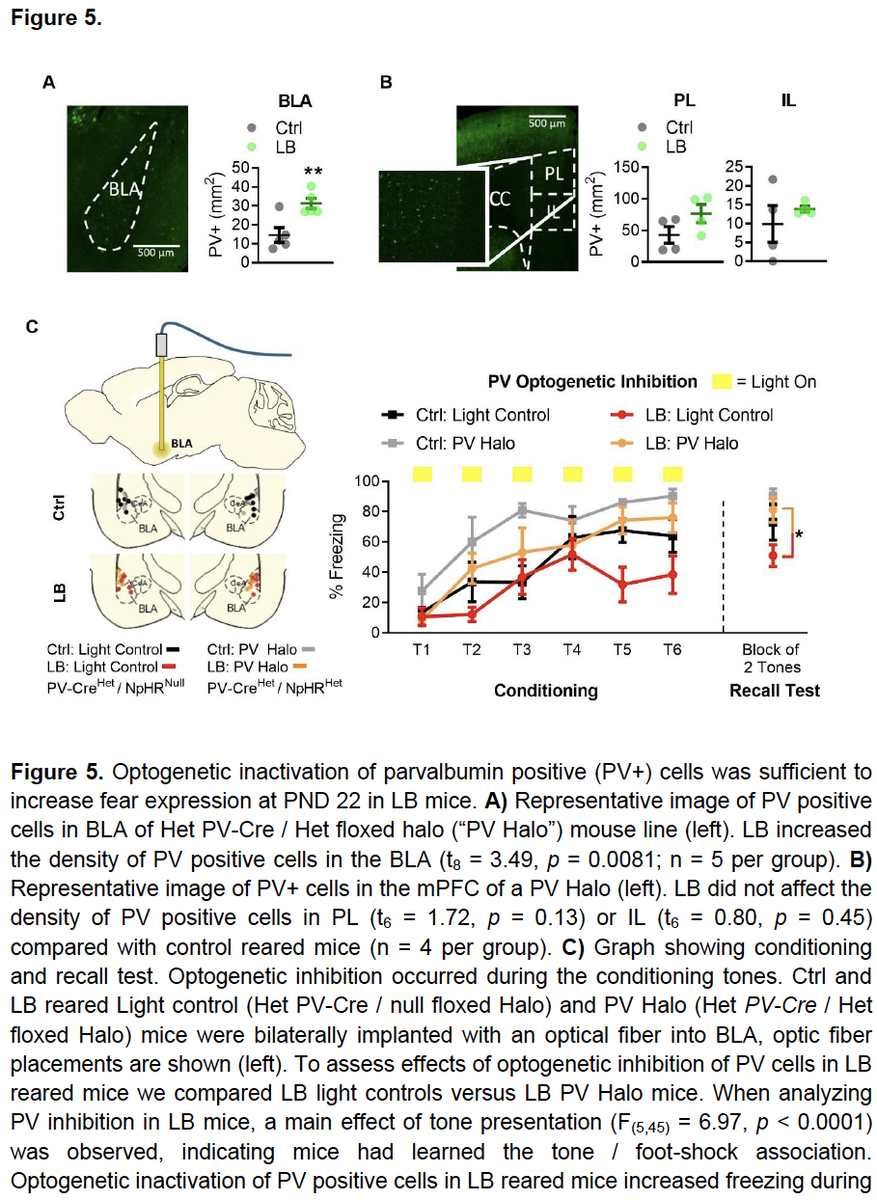
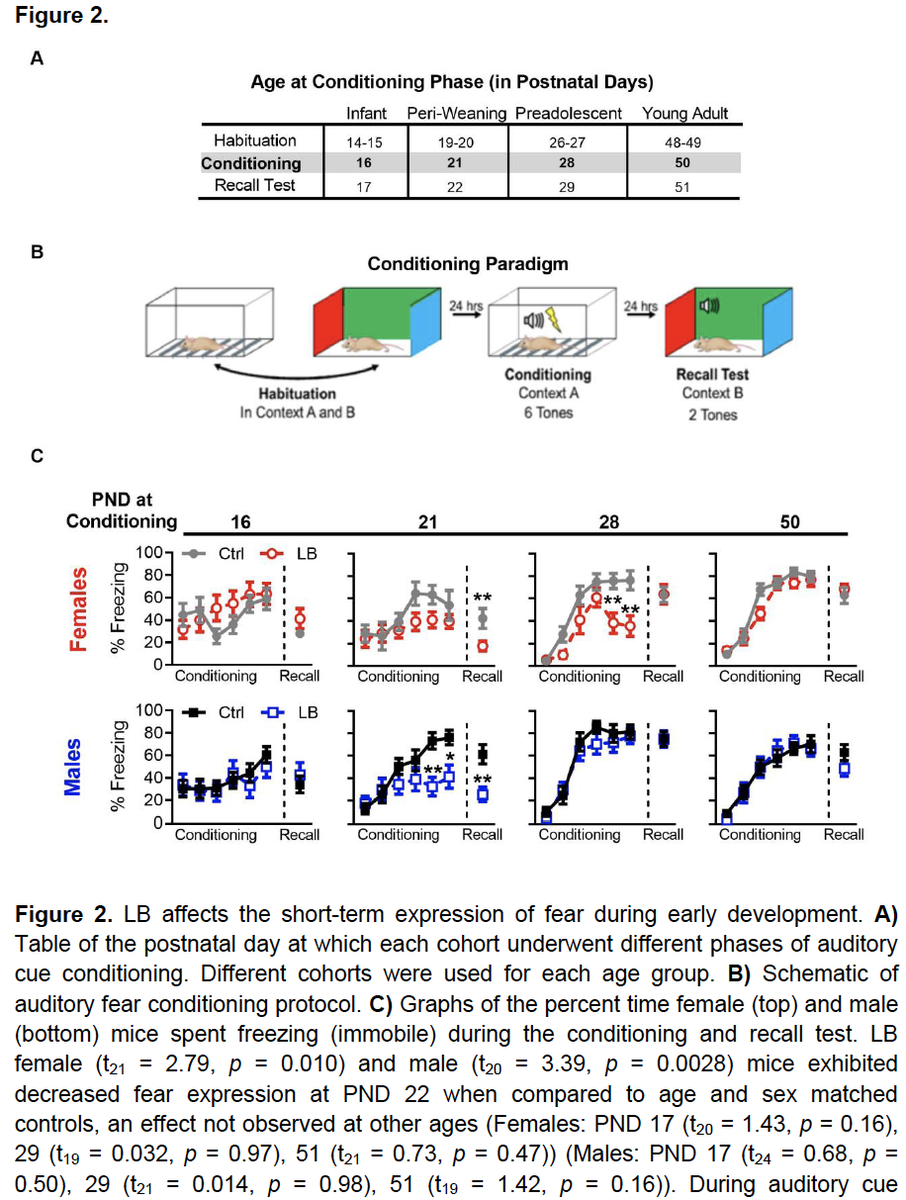
'Early life adversity decreases pre-adolescent fear expression by accelerating amygdala PV cell development.' Interesting work by the @kbath77 lab in @eLife. https://t.co/pTKqmwedAu
Cats negotiating obstacle courses. It's impressive that they can place their front paws so precisely; what really amazes me, though, is that they can do it with their back paws, when the obstacles are no longer in sight. https://t.co/mlDe7L6ftb
Proud to present a comprehensive single-cell atlas of the developing mouse brain from E7 to E18, a total of 292,495 single-cell transcriptomes and 942 distinct clusters. A heroic effort led by @GioeleLaManno and @kimsiletti with Alessandro Furlan 1/n
Regional expression profiles of risk genes for depression are associated with brain activation patterns in emotion and reward tasks https://t.co/ppj87RKBn6 #biorxiv_neursci
New Research: Secretion and Function of Pituitary Prolactin in Evolutionary Perspective: The hypothalamo-pituitary system developed in early vertebrates. Prolactin is an ancient vertebrate hormone released from the pituitary that exerts… https://t.co/7anbVLp0dT #Neuroscience
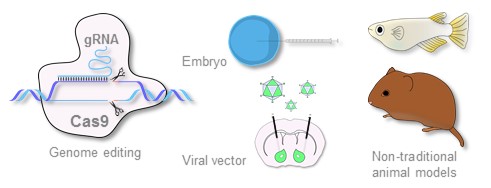
Oxytocin, vasopressin and social behavior in the age of genome editing: a comparative perspective. #CRISPR @BoenderAJ @SBNTweets
. https://t.co/T9K3uIgzdP
Pls RT.
Just published - with @alon_chen_lab and @ShlomoWagner: using a simple magent-driven LED device in a complex social arena to examine the effects of oxytocin on group dynamics, pro-social and agonistic behaviors. https://t.co/CzEZDwoPW6