"Beauty is more than just a cognitive event in our minds. Beauty moves us in ways which seem to imply there’s something more to it."
Nicholas Humphrey discussed his new book, "Why Is the World So Beautiful?," with @NautilusMag: https://t.co/QknUDYksTr
New paper in Imaging Neuroscience by Nicolás von Ellenrieder, Boris C. Bernhardt, et al:
The electro-MICA toolbox for integrating electrophysiology within multimodal imaging and connectomics workflows
https://t.co/BsCdHClZ78
If you missed Fran Berman discussing her book, BETTER TECH: Putting People First in Cyberspace, with @WAMCRadio's @JoeCDonahue at @ualbany's @nyswi, you can watch it here: https://t.co/eQ6kqKn9oA @mitpress
New and #OpenAccess: "[Machine Voices] is a wide-ranging tour of the machinic voicescape, and Edward Kang is an expert guide, taking us behind the facades of computers that listen and unsettling what ‘listening’ and ‘talking’ even mean." — @npseaver
https://t.co/KyOCOXeYQQ
"He occupied a strange role in the history of mathematics, not really a scientist, yet considered an unheralded genius by a number of influential figures in the field."
Read about International Freak via The MIT Press Reader.
Link in bio 🔗 https://t.co/GwnoEeGBEw
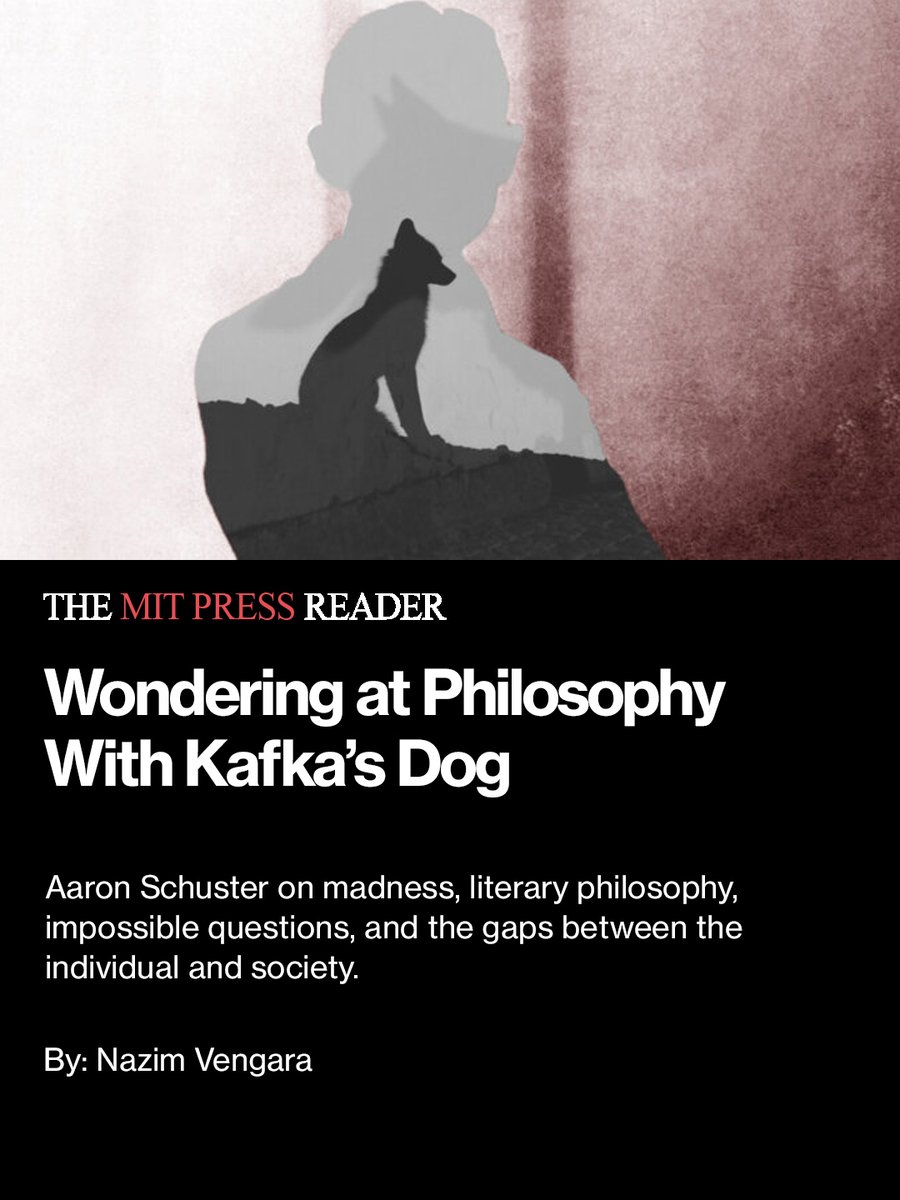
Franz Kafka, though a writer, is also a kind of literary philosopher, whose works probe humanity’s greatest questions. In an interview, Aaron Schuster explains how the writer’s work turns philosophy into “an object of wonder for itself.”
Read more: https://t.co/WNU8QZeUIU
New and #OpenAccess: "Getting to Work on Climate Policy"
"When do labor and environmental groups join forces to tackle climate change? Geoffrey Henderson’s compelling answer couldn’t be timelier." — @Jacob_S_Hacker
https://t.co/q4jAE4sZg2
"A tribute to the under-appreciated men and women who helped make the world a better place by learning from tragedy."
Kevin Dickinson recommends "Nary a Horse Left Standing" in his list of 5 books to give your brain a workout via @bigthink. https://t.co/s7Rv4l920m
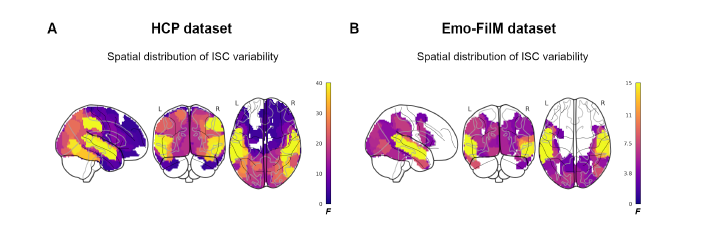
New paper in Imaging Neuroscience by Simon Leipold, Ivan Toni, et al:
Inter-subject correlations and their behavioral associations vary across movies: Implications for generalizability
https://t.co/0lmyUV5ovv
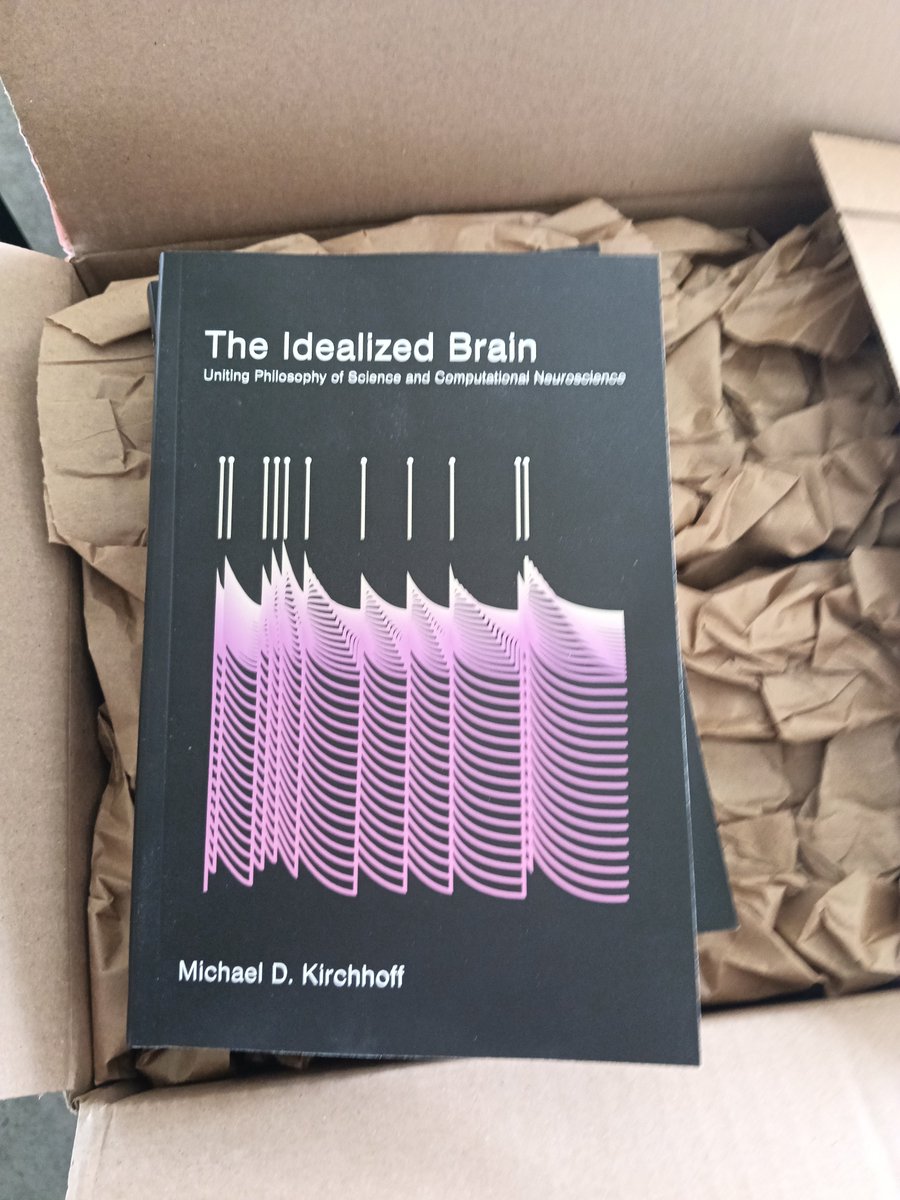
Author copies of 'The Idealized Brain: Uniting Philosophy of Science and Computational Neuroscience' (MIT) have arrived. Exciting! Stay tuned for its official open access release on 15 December 2026. For more information about the book, see https://t.co/2vYKoyFcRR
In his new book “Morbid," Dr. Saul Newman argues that “aging science” has fallen under an avalanche of grift and mail-order marketing scams. His AMA starts in just a few minutes. Join him at r/IAmA and ask him anything! https://t.co/DYWgZZbqLQ @reddit_AMA
Groups are not naturally wise or foolish. Their structure decides. In "Goodthink," Damon Centola shows how evenly distributed influence helps groups correct errors, reduce polarization, and make better decisions.
5 insights via @NextBigIdeaClub: https://t.co/sFNuIlYx5L
What makes a toy a good toy? To Jess Uhre Rahbek, who spent years developing a theory of play while studying with @LEGO_Group's in-house design team, it’s all about creating objects that foster “playful tension.” https://t.co/HM2gLUHKhy
"A lot of people feel like there's nothing they can do...There's something everyone can do to make their cyberspace safer." Listen to Francine Berman on @radioopensource discussing her book, BETTER TECH: Putting People First in Cyberspace. https://t.co/t7lx84Bwsn @mitpress
Have you seen our most newest titles?
See what we've recently published or titles that are coming soon via the MIT press catalogue and our website 👀
https://t.co/sERPoFYakq