Happy Sámi National Day. We Are Indigenous. Removing the word from US federal awards and projects does not erase the truth of who we are or of Indigenous guardianship of the earth.
To all our Sámi colleagues & friends, Lihkku sámi álbmotbeivviin - happy Sámi National Day!
Sámi National Day is celebrated on 6 Feb to commemorate the 1st Sámi congress in Tråante/Trondheim in 1917. Saami Council is one of the six Permanent Participants in the Arctic Council.
I was thrilled to be a part of a new study in the Jan issue of @NatureEcoEvo to better understand lemur genomic diversity and how to conserve these iconic species 👇@AMNH@CBC_AMNH@RGGSatAMNH
Our January issue is now live! https://t.co/HOyyy6UGCS
Feat. two studies on lemur evolution and diversity, plus our annual Year in Review highlights
Cover image from van Elst et al. https://t.co/Rm8E954Fqh...
#SCIENCE | 🦧🧬 Explorer l'évolution des lémuriens! Des anthropologues de #umontreal ont séquencé 162 génomes pour élucider le paradoxe entre leur grande diversité et leur menace d'extinction.
En savoir plus 👇
https://t.co/uKoZM7HQ0x
How can codesign drive impactful tools for biodiversity decision-making? This project brought together experts from #WallaceEcoMod & the Colombia Biodiversity Observation Network to create tools that actively shape data-driven policy decisions #COP16
Read: https://t.co/2Hj2RFnXqQ
New #BioScience article from @CBC_AMNH scientist @marye_blair & colleagues looks at how software tools for biodiversity conservation planning can be improved by bringing end users into the fold from early design through to implementation & maintenance. https://t.co/u4EFIO9FCC
Advancements in species distribution models (SDMs) are here! A collaborative effort has led to the creation of tools that merge outputs with expert-vetted data. Learn how this co-design process boosts biodiversity conservation! 🌍 #ConservationTech#biodiversity#WallaceEcoMod
Check out our new paper! 👇 I'm honored to have led this effort with so many amazing colleagues in Colombia and in the U.S. (and beyond) with phenomenal support from @NASAEarth
How does software change when users are involved from day one? This figure shows how collaborative design can help create tools for biodiversity conservation planning #WallaceEcoMod
Check out new BioScience paper by CBC scientist @marye_blair & colleagues https://t.co/Xq7yPr5J7E
How does software change when users are involved from day one? This figure shows how collaborative design can help create tools for biodiversity conservation planning #WallaceEcoMod
Check out new BioScience paper by CBC scientist @marye_blair & colleagues https://t.co/Xq7yPr5J7E
Please join us, @NSCAlliance & @SPNHC for a webinar about repatriation and how it relates to natural history collections, including zoological, botanical, paleontological, & geological collections. https://t.co/JEPDVh3E53
📢 Nocturnal primates enter the museomics era! Excited to share my latest research paper, with co-authors @marye_blair, Hsiao-Lei Lui, @epeters_Rdch, @LoganKistler and @PozziLab! Read it here: https://t.co/GYX3jFfeX9 🧵 [1/8]
How can museum collections help sustain biodiversity? Meet Mary Blair (@marye_blair), director of biodiversity informatics research at the Center for Biodiversity and Conservation at the Museum.
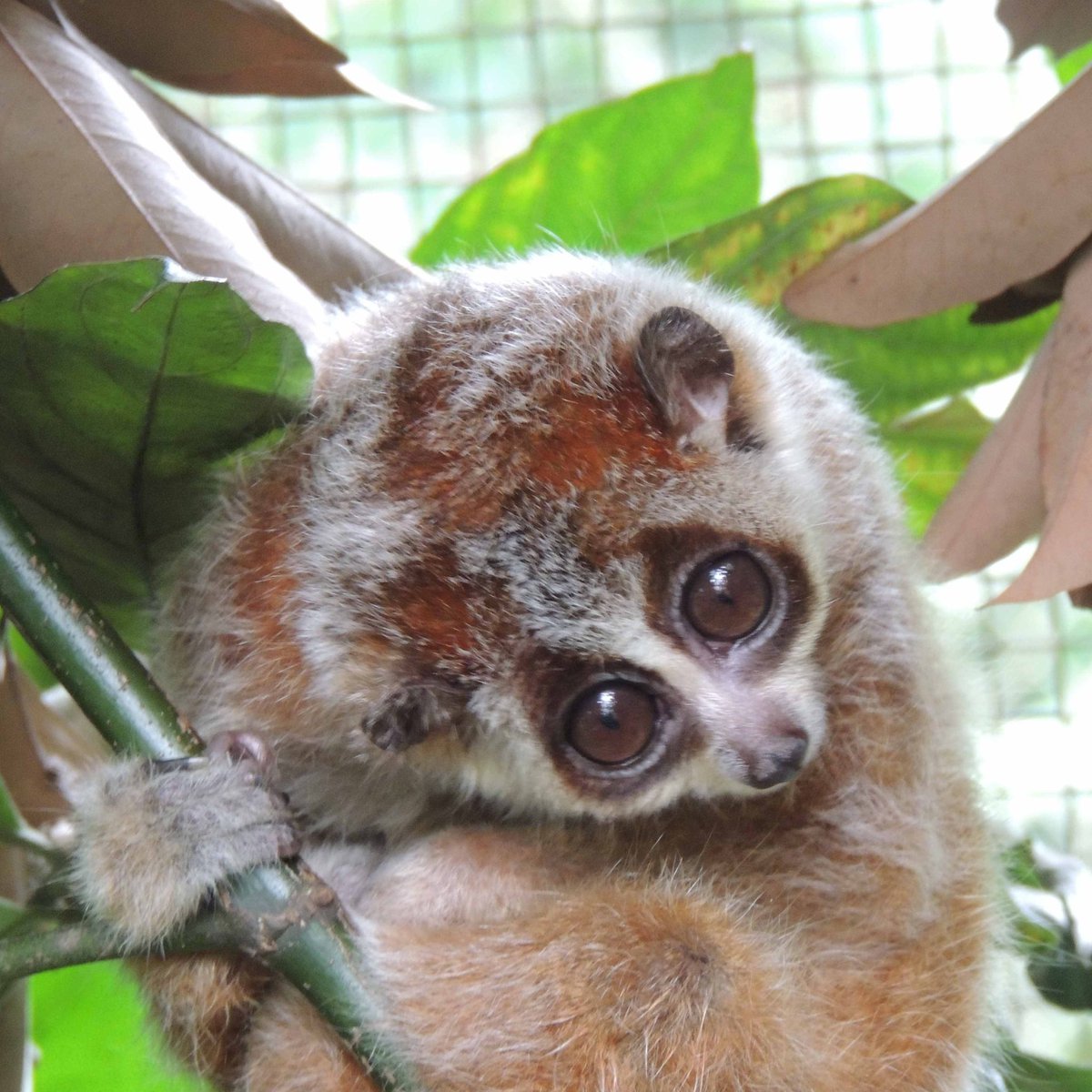
Blair studies the conservation biology of mammals—especially primates, like the pygmy loris pictured. Her research integrates scientific methods alongside knowledge from diverse perspectives, starting with local and Indigenous values, knowledge, and needs while recognizing the interplay between the cultural and biological parts of a system. Blair uses “conservation museomics,” which is an emerging approach in conservation science that she recently defined in the journal Conservation Biology, to help with species distribution modeling (SDM) and DNA analysis of historical specimens in museum collections.
Blair is the descendant of Indigenous Sámi reindeer herders who migrated to Alaska and has many family members who still herd today in traditional Sámi lands in Norway and Sweden. Sámi language, culture, and livelihoods, especially reindeer herding, are threatened by climate change, as well as infrastructure development for vacation homes, energy plants, mines, and petroleum terminals within traditional herding grounds. Sámi have been stewards of pastoral tundra ecosystems for hundreds of generations—and still are today. This strong connection was a key inspiration for Blair in pursuing not only a career in applied biodiversity conservation research, but also one that focuses on the relationships among biodiversity, ecosystems, and human well-being.
Biodiversity is undergoing dramatic loss on the global level, and one of the most challenging threats to biodiversity is climate change. There���s an urgent need for more information about how climate change is already affecting the distributions of key endangered species and habitats to inform conservation action planning, especially in areas where there may be limited resources for management. “As global changes continue,” Blair added, “we will have to increasingly work across borders to achieve biodiversity conservation goals and to do better science.”
I also took this photo on Son Tra - it’s a great place to find monkeys and a beautiful place in general. See you in the next round!!. #TeamRedShankedDouc#2024MMM