Diversity is a strength, not a threat.
On Monday’s #ToleranceDay & every day, let’s embrace tolerance, respect for diversity and understanding — values that unite us and make us stronger.
See how @UNESCO works to foster tolerance: https://t.co/Np5esvkT4q
Bill Gates predicts AI will replace humans in many routine tasks, but some work will remain human-led because it needs creativity and complex thinking. He identifies biology
Disclaimer: Pictorial representation.
Extremism begins where understanding ends. Our mission is to replace ignorance with empathy and division with dialogue.
We must always be louder than hate.
“For decades, JKCHR has stood as a consistent and independent voice of the people of Jammu and Kashmir, carrying their genuine concerns, human rights and aspirations to the international community
Racism, intolerance and discrimination tear at the fabric of our societies, which is harmful to us all.
Everyone, everywhere can speak up and take action to #FightRacism.
https://t.co/cCd3JjLZit
India’s Promise of Religious Equality Must Be Demonstrated in Its Courts
The Jammu and Kashmir Council for Human Rights (JKCHR) expresses serious concern at reports that a Gujarat court cited the Vedas, Manusmriti and other Hindu religious texts while sentencing three Muslim men to life imprisonment for cow slaughter.
The reported sentences were imposed under legislation. Nevertheless, the invocation of religious doctrine in explaining such severe punishment raises an urgent question: can every citizen have confidence that criminal justice is administered through impartial constitutional reasoning, irrespective of faith?
Respect for Hindu religious beliefs is entirely compatible with demanding that courts determine guilt through evidence and justify punishment through constitutionally valid law and proportionate reasoning. Religious reverence must not become an aggravating standard imposed upon people who do not share that belief.
India has assured the United Nations of its religious diversity, constitutional protections and capacity to correct its shortcomings. Those assurances must be tested by the treatment of vulnerable people, including Muslims, Dalits and other marginalised communities. The participation of minority representatives in international delegations cannot substitute for effective protection at home.
JKCHR calls for effective access to appellate review of these convictions and sentences, including scrutiny of the religious reasoning and the proportionality of life imprisonment. It also calls for examination of whether cow-protection legislation and its enforcement produce discriminatory outcomes.
India’s claim that its institutions can correct injustice now requires a concrete demonstration. Equal citizenship must be experienced in the courtroom as well as proclaimed at the United Nations.
Dr. Syed Nazir Gilani
President, Jammu and Kashmir Council for Human Rights
In Special Consultative Status with the United Nations ECOSOC
Racism, xenophobia, antisemitism & Islamophobia are poisoning our societies.
We must fight them — wherever and whenever they appear.
Say #NoToRacism. Say #NoToHate.
👉 https://t.co/kBgGzsFltj
JKCHR MESSAGE ON BLACK DAY — 27 OCTOBER 2026
India Must Fulfil Its Commitment at the United Nations: Protect the People of Jammu and Kashmir and Let Them Freely Determine Their Future
Addressed to
the Government and people of India,
the Government and people of Pakistan, and
the United Nations
On 27 October 2026, seventy-nine years after Indian troops entered Jammu and Kashmir, the Jammu and Kashmir Council for Human Rights (JKCHR) calls for Black Day remembrance to become a renewed demand for protection, accountability and peaceful resolution through the freely expressed will of the people.
We recall the words of India’s representative, Gopalaswami Ayyangar, before the 227th meeting of the United Nations Security Council on 15 January 1948.
India explained that it had approached the Council under Article 35 of the UN Charter to invoke its assistance, prevent armed conflict and protect lives. It spoke of its hesitation and deepest regret, its commitment to exhaust every possible resource for avoiding war, and the centuries of common living, culture and traditions connecting the peoples of India and Pakistan.
Most significantly, India envisaged the people of Jammu and Kashmir being enabled:
“to carve out for themselves by a free choice of their own, the economic and political destiny that awaits them.”
India also urged that action to stop the fighting should protect life, property and honour and avert war between the two neighbouring States. Its appeal was explicit:
“Not merely urgency but immediacy should characterise the action.”
To the Government of India:
These words form part of your own presentation to the international community.
JKCHR calls upon you to honour their substance: protect the life, liberty, property and dignity of the people of Jammu and Kashmir; respect their political agency; and engage in a peaceful process consistent with the relevant United Nations resolutions. The passage of time cannot substitute for the people’s free choice.
To the people of India:
We appeal to your democratic conscience. India’s representative invoked your shared history with Pakistan and placed the protection of Kashmir’s people before the Security Council.
Upholding that humanitarian purpose and the promise of free choice would honour the principles proclaimed in your name.
To the Government of Pakistan:
Translate support for Kashmir into sustained, peaceful and accountable diplomatic action within the agreed United Nations framework. Keep the rights, safety and freely expressed wishes of the people of Jammu and Kashmir at the centre of policy. Their future must not be reduced to an understanding between governments that excludes them.
To the people of Pakistan:
Continue your solidarity through informed advocacy, respect for the diversity of Kashmir’s people, and an unwavering commitment to their right to determine their future peacefully.
To the United Nations:
India approached the Security Council seeking assistance to prevent war and save lives. JKCHR calls for renewed diplomatic engagement to advance the relevant resolutions, protect human rights and facilitate the promised free and fair plebiscite.
Seventy-nine years after 27 October 1947, remembrance must carry a practical purpose: protection of the people, prevention of war, and fulfilment of their right to self-determination.
The people of Jammu and Kashmir are the holders of rights. Their free choice must guide the settlement of their future.
Dr. Syed Nazir Gilani
President
Jammu and Kashmir Council for Human Rights — JKCHR
(In special consultative status with the United Nations ECOSOC)
UN record reference: S/PV.227, 15 January 1948.
@UN@antonioguterres@OIC_OCI@OICatUN@narendramodi@CMShehbaz@DrSJaishankar@ForeignOfficePk@PTI_News@kmskashmirnews@RahulGandhi@mmansari52@OmarAbdullah@farooq_pm@tariqfarooq60@MirwaizKashmir
26 October 2026
FAROOQ ABDULLAH'S STATEMENT ON PAKISTAN: AN INSURANCE FOR THE PROTECTION OF KASHMIR'S PEOPLE AND IDENTITY
The Gupkar Declaration of 4 August 2019 provides an important context for understanding Dr. Farooq Abdullah's recent statement at Baramulla.
The Jammu and Kashmir Council for Human Rights (JKCHR) considers Dr. Farooq Abdullah's observation that Pakistan's continued international advocacy of the Kashmir question provides a measure of protection to Kashmiris to be consistent with the apprehensions collectively expressed by the signatories of the Gupkar Declaration.
On 4 August 2019, the National Conference and other major political parties warned that the abrogation of Articles 370 and 35A, unconstitutional delimitation and trifurcation of the State would constitute aggression against the people of Jammu, Kashmir and Ladakh.
The developments of 5 August 2019, including the removal of constitutional protections, division of the State, restrictions on civil liberties and detention of political leaders, gave substantial grounds for those apprehensions.
The question is not one of allegiance to Pakistan. It is whether international attention and accountability can provide an additional safeguard against the erosion of Kashmiri identity, dignity, political rights and the protections associated with the accession arrangements of 27 October 1947.
JKCHR maintains that Pakistan's advocacy of the unresolved Kashmir question at the United Nations serves as an important diplomatic reminder that the future of Jammu and Kashmir has an international dimension and cannot be reduced exclusively to domestic constitutional arrangements.
The people of Kashmir have a distinct title to self-determination. India and Pakistan have their respective claims, which must be considered within the framework of the United Nations resolutions and the rights of the people concerned.
Dr. Farooq Abdullah's remarks should therefore be examined in the context of the Gupkar Declaration and the experience of the people since August 2019, rather than being treated simply as an expression of political loyalty to another country.
International advocacy is not a substitute for the rights of Kashmiris. It is one possible safeguard for ensuring that those rights remain visible, protected and subject to international scrutiny.
JKCHR respectfully reminds the National Conference and the other signatories of their collective undertaking of 4 August 2019 to defend the identity, autonomy and constitutional guarantees of the people of Jammu, Kashmir and Ladakh.
The protection of the people, their dignity, their habitat and their right to determine their political future must remain the central concern.
Dr. Syed Nazir Gilani
President
Jammu and Kashmir Council for Human Rights (JKCHR)
NGO in Special Consultative Status with UN ECOSOC
#JKCHR #FarooqAbdullah #GupkarDeclaration #Kashmir #HumanRights #SelfDetermination #unitednationsday
@UN@antonioguterres@JKNC_@OmarAbdullah@GulamNabiAzadK2@MehboobaMufti@tarigami@sajadlone@MuzzafarShah1@mmansari52@OIC_OCI@OICatUN
@mmansari52 جب ڈاکٹر نزیر گیلانی کشمیر کے دورے کے دوران دلی کے حیات ہوٹل میں قیام پزیر تھے تو اس تین رکنی پینل نے ان سے ملاقات بھی کی تھی سر مجھے اس ملاقات کی تاریخ چاہئیے تھی اگر وہ عنایت کر دیں تو نوازش ہو گی
مسعود رضا سیال
@mmansari52 محترم ایم ایم انصاری صاحب اسلام علیکم سر میں ایک ریسرچ کر رہا تھا تو آپ کی رپورٹ بعنوان A New Compact with the people of Jammu and Kashmir ملی اس رپورٹ کی تیاری میں آپ اور ہڈگاوںکر اور رادھا کمار کی جموں و کشمیر میں مختلف طبقات فکر سے ملاقاتیں بھی ہوئیں
@mmansari52 کشمیر کے دورے کے دوران جب ڈاکٹر گیلانی دلی کے حیات ہوٹل میں قیام پزیر تھے تو اس تین رکنی پینل نے ان سے ملاقات بھی کی تھی سر مجھے اس ملاقات کی تاریخ چاہئیے تھی اگر وہ عنایت کر دیں تو نوازش ہو گی
خیر اندیش مسعود رضا سیال
@mmansari52 محترم انصاری صاحب اسلام علیکم
سر میں ایک ریسرچ کر رہا تھا تو آپ رپورٹ بعنوان A New Compact with the people of Jammu and Kashmir ملی اس رپورٹ کی تیاری میں آپ اور پینل کے دیگر دو ممبران دلیپ ہڈگاوںکر اور رادھا کمار کی جموں و کشمیر میں مختلف طبقات فکر سے ملاقاتیں ہوئیں ۔
JKCHR endorses Farooq Abdullah’s recognition of Pakistan’s protective advocacy on Kashmir
Jammu and Kashmir Council for Human Rights (JKCHR) endorses Dr Farooq Abdullah’s statement at the Baramulla gathering on 24 October 2026 that Kashmir remains unresolved and that Pakistan’s continued international advocacy helps protect Kashmiris and their identity.
JKCHR regards Pakistan’s support for Kashmiris’ right to a free and impartial vote under United Nations auspices as an essential insurance against demographic engineering, the erosion of Kashmiri identity, and harm to the people and habitat of Jammu and Kashmir.
The accession accepted by India on 27 October 1947 carried a commitment to reference to the people. That promised popular endorsement remains outstanding. India’s subsequent commitments at the United Nations placed the determination of the State’s future within an internationally agreed plebiscite framework.
India must honour the UNCIP template of 13 August 1948 and 5 January 1949. Security Council Resolution 91 of 30 March 1951 expressly affirms that a constituent assembly cannot substitute for the people’s decision through a free and impartial plebiscite under UN auspices. Domestic constitutional measures cannot fulfil that outstanding promise.
The OHCHR Kashmir reports of 14 June 2018 and 8 July 2019 called for full respect for the right of self-determination of the people of Kashmir as protected under international law.
JKCHR demands that the Government of India implement these recommendations, protect fundamental rights, and refrain from measures that prejudice the people’s future choice.
Pakistan’s support is an insurance for the protection of Kashmir’s people. The future of Jammu and Kashmir must be determined by its people through the promised free and fair vote.
Dr Syed Nazir Gilani
President, JKCHR
(In special consultative status with the United Nations ECOSOC)
#Kashmir #SelfDetermination #HumanRights #JKCHR
@UN@antonioguterres@ohchr@OICatUN@JKNC_
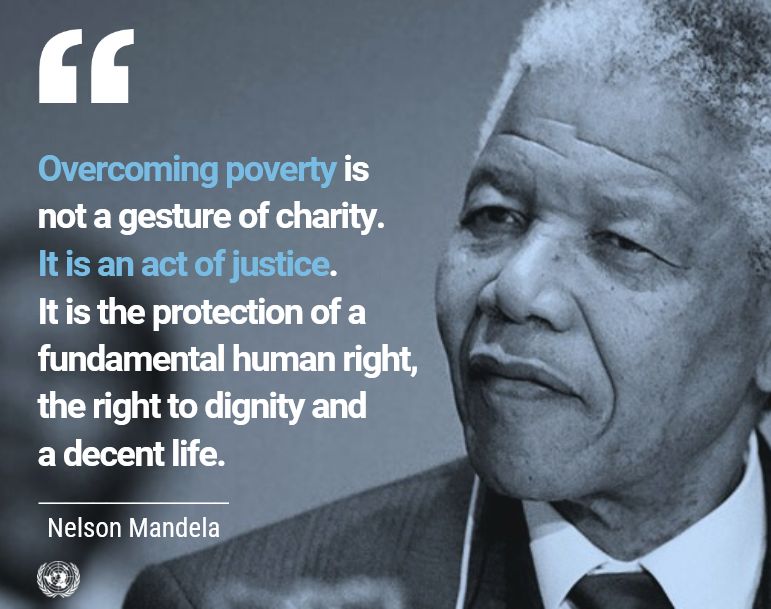
“Overcoming poverty is not a gesture of charity. It is an act of justice.
It is the protection of a fundamental human right, the right to dignity and a decent life." — Nelson Mandela #EndPoverty
Kashmir - Wokplace Dignity
JKCHR — Public Message on Dignity and Administrative Accountability
JKCHR strongly condemns the abusive language, public humiliation and threats of suspension reportedly directed by IAS officer Kumar Rajeev Ranjan at JKAS officer Beenish Wani during an official online meeting.
A subordinate in service is not subordinate in human dignity.
Supervisory authority carries a heightened responsibility to listen, exercise restraint and correct with fairness. Insults and shouted assertions of rank betray that responsibility. Threatening disciplinary action when an officer objects to degrading language raises serious concerns about retaliation and misuse of authority.
The reported behaviour falls far below the standards expected of a senior civil servant and sets a damaging example for every officer attending the meeting. Administrative disagreement must be addressed through reasoned discussion and fair procedure.
JKCHR calls upon the competent authorities to preserve the complete recording, undertake a prompt and impartial inquiry, protect Ms Wani against retaliation, and ensure appropriate accountability. If substantiated, the conduct warrants disciplinary action and an unequivocal apology.
Every employee, irrespective of rank, gender, religion or regional identity, deserves a workplace free from intimidation and humiliation.
Public office is a trust. Seniority increases responsibility; it does not confer a licence to abuse.
Dr. Syed Nazir Gilani
President, Jammu and Kashmir Council for Human Rights
@manojsinha_@OmarAbdullah@MehboobaMufti@MuzzafarShah1@tarigami
#JKCHR #WorkplaceDignity #AdministrativeAccountability
Everyone has the right to food.
Yet millions of people worldwide go to bed hungry.
On Friday’s #WorldFoodDay, @WFP is calling for greater global efforts to ensure food reaches every person in need. https://t.co/pNzje82a1G
Worldwide, girls are breaking stereotypes & overcoming barriers—from lack of education, to forced marriage & gender-based violence.
Yet they continue to pursue their dreams.
On Sunday's #DayOfTheGirl & every day, join @UN_Women in standing with girls as they shape their futures.
For 80+ years, the UN has stood on the front lines of peace, working to prevent conflict, protect human rights & build a more just future.
For their efforts, several specialized UN agencies & partners have been recognized with the @NobelPrize.
See: https://t.co/JwW70WLH1y