454 sedaciones con propofol sin anestesista durante ESD colorrectal. Ninguna necesitó intubación ni rescate.
Pero en mayores de 75: 2,5x más hipoxemia. La edad no es contraindicación. Pero sí exige respeto.
https://t.co/JOp0oViqnK
#ESD#Sedación#Endoscopia
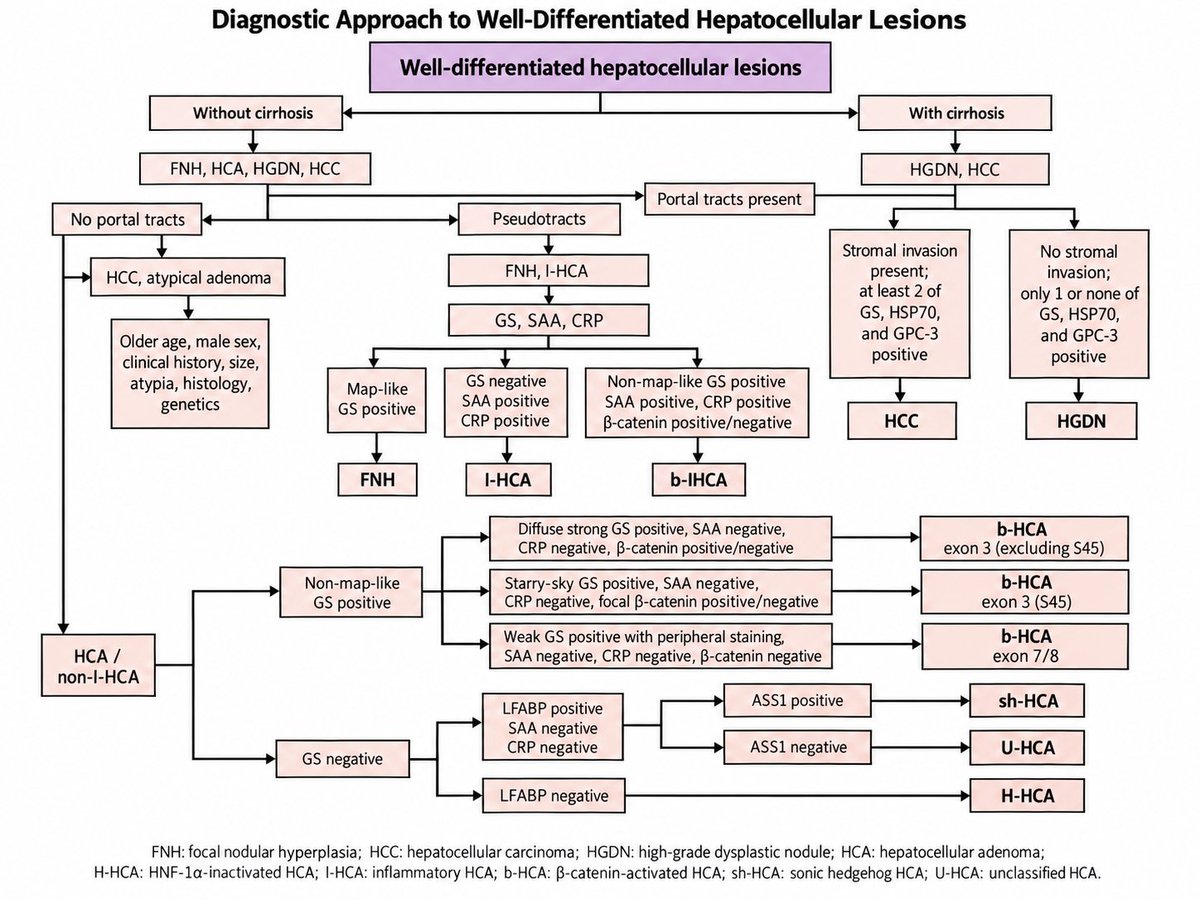
Diagnostic Approach to Well-Differentiated Hepatocellular Lesions
For well-differentiated hepatocellular lesions, the recommended initial panel includes reticulin stain, CK7, and CD34.
When distinction between a dysplastic nodule (DN) and hepatocellular carcinoma (HCC) is required, additional markers may include GS, Glypican-3 (GPC-3), and HSP70.
When hepatocellular adenoma (HCA) is suspected and subtyping is required, an additional immunohistochemical panel may include GS, β-catenin, SAA, CRP, L-FABP, ASS1, and PTGDS.
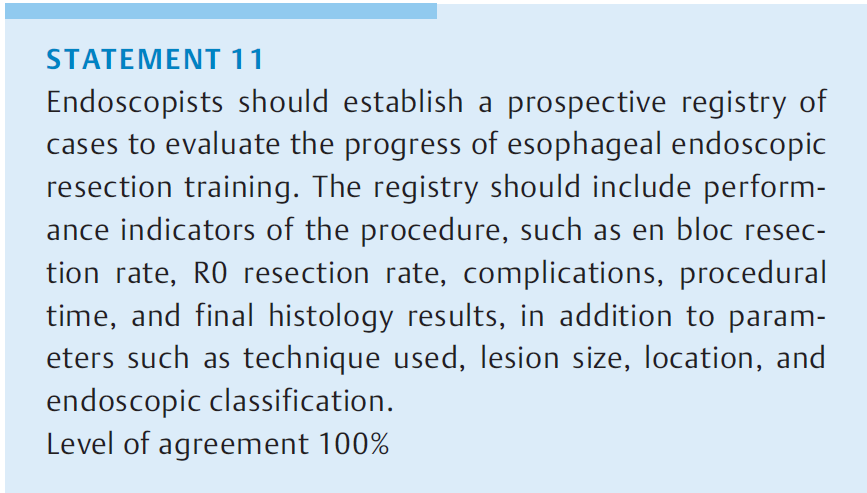
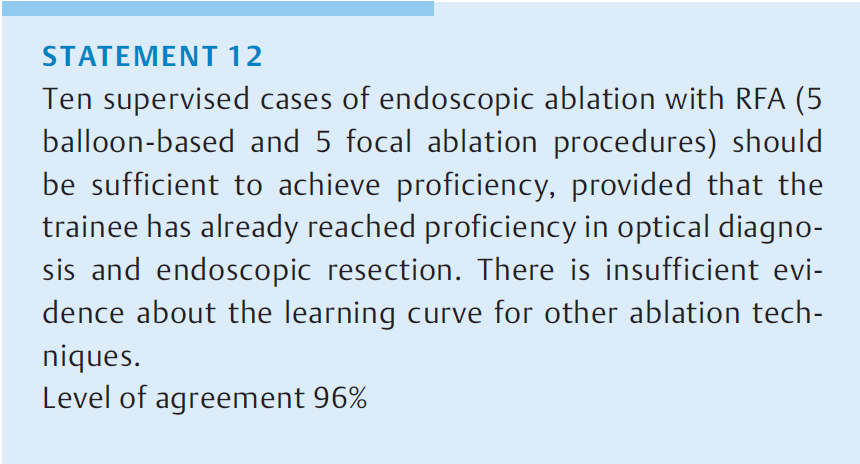
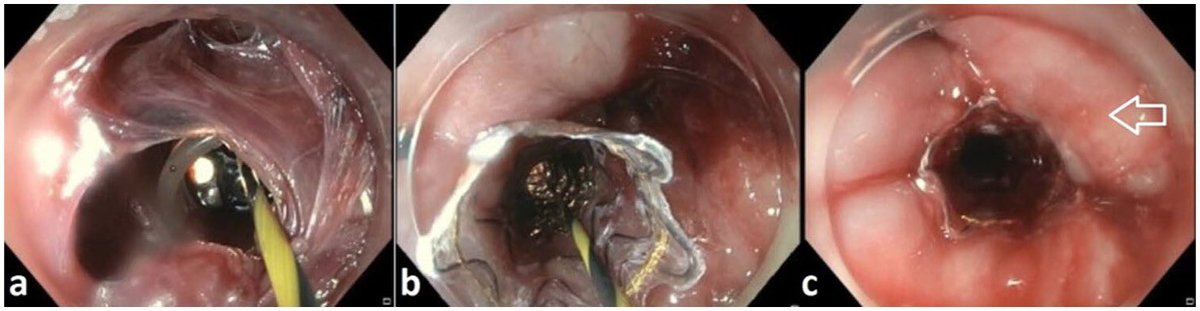
🔥🆕 publication in @endoscopyjrnl: Curriculum for endoscopic treatment of esophageal neoplasia and precursor lesions: ESGE Position Statement – with competency assessment tools
🔗 https://t.co/Uhb2w3LW4Q
🔖 Bookmark Table 1 containing all agreed Good Practice Statements
🩺 EUS-guided gallbladder drainage shows high success in acute cholecystitis
🔸98.2% technical & 93.5% clinical success
🔸Transduodenal access with fewer events & recurrences
🔸LAMS>10 mm with fewer recurrences & lower mortality
📖 #OpenAccess 👉 https://t.co/hyQdE6bosz
Available to read 'open access' via https://t.co/ul0nqvEzKo "Medication Use and Risk of Microscopic Colitis: A Propensity-Matched Analysis of US Adults ≥ 50 Years (2014–2024)"
#GItwitter#microscopiccolitis#NSAIDs#PPIs#SSRIs
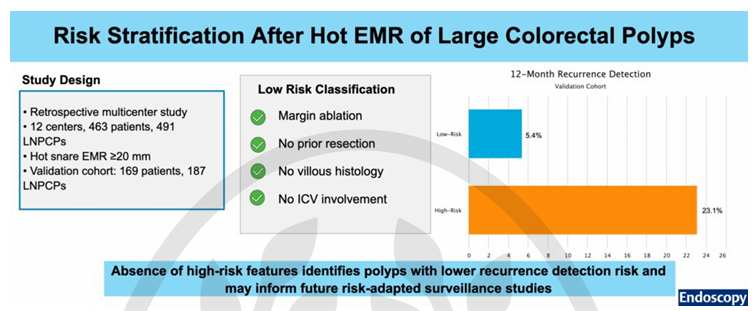
4⃣ low-risk features after EMR.
👉12-mo recurrence detection: 5.4% vs 23.1%. Retrospective and preliminary... but are we closer to longer surveillance intervals for selected patients? https://t.co/r6lO6lmjOW
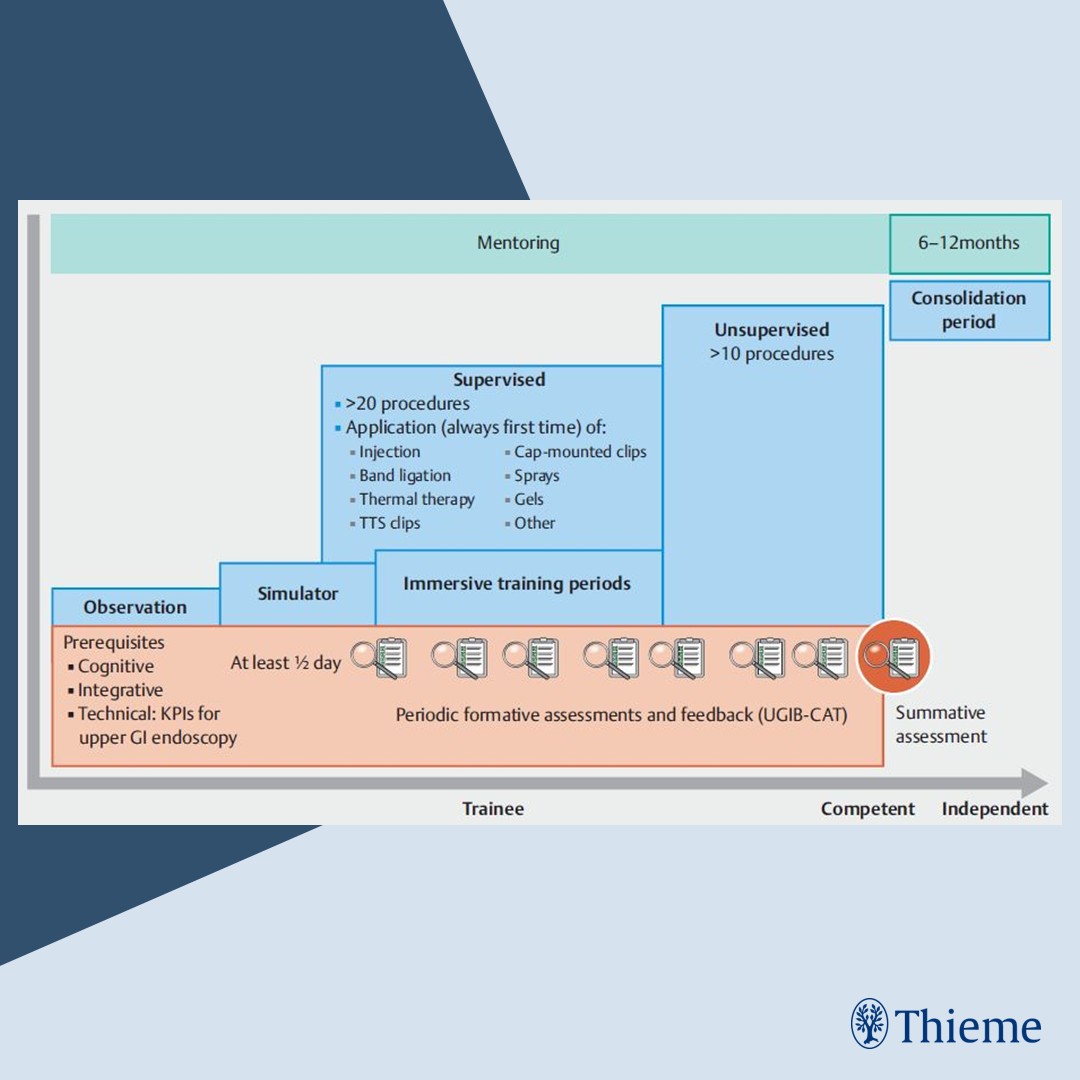
Curriculum on management of acute upper gastrointestinal bleeding: ESGE Position Statement
Find the article at: https://t.co/DlkhI4btxa
Andrei M. Voiosu et al.
#Endoscopy#Gastroenterology@ESGE_news
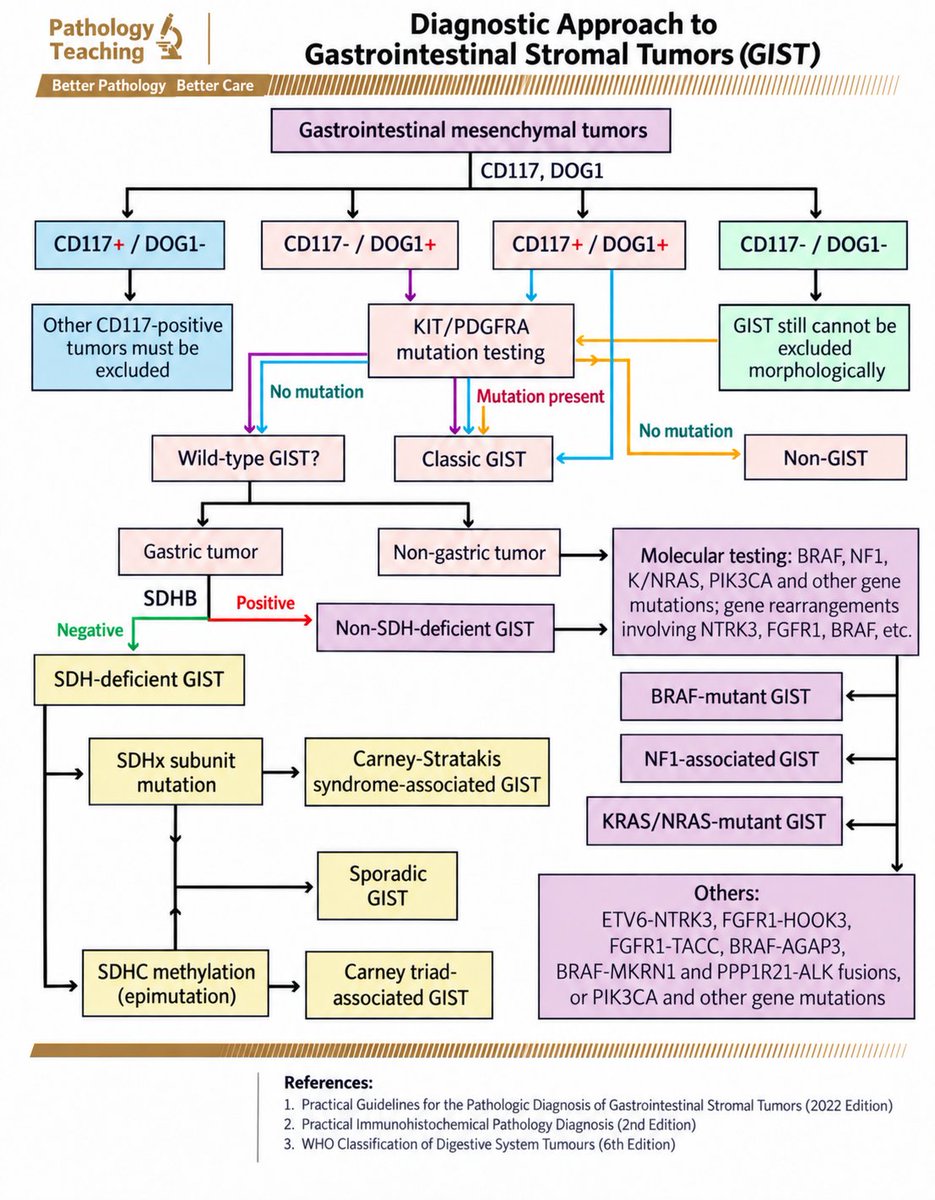
Gastrointestinal Stromal Tumor (GIST): Diagnostic Approach
Gastrointestinal stromal tumor (GIST) is a mesenchymal neoplasm that predominantly arises in the gastrointestinal tract. Immunohistochemically, GISTs commonly express CD117 (KIT) and DOG1. Molecular testing demonstrates activating mutations in the KIT or PDGFRA genes in the majority of cases. A small subset harbors alternative molecular alterations, including mutations involving the succinate dehydrogenase (SDH) subunits, BRAF, NF1, KRAS/NRAS, and PIK3CA, as well as gene rearrangements involving NTRK3, FGFR1, and BRAF, among others.
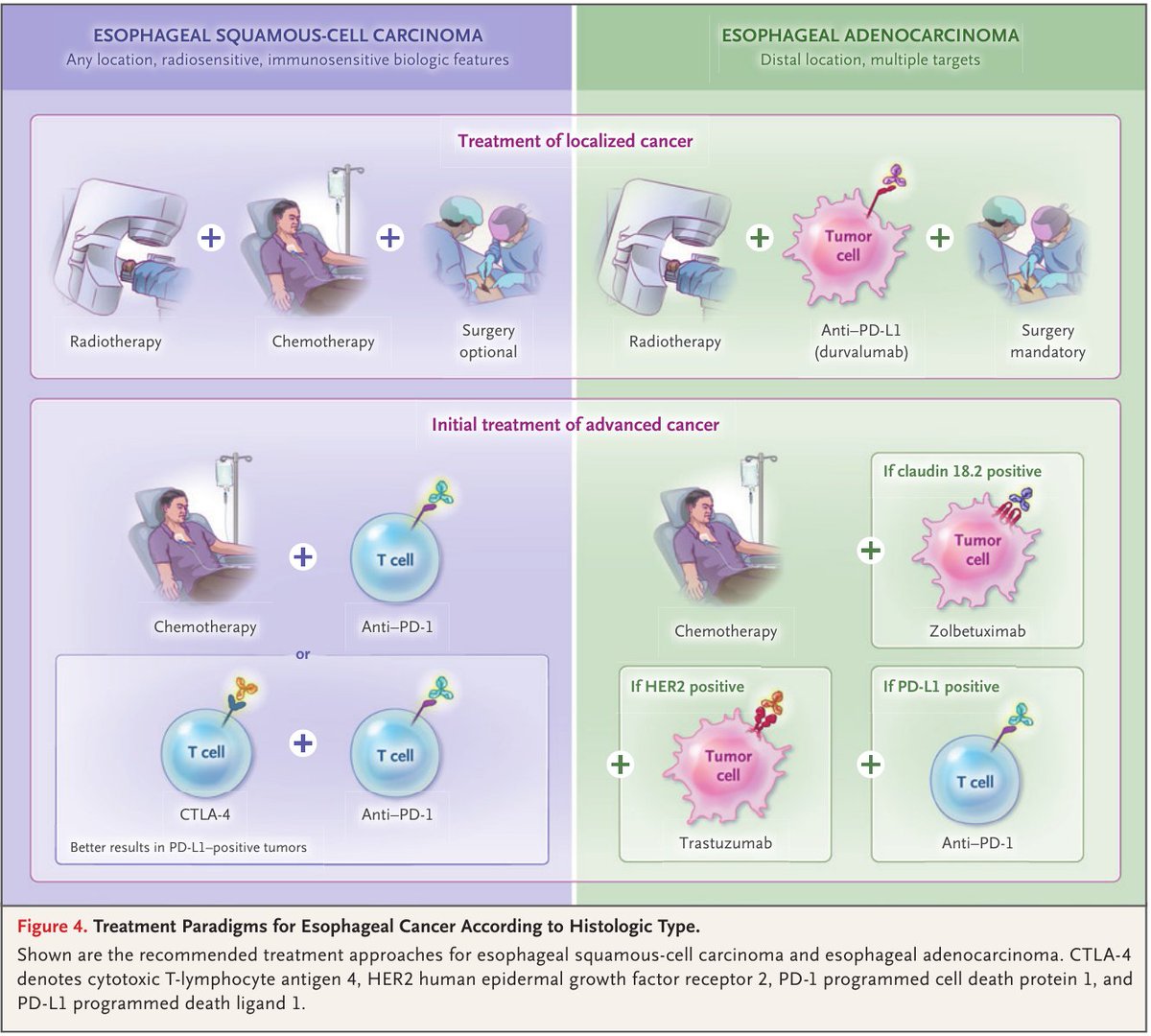
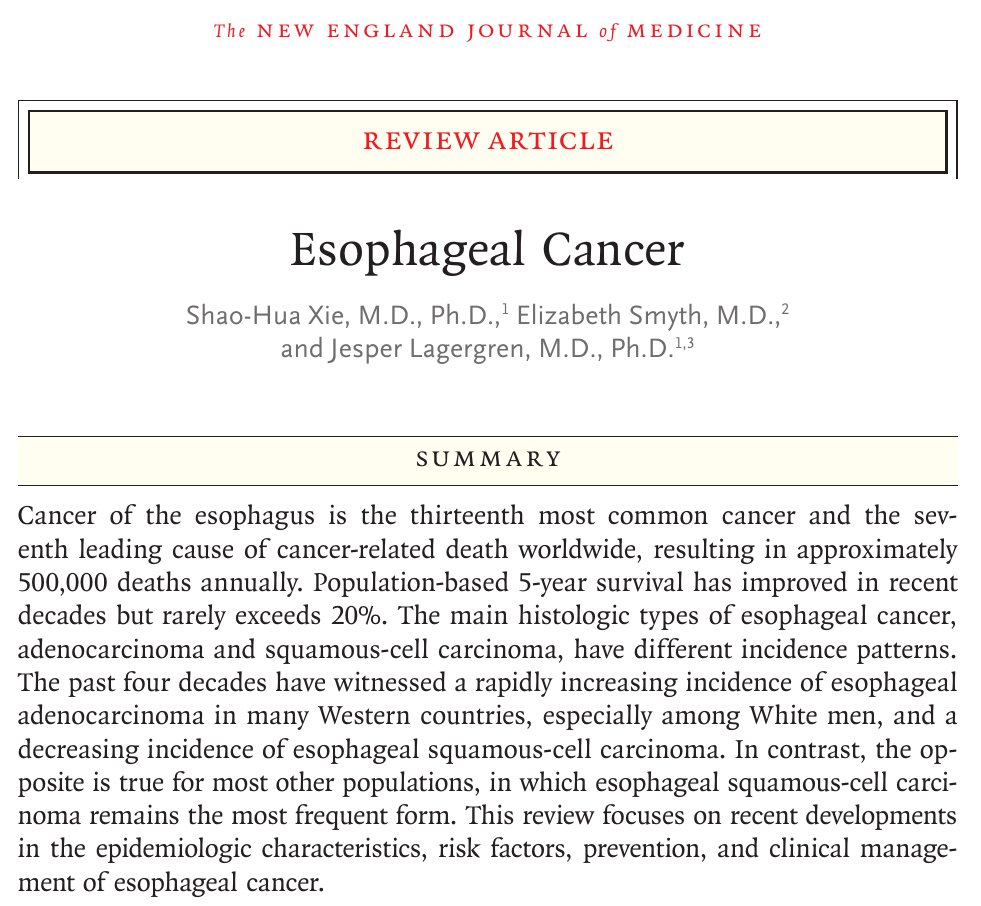
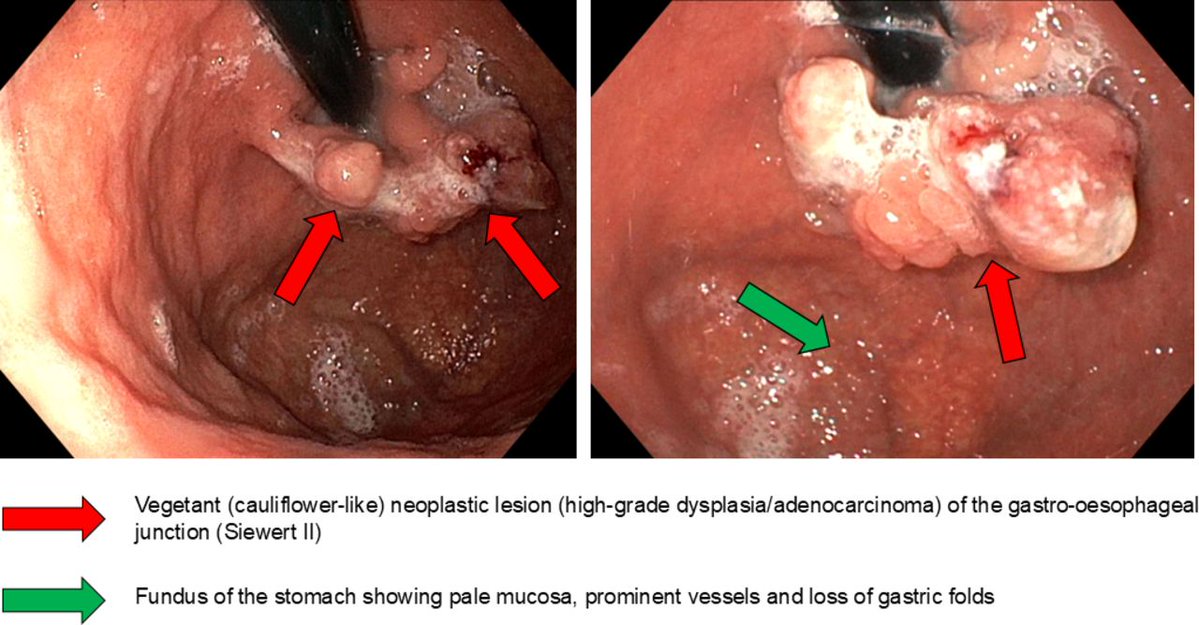
Autoimmune gastritis has traditionally been viewed mainly as a risk factor for gastric neuroendocrine tumours and non-cardia gastric adenocarcinoma. But could its cancer risk extend further?
Read the #RecentAdvancesInClinicalPractice#GUTRecentAdvancesInClinicalPractice by Lenti et al. entitled “Autoimmune gastritis: a hidden gateway to cardia and oesophageal cancers beyond non-cardia gastric adenocarcinoma” via https://t.co/Ve38KXIdju
This review brings together emerging epidemiological and clinical evidence suggesting that autoimmune gastritis and pernicious anaemia may also be associated with malignancies involving the gastric cardia, gastro-oesophageal junction and oesophagus.
The authors explore possible mechanisms including corpus-predominant atrophy, intestinal metaplasia and vitamin B12 deficiency, while highlighting important gaps in our current understanding.
The review challenges us to think beyond the traditional boundaries of autoimmune gastritis and raises important questions about future risk stratification and surveillance.
#AutoimmuneGastritis
New publication! "Endoscopic management of cystic duct remnant stones causing postcholecystectomy syndrome: a multicenter experience."
Congrats to Danny Issa and the whole team!
#gitwitter@asge
https://t.co/UyteorYdWv