NASA update on the ISS situation today. Some excellent wording here:
"Later Friday morning, Roscosmos paused and did not perform the structural repair work in favor of conducting additional measurements and data assessments, which included inspection of suspected areas of interest and review of areas where sealant was previously applied. NASA strongly supported that decision, and as a result, following that decision, Crew-12 and Williams ended their safe haven activities and returned to normal operations aboard the orbiting laboratory."
https://t.co/YTWadAdYDI
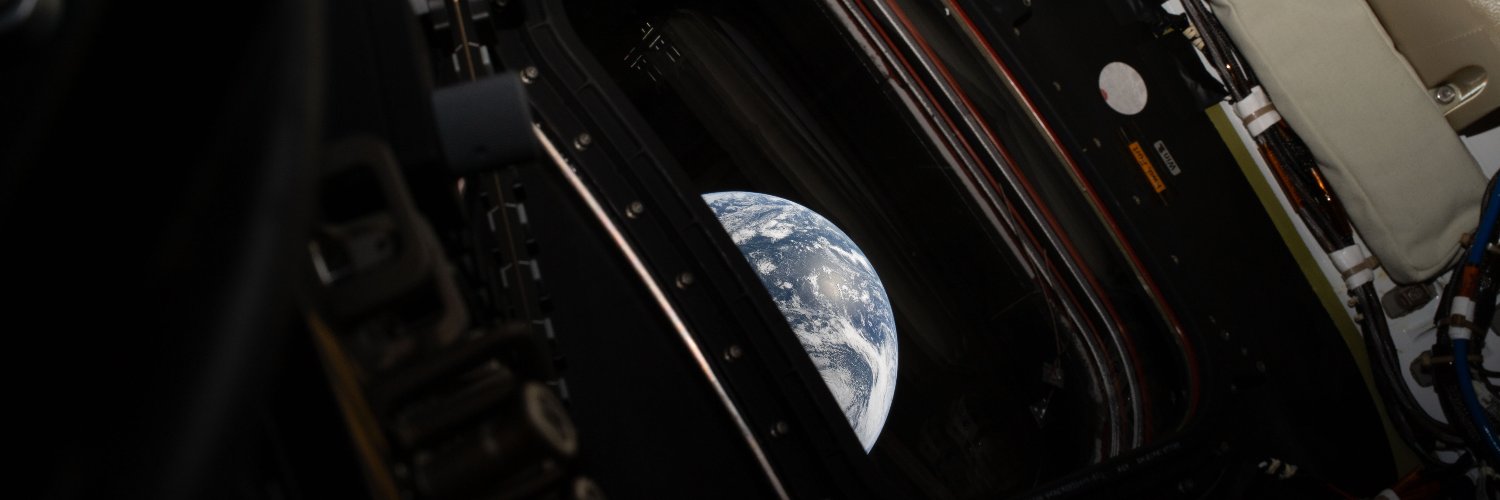
The astronauts sheltering in Dragon have reopened hatches and are preparing to reenter the space station. No leak repairs today in the Russian segment.
It'd be interesting to find out what the "more extensive" repair operation involves, to the point that the Crew-12 astronauts need to be (I assume) "inside" Dragon and ready to undock in the event those repairs...well, it wouldn't be good for anyone, not least the Cosmonauts conducting the repairs.
Artemis II put humans near the Moon for the first time in 50 years. Unlike Apollo, this time @NASA isn't going alone.
The signal to industry is clear: build the infrastructure for a permanent lunar presence.
With the announcement of our intent to acquire @Astrobotic Technology, Voyager will have capability at every infrastructure layer needed to put Americans on the lunar surface and keep them there.
Read more: https://t.co/BJF3EtzOxq
$VOYG #MissionReady #AcceleratingtheAdvantage
That is not correct. You can look up what the SLS Block 1B cargo variant can send to TLI, and that mass is well below the public MK2 data.
And to be clear, NASA is very focused on assisting Blue Origin with root cause analysis, pad recovery, and, most importantly, continuing to advance a lander that can meet Artemis III and crewed landing timelines.
One week later, incredible progress. It’s a 24/7 operation with a solid path forward to launch this year, helped by a lot of luck. @NASA and @USSpaceForce have both been extremely helpful.
This team. Never tell them the odds.
The first low Earth orbit (LEO)-optimized Centaur upper stage is now integrated atop the Vulcan rocket at ULA's @AmazonLeo Integration Facility!
Integrating the vehicle with the new LEO 85K Centaur upper stage allows the team to perform first time procedures, validate stage and ground support equipment interfaces with a planned Wet Dress Rehearsal to validate new technologies in advance of the first Vulcan Leo mission.
Learn more in our blog:
https://t.co/thnd65wusQ
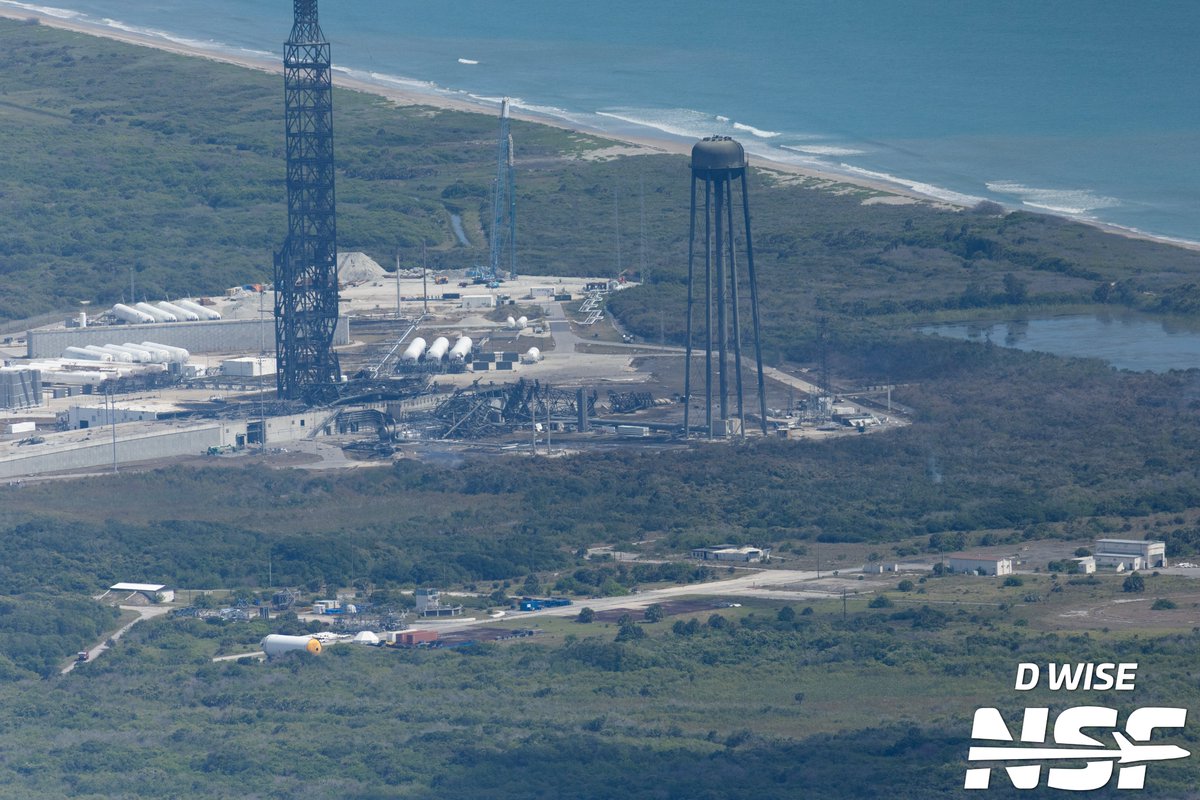
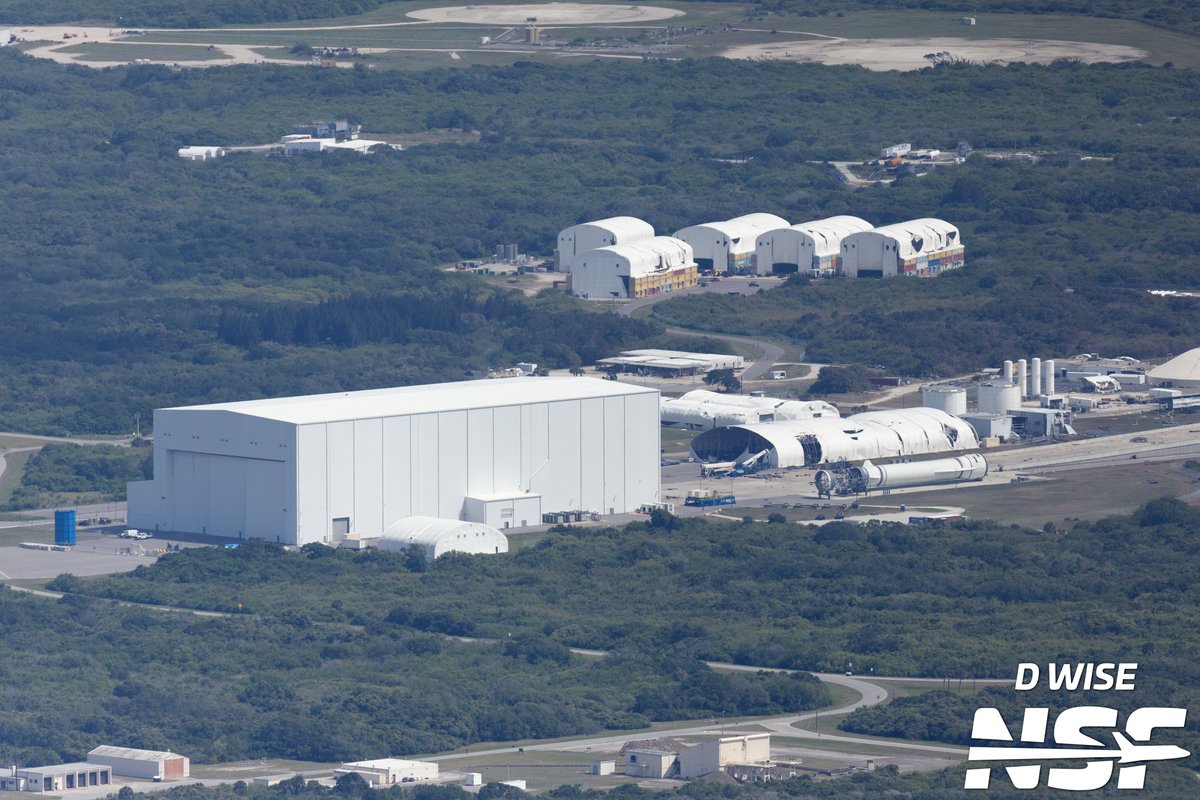
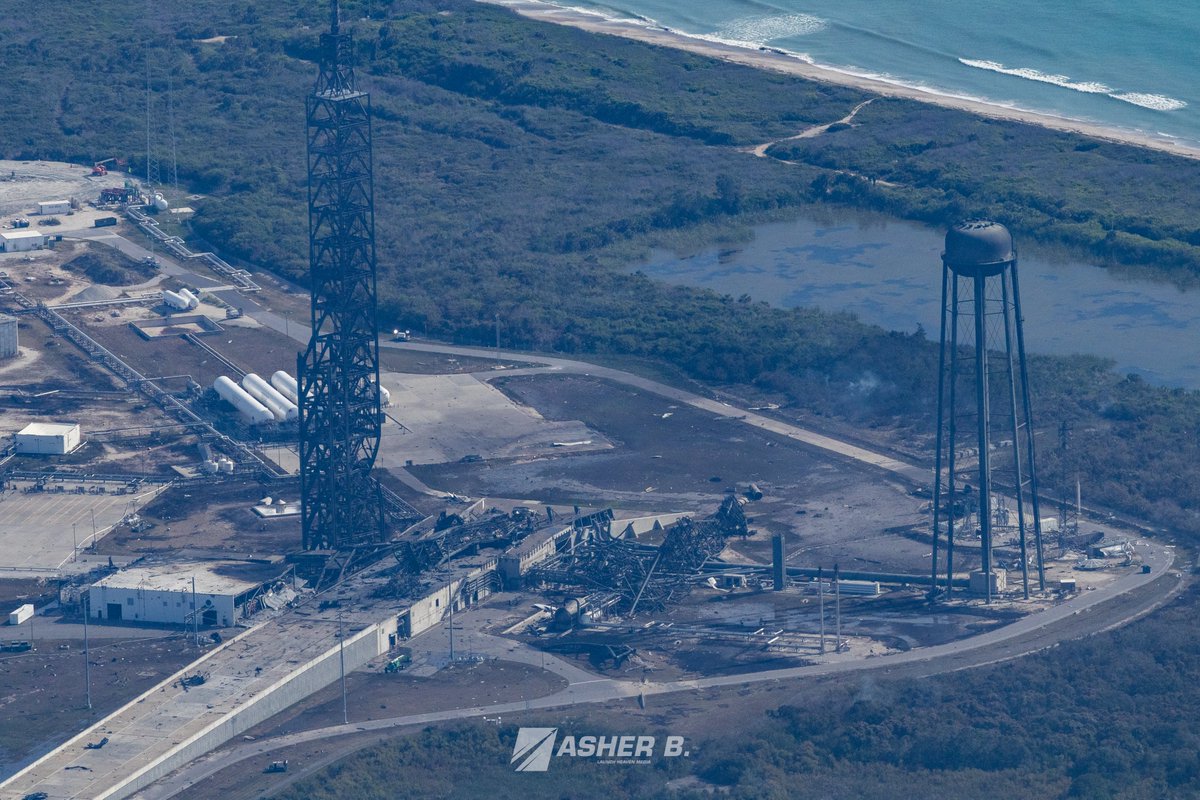
Some LC-36 updates. Now that we’ve had access to the pad and integration facility we can share a bit of good news. The propellant farm, oxygen, liquid hydrogen and LNG tanks are all in good shape. This is good luck because these are very long lead items. The water tower is also good. The big support tower is damaged, but it can be repaired in place rather than torn down and replaced. The booster “Never Tell Me The Odds” and the three GS-2s that were onsite in the integration facility also look good.
I’ve seen some speculation that we might move directly to the 9x4 configuration, but we won’t do that. Rate manufacturing of 7x2 is going well, and we’re going to continue that at pace as planned and store the stages for use. In addition, we had already been working for some time on eliminating our transporter-erector in favor of an alternative vertical conop, and we’ll now go directly to that; so we don’t need a new transporter-erector.
We will fly again before the end of this year. Gradatim Ferociter.
We have regained some access to Launch Complex 36 and are actively investigating the hotfire anomaly. We will start clearing the pad soon and have a good rebuild plan in place. The booster and GS2s in the integration facility appear healthy from quick looks.
Thank you for being here today. Your support means a lot to the whole team. We will get back to flight, and we will get to the Moon. Gradatim Ferociter.
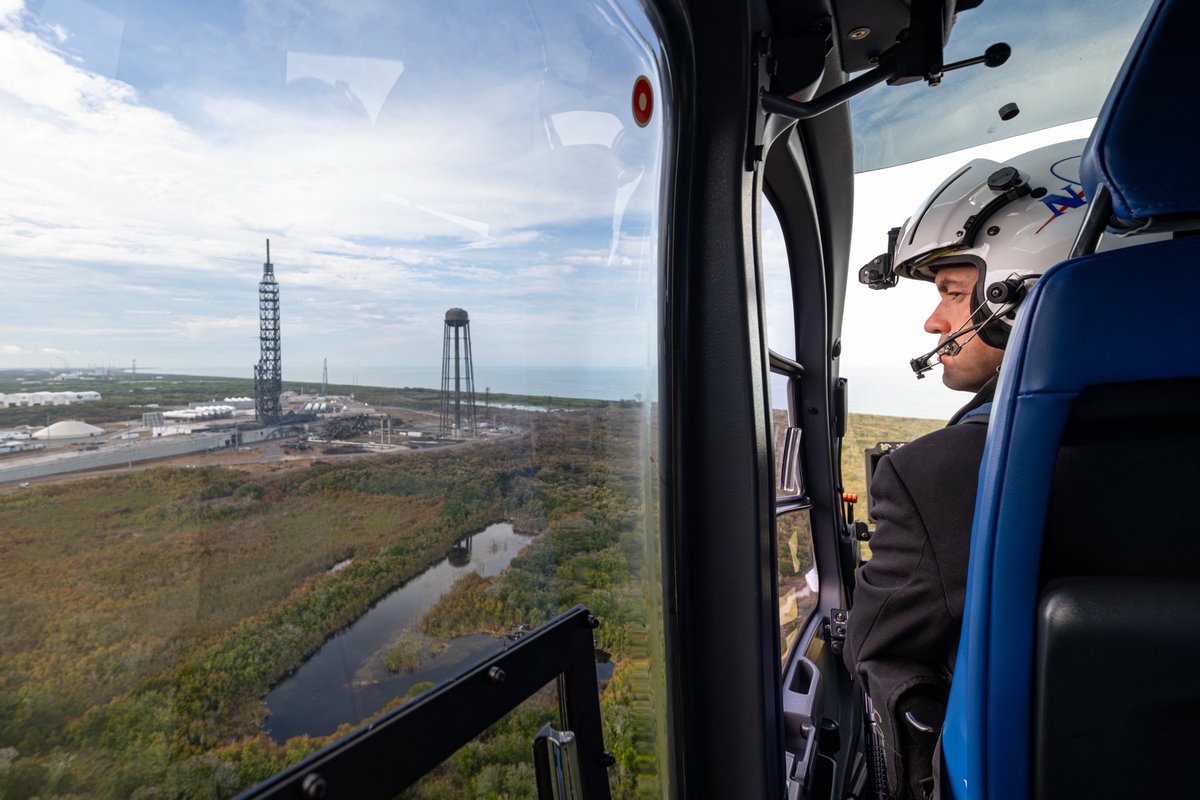
We go where we need to be, and today that was @NASAKennedy.
Some of my senior engineers and I spent time at @blueorigin with @JeffBezos and @davill, speaking with the workforce and seeing the damage at LC-36 firsthand. I appreciated the opportunity to hear directly from those working through the aftermath and better understand the challenges ahead.
There is a lot of work to do, but this is exactly why people choose careers in aerospace, whether at NASA, Blue Origin, or across the industry. The talent in this field thrives under pressure and performs at its best when solving the toughest problems.
We have been saying for months at NASA that we are not going to sit on our hands and wait for the capabilities necessary to achieve the nation’s most pressing objectives. We are going to take an active role alongside our partners, just as we did in the 1960s, to overcome setbacks, remove obstacles, and deliver the intended outcomes.
@NASA is committed to helping the Blue team recover, continue to advance their lunar lander and get New Glenn back to launching as soon as safely possible.
America’s greatest achievements in space were never the result of avoiding setbacks. They came from overcoming them. We have done it before, and we will do it again🇺🇸
The aftermath of LC-36 following New Glenn's explosion during its Static Fire test last night captured by D Wise (@dwisecinema).
Overview of the incident:
https://t.co/J1aWYWecfA
First look at LC-36 from the air this morning after the explosion of New Glenn last night during a failed hotfire test.
Visible is the wreckage from the destroyed TE as well as the fallen lightning tower. More to come soon.
📸 - @LaunchHeavenX
First look at LC-36 from the air this morning after the explosion of New Glenn last night during a failed hotfire test.
Visible is the wreckage from the destroyed TE as well as the fallen lightning tower. More to come soon.
📸 - @LaunchHeavenX