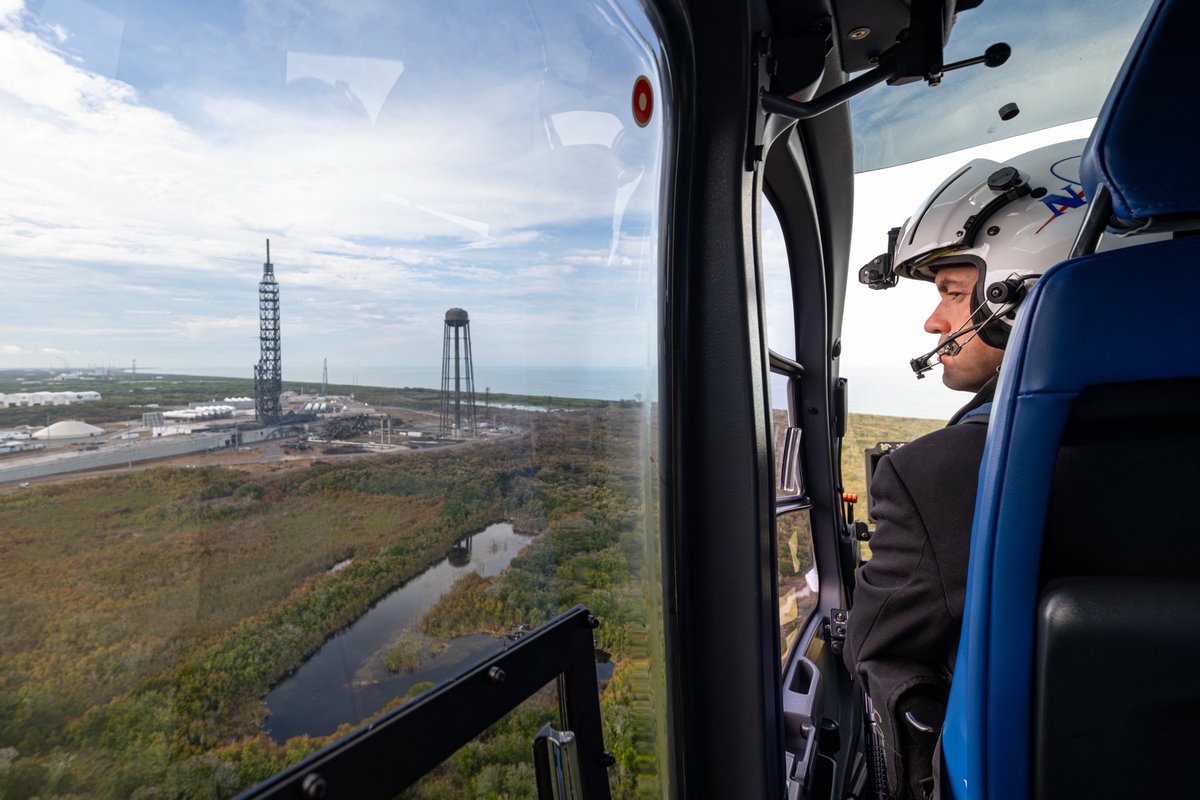
We go where we need to be, and today that was @NASAKennedy.
Some of my senior engineers and I spent time at @blueorigin with @JeffBezos and @davill, speaking with the workforce and seeing the damage at LC-36 firsthand. I appreciated the opportunity to hear directly from those working through the aftermath and better understand the challenges ahead.
There is a lot of work to do, but this is exactly why people choose careers in aerospace, whether at NASA, Blue Origin, or across the industry. The talent in this field thrives under pressure and performs at its best when solving the toughest problems.
We have been saying for months at NASA that we are not going to sit on our hands and wait for the capabilities necessary to achieve the nation’s most pressing objectives. We are going to take an active role alongside our partners, just as we did in the 1960s, to overcome setbacks, remove obstacles, and deliver the intended outcomes.
@NASA is committed to helping the Blue team recover, continue to advance their lunar lander and get New Glenn back to launching as soon as safely possible.
America’s greatest achievements in space were never the result of avoiding setbacks. They came from overcoming them. We have done it before, and we will do it again🇺🇸
NASA is aware of the anomaly that occurred tonight at Launch Complex 36 involving Blue Origin’s New Glenn rocket at Cape Canaveral Space Force Station. Spaceflight is unforgiving, and developing new heavy-lift launch capability is extraordinarily difficult. We will work with our partners to support a thorough investigation of this anomaly, assess near-term mission impacts, and get back to launching rockets.
We will provide information on any impacts to the Artemis and Moon Base programs as it becomes available.
The entire event yesterday, launching missions, landers, rovers, tech demos building a Moon Base, and sci-fi capabilities like MoonFall, brought to you by those who Dare Mighty Things. Just the very beginning. What a time 🇺🇸
Four JPL-built propulsive drones – known as MoonFall – will survey the lunar surface at potential @NASAArtemis landing sites in unprecedented detail. The mission is part of the initial phase of the @NASAMoonBase initiative.
Learn more: https://t.co/2NJXRlgOoW
Future @NASAMoonBase engineers in action!
During NASA’s 2026 Lunabotics Challenge, college students from across the country engineered autonomous robots to excavate and move lunar soil simulant – and the results were incredible.
Meet this year’s winning teams: https://t.co/aNsgi5De2U
The near impossible is becoming possible.
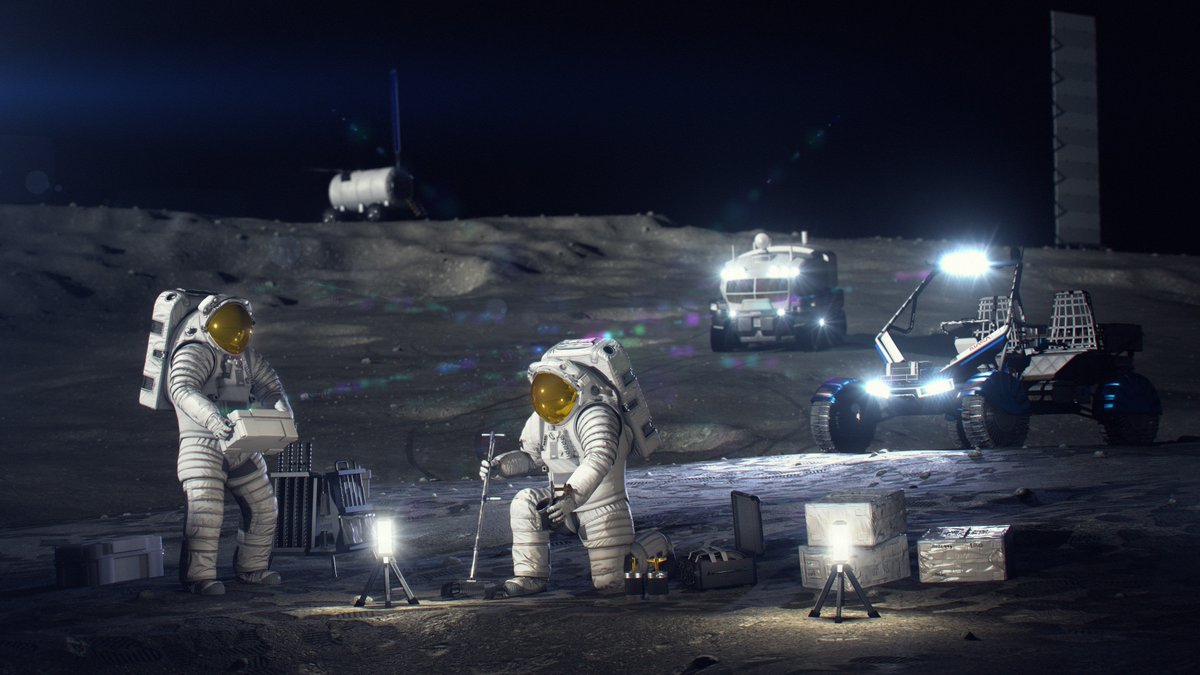
We are building toward a sustained human presence at the lunar South Pole. It begins with Phase 1: CLPS landers and LTV rovers testing the “science of survival” on the lunar surface before heavy HLS cargo landers deliver the mass and infrastructure needed for an enduring presence.
We are building the Moon Base for all we will learn, the innovation that will improve life on Earth, the inspiration for the next generation of explorers, and to master the skills needed for where we will inevitably go next...Mars.
The Golden Age of lunar exploration has begun.
@NASAMoonBase@blueorigin@NASAAdmin@astrobotic@astrolab We have awarded @LunarOutpostInc with a lunar terrain vehicle award. Their Pegasus rover is capable of manual, autonomous, or teleoperated driving at speeds more than 9 mph.
Early surface mobility will help us create an enduring presence on the Moon.
We have awarded @AstroLab_Space with a lunar terrain vehicle award. Their Crewed Lunar Vehicle is a rover designed to transport astronauts and supplies across the lunar surface.
This vehicle will be deployed to the Moon by 2028 through our commercial lunar payload services initiative.
@NASAMoonBase@blueorigin@NASAAdmin@astrobotic “Congratulations @BlueOrigin and we are looking forward to this partnership to deliver the first lunar terrain vehicle (LTV) as part of @NASAMoonBase program.”
Moon Base program executive Carlos García-Galán congratulates the recipient of the LTV delivery award.
@NASAMoonBase@blueorigin@NASAAdmin The second @NASAMoonBase mission will fly cargo to the lunar surface aboard the @Astrobotic Griffin lander and the third will deliver payloads chosen through open competition as well as international partners.
Both missions are targeted to launch before the end of 2026.
@NASAMoonBase The first of three @NASAMoonBase missions will be the @BlueOrigin Mark I Endurance lander, set to launch NET Fall 2026.
@NASAAdmin Isaacman describes how this mission will send scientific payloads to the lunar South Pole region and reduce risk for future astronaut explorers.
Join us today for a live event where we'll share our @NASAMoonBase plans! At 2pm ET (1800 UTC), we'll update you on our progress toward a long-term presence on the Moon. Watch right here on X.
From the @space_station to deep space, it's been a busy week at @NASA. 🚀
🏛️ Swearing in @NASADepAdmin
🔴 Psyche captures stunning new Mars images
🛰️ Successful delivery to the ISS
🌔 @NASAMoonBase update next week
Here’s your NASA Minute!
The next chapter of lunar exploration is taking shape.
Next week, we are announcing our first steps towards surface capabilities and mobility. Preparation for the first Moon Base is well underway.
We're building a Moon Base!
@NASAMoonBase will serve as a habitat where astronauts live and work during long-term science missions.
Join us at 2pm ET on Tuesday, May 26, for a live news event where we’ll share updates on our lunar exploration plans: https://t.co/IJXA7xYwju
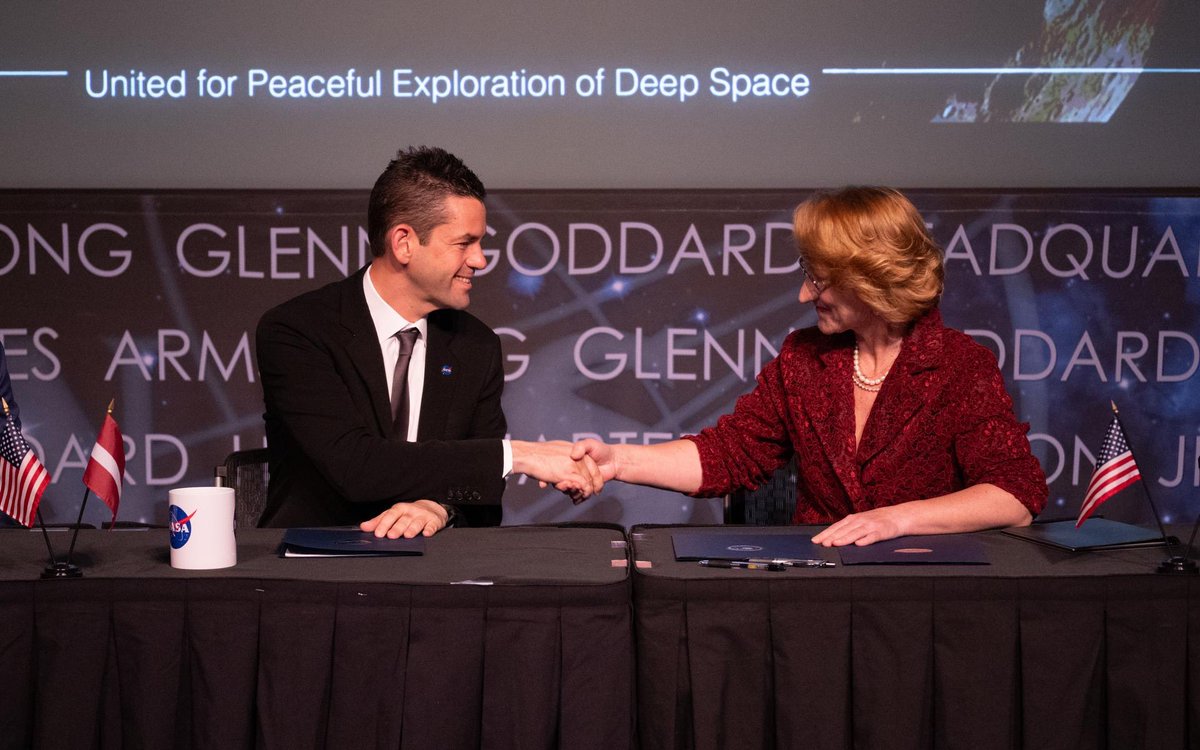
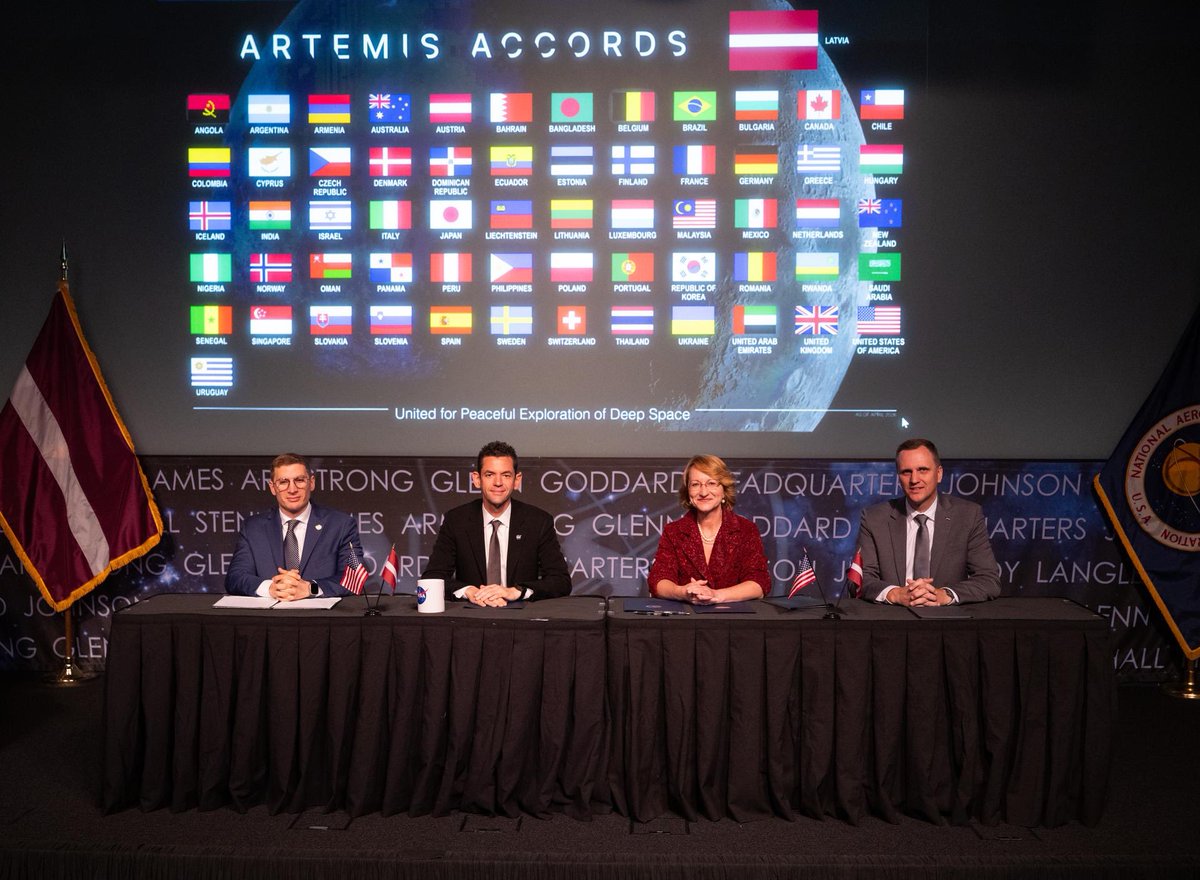
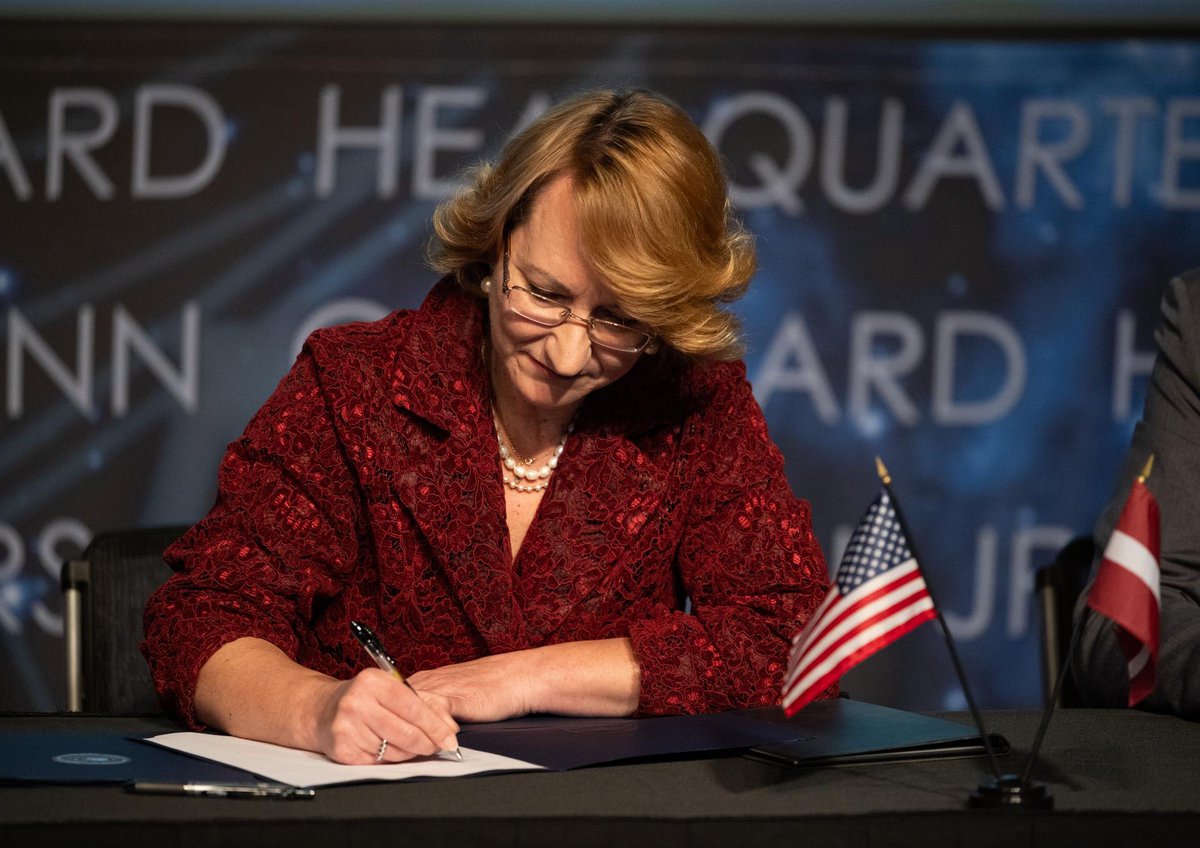
Latvia traveled to Washington, DC to sign the Artemis Accords, becoming the 62nd signatory, and the first of many nations to join after our @NASAMoonBase announcement. This growing coalition of like-minded nations is committed to the peaceful, transparent, and responsible exploration of space.
At a critical moment for Artemis, partnerships like this strengthen our shared vision and expand the capabilities needed to build a sustained presence on the Moon. This is how we move faster, operate more effectively, and build the future of space together.
The world watched.
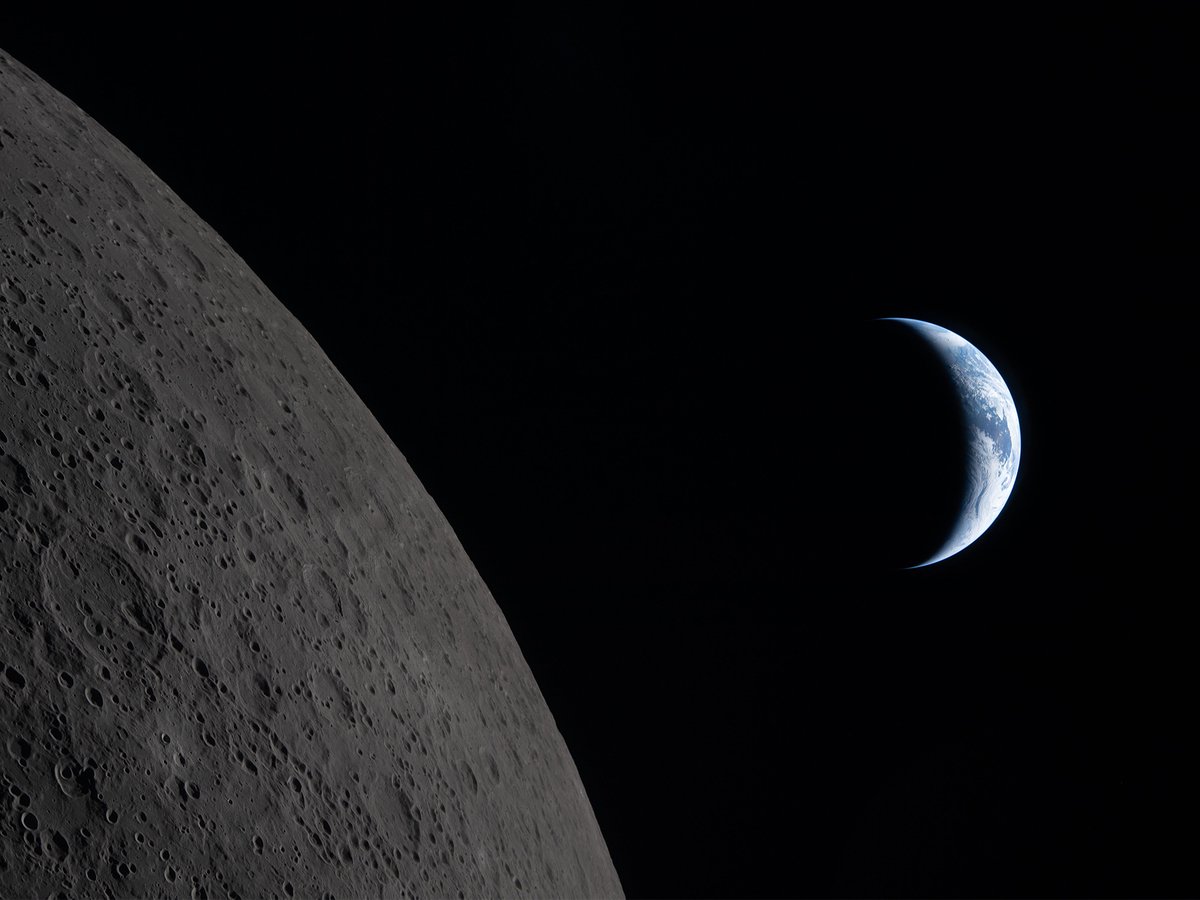
Artemis II carried humans farther into space than we’ve ever been in over half a century and showed a new generation what exploration looks like.
The journey back to the Moon is underway.
Artemis III is up next.
This week, @NASA made history, and opened a new chapter in American space exploration 🌔🇺🇸
Artemis II sent modern day pioneers back to the Moon, pushing farther into space than ever before.
Here’s a quick wrap-up in your NASA Minute!