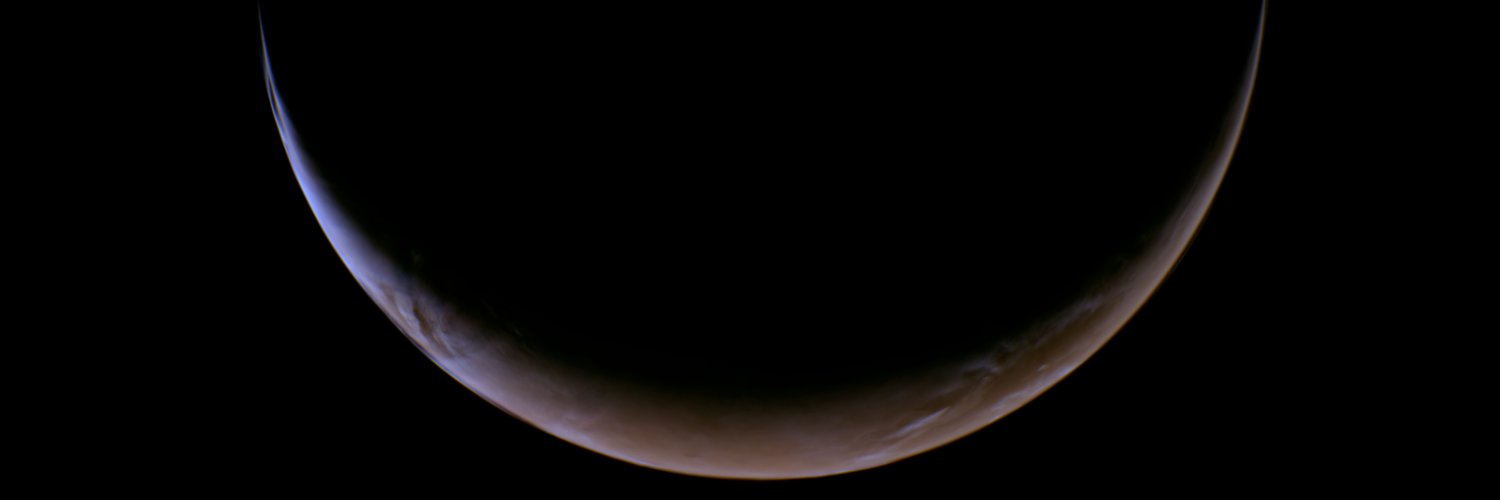
Photo finish! 🏁📸
On June 14, Perseverance completed a Martian “marathon” by surpassing 26.2 miles (42.195 kilometers) of travel. The day before, NASA’s Mars Reconnaissance Orbiter snapped this view of the rover and its tracks from space.
Breakups are hard 💔
Unless it’s stuff breaking up in Earth’s atmosphere. Then it’s just cool! A @Space_Station astronaut captured an object breaking up in the atmosphere on April 27. It could have been part of a rocket, satellite, other human-made space debris, or a meteor.
Happy solstice! ☀️
Yesterday kicked off astronomical summer in the Northern Hemisphere. This time of year, the summer triangle rises into view in the night sky. Between these stars, amazing deep-sky objects are visible with a telescope, including the Ring and Veil Nebulas.
Smile! Tomorrow is the Northern Hemisphere’s summer solstice! 😎☀️
This “sunny smile” is made of coronal holes — darker, cooler regions on the Sun where solar material escapes to space at incredible speeds. 🕳️
More on coronal holes in this episode of NASA’s Illuminate.👇
NASA has selected the DAPHNE mission to study how Earth’s atmosphere drives space weather, helping improve predictions that protect tech and astronauts. Twin satellites will launch no earlier than 2029. More: https://t.co/4VR3ywB7An
This asteroid is a little… quirky.
Shaped like a five-mile-long peanut 🥜
Wobbles like a top 🌪️
Encountered water, but lost it 💦
Published today, NASA’s Lucy mission reveals close-up imagery and data from its flyby of oddball asteroid Donaldjohanson.
More: https://t.co/BD2Zf89ghy
Jupiter’s fast traveling particles captured by Juno 🏃💨
NASA’s Juno Mission measured particles traveling close to the speed of light near Jupiter. Those speedy particles will help scientists learn more about how and where high-energy particles form.
https://t.co/AMyjpQfXj3
Perseverance is only the second vehicle to travel the distance of a marathon on another planet, following NASA's Opportunity rover, which accomplished the feat in 2015.
Creators: @NASARoman is launching this summer, and you’re invited!
We're looking for storytellers to join us as our Roman Space Telescope lifts off to help answer some of the biggest questions about our universe. Applications close June 28 at 11:59pm ET: https://t.co/Bbk8fHPBUQ
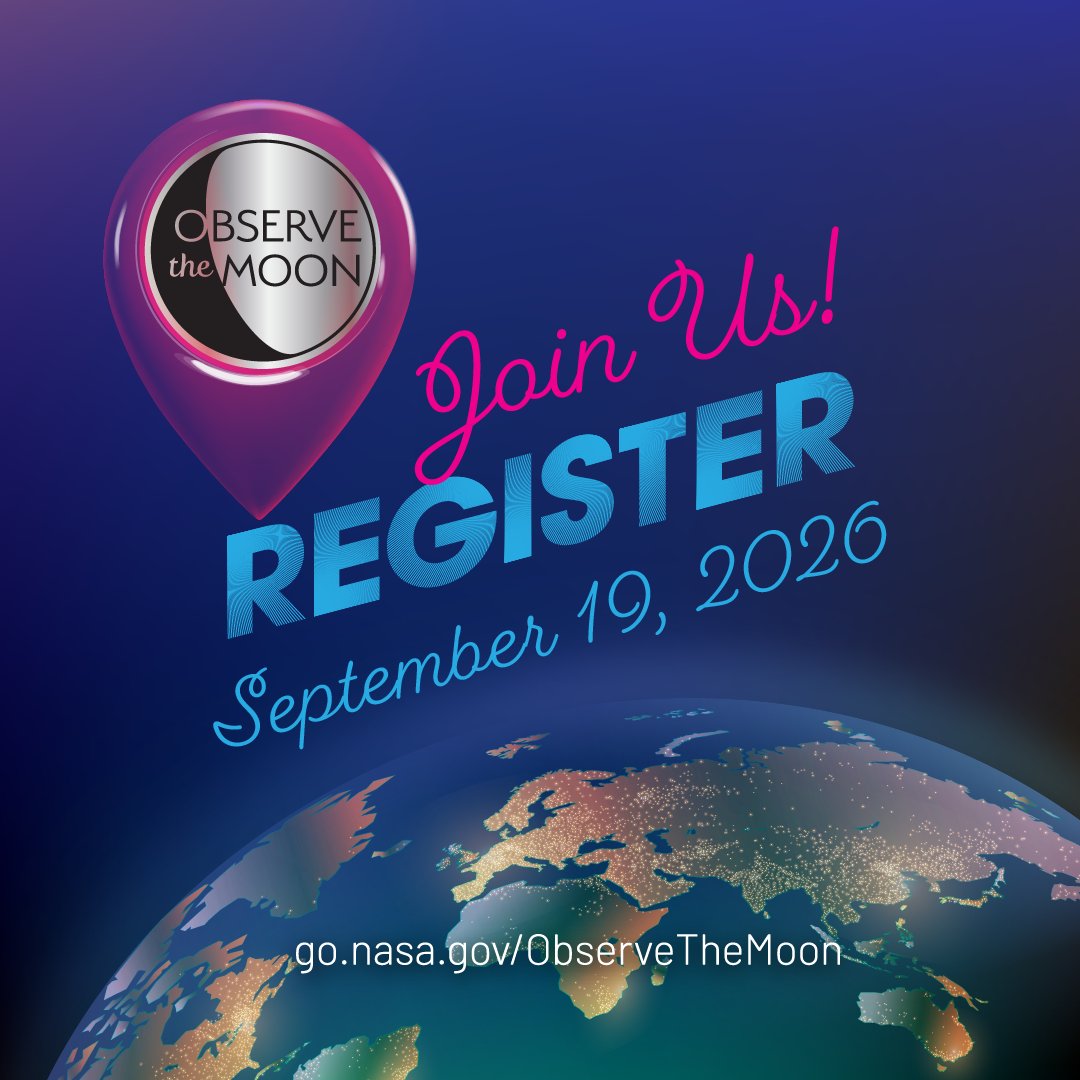
Get ready for a worldwide Moon appreciation moment 🌓
Last International Observe the Moon Night, an estimated 1 million people in 128 countries celebrated our nearest neighbor in space together. Who will you observe the Moon with this year?
Sign up: https://t.co/oidacfCUVY
Have you ever wanted to have your name 'Roman' a million miles away?
Now you can! Send your name along the Nancy Grace Roman Space Telescope, scheduled to launch Aug. 30, 2026!
Sign up here: https://t.co/mSLkvPLgVB
Submissions close July 12.
During their lunar flyby, the Artemis II crew enjoyed the rare opportunity to experience a solar eclipse from their Orion spacecraft.
With the Sun hidden behind the Moon, the astronauts were able to analyze the Sun’s outermost atmosphere, also known as the solar corona.
Did you miss the conjunction of Jupiter and Venus last night? You didn't! Not really, because the pair will still appear close together tonight. Look to the western sky after sunset. In this view from June 10th, see if you can spot Mercury near the horizon as well.
It’s like CSI…but with rocks 🕵️♀️🪨
Scientists hiked into the Mojave Desert to investigate a mineral “fingerprint” detected by a NASA sensor. Topaz was hiding in plain sight, which could hint at something more valuable underground known as porphyry copper.
Behold: new and previously unseen imagery from our Artemis II mission!
These images were captured on April 6, 2026, when the four astronauts aboard the Orion spacecraft conducted the lunar flyby portion of their ten-day journey.