Dragonfly’s heat shield endured a 4,500°F blast—and passed the test.
Units of NASA’s Dragonfly's heat shield faced intense solar radiation and mechanical stress testing @SandiaLabs, confirming that its carbon fiber and resin thermal protection material can withstand the harsh conditions it will endure when it enters the atmosphere of Titan, Saturn's largest moon.
The rotorcraft will search for signs of habitability and explore the chemical composition of Titan. It is set to launch no earlier than 2028.
Read more: https://t.co/AQRhPLYDjc
Peek inside👀
The Electric Arc Shock Tube Facility at Ames is a one-of-a-kind facility that has two shock tubes that can generate some of the fastest shock waves in the world.
It simulates extremely hot, high-energy gas environments similar to what spacecraft experience during atmospheric re-entry on Earth and entry into other planetary atmospheres.
These tests give scientists insights into spacecraft heating data, helping advance thermal protection system designs for future deep space exploration.
Introducing Artemis III.
Four astronauts. Three launches. Two dockings. One splashdown.
In 2027, the Artemis III mission will practice docking the Orion spacecraft with two lunar landers in low Earth orbit — the capability we need to return humanity to the Moon’s surface.
Coming soon: one of history’s most complex missions
Tune in on Tuesday, June 9, at 11am ET, to meet the astronauts flying aboard Artemis III, the mission that will test docking capabilities with commercial landers in low Earth orbit — an important step to crewed lunar landings.
✈️ JUST IN: The X-59 has gone supersonic!
The X-59 achieved supersonic speeds for the first time ever today — a major milestone for NASA’s Quesst mission and an important step toward upcoming flights that will demonstrate its quiet supersonic technology ahead of future community overflights.
Fast now. Quiet soon. 🔊➡️🤫
Learn more: https://t.co/lpVA3qRxAj
#NASA #X59 #Quesst
Turning data into discovery faster.
Athena is NASA's most powerful and efficient supercomputer. It's designed to support a new generation of research—simulating rocket launches, modeling next-generation aircraft, and training large-scale AI foundation models to uncover new scientific insights.
Learn more about Athena: https://t.co/vufp43XQ74
Our @NASARoman space telescope is officially slated to launch on Aug. 30!
Get the details and follow Roman's journey on our new Roman Space Telescope blog: https://t.co/72iud38kMm
As gravity distorts our view…
This simulation shows how the extreme gravity of two orbiting black holes bends and redirects light emanating from the chaotic hot gas surrounding each one. As they pass in front of one another, light weaves through the fabric of space and time.
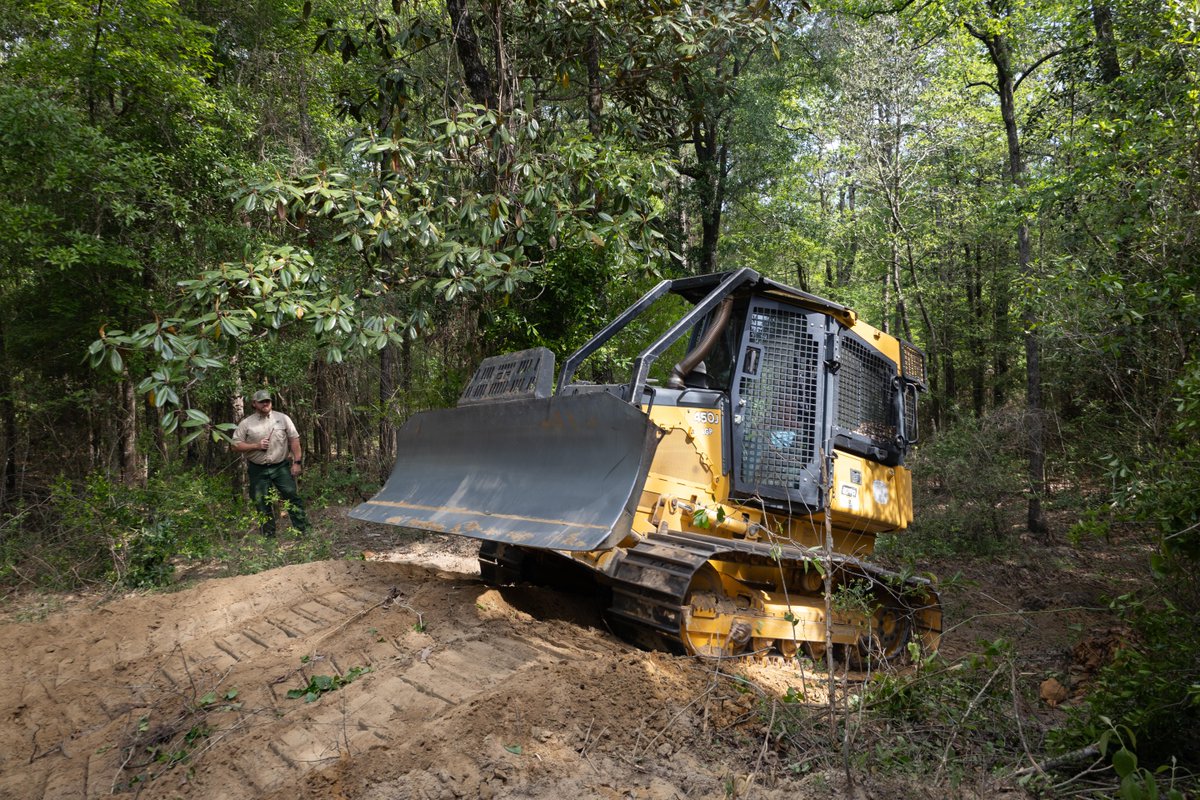
A new NASA tool is making wildland firefighting safer 🔥
Fire crews in enclosed bulldozers can't always tell when outside temperatures have reached an unsafe level. NASA scientists developed a thermal sensor that alerts the operator, while simultaneously providing invaluable data about how fire behaves on the ground.
Read more: https://t.co/cCl5Cz9euO
On Tuesday, June 9, we’ll announce the four astronauts who will orbit Earth aboard the @NASAArtemis III mission!
Watch our live event at 11 a.m. EDT (1500 UTC) to find out who will test the docking capabilities necessary for crewed Moon landings: https://t.co/TyU7StKGxH
What better way to celebrate National Airplane Day than to make your own X-59 plane? ✈️
NASA’s Quesst mission aims to change how we all fly in the future.
➡️Learn how to make yours here: https://t.co/Q1O6mPT1H1
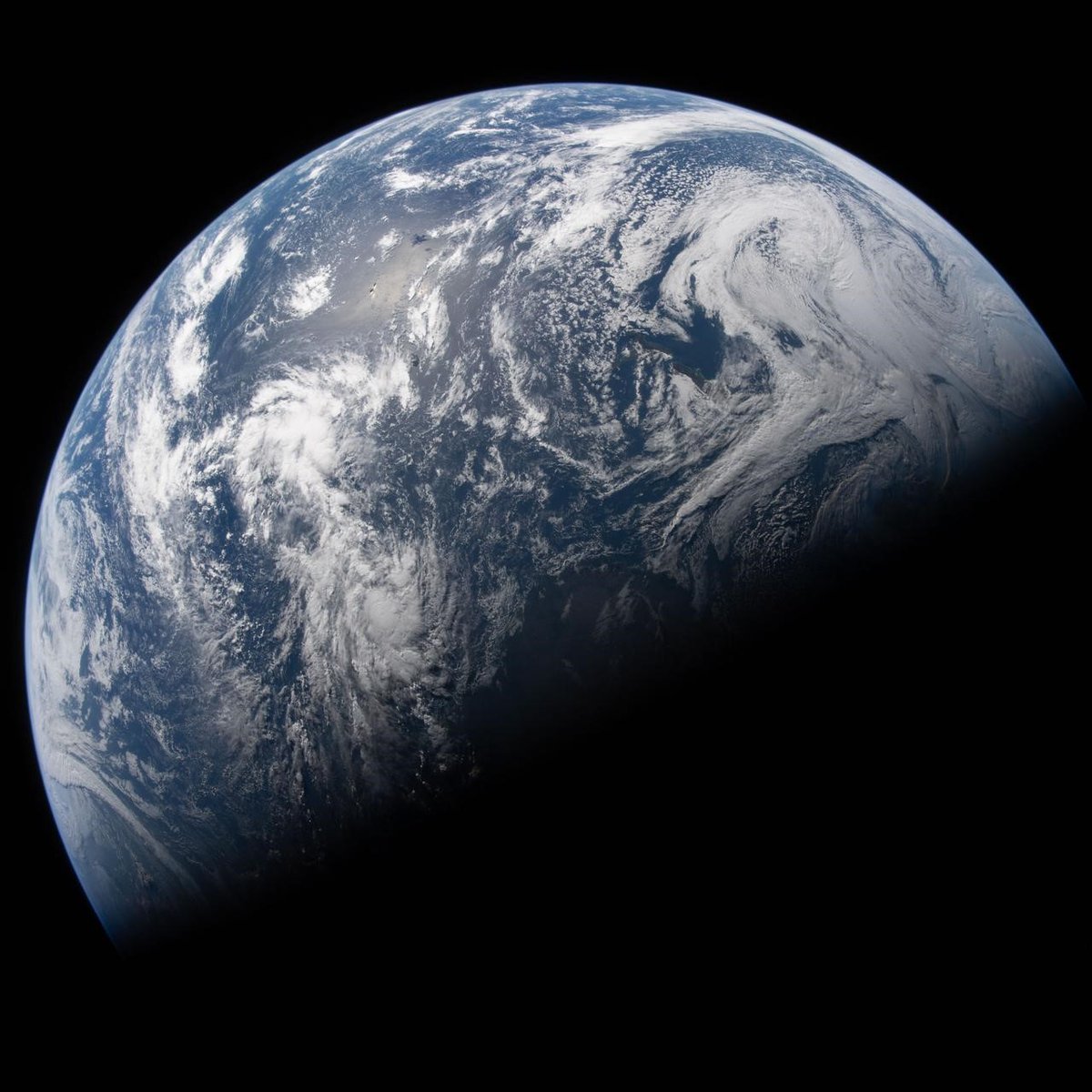
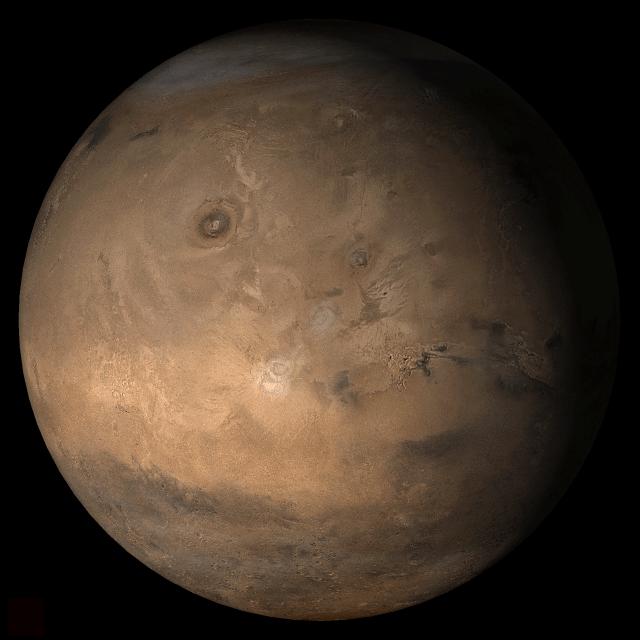
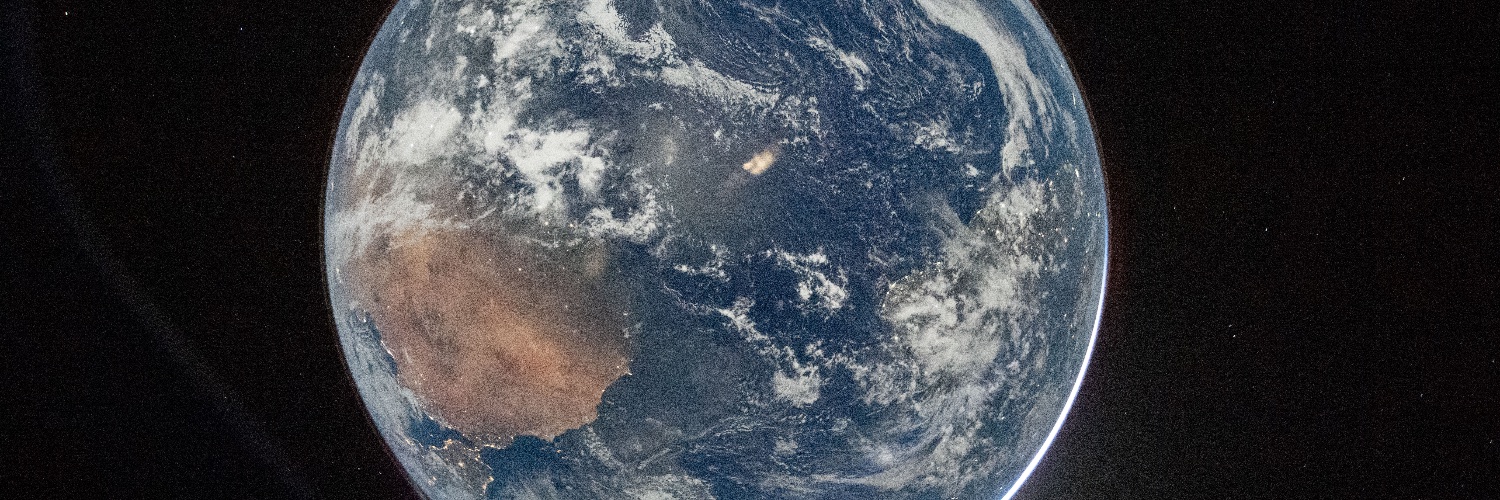
Planet appreciation post 🤩
Have a favorite? Let us know in the comments and explore our work to better understand the origin and evolution of planetary systems: https://t.co/88G9CEB9wd
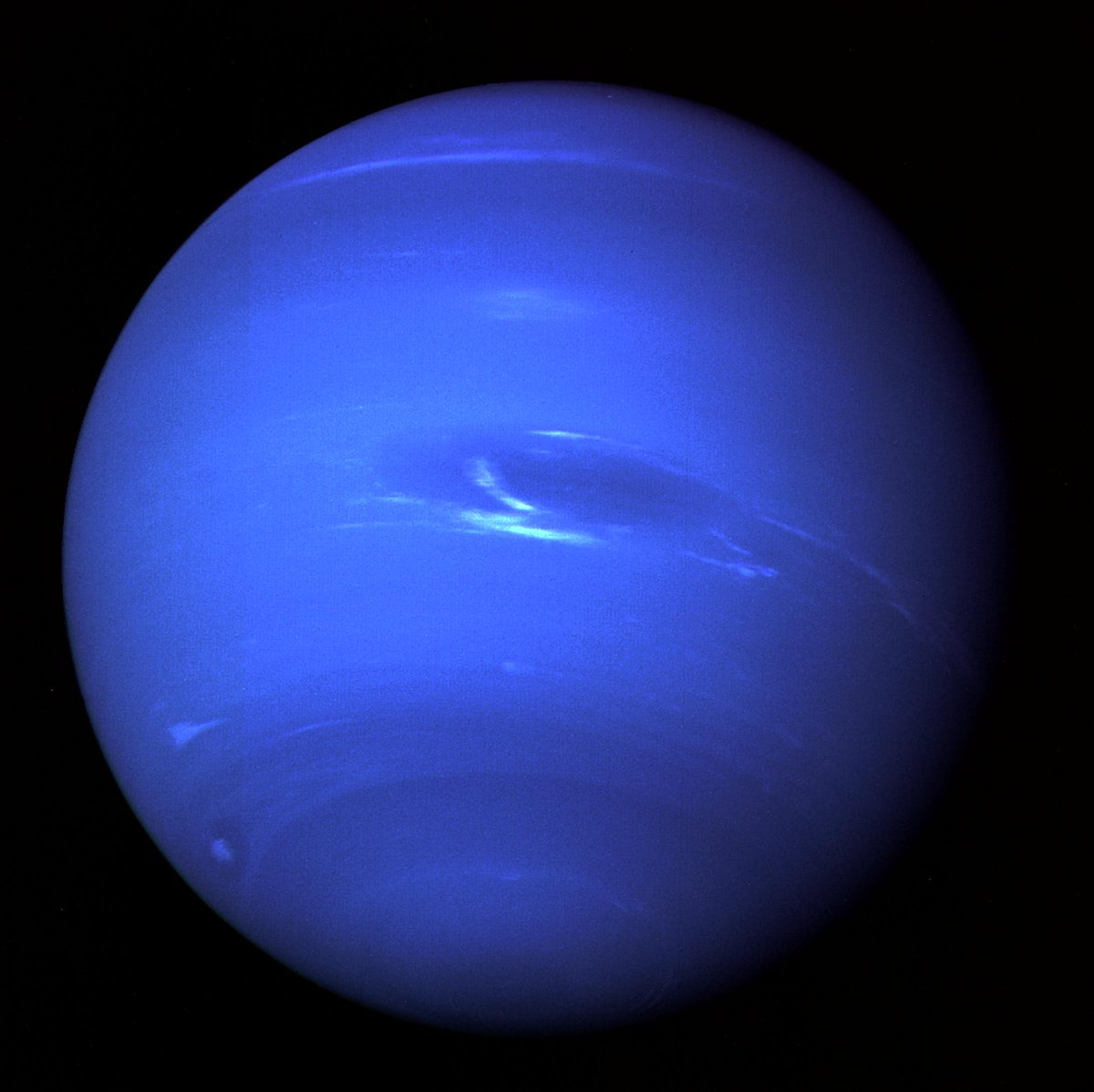
@seridarivus13 We could only fit four pics 🥲 Here's an image of Neptune, produced from images taken by NASA’s Voyager 2 in the summer of 1989. It was the first spacecraft to fly by the planet.