MIT is re-thinking its core approaches due to AI.
And other universities may not survive if they don’t change.
FORBES: “MIT calls for a broad reconsideration of what students should learn, how professors can tell whether they learned it, where AI belongs in that process, and where it should stay out.”
MIT proposes that:
- courses and programs should become AI aware
- the residential experience and human community should receive GREATER attention
📍 Basically - MIT wants to protect the value of human relationships during education.
YES - you can get knowledge for free from AI at home.
BUT you can’t learn how to build connections with humans this way. You don’t meet other highly talented people around you. You don’t build trust and long-term relationships.
MIT seems to be understanding this (finally) and their response is to focus on residential education and relationships it provides.
❗️ I talked to Brian Rosenberg, the Harvard professor and former President of Macalester College:
https://t.co/7QwNRlOlP4
We discuss how AI may wipe out colleges if they don’t adapt fast.
One of the biggest issues in academia is that EVERYONE is against changes.
This keeps universities in the 19th century. We specifically discuss why this is happening and what may be done.
This topic is really, really important for everyone to understand. It’s our future.
Please listen.
__
@IndiaToday IndiaToday tech team would have built an agent which crawls insta and autopost it on x/insta via their handle, by autogenerating caption and hashtags, but they might be using so lower models that its hallucinating this level or thier prompt is so bad that...🤣🤣
The University of Michigan put their entire robotics degree on GitHub.
Not one course. The whole curriculum.
ROB 101 — Computational Linear Algebra for Robotics
ROB 311 — How to Build Robots and Make Them Move
ROB 501 — Mathematics for Robotics
ROB 530 — Mobile Robotics
Every lecture video on YouTube. Every textbook on GitHub. Every problem set, every exam, every line of code.
Professor Jessy Grizzle said it best when they launched it:
"Linear algebra has become the language of computer vision, machine learning, robotics, and autonomy."
So instead of making students wait four semesters of calculus before touching a robot... they built a curriculum that starts with the math that actually matters, applied to real robotics problems from day one.
This is what open education looks like when a top-10 engineering school decides to mean it.
Free. GitHub. YouTube.
📌 [https://t.co/3STu1hzAz2]
Follow for more robotics resources!
——
Weekly robotics and AI insights.
Subscribe free: https://t.co/9Nm01QUcw3
The Fourier transform runs inside every MRI machine, every audio compressor, every signal processor on earth. JPMorgan pays $350K to engineers who can derive it from scratch. There is one professor alive who explains it the way nobody else can.
His name is Gilbert Strang. MIT. The most brilliant mathematical mind of his generation. His textbook sits in over 10 million homes. No other person on earth holds this combination of depth and clarity in one head.
He opens with one confession.
The Fourier transform is unreasonably effective. It solves problems it was never designed for. The goal is not to compute it. The goal is to understand why it works at all.
Then the core idea. A periodic signal breaks into pure sine waves. Each with a frequency, amplitude, and phase. The transform finds all three simultaneously. A complicated signal in time becomes a simple picture in frequency.
Then 1807. Fourier invented the transform not for sound but for heat. How does warmth spread through a metal rod? In time the equation is a partial differential equation - hard. In frequency space it becomes ordinary - easy. Transform in, solve it, transform back.
Then convolution. Convolution in time equals multiplication in frequency. Filtering a signal, removing noise, compressing audio - all multiplication in frequency space. Without the transform: thousands of computations. With it: a few multiplications.
Then the delta function. Zero everywhere except one point where it is infinite. Integral equals one. Every mathematician in 1900 said it was not a function. Dirac used it anyway. It took 40 years to justify what engineers had been doing the whole time.
Watch the moment Strang shows that the Fourier transform of a delta function is a constant - every frequency in equal measure. The more concentrated in time, the more spread in frequency. This is the uncertainty principle. Not quantum physics. A theorem about any signal at all.
A signal processing engineer I know rewatched this before their first project at Apple. Said it was the first time the Fourier transform felt like a change of coordinates rather than a formula to memorize.
Free on YouTube, MIT OpenCourseWare.
bookmark this and watch later - after this lecture every sound, every image, and every signal will feel like a sum of sine waves waiting to be separated
one of the best investments you can make in your 20s is building a hardware homelab.
not all investments belong in a portfolio.
some belong on your desk.
start small:
• 3d printer → turn cad into physical parts
• soldering station → build and repair electronics
• multimeter + oscilloscope → learn to measure reality
• arduino + esp32 → make code touch the physical world
• raspberry pi → linux, networking, edge compute
• motors + sensors → learn motion, feedback, control
• basic mechanical tools → cut, drill, assemble, modify
then actually use it.
design a mechanism. print it. wire the electronics. write the firmware. measure what went wrong. rebuild it.
every project leaves you with something more valuable than the object itself:
better intuition.
after a few years, you don’t just own a small lab.
you’ve built the ability to take an idea from your head → software → electronics → mechanics → physical reality.
that capability compounds for decades.
Lots of people new to KiCad think that we copy interfaces from <pick your favourite tool>. But look back through the history and you'll see that this existed in KiCad first. How do we know? Well, 3d-viewer was added in 2004. Before Altium Designer existed as a product.
The first time you start a research lab, there’s no manual.
So I made one.
A practical toolkit for postdocs and early-career faculty launching their first lab: hiring, startup planning, collaborations, and building a sustainable research program.
https://t.co/a30LLykjKq
She cleared JEE Mains and earned admission to @iitbombay in a department of her choice.
Her family said it was too expensive and too far from home.
This happens more often than we think.
WINGS is helping change that with 100% tuition support for young women at IIT Bombay, anchored by Bharat Desai (EE '75) and Neerja Sethi.
Support the cause: https://t.co/v9tUGSR0bD
#WINGS #WomenInSTEM #IITBAlumni
After shipping hardware at Intel, Xiaomi, Lenovo, Amazon and ByteDance, I joined a robotics startup as COO. Put in a year of my life, my savings, and my family's patience.
The company died. These 6 lessons cost me a lot. Maybe they'll save you something.
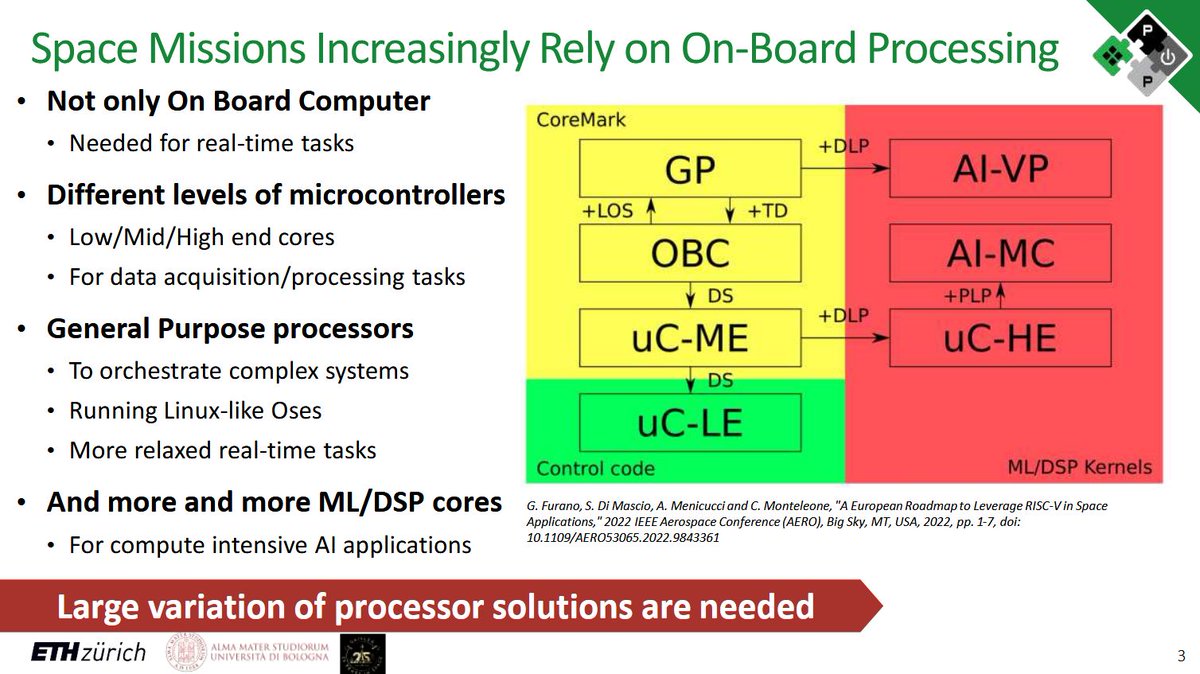
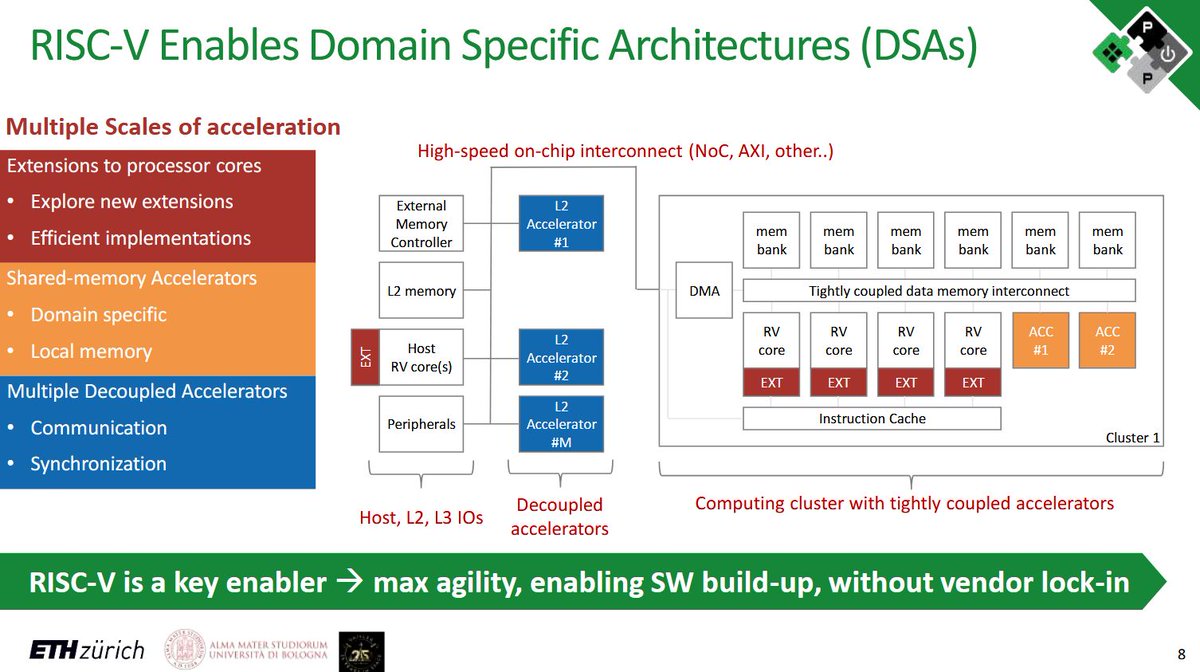
Gaisler https://t.co/0uXaOQ6CAI celebrated its 25th anniversary and Luca was there to give a talk "RISC-V is the Future: The Open Platform for the Space Renaissance". You can now find his talk on our website: https://t.co/p5xsht5dWY
I used to think supporting people meant showing them the chain of logic or helping them have an insight but nervous system safety is way, way more important. most people can’t do the right things for themselves bc their nervous system can’t handle it
insight isn’t the same thing as capacity to act and your body/mind can literally suppress an insight you’ve already had when you don’t feel ready for its implications. which is why when supporting yourself or others the best thing to focus on is creating safety
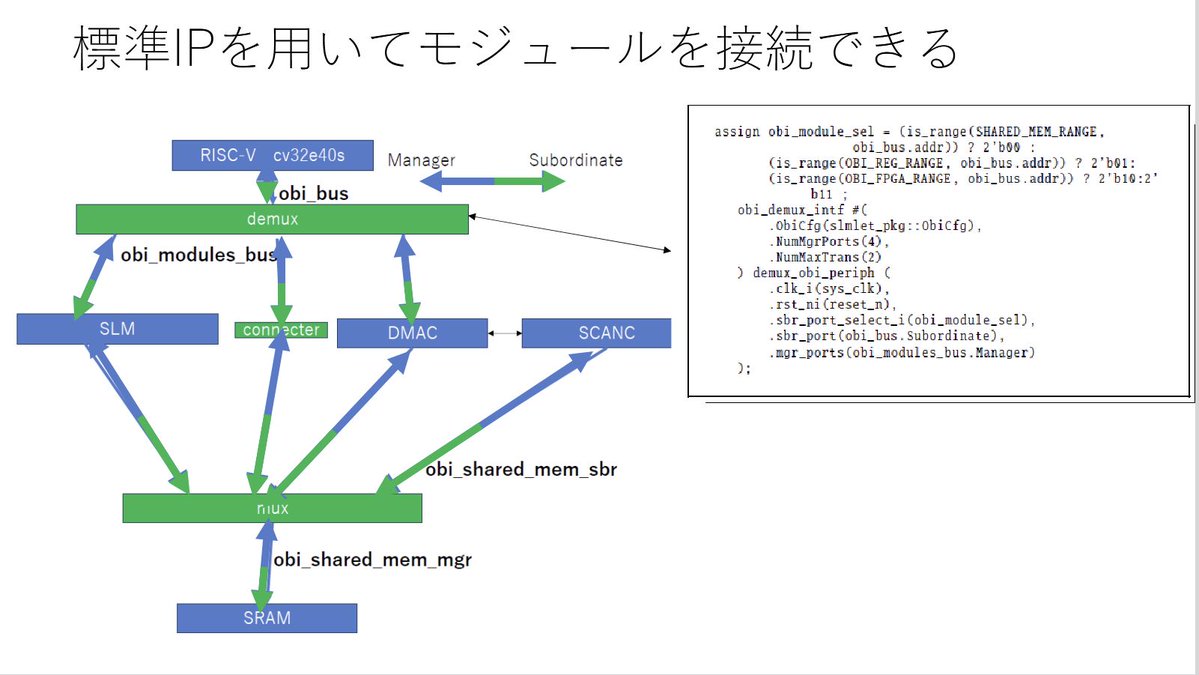
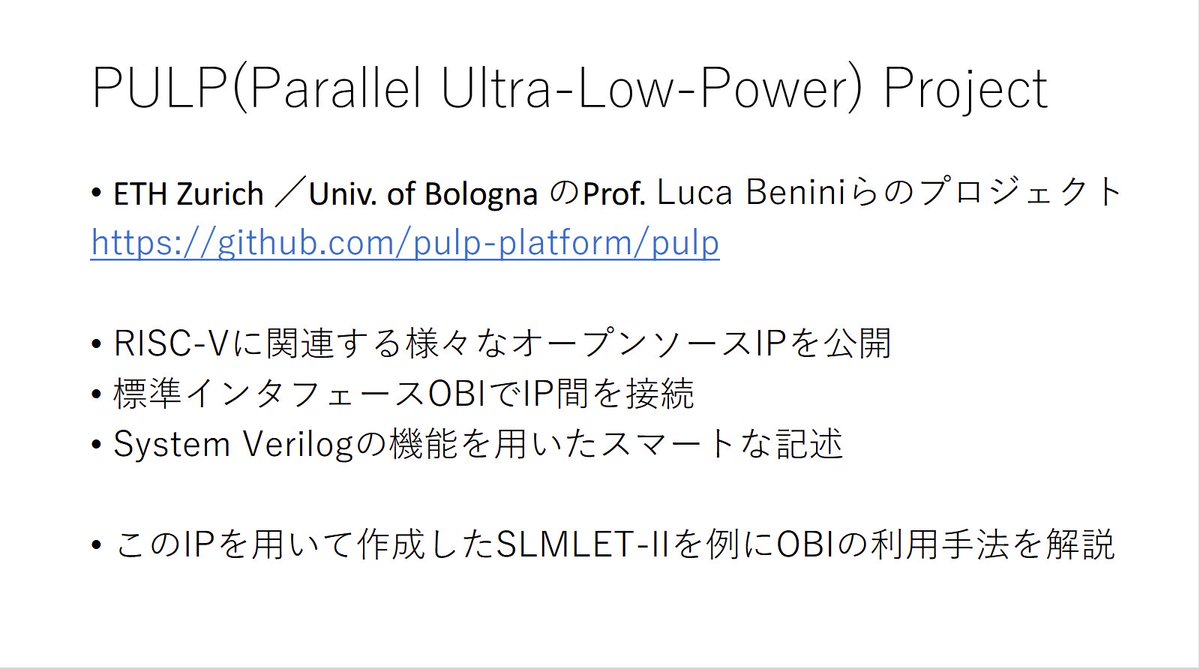
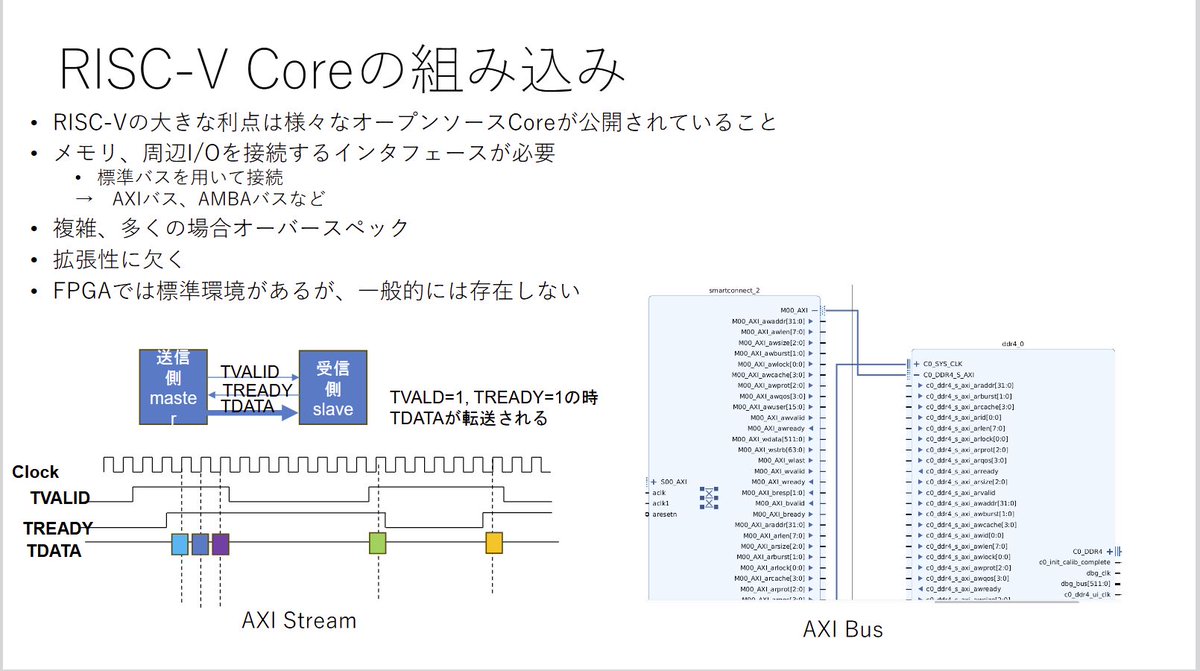
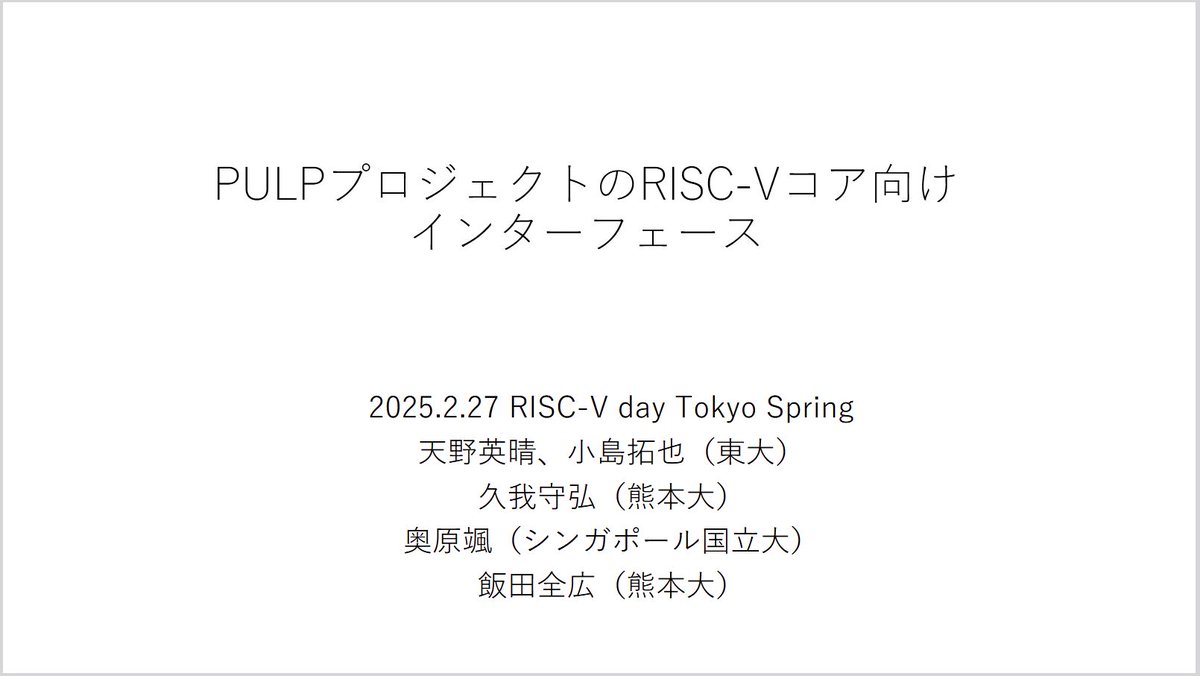
Delighted to be mentioned in the recently published talk "Interface of the Pulp project for RISC-V core" by Hideharu Amano during RISC-V Day Tokyo 2025 Spring". Find the video talk in English: https://t.co/6uWgXgfOPJ. Slides in Japanese: https://t.co/HFrUnf7WfO
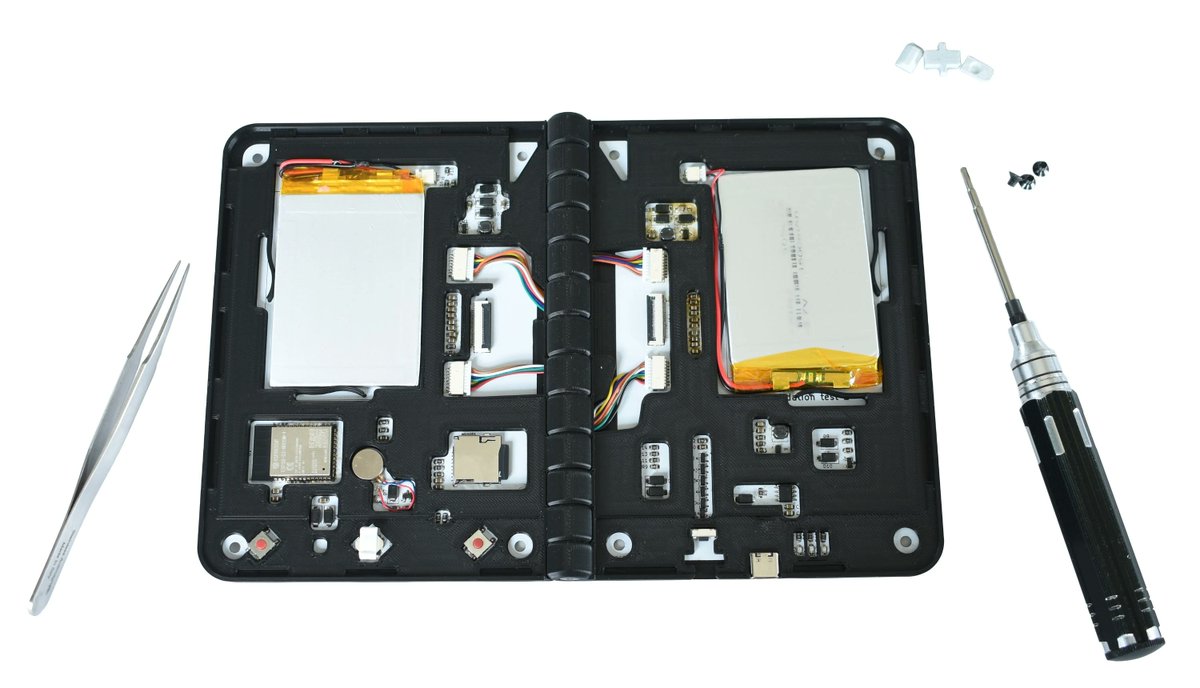
Open-source hardware, dual-screen e-book reader folds like a paper book.
https://t.co/RMWBeNqgtR
The @diptyx E-Reader features an ESP32 module (with WiFi and BLE disabled in firmware), two 5.81-inch B&W e-paper displays, a 2GB microSD card, a USB-C for EPUB file transfer and power, and two 1500 mAh batteries.
The design will be made open-source with FreeCAD case design, KiCad hardware design files, and the ESP32 firmware released after the crowdfunding campaign is over.
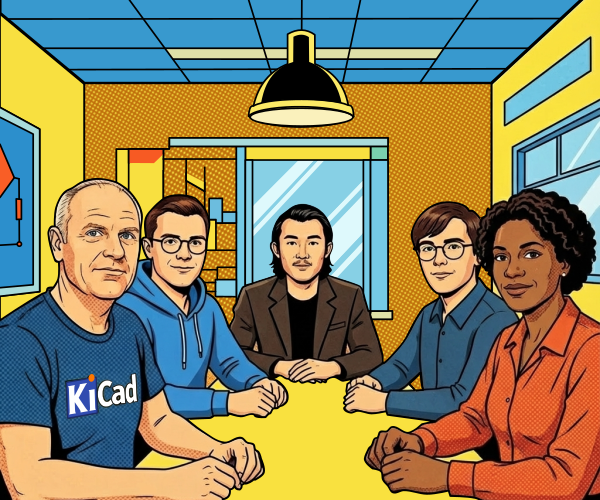
Job opening at KiCad! We're looking to hire a full-time, remote C++ programmer in the US or EU. Details and application at https://t.co/BTQ2uxR4qF
Join our team and build the future of EDA software!
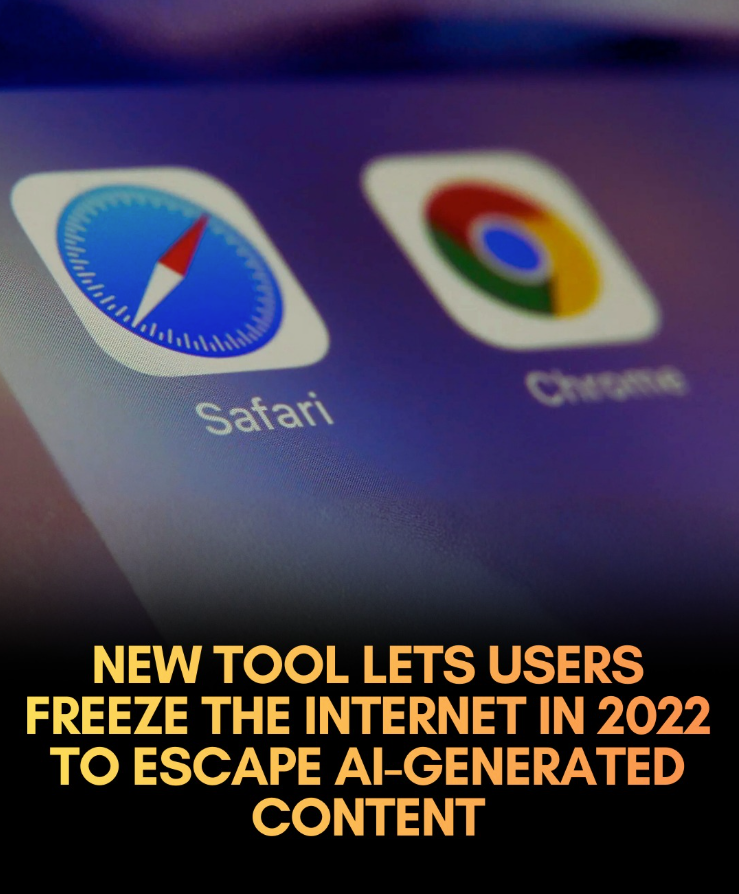
New browser tool lets users freeze the internet in 2022 to escape AI-generated content.
Say “goodbye” to “AI slop”.
A new browser extension called Slop Evader lets you surf the web as if AI never existed. Created by artist and researcher Tega Brain, it automatically filters Google search results to show only pages published before November 30, 2022—the day generative AI went mainstream.
The result is a quieter, more human internet: no AI-written listicles, no synthetic stock photos, no deepfake videos or bot-penned product reviews. Just the pre-2023 web, frozen in time.
Slop Evader (and similar tools like Kagi’s SlopStop) reflects a growing backlash against the flood of low-quality, machine-generated content that has overwhelmed search engines and social feeds.
Brain stresses that the extension isn’t meant to be a forever solution. Instead, it’s a deliberate act of protest—an easy way for everyday users to reject the creeping artificiality of today’s web and demand something better. You lose access to anything new, of course, but for many, the trade-off feels worth it: clarity over noise, authenticity over algorithm.
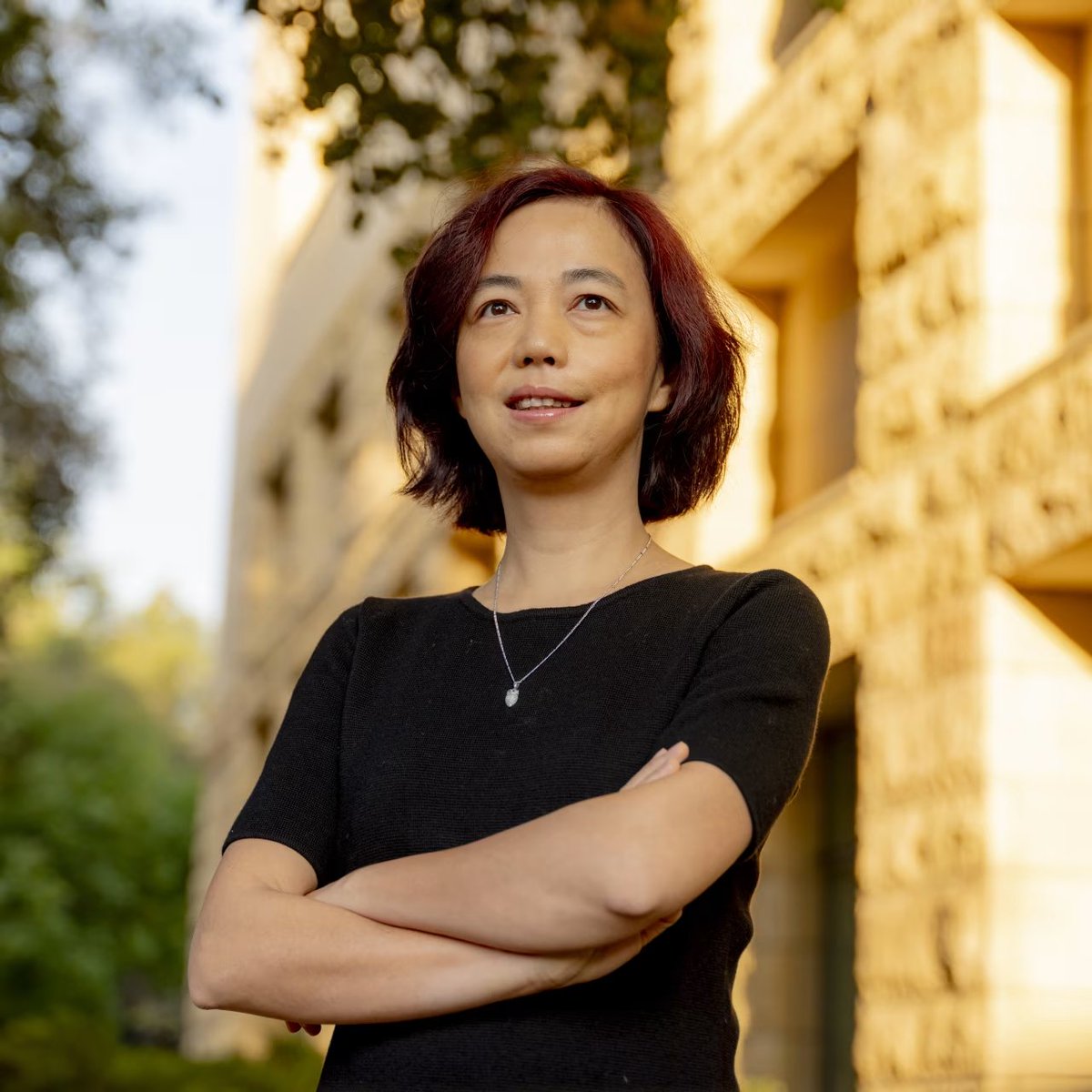
> born in beijing, moved to america at 16
> parents ran a dry-cleaning shop to survive
> studied physics at princeton with pure grit
> earned a phd at caltech in vision
> created imagenet, ignited the deep learning revolution
> led stanford’s ai lab with clarity
> founded ai4all to expand access
> pushed “human-centered ai” before anyone cared
> now building spatial intelligence at world labs
> driving embodied ai forward with behavior-1k
> avoids hype, stays grounded and focused
that's @drfeifei for you
Bouncing ball. 🏓
A phenomenal control system that makes it happen.
And I forgot what I was going to write next...
Too mesmerizing to watch.
Ahh... yes, so just amazing how this system reacts in real-time to the actual position of the ball and its properties. 🎾
P.S. BE HONEST, HOW MANY TIMES HAVE YOU WATCHED THAT?











![IlirAliu_'s tweet photo. The University of Michigan put their entire robotics degree on GitHub.
Not one course. The whole curriculum.
ROB 101 — Computational Linear Algebra for Robotics
ROB 311 — How to Build Robots and Make Them Move
ROB 501 — Mathematics for Robotics
ROB 530 — Mobile Robotics
Every lecture video on YouTube. Every textbook on GitHub. Every problem set, every exam, every line of code.
Professor Jessy Grizzle said it best when they launched it:
"Linear algebra has become the language of computer vision, machine learning, robotics, and autonomy."
So instead of making students wait four semesters of calculus before touching a robot... they built a curriculum that starts with the math that actually matters, applied to real robotics problems from day one.
This is what open education looks like when a top-10 engineering school decides to mean it.
Free. GitHub. YouTube.
📌 [https://t.co/3STu1hzAz2]
Follow for more robotics resources!
——
Weekly robotics and AI insights.
Subscribe free: https://t.co/9Nm01QUcw3](https://pbs.twimg.com/media/HQtqvpmXEAAXCw8.jpg)