In this episode of the OncoAlert Horizons Series, leading #BreastCancer experts Dr. Sibylle Loibl 🇩🇪and Dr. Rupert Bartsch 🇩🇪 discuss one of the most important topics in early breast cancer management today.
THE FULL CONVERSATION👇 https://t.co/8PH4rwXkFC
In this Clip, they discuss the lidERA trial
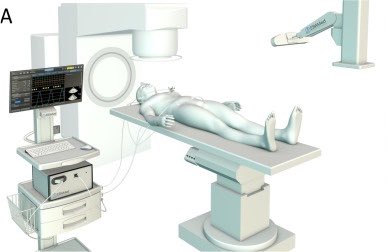
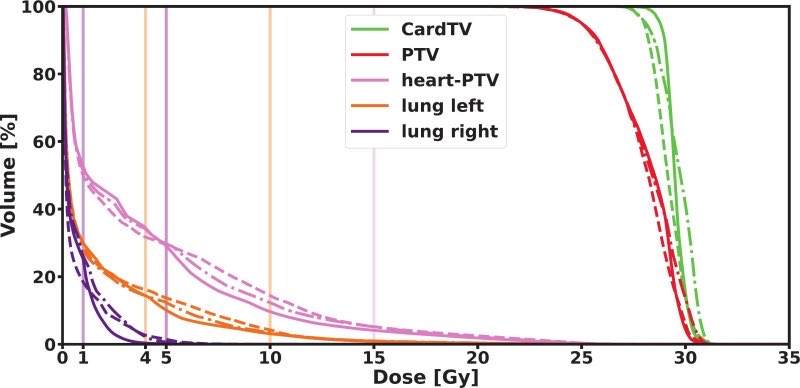
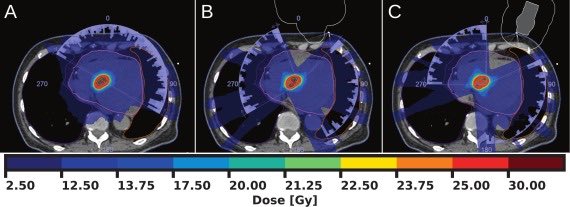
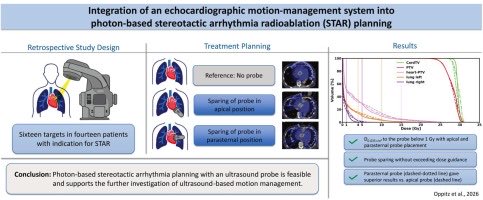
📌 Integration of an echocardiographic motion-management system into photon-based stereotactic arrhythmia radioablation planning
🔗 https://t.co/DqgnUJXGDE
@OncoAlert#OncoAlertAF@UniHeidelberg
Happy to share our latest research⚡️🫀
☢️ Photon-based #STAR planning with an ultrasound probe is feasible. 🔹D0.035 cm3 to the probe below 1 Gy with apical/ parasternal probe placement. 🔹No significant differences in target dose-volume metrics with spared probe. 🔹All dose guidance parameters within clinically acceptable limits. 🔹Results support further investigation of ultrasound-based motion management.
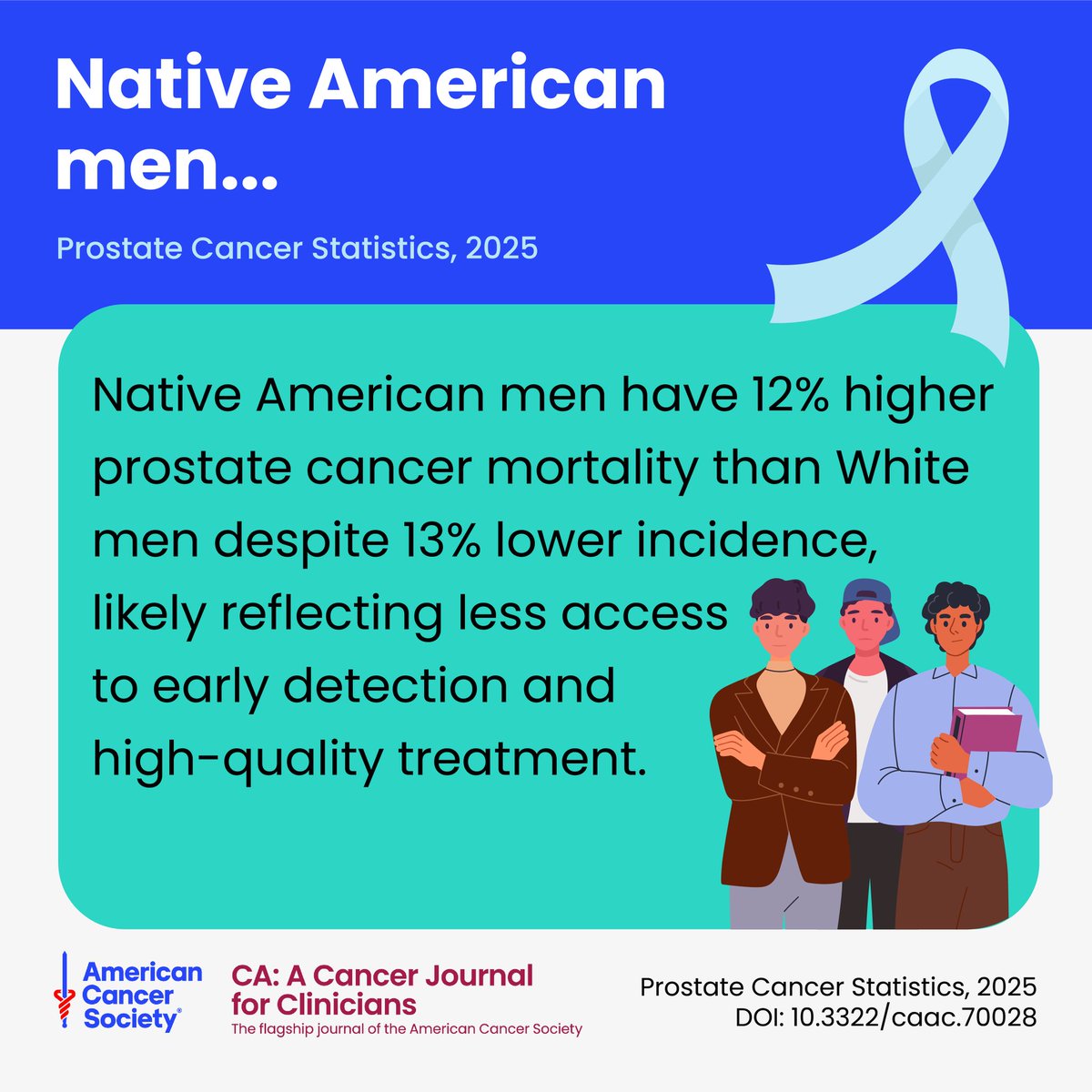
An @AmericanCancer report underscores the need for redoubled efforts to optimize early detection while limiting #ProstateCancer overdiagnosis and to address barriers to equitable outcomes, particularly for Native American men.
https://t.co/wSc82rgOaW
@OncoAlert#PCAM
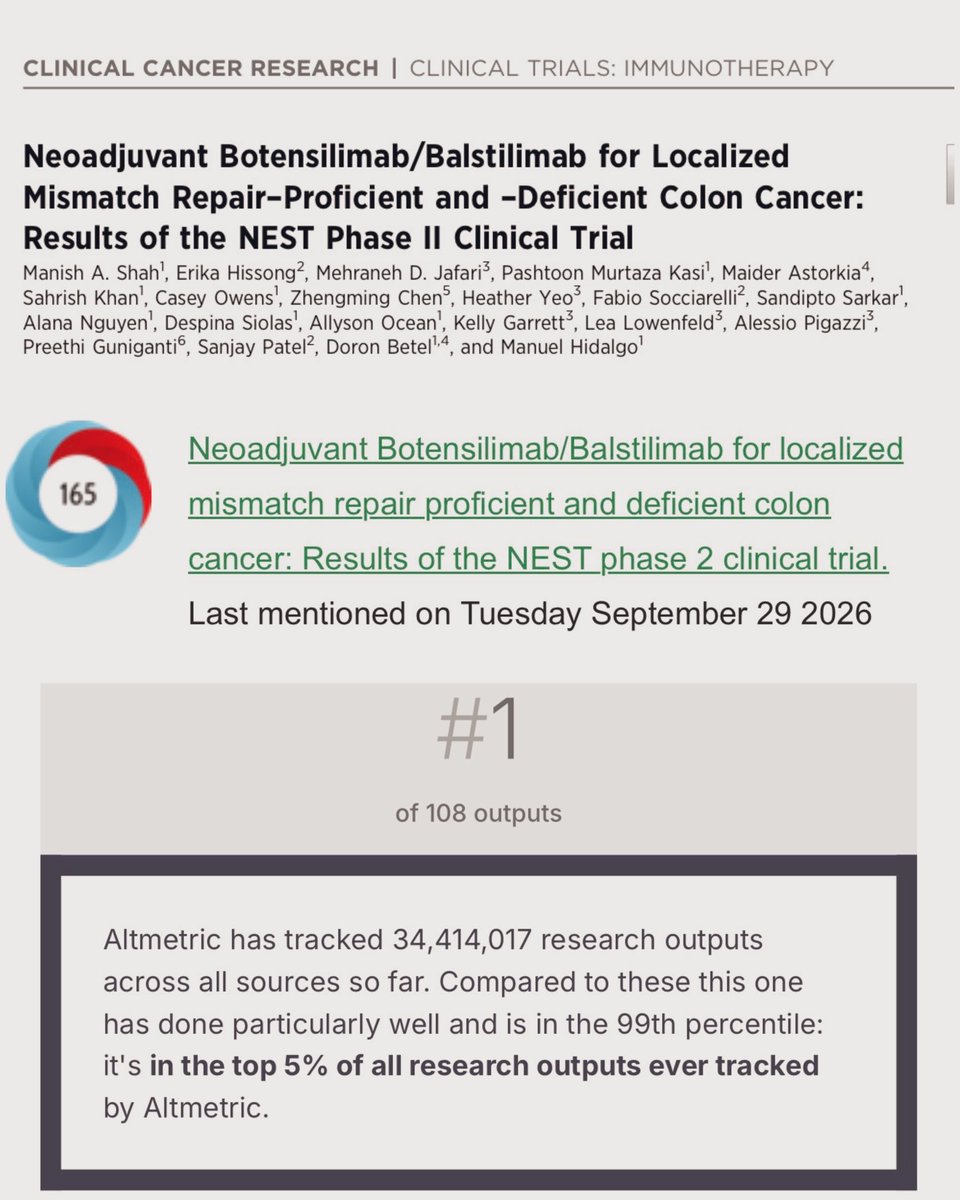
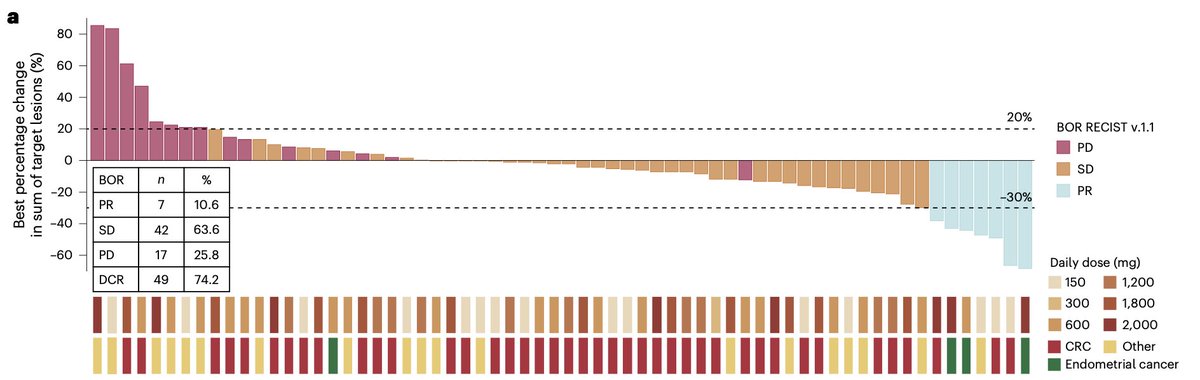
Full paper of my investigator initiated #NEST trial now available in print @CCR_AACR. Trending number 1 based on all the discussion and enthusiasm around neoadjuvant immunotherapy for patients with MSS colorectal cancer. New paradigm.
https://t.co/BPfr75Lvxm
@AACR@OncoAlert
Bajo el lema 50 años cambiando el significado del cáncer, #SEOM26 propone mirar al pasado para comprender la extraordinaria transformación experimentada por la Oncología Médica, analizar el presente y poner encima de la mesa como se prevé que va a evolucionar la especialidad.
▶️ Lo explica el Dr. @docjavip, coordinador científico del Congreso 👇🏻
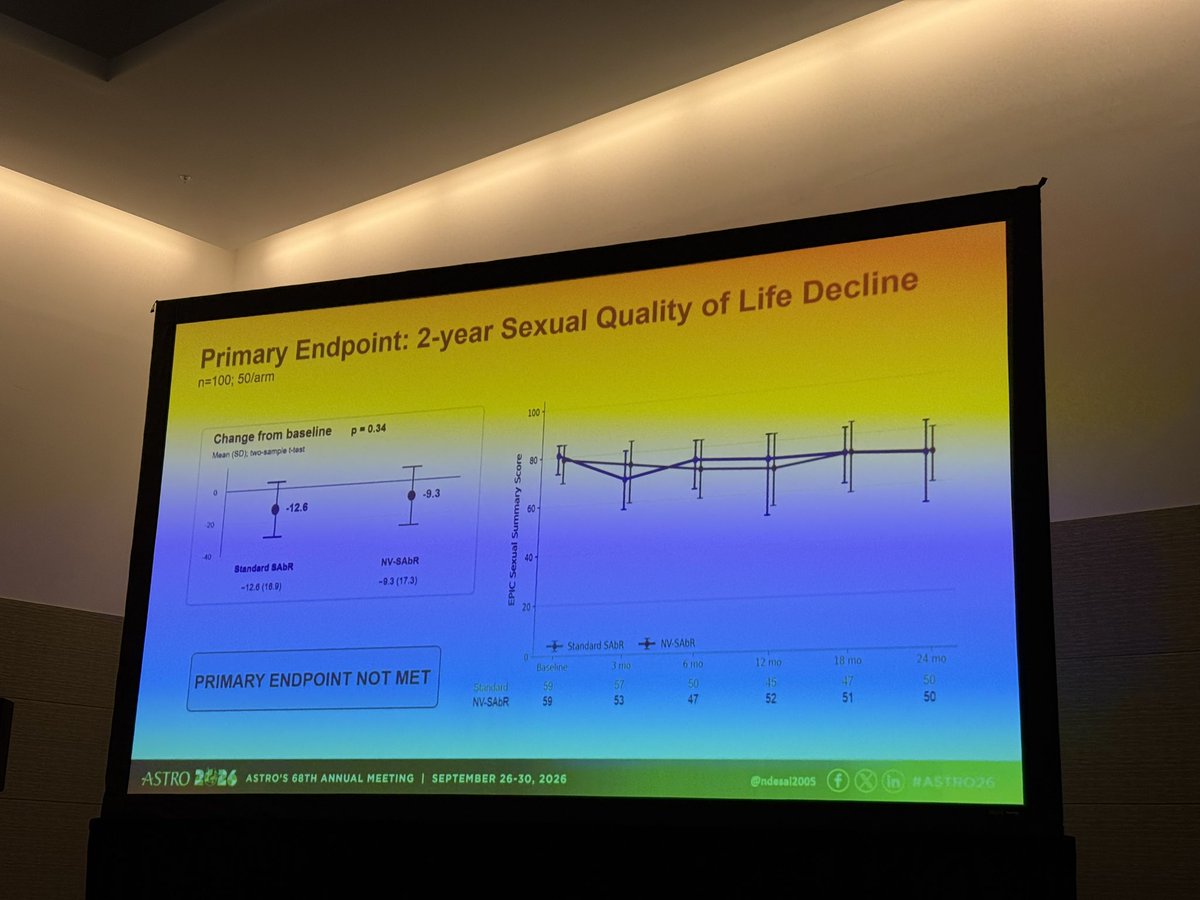
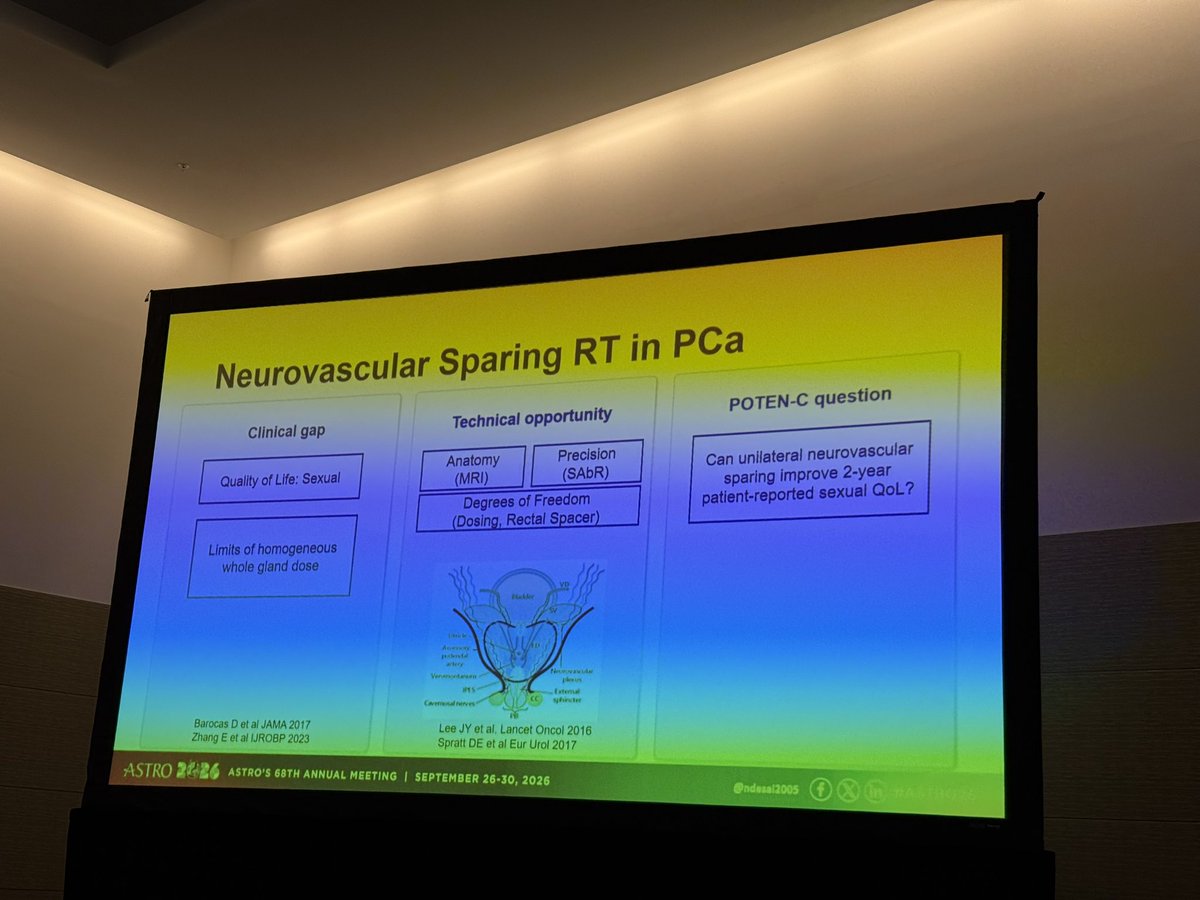
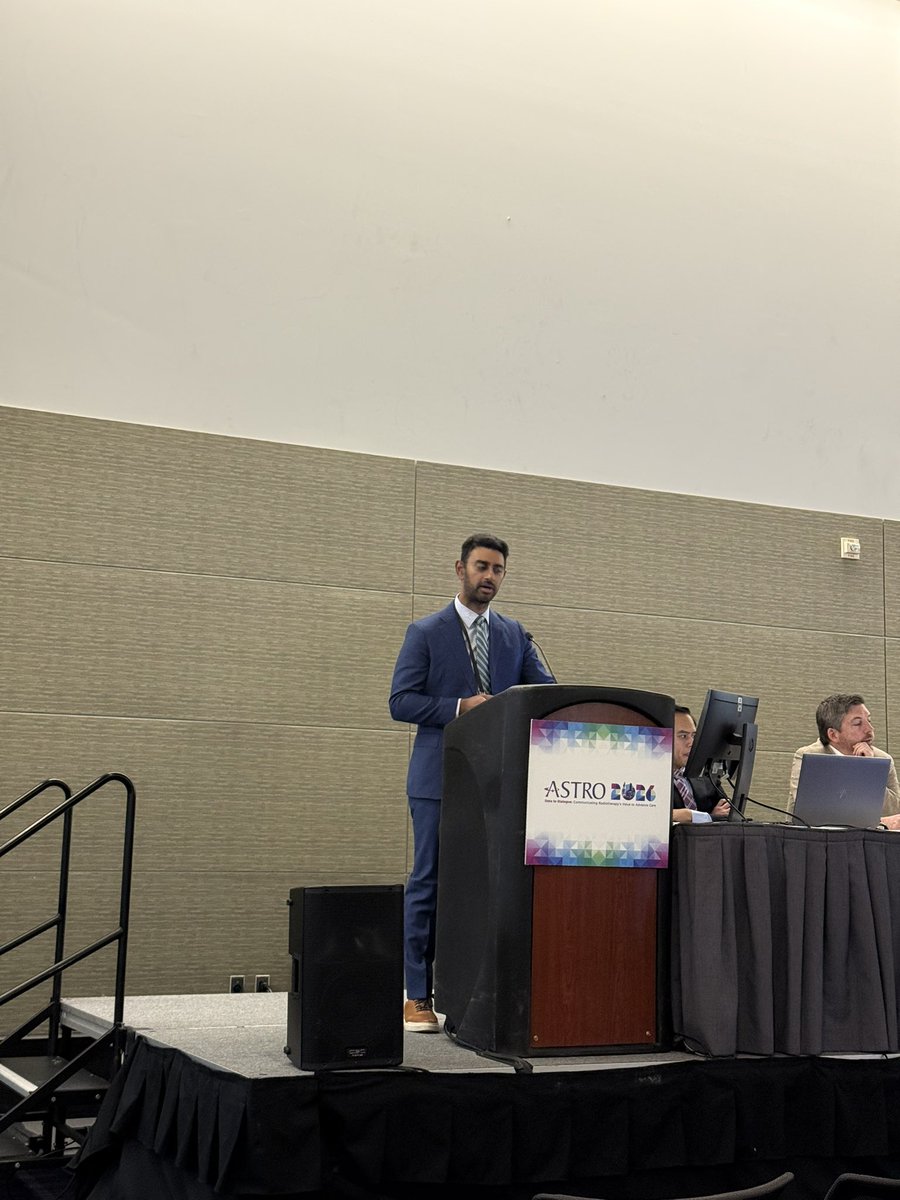
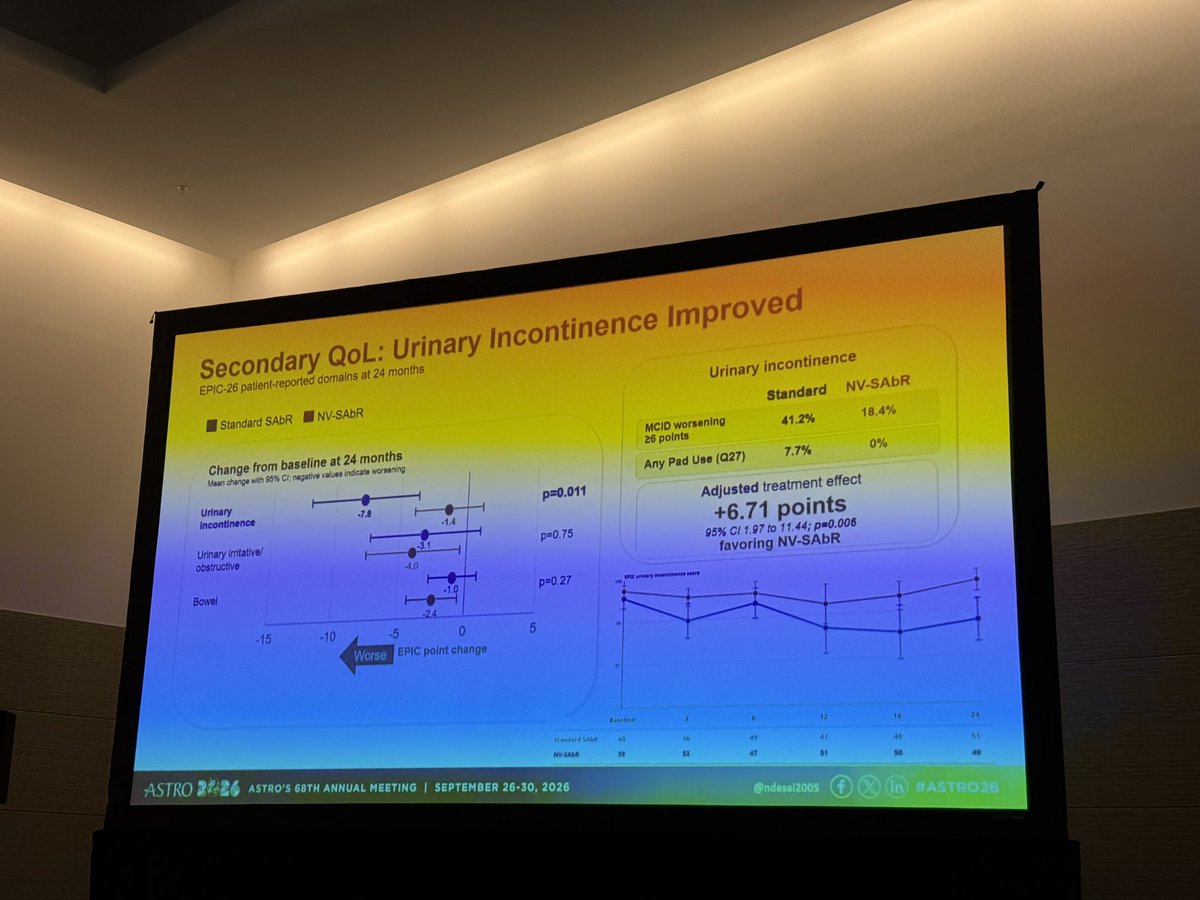
🧐nerve-sparing prostate RT?
@ndesai2005 presents Poten-C trial
Unilateral NVB sparing:
❌ did not improve sexual function (primary endpoint)
🤔 urinary function better w NVB sparing
@ASTRO_org#ASTRO26
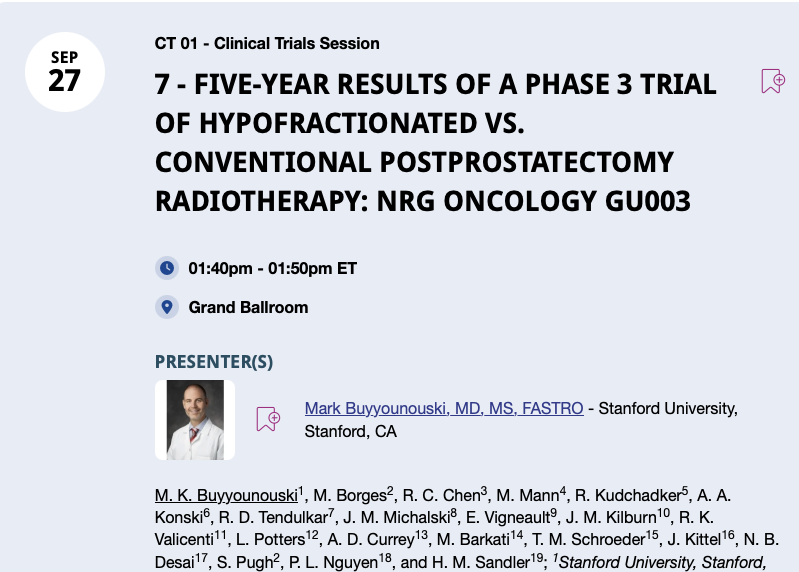
25 fractions ☢️ or 37 — does shorter postprostatectomy RT come with a meaningful toxicity trade-off?
FIVE-YEAR RESULTS OF A PHASE 3 TRIAL OF HYPOFRACTIONATED 🆚 CONVENTIONAL POSTPROSTATECTOMY RADIOTHERAPY: NRG ONCOLOGY GU003
5️⃣ year results from a randomized trial comparing hypofractionated (HYPORT) versus conventionally fractionated postprostatectomy radiotherapy☢️ (COPORT) show similar patient-reported urinary, bowel, and quality-of-life outcomes, with comparable biochemical control.
➡️HYPORT reduced treatment from 37 to 25 fractions but was associated with more grade 3 genitourinary toxicity, particularly cystitis and hematuria.
➡️Despite this increase, no grade 4–5 radiation-related events occurred, supporting HYPORT as an effective and practical postprostatectomy radiotherapy approach. #ProstateCancer
@jmmrad, @RonaldChenMD, @RTendulkarMD, @ndesai2005, @DrPaulNguyen, @DrHowardSandler@RahulTendulkar@PottersMD@TSchroedee@OncoAlert 🚨 #LPCCC27
@Silke_Gillessen@AOmlin@ProfKHerrmann@weoncologists
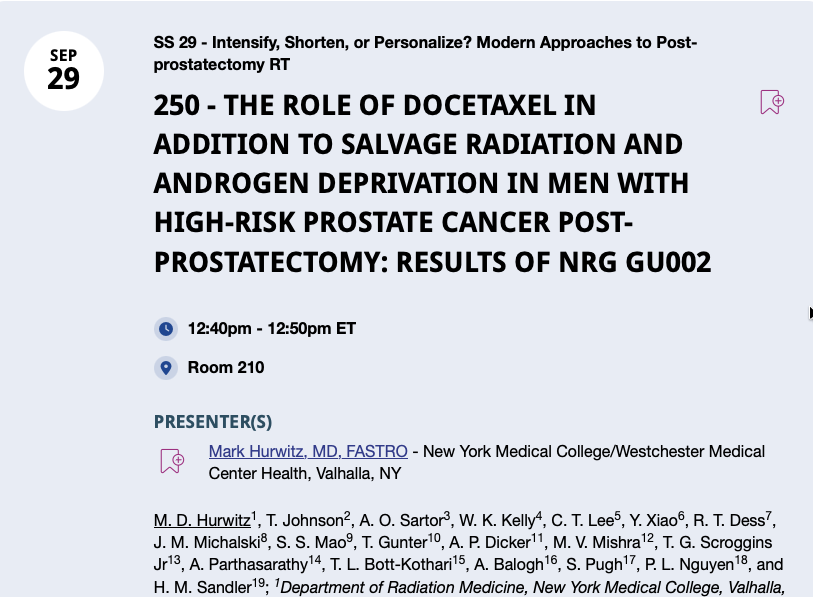
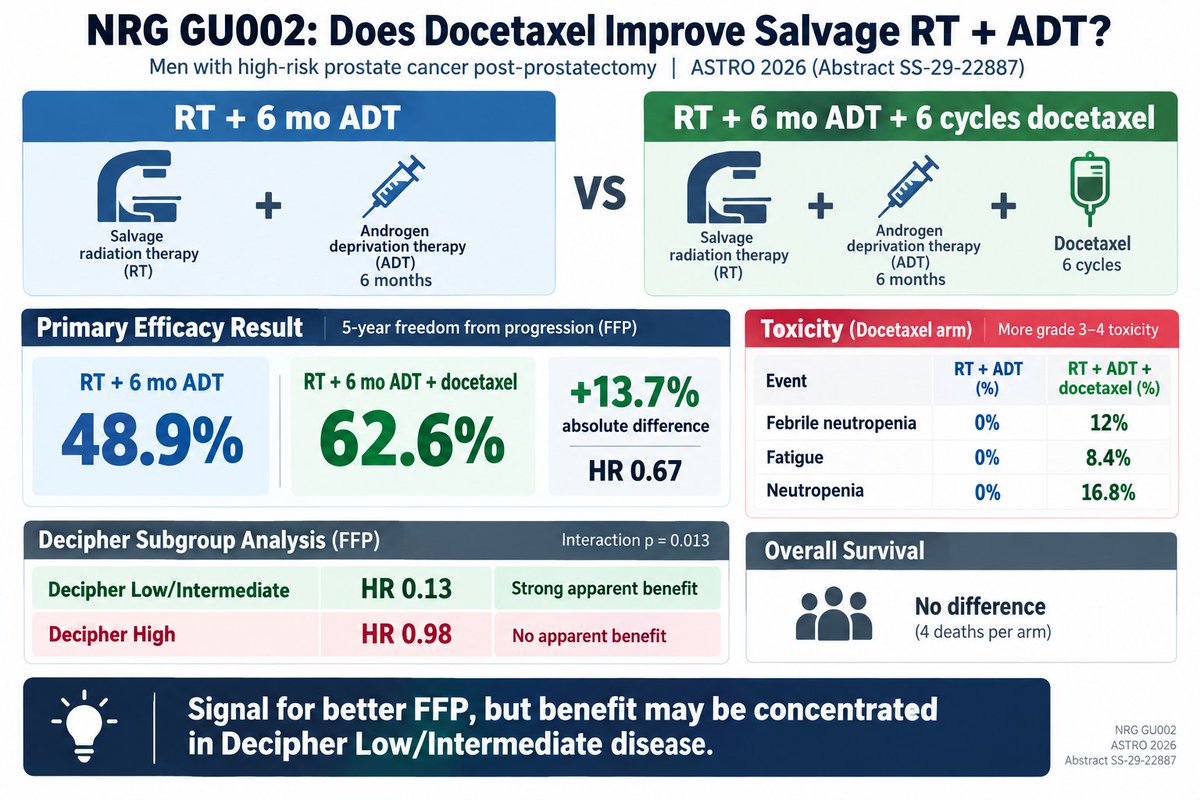
🚨 Docetaxel after prostatectomy for persistent PSA? NRG GU002 suggests a benefit, but not where you'd expect: the signal was in Decipher LOW/intermediate risk, not high risk. How would you interpret this? 👇
THE ROLE OF DOCETAXEL IN ADDITION TO SALVAGE RADIATION AND ANDROGEN DEPRIVATION IN MEN WITH HIGH-RISK PROSTATE CANCER POST-PROSTATECTOMY: RESULTS OF NRG GU002
#ASTRO26 NRG GU002 randomized 165 men whose PSA failed to nadir ≤0.2 ng/mL after prostatectomy to salvage RT + 6 months ADT, with or without 6 cycles of docetaxel.
➡️The phase II closed early for slow accrual. 5-year freedom from progression: 62.6% vs 48.9% (HR 0.67, one-sided p=0.092).
➡️Locoregional failure improved (HR 0.33); no OS difference. Surprisingly, benefit was concentrated in Decipher low/intermediate-risk patients. More grade 3–4 neutropenia with docetaxel. #ProstateCancer
@mdhurwitzmd, @sartor_oliver, @rtdess, @jmmrad, @APDicker, @MarkMishraMD, @tbottkothari, @DrPaulNguyen, @DrHowardSandler
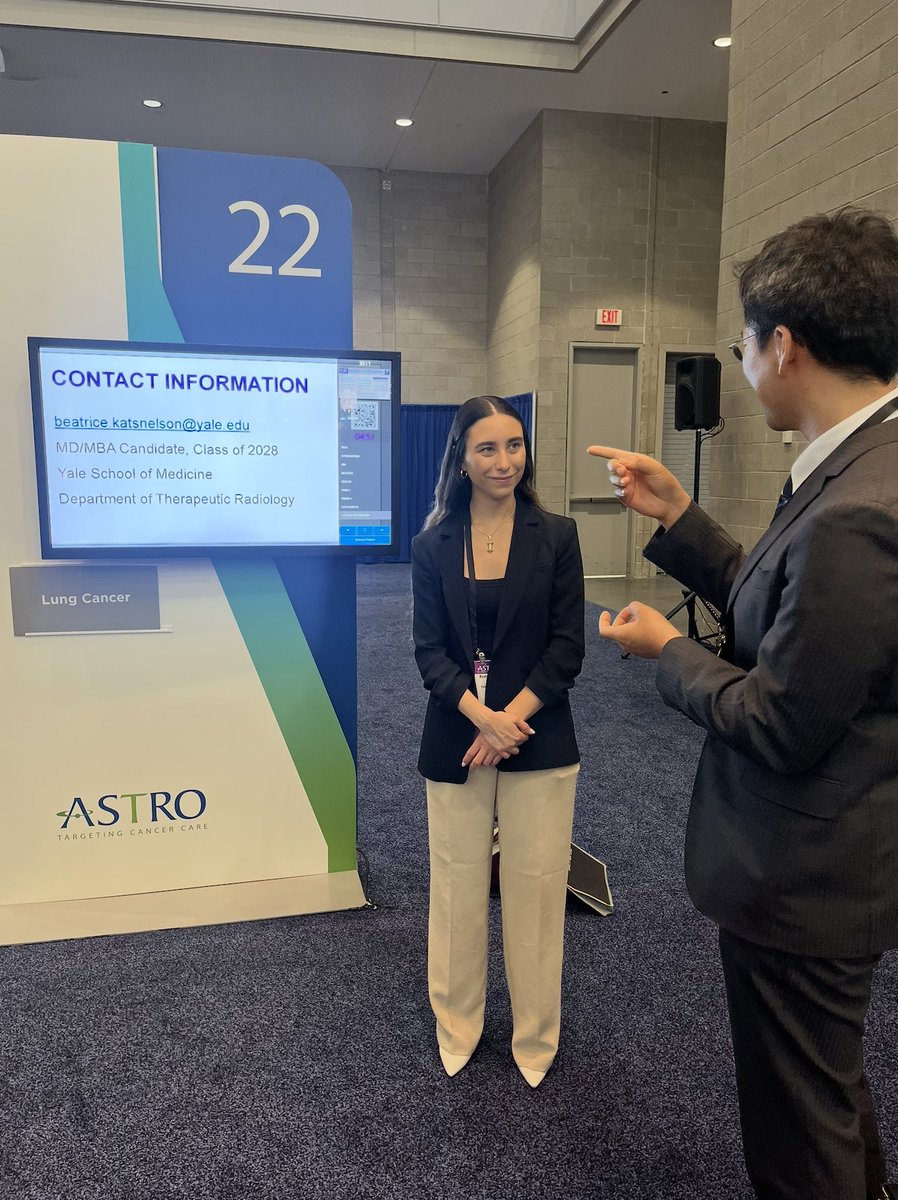
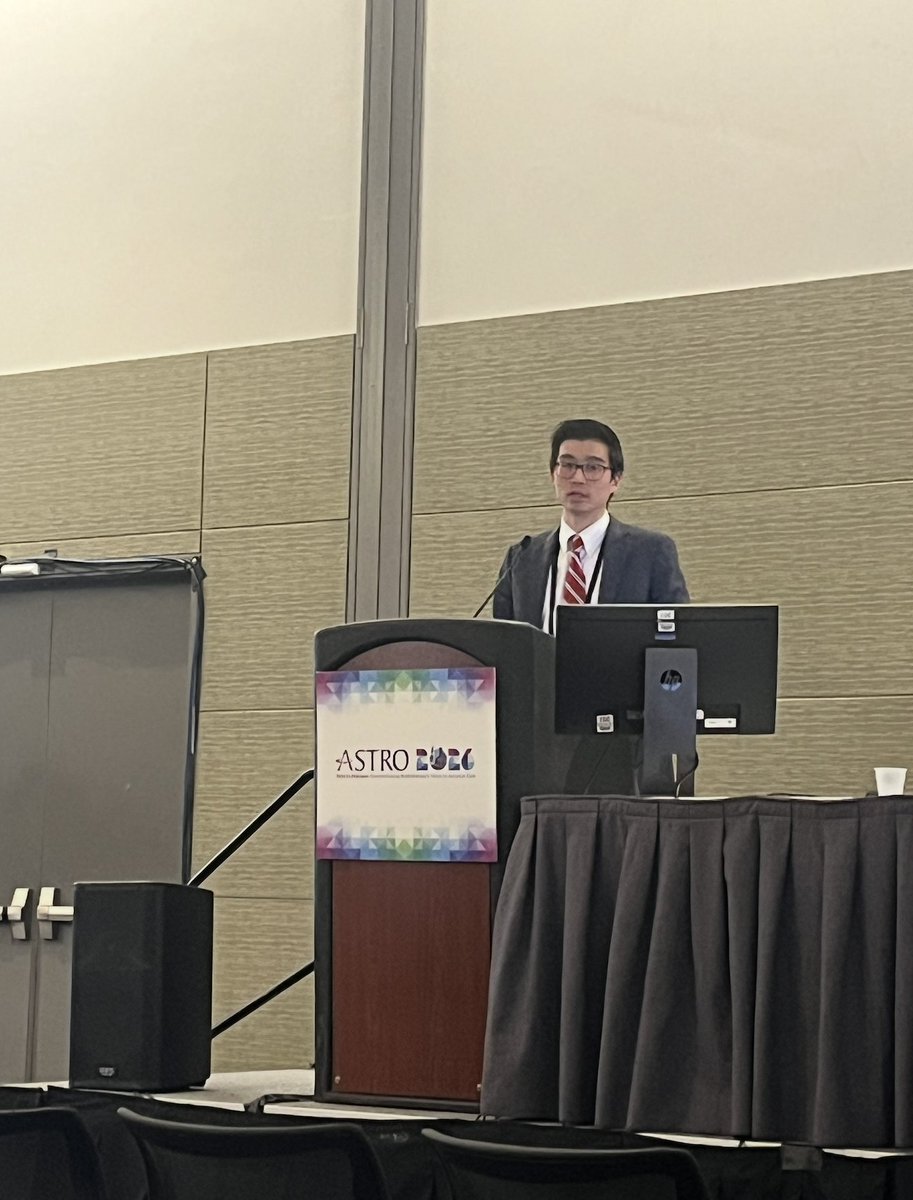
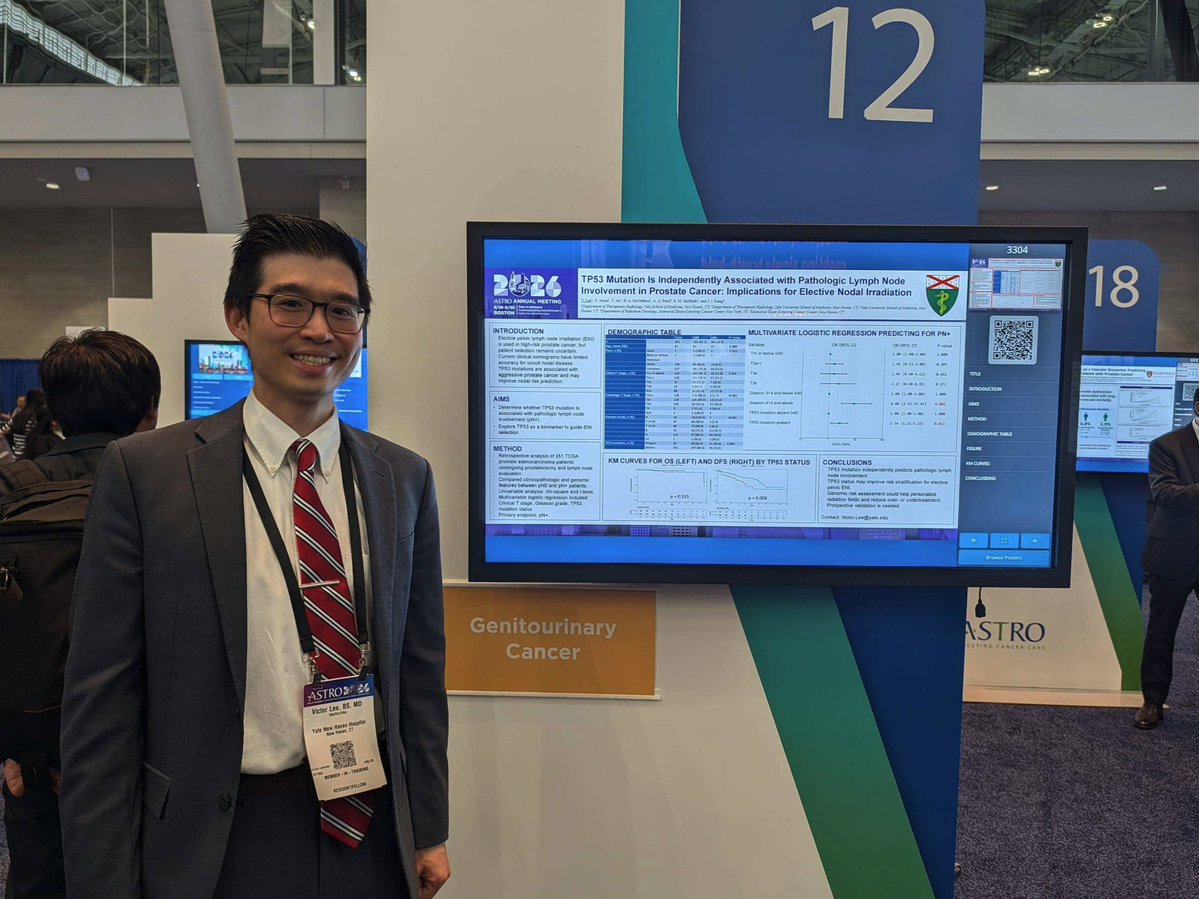
Using the Cancer Genome Atlas, @VictorLeeYSM shares that patients with #prostatecancer with TP53 mutations had higher pathologic lymph node involvement (31.8% vs. 13.3%). Noting that incorporating TP53 mutational status into risk stratification models could improve patient selection for elective nodal irradiation. #ASTRO26 @ASTRO_org@YaleRadOnc@OncoAlert@SmilowCancer
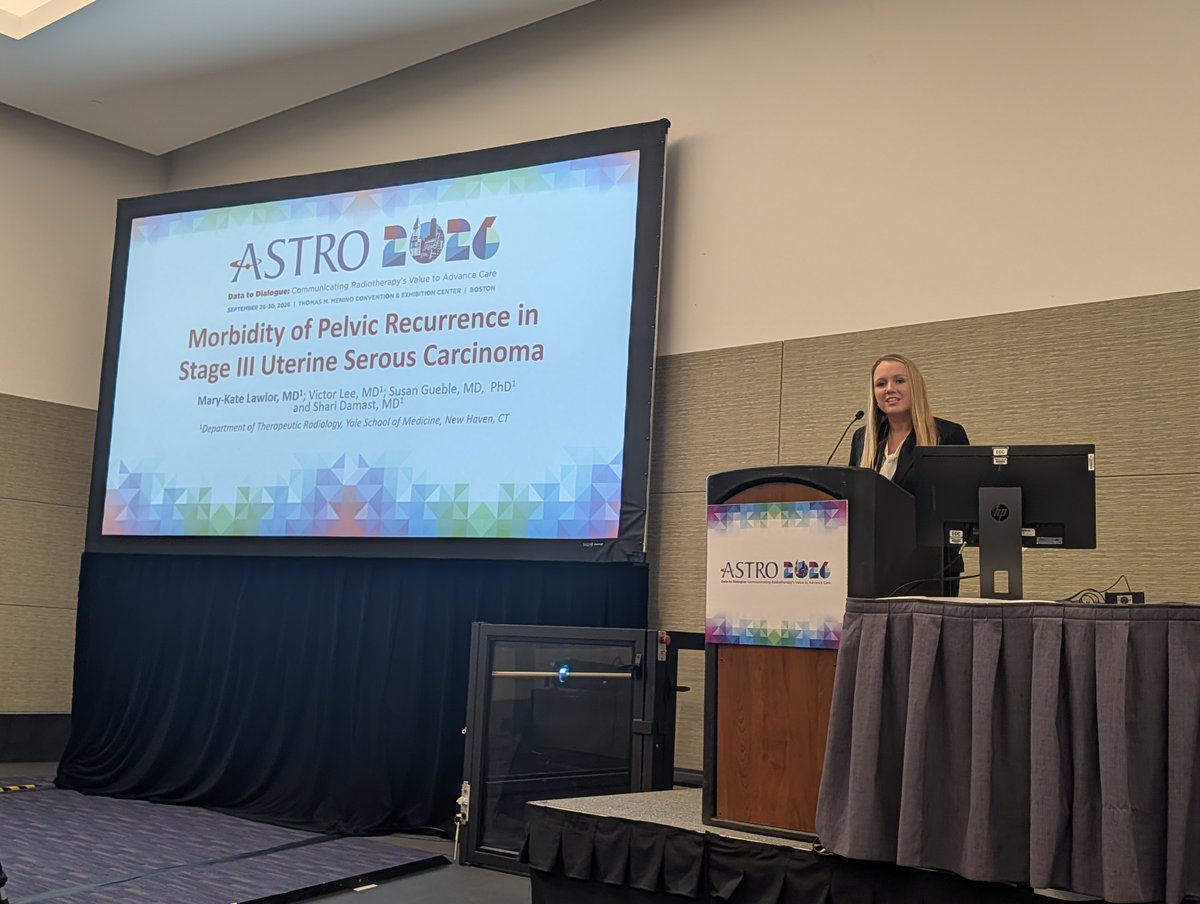
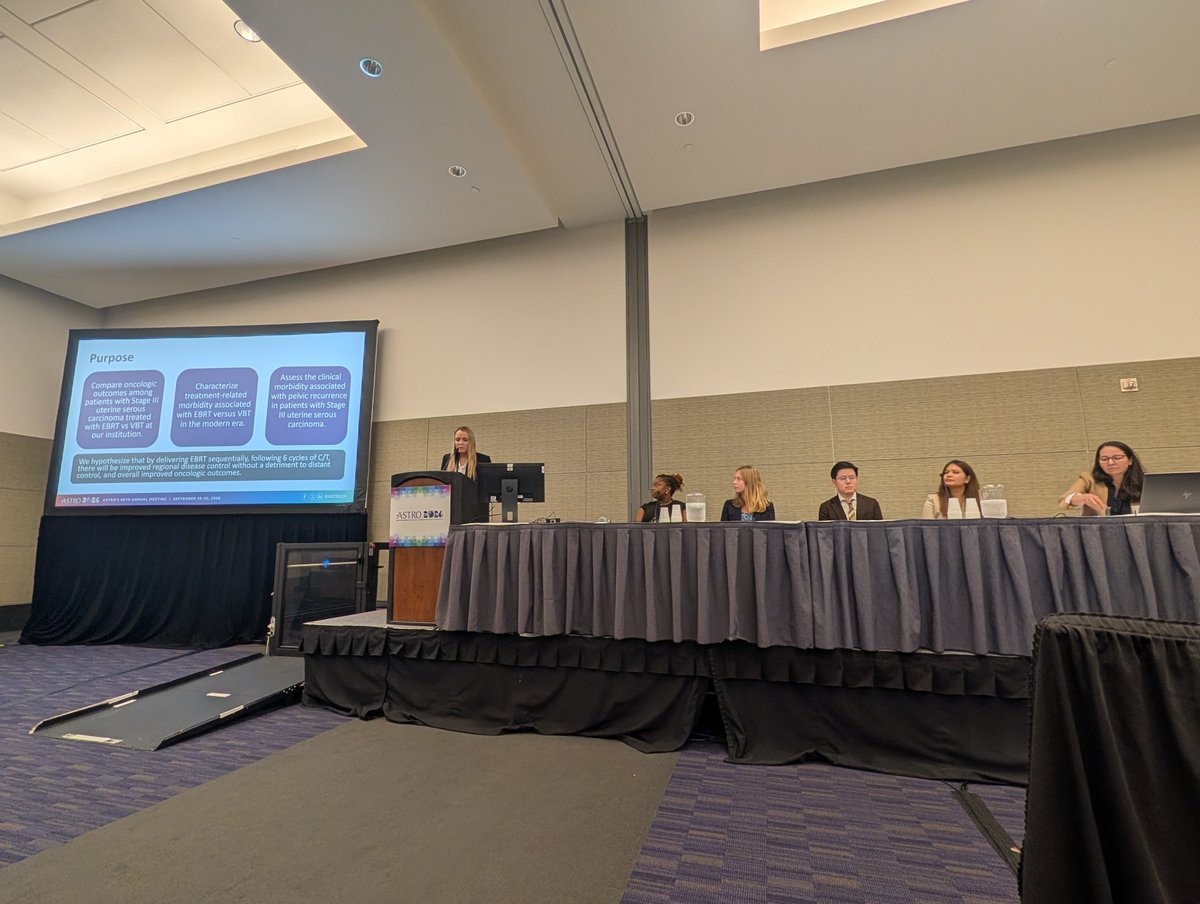
.@MaryKateLawlor presents new data #ASTRO26 showing in 81 patients with stage III uterine serous carcinoma, external beam radiotherapy (EBRT) significantly improved pelvic control and overall survival versus vaginal brachytherapy alone (4-year OS 87% vs. 55%) without increased toxicity, supporting routine EBRT consideration for these patients. @YaleRadOnc@ASTRO_org@SmilowCancer@OncoAlert
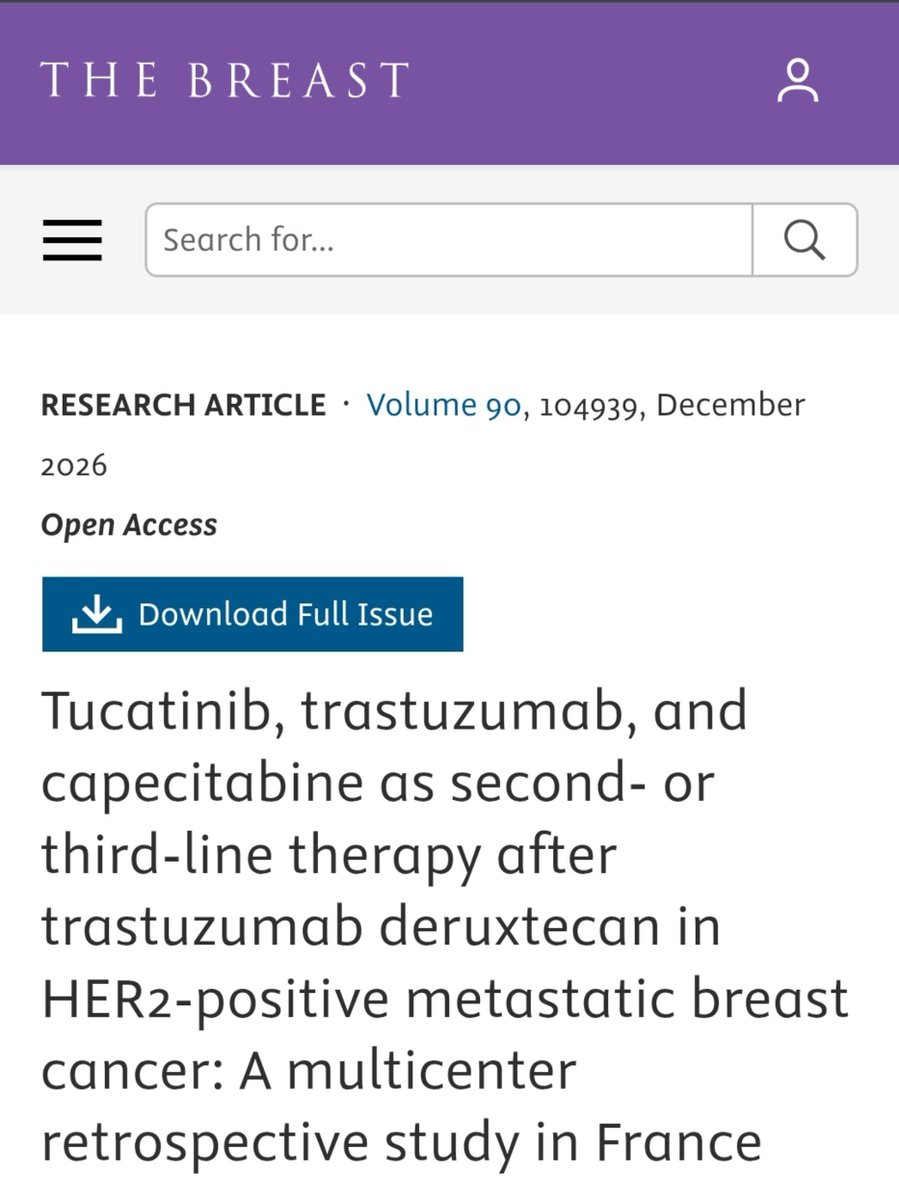
Tucatinib + trastuzumab + capecitabine after T-DXd in HER2+ MBC.
In this French real world cohort (n=105), TTC showed:
PFS 4.7 months | TTNT 6.6 months | ORR 29.6%
https://t.co/zY342PqZff
@OncoAlert#BreastCancer#bcsm
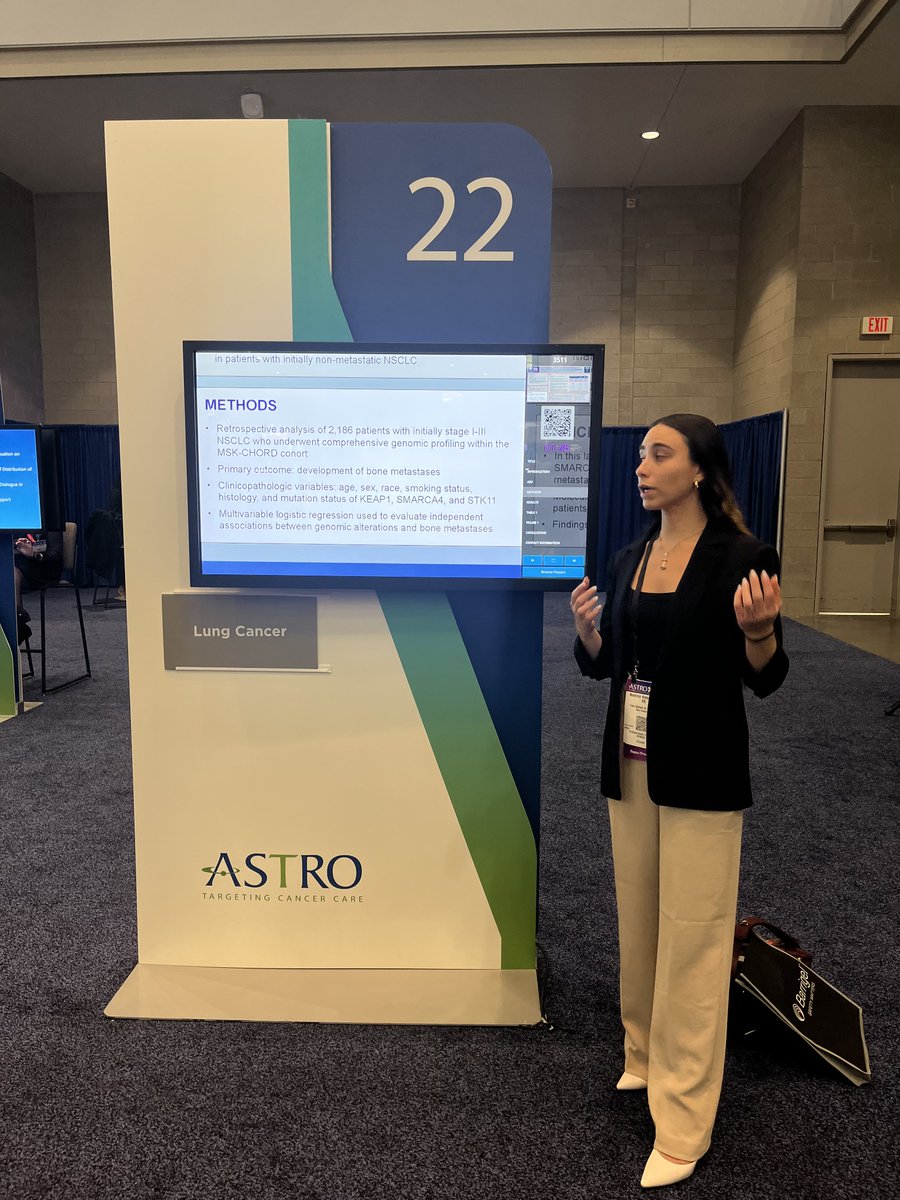
.@VictorLeeYSM@YaleRadOnc presents an analysis of patients with stage I–III #breastcancer through MSK-CHORD #ASTRO26 showing TP53 mutations were associated with development of brain mets. Suggesting TP53 mutational status may enhance risk stratification, potentially guiding earlier CNS screening and more targeted treatment approaches. @ASTRO_org@OncoAlert@SmilowCancer
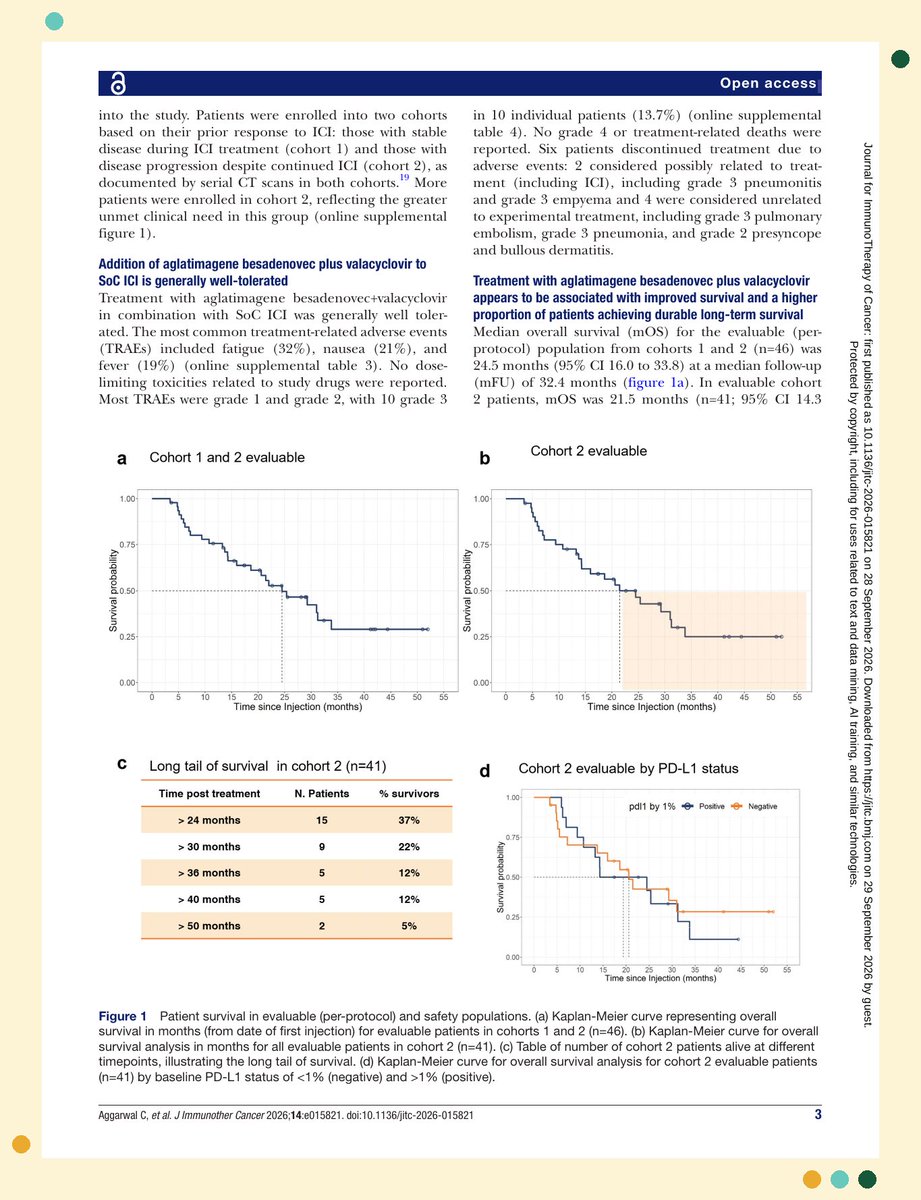
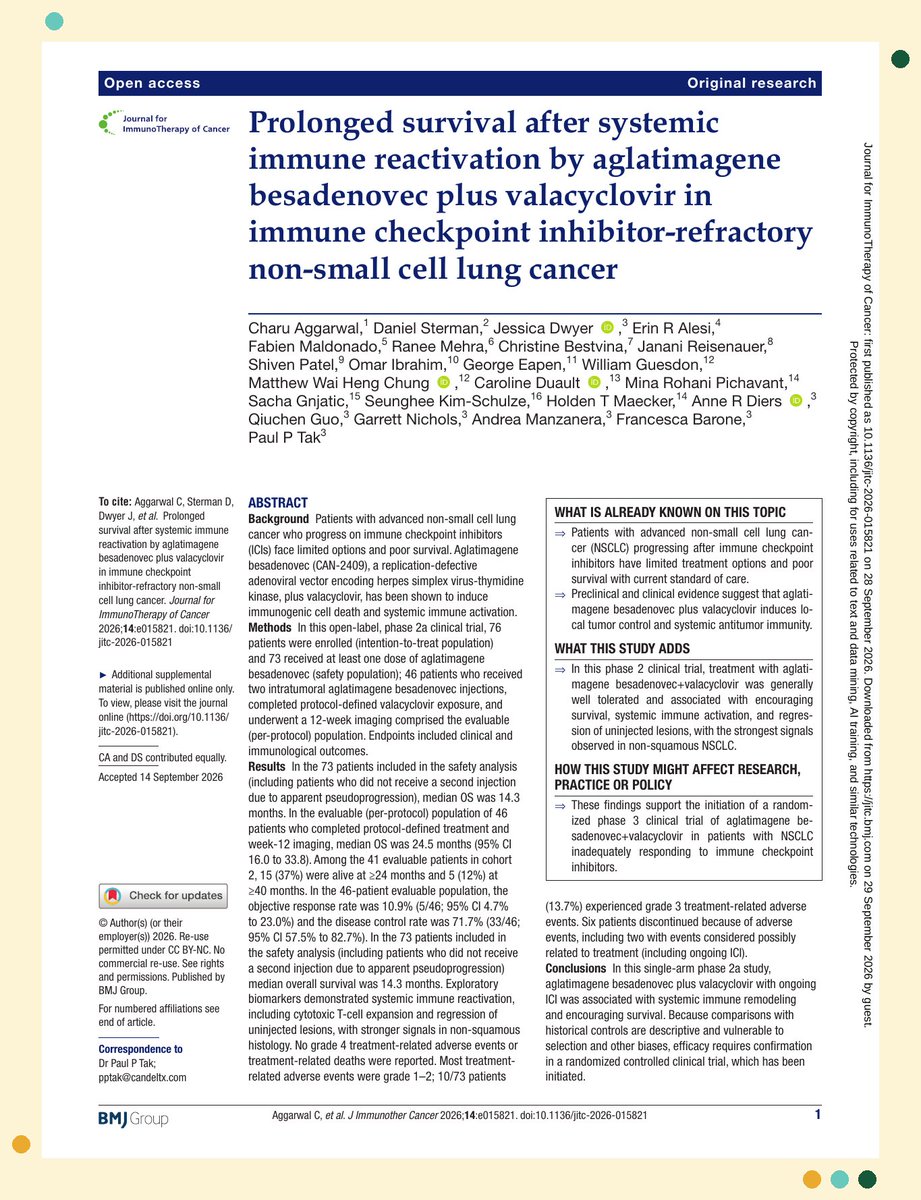
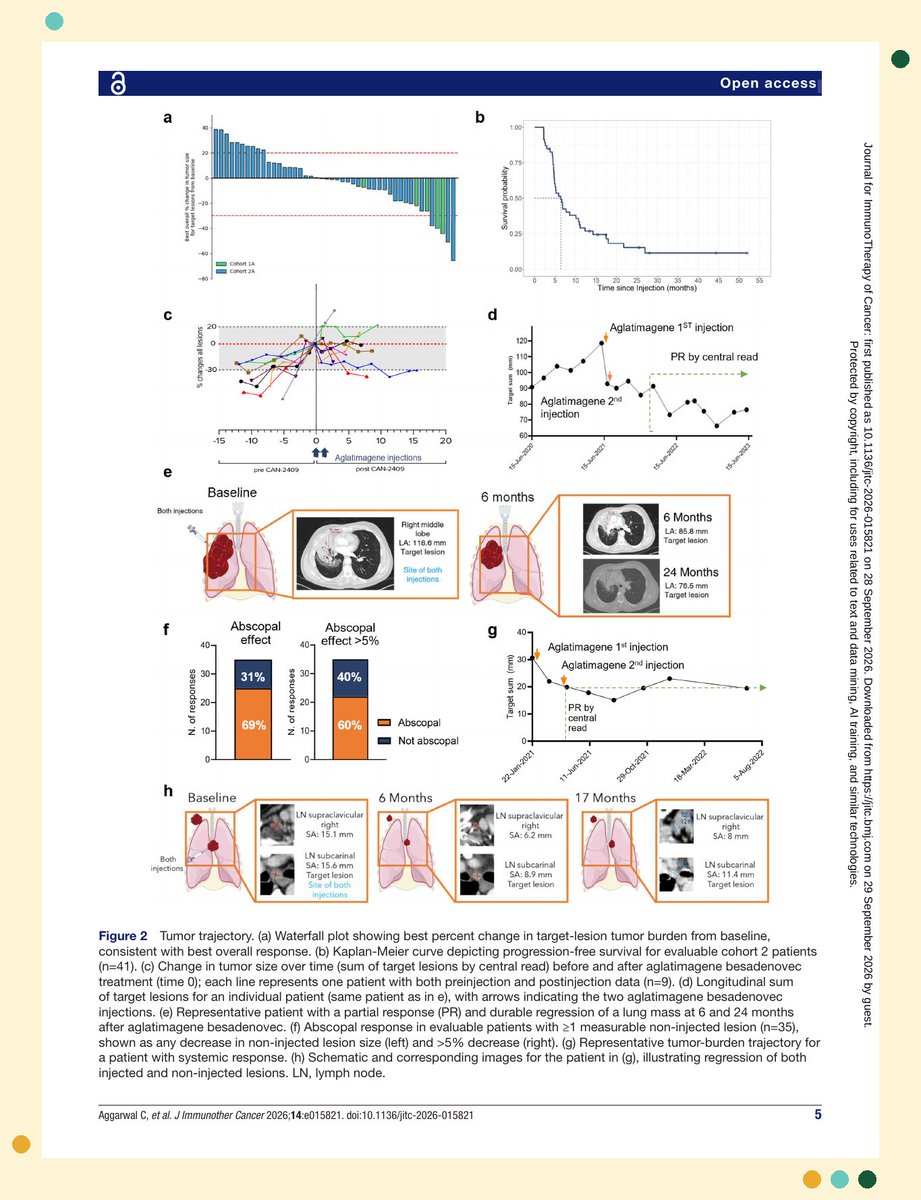
24.5-month median OS in ICI-refractory NSCLC with an oncolytic virus.
CAN-2409 + valacyclovir by @CharuAggarwalMD@StermanDaniel Paul Tak on @jitcancer.
Take: ORR 10.9%, DCR 71.7%; mOS 24.5 mo per-protocol (14.3 mo safety population, n=73).
Activity post-PD1 disease, but logistically intratumoral therapy does not reach most patients.
Any ideas to make intratumoral therapies more feasible? @OncoAlert
#LCSM #thoraciconcology
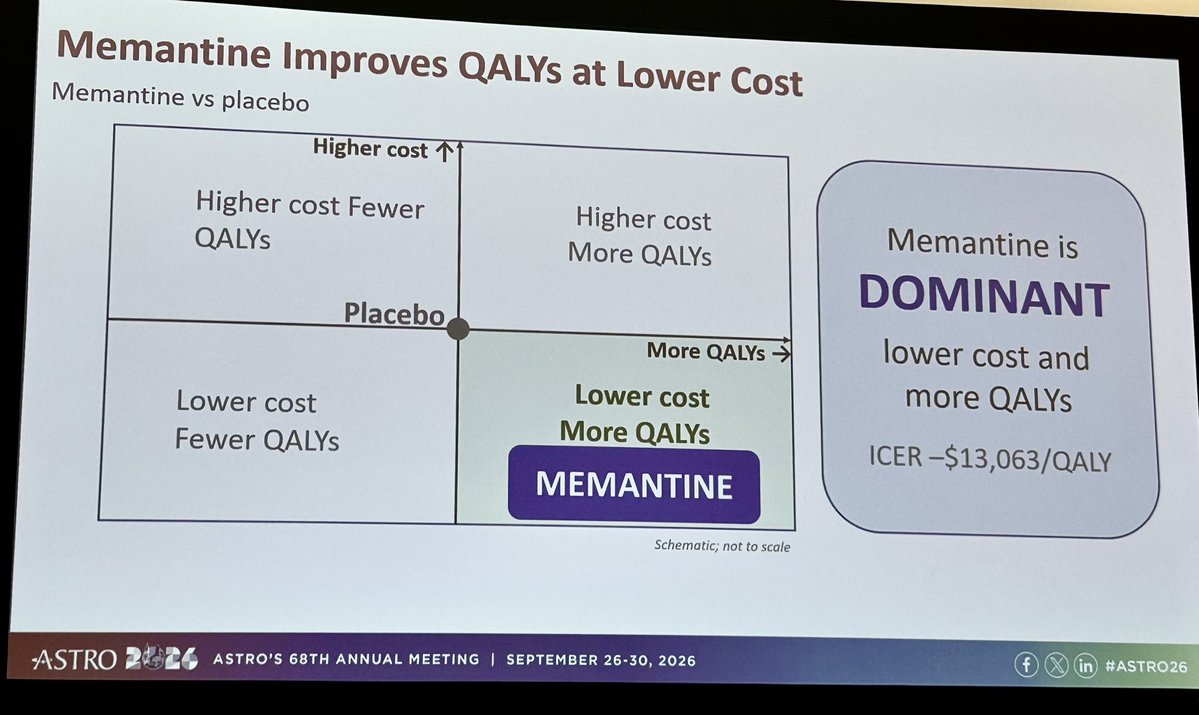
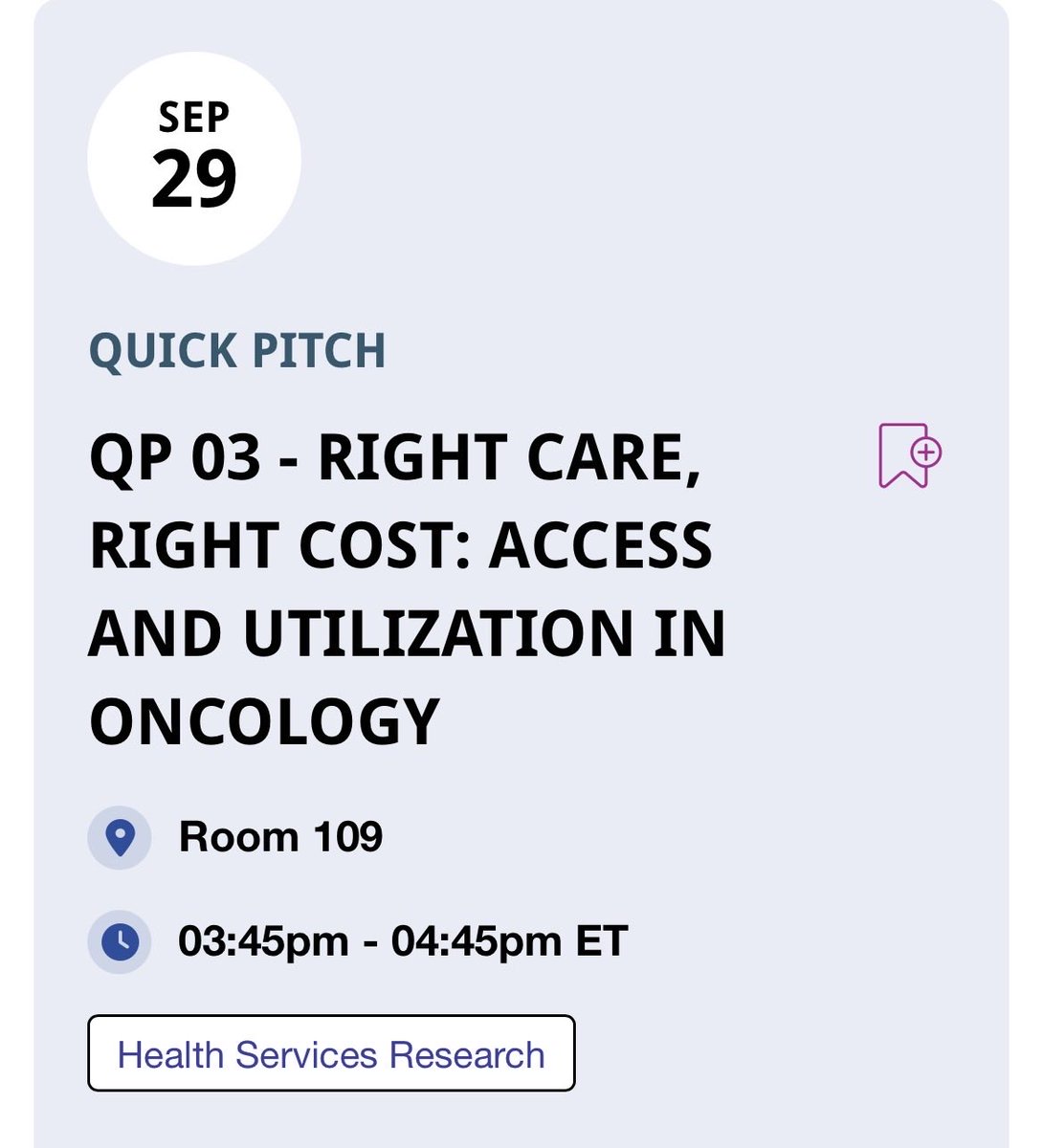
Happening right now!
RIGHT CARE, RIGHT COST: ACCESS AND UTILIZATION IN ONCOLOGY
#ASTRO26
Tuesday, 3:45-4:45pm
Room 109
✅✅✅Cost effective analysis, RVU changes, and payer driven utilization variability.