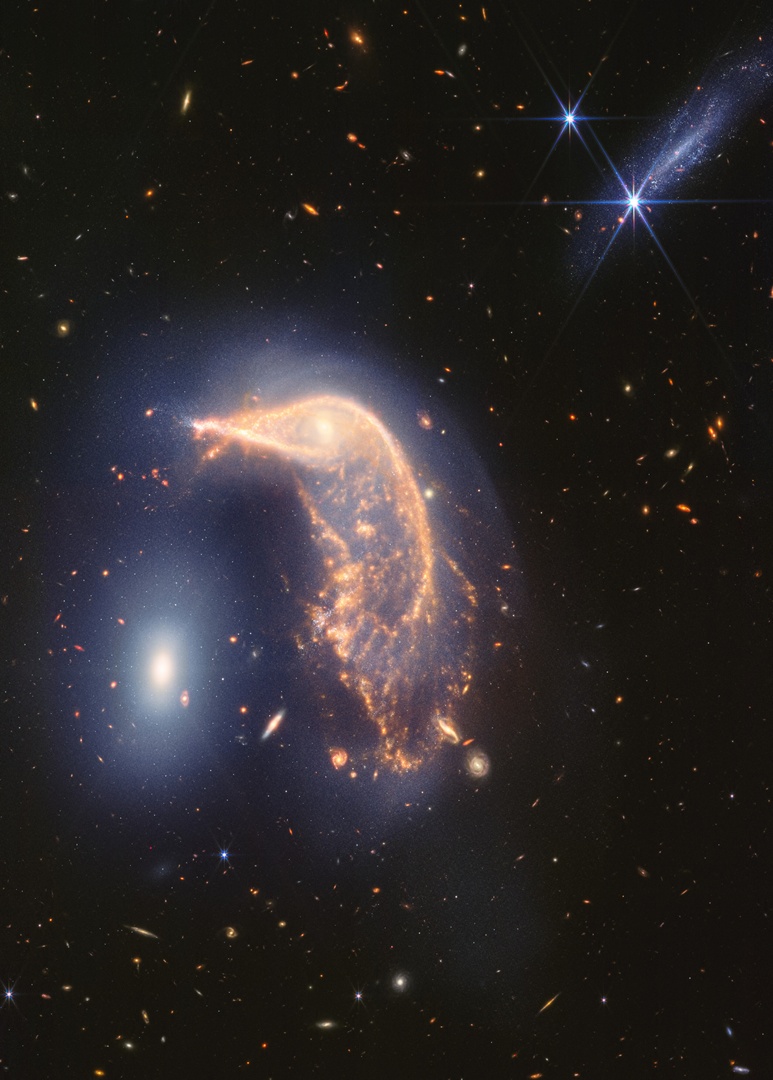
🆕 A penguin portrait to mark Webb’s second science anniversary! 🎉
This duo of interacting galaxies – the Penguin and the Egg 🐧🥚 – are locked in a cosmic dance, and will merge into a single galaxy over hundreds of millions of years. 1/4
Read more: https://t.co/6Hdp5saNIM 👇
Gaia spots Milky Way's most massive black hole of stellar origin! It's 33 solar masses, dormant, 2nd closest to Earth at ~2000 light years away, part of a wide binary with an old giant star, with estimated age of 11 Gyr: https://t.co/m26bbmpyFO #GaiaBH3 https://t.co/AllbZqVjQY
🆕 Spiral galaxies galore! Webb has snapped portraits of 19 spiral galaxies, showing stars, gas, and dust on the smallest scales ever seen beyond our own galaxy ⭐. Read more: https://t.co/3UG784pIc1 or 🧵👇
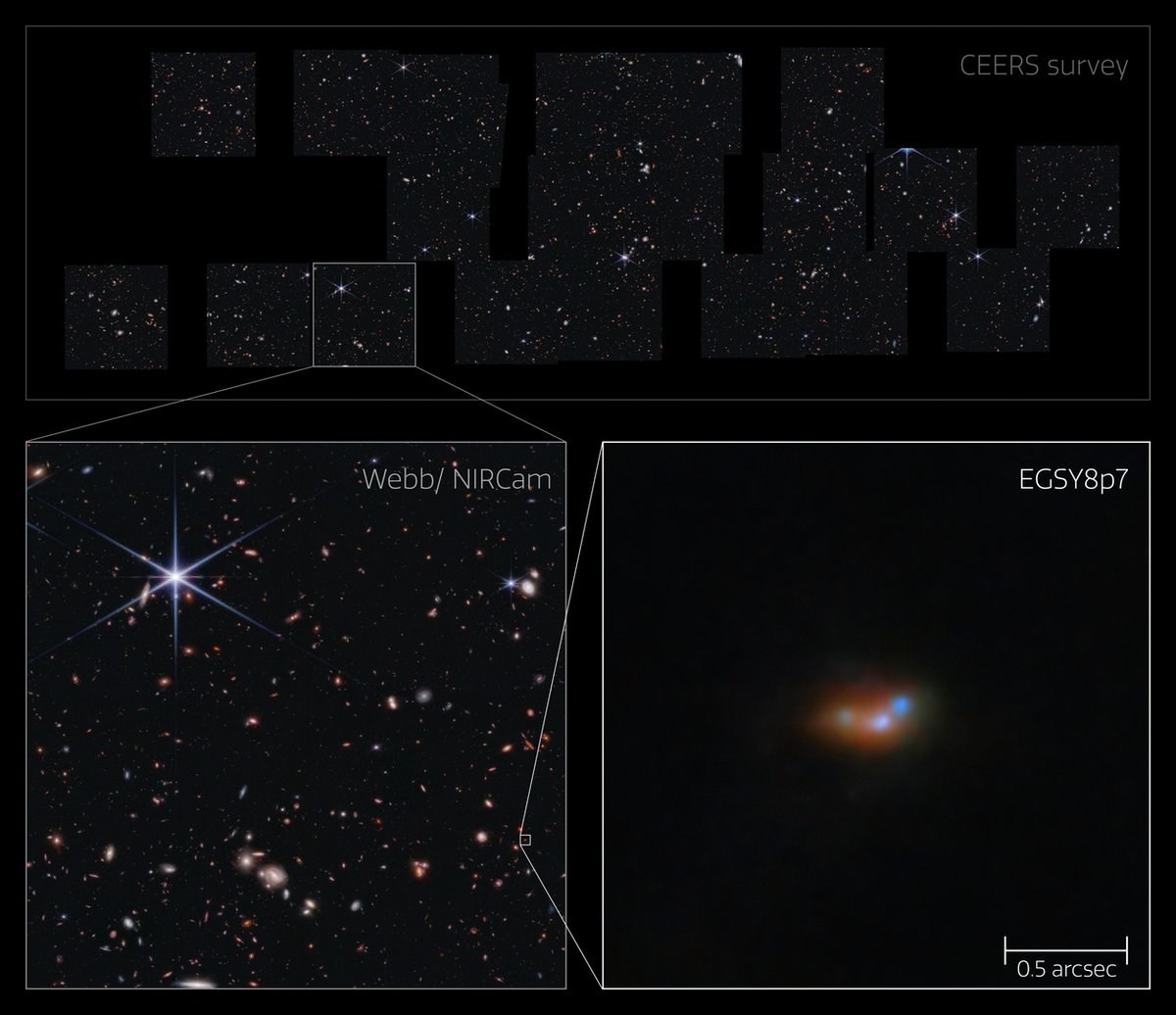
Wow, so if you want your mind blown today, this is an image from the Webb telescope of 3 interacting galaxies at redshift great than 7 (i.e. what was happening 13 billion years ago)!
https://t.co/03dd3cVgrN
#astronomy#webb#ESASky
🤩Who would have thought the edge of darkness would be so dazzling?
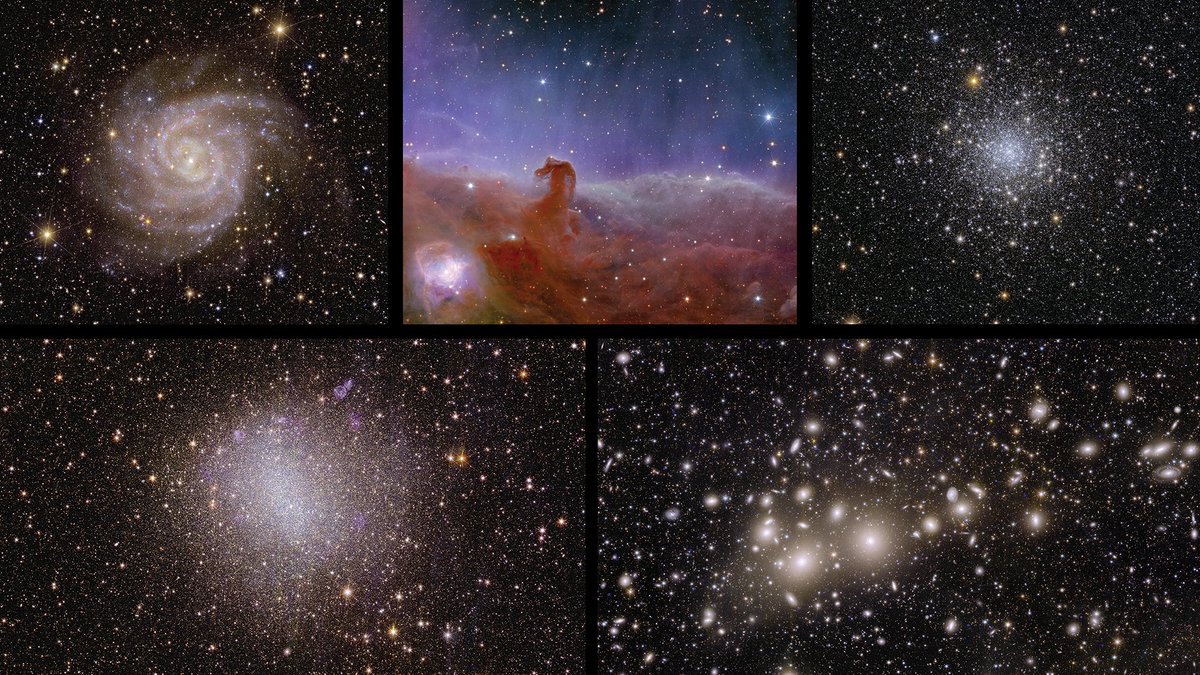
🥁Introducing the first images from @ESA_Euclid!
5⃣ razor-sharp, wide & deep images that show Euclid is ready to uncover the secrets of the Universe.
https://t.co/XiwHfgtxIK and 🧵 👇
Want to zoom in and explore these #ESAEuclid images? You can do in #ESASky! Here are the links:
Perseus 👉 https://t.co/4EVaHYkq5W
Horsehead Nebula 👉 https://t.co/soeKJupQld
NGC 6822 👉 https://t.co/DqAnL7Jqwn
IC 342 👉 https://t.co/E0g3Mfp621
NGC 6397👉 https://t.co/BxTyYErbWv
Welcome to the dazzling edge of darkness!🤩
The first images from #ESAEuclid are here:
razor-sharp, wide & looking far into the distant Universe. A trifecta never before achieved.
Explore these 5⃣ cosmic portraits that show Euclid's full potential https://t.co/xK65khZmyq and👇
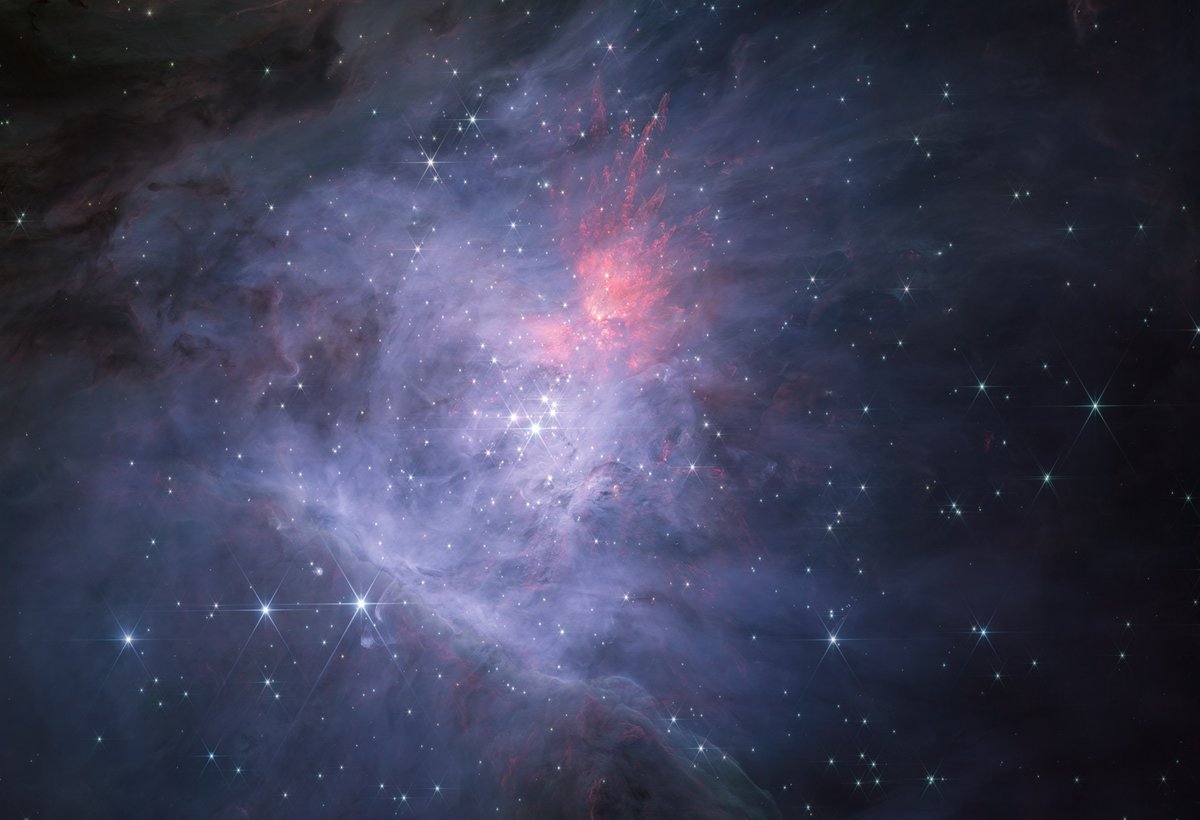
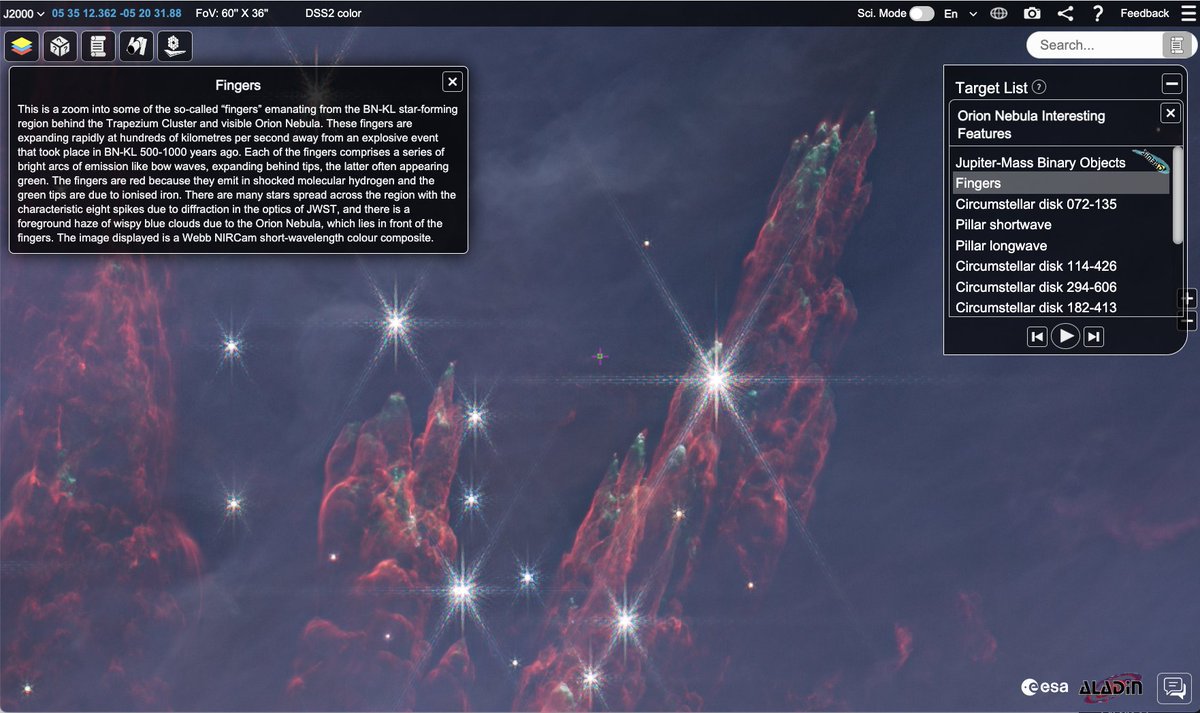
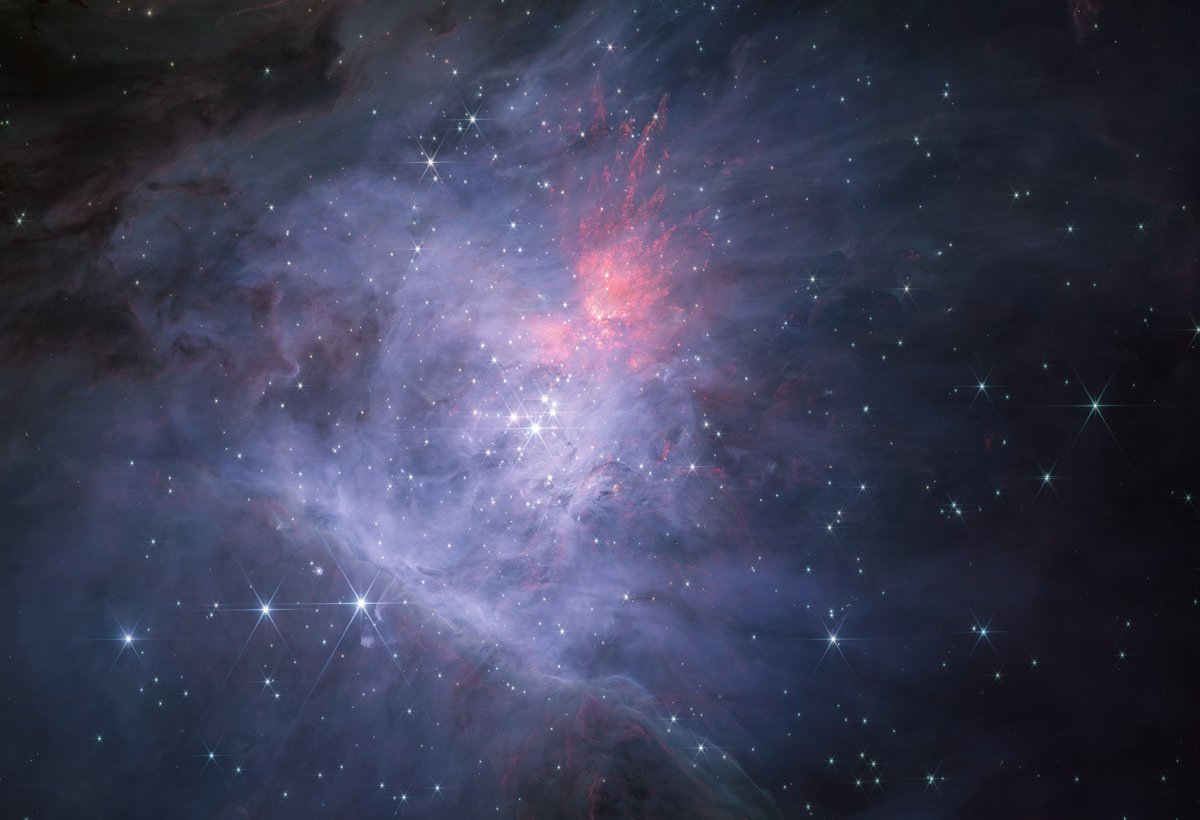
🆕 Images of the #OrionNebula from Webb have been included in @ESA ’s #ESASky application.
These two mosaics are among the largest Webb mosaics observed to date.
The full images on ESASky measure 21,000 x 14,351 pixels, and 10,446 x 7,109 pixels respectively. 🧵👇
A sumptuous new image of the #OrionNebula from @ESA_Webb. Tonnes of new detail, but the big surprise are the JuMBOs: Jupiter Mass Binary objects. These are pairs of planet-like objects wandering free in space. https://t.co/9hfUg2C86n
🥁 🤩 Explore two new massive @ESA_Webb mosaics of the #OrionNebula with the #ESASky application!
💎 The images measure 21,000 x 14,351 pixels, and 10,446 x 7,109 pixels respectively and are full of treasures waiting to be discovered!
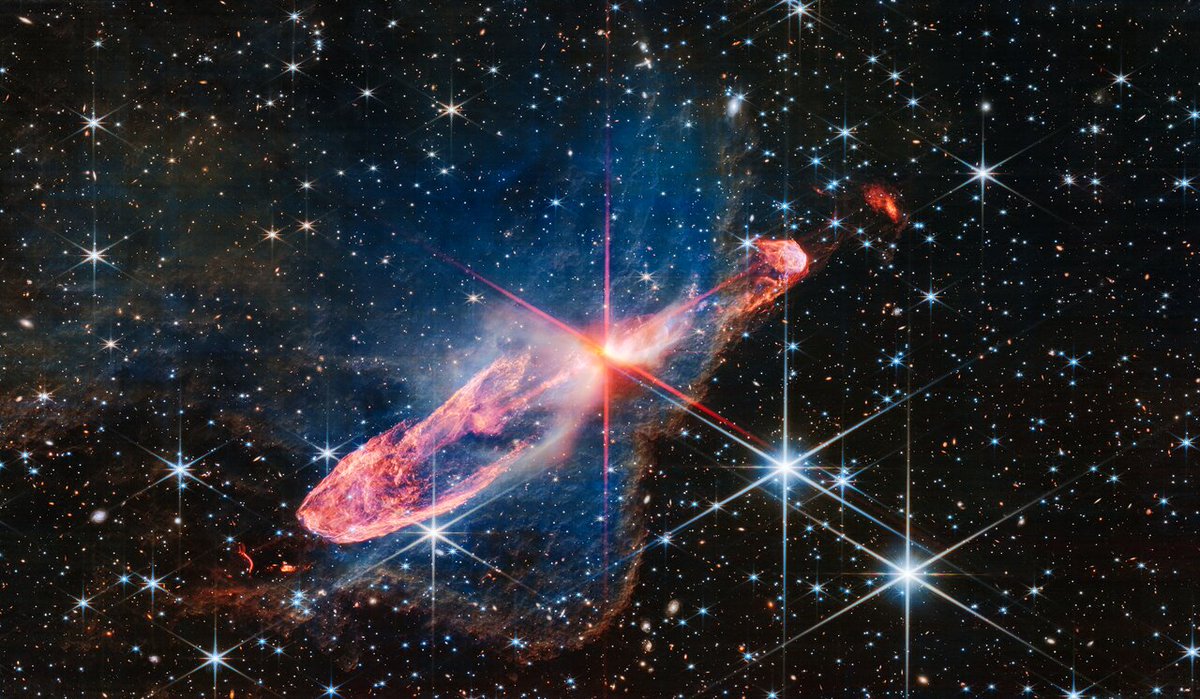
🆕 Webb has captured the ‘antics’ of a pair of actively forming young stars, known as Herbig-Haro 46/47. This is the most detailed portrait of these stars. Read more: https://t.co/yBZw1wLrTL or 🧵👇