5 Businesses with the highest failure rates:
1. Restaurants (80%)
2. Gyms (81%)
3. Construction (40%)
4. Hotels (90%)
5. Retail (70%)
Avoid them unless you have a special edge.
#shilpamedicate#concordbiotech
The Patent Cliff Is Coming — Here's What It Means for Your Pharma Portfolio
If you invest in Indian pharma stocks, there's one story you should understand right now: a wave of the world's best-selling drugs is about to lose patent protection. When that happens, cheaper copies (generics and biosimilars) flood in, prices crash, and someone has to make all those cheaper copies. That "someone" is very often an Indian company.
This is called a patent cliff. It's happened before, but the one coming between 2025 and 2030 is the biggest in over a decade. Here's what's expiring, who stands to gain, and — importantly — which smaller, less obvious companies are also in the game.
First, the size of the prize
Roughly ₹22–23 lakh crore worth of drug sales (in the US market alone) are set to lose patent protection between 2025 and 2030. Just the top 20 drugs on that list are worth about ₹16.9 lakh crore a year today.
Indian companies won't capture all of that — most estimates say India could realistically capture around ₹29,000–48,000 crore a year once you account for how much prices collapse after a patent expires. That's still a meaningful, multi-year growth opportunity for the sector.
The drugs going off patent (and why they matter)
Keytruda (Merck) is the world's best-selling drug, bringing in roughly ₹2.8–3.1 lakh crore a year treating various cancers. Its core US patent is expected to expire around 2028. Because it's a biologic — a complex protein, not a simple chemical pill — copying it requires a "biosimilar," which is far harder and costlier to develop than a regular generic.
Eliquis (Bristol Myers Squibb / Pfizer) is a blood thinner doing around ₹1.15 lakh crore a year. Generic versions are expected in the US from around 2028. Being a simple pill, it should be much easier and faster for generic makers to copy once the door opens.
Stelara (Johnson & Johnson) treats immune conditions like psoriasis and Crohn's disease, worth about ₹96,000 crore a year. Biosimilar competition has already begun since 2025.
Opdivo (Bristol Myers Squibb) is another major cancer immunotherapy, at roughly ₹86,000 crore a year, expected to lose US protection around 2028–29. Like Keytruda, it's a biologic.
Xarelto (J&J / Bayer), a blood thinner worth about ₹67,000 crore a year, faces US patent expiry around 2026 — one of the more closely watched pill-based cliffs.
Farxiga (AstraZeneca), used for diabetes and kidney disease, does roughly ₹67,000–74,000 crore a year, with key patents starting to lapse from 2025.
Entresto (Novartis), a heart-failure drug worth about ₹58,000 crore a year, already saw its first US generics launch in July 2025.
Ibrance (Pfizer), a breast cancer pill worth ₹52,000–61,000 crore a year, is expected to face generic competition around 2027.
Enbrel (Amgen / Pfizer), an immune-disease biologic worth about ₹52,000 crore a year, is expected to lose protection around 2028.
Prolia/Xgeva (Amgen), used for bone health, brings in ₹38,000 crore-plus a year; its US patent already expired in 2025 and biosimilars are launching.
Januvia/Janumet (Merck), diabetes pills worth ₹21,000–36,000 crore combined, lose protection in 2026.
Why the "pill vs. biologic" distinction matters: simple pills (Eliquis, Xarelto, Entresto, Ibrance, Farxiga) are easy for Indian generic companies to copy — that's the business they've done for 20+ years. Biologics (Keytruda, Stelara, Opdivo, Enbrel, Prolia) are complex proteins grown in living cells — copying them ("biosimilars") is much harder, much more expensive, and only a handful of Indian companies can actually do it. That difference matters when you're deciding which stock is a "safe, obvious" beneficiary versus a "harder, higher-payoff" bet.
The large caps everyone already knows about
If you follow pharma investing, these names will sound familiar as the "usual suspects" for this theme:
Biocon — India's most established biosimilar player, already selling multiple biosimilars globally, roughly a fifth of the US insulin glargine market.
Dr. Reddy's Laboratories — has partnered with Alvotech to develop biosimilars for both Keytruda and Prolia/Xgeva.
Zydus Lifesciences — has licensed a pembrolizumab (Keytruda) biosimilar candidate and is racing to be an early filer.
Cipla — investing heavily in biosimilar R&D, plus a strong existing US generics business.
Sun Pharma — India's largest pharma company, a potential contender in the Keytruda biosimilar race.
Aurobindo Pharma — doubled its biosimilar R&D budget, has a large US generics/injectables base.
Lupin — building out its own biosimilar pipeline alongside complex generics.
Torrent Pharmaceuticals — was among the first to launch a generic version of Entresto in the US.
Natco Pharma — known for winning tough, litigation-heavy "first-to-file" generic opportunities, especially in oncology.
These are the names that show up in every analyst note on this theme. If you want simple, liquid, well-covered exposure to the patent cliff, this is where most investors start.
The less obvious part: small and micro-cap names
This is where it gets more interesting — and riskier. Most of the coverage on this theme focuses on the big names above. But a few smaller companies are directly involved, and some are actually named in company announcements and analyst calls.
Shilpa Medicare — the clearest small-cap story here.Shilpa Medicare is officially classified as a small-cap stock (around ₹11,000–12,000 crore market cap). Its subsidiary, Shilpa Biologicals, just signed a deal with Finland's Orion to co-develop and supply a biosimilar version of Opdivo (nivolumab) for Europe — Opdivo being one of the exact drugs on our patent-cliff list above (~₹86,000 crore in annual sales). This isn't a vague "we're exploring biosimilars" statement — it's a named molecule, a named partner, and a named market. That makes Shilpa one of the few small-cap stocks with a specific, real bet on this exact theme, not just thematic exposure.
Concord Biotech — the "picks and shovels" small cap.Also SEBI-classified as small cap (~₹11,000–14,000 crore). Concord makes fermentation-based APIs (the raw ingredients) used in immunosuppressant and oncology drugs. It doesn't own a branded biosimilar itself, but brokerage Antique Stock Broking recently resumed coverage with a "buy" rating, specifically pointing to the 2026–2028 patent cliff (around 90 drugs, worth roughly ₹5.1 lakh crore) as a long-term tailwind for domestic-focused generic ingredient makers like Concord.
A few mid-caps worth knowing (bigger than "small cap," but still smaller than Sun Pharma/Cipla-scale names):
Neuland Laboratories (~₹23,000–25,000 crore) — management has openly called GLP-1 peptide manufacturing (used for diabetes/weight-loss drugs going off patent) a "key growth driver," and is building a dedicated commercial peptide facility for it.
Sai Life Sciences — a contract manufacturer whose management has confirmed on an earnings call that it has "clinical assets in the GLP-1 space."
Anthem Biosciences — went public in 2025 and has since grown into large-cap territory, but PL Capital (Prabhudas Lilladher), which initiated coverage with a "BUY," specifically flagged its specialty ingredients business benefiting from a GLP-1 API ramp-up from the second half of CY26, alongside biosimilar launches, as named growth drivers.
Why you won't find many true micro-caps here
If you were hoping to find a tiny, under-the-radar stock with huge upside on this theme — that's genuinely hard to find, and here's why: making a biosimilar costs roughly ₹100–150 crore per molecule and requires specialized biologics manufacturing know-how. That's simply out of reach for most very small companies. So at the smallest end of the market, the real exposure usually comes through supplying ingredients or manufacturing capacity to the bigger players — not through a tiny company owning its own branded biosimilar. Shilpa Medicare is the exception that proves the rule, and even it required years of investment to get there.
What this means for an investor
1. The opportunity is real, but it's not evenly spread. Simple-pill generics (Eliquis, Xarelto, Entresto-type drugs) are lower-risk, lower-reward — almost any decent generic company can make these. Biosimilars (Keytruda, Stelara, Opdivo-type drugs) are higher-risk, higher-reward — only a few companies can actually pull them off, but the payoff is bigger if they do.
2. Big names = safer, more diversified exposure. Biocon, Dr. Reddy's, Cipla, Sun Pharma, and peers are unlikely to "blow up" your portfolio, but they also won't 10x on this theme alone — it's one growth driver among many for a large, diversified business
3. Smaller names = concentrated, higher-conviction bets. Shilpa Medicare's Opdivo biosimilar deal, or Concord Biotech's ingredient-supply tailwind, are the kind of bets where a single deal or launch matters a lot more to the stock price — which cuts both ways.
4. Patents don't just expire on schedule — companies fight to delay them. Merck alone has reportedly filed around 300 patents around Keytruda to push out competition. Litigation, patent extensions, and settlements can delay these dates by years. Don't assume the calendar dates above are locked in.
5. Biosimilar sales don't collapse to zero overnight the way pill generics do. Doctors and patients switch to biosimilars more slowly than they switch to a generic pill, so even a "successful" biosimilar launch takes longer to show up in a company's revenue.
Bottom line
The 2025–2030 patent cliff is one of the more durable, multi-year growth stories in Indian pharma — real demand, real numbers, and real company-level evidence (deals, concall commentary, capacity build-outs) backing it up. The big names give you steady, diversified exposure. Shilpa Medicare and Concord Biotech give you smaller, more concentrated ways to play the same theme, with more company-specific risk attached. Either way, this is a theme worth tracking company announcements and quarterly concalls for — because the winners here will be decided by execution, not just being in the right sector.
[Not investment advice, DYOR]
5 Businesses with the highest failure rates:
1. Restaurants (80%)
2. Gyms (81%)
3. Construction (40%)
4. Hotels (90%)
5. Retail (70%)
Avoid them unless you have a special edge.
5 Businesses with the highest failure rates:
1. Restaurants (80%)
2. Gyms (81%)
3. Construction (40%)
4. Hotels (90%)
5. Retail (70%)
Avoid them unless you have a special edge.
5 Businesses with the highest failure rates:
1. Restaurants (80%)
2. Gyms (81%)
3. Construction (40%)
4. Hotels (90%)
5. Retail (70%)
Avoid them unless you have a special edge.
Take part in #Census2027 from the comfort of your home through the Self-Enumeration portal; a convenient way to be part of the nation’s largest exercise.
Use the ONLY official portal:
🔗 https://t.co/RQvfqZMvC6
The 15-day Self-Enumeration facility for Phase 1 - Houselisting and Housing Census (HLO) is currently available in Andaman & Nicobar Islands, Goa, Karnataka, Lakshadweep, Mizoram, Odisha, Sikkim, NDMC area and Delhi Cantonment Board. House-to-House visits by Enumerators in these States/UTs will be held from April 16 to May 15, 2026.
Follow these simple steps👇
Access Portal → Login using Mobile Number → Mark Location → Fill Household Details → Submit → Receive SE ID → Share SE ID with Enumerator
Skip the wait, participate at your convenience!
#जनगणना2027
Laid off from Oracle India? Do this NOW:
Check severance — it should include:
👉 1 month salary per year worked
👉 Notice period pay
👉Remaining Leaves encased
👉 At least 1 year health insurance
If not given, file a complaint with the local Labour Commissioner where your office is located.
Contact us for assistance.
Share it with the impacted employees.
🚨 URGENT: MISSING PERSON – AHMEDABAD 🚨
Akshat Shah, a young Jain boy from Vasna, Ahmedabad, has been missing since the afternoon of March 28, 2026.
His family is going through unimaginable distress and is desperately seeking help. Every minute matters.
We humbly urge @AhmedabadPolice, @sanghaviharsh Ji, @CMOGuj to immediately activate all technical & human resources—including Mobile Tower Triangulation and City-wide CCTV surveillance—to trace this aspirational youth.
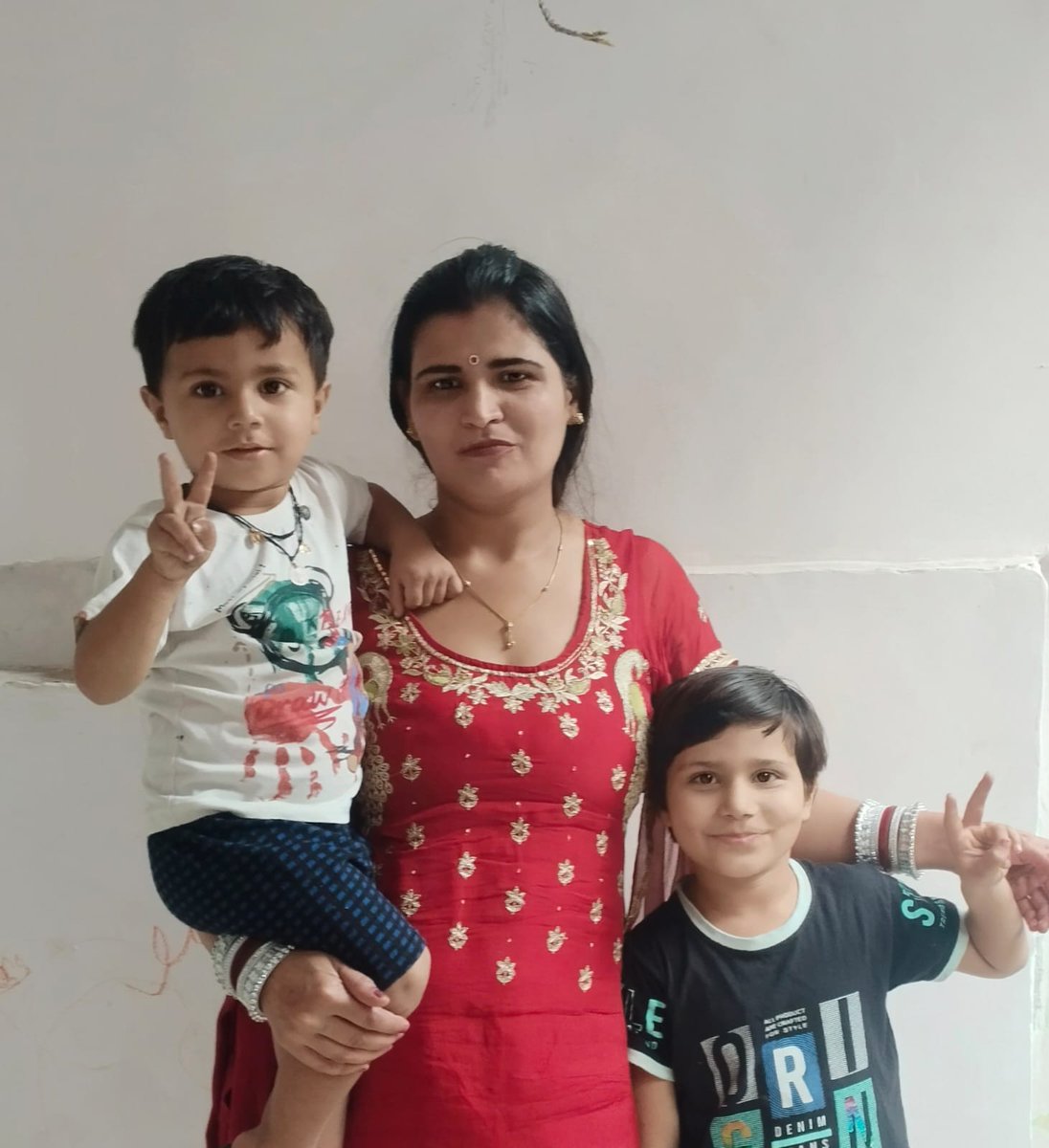
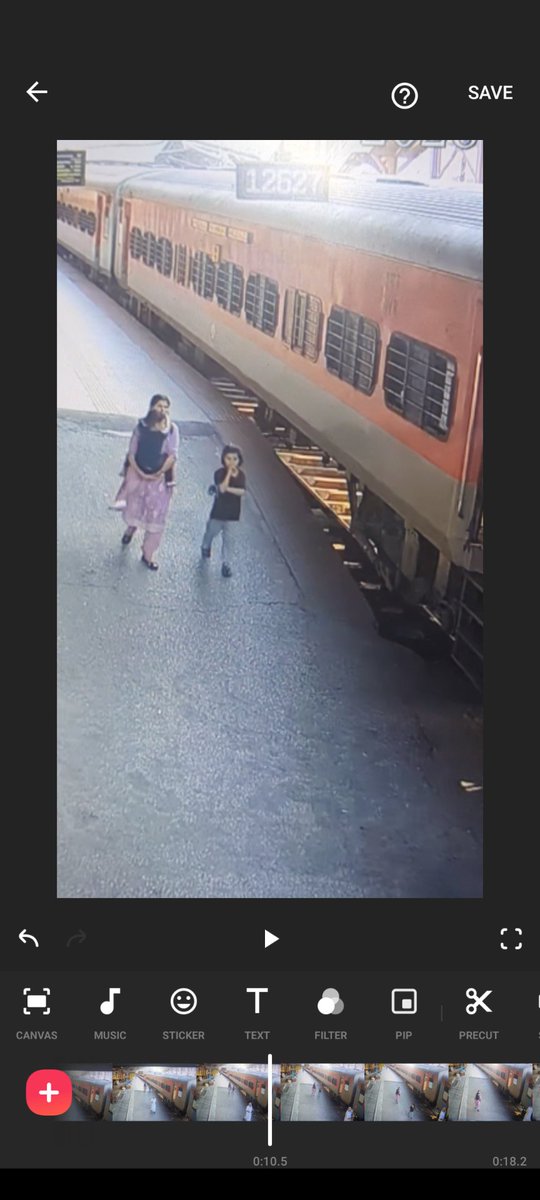
🚨SOS Alert 🚨
Deepak's wife Sushma and his two children Anaya and Pradyumna are missing.
They boarded Karnataka Express, train no 12627 to New Delhi from Bengaluru but never reached.
Please help in finding them.
Contact: Deepak – 8930189467 / 7078872866
5 Businesses with the highest failure rates:
1. Restaurants (80%)
2. Gyms (81%)
3. Construction (40%)
4. Hotels (90%)
5. Retail (70%)
Avoid them unless you have a special edge.
@PrinSciAdvOff Let Indian private companies do it and government should provide full support to them in terms of funds and infrastructure. Govt should focus on what only the govt can do, especially defence and foreign affairs. This same process is followed by America.
5 Businesses with the highest failure rates:
1. Restaurants (80%)
2. Gyms (81%)
3. Construction (40%)
4. Hotels (90%)
5. Retail (70%)
Avoid them unless you have a special edge.
INDIA GOVT: MODIFIES TAXATION OF INCOME. SPLIT RATES OF 5% FOR THOSE HOLDING AT LEAST TEN PERCENT OF CAPITAL AND 15% OF TAX FOR ALL OTHER CASES
If a company gives ₹100 dividend:
• Big holder (10%+ stake, 5% tax) keeps ₹95
• Regular holder (15% tax) keeps ₹85
🚨🚨Buy Insurance from anywhere However - If your claim got rejected and you need guidance , Come to us we will review and If your claim is genuine we will help to get it.. not free…!!!
😊Till Now we got 1800+ Cashless and Reimbursement Rejected Claim Got settled.
✅ If you would have taken a policy with us lifetime claim service is free..
Need help ⌨️Type - Guide me and DM OR Comment
#Insurance #HealthInsurance #LifeInsurance #MotorInsurance #TravelInsurance #India #Banglore #Mumbai #Chennai #Hyderbad #DelhiNCR #reibursment