PhotoniX aims to present brave endeavors in X-disciplinary research, latest progress of engineering applications and breakthroughs in scientific discoveries.
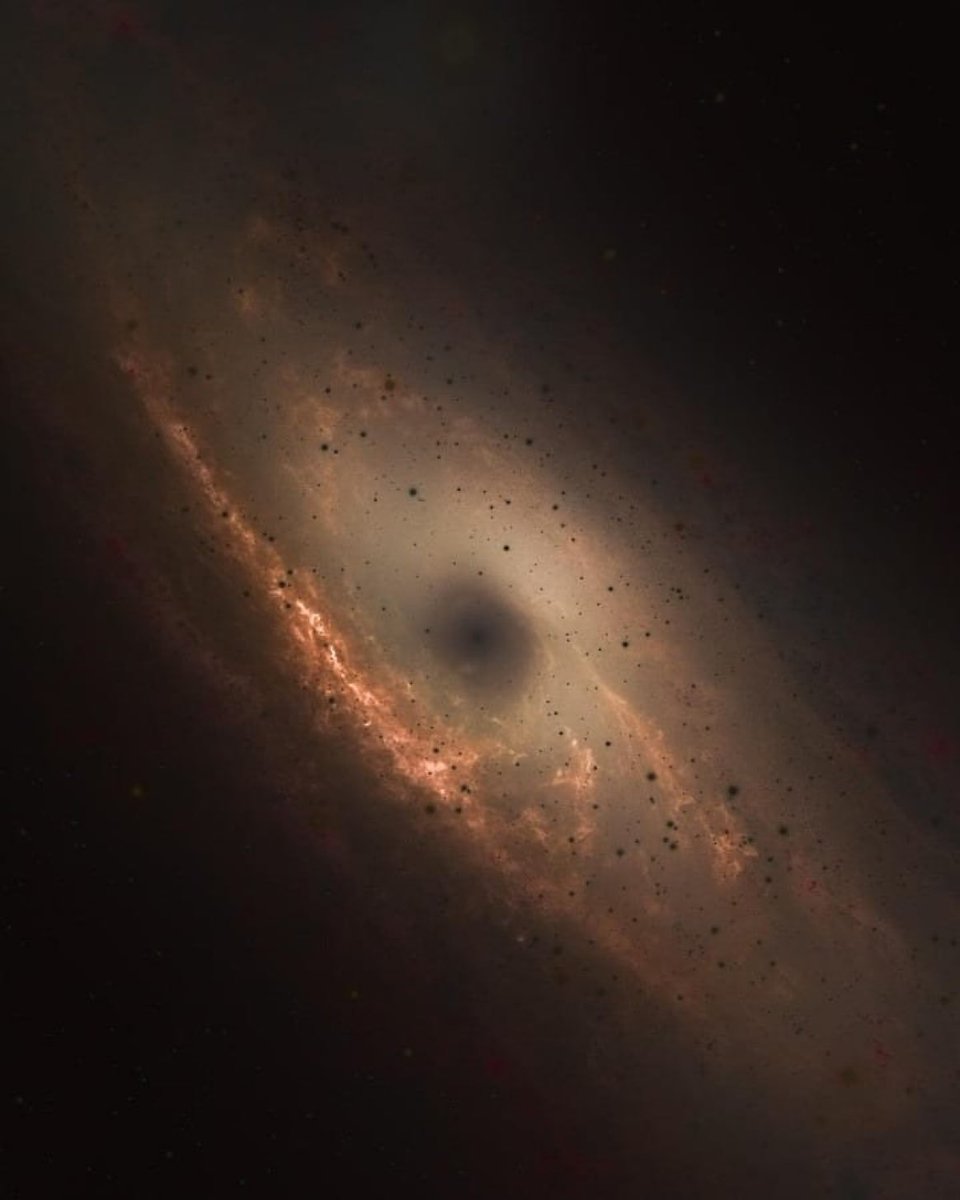
Did you know that some of the brightest sources of lights in the sky have some dark origins? The regions around black holes at the centers of galaxies can shine incredibly bright! Curious how that works? Dive into the science: https://t.co/qudl2AcKX3
"Opticks" is Isaac Newton’s masterpiece on light and color. He showed that white light is made of all colors, explained reflection and refraction, and proposed that light is made of particles.
Unlike his Principia, it was written in English and based on experiments. The book ends with deep, speculative questions that inspired future science.
@PhysInHistory Wave Equation + source excitation + boundary conditions. The position of the source, the board shape, material, and the surrounding environment all affect the resonace pattern.
Thermo-Optic Waveguide Lens (TOWL) is a unique technology to reshape light interference in a multimode waveguide. Bending the light flow on the way, it can also form a smooth "imaging" effect, i.e., an on-chip tunable lens.
Cover article in PhotoniX:
https://t.co/s68DfCWraf
Though the "establishments" in photonics research rely on rigid single mode structures such as MZI networks and micro-rings, FPWE has opened new ways to control the light flow on a waveguide chip, more efficiently and with less requirements on electronic control units.
TOWL is an example of the general Function Programmable Waveguide Engine (FPWE) technology, first introduced in 2022 as a new method to design photonic devices. It skips tedious simulations and allows active and rewriteable device function definitions by software.
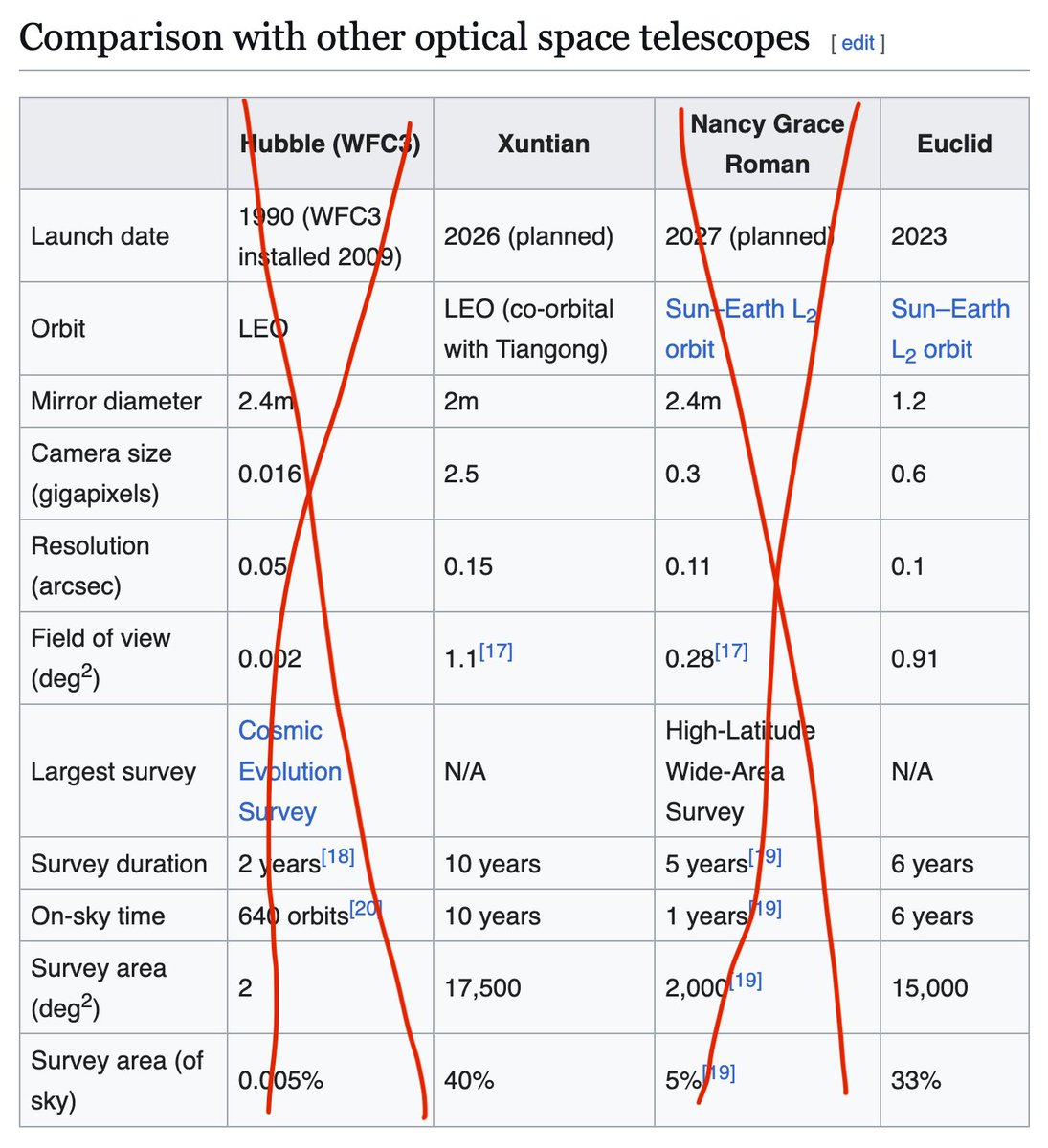
China plans to launch Xuntian space telescope NET 2026 to co-orbit with Chinese Space Station - easier to service and upgrade. Meanwhile America's OMB wants to cancel @NASARoman outright and end @NASAHubble NLT 2030.
How is this making America Great in Space Again? @mkratsios47@WHOSTP47@housescience@sciencedems
@Nanophotonics_J In Asia? Because there is more funding than in Europe, to support this metalens / plasmonics research that can be somehow useful in the future?
A simple optical chip that handles AI computation 100%. No electronic processing needed!
Details:
Flex multimide neural network for complete optical computation
https://t.co/hY5hyV4Z9X
@PhysInHistory Imagine, over 100 years ago, vector calculus, a new branch of mathematics, was developed by hand to depict the space/time coupled relations between E and H fields.