New light on a recent question in fungal multicellular development: is A-to-I editing important? In the Ascomycota this is becoming pretty convincing, whereas in Basidiomycota data suggest editing is not key https://t.co/FeOBepuZrY
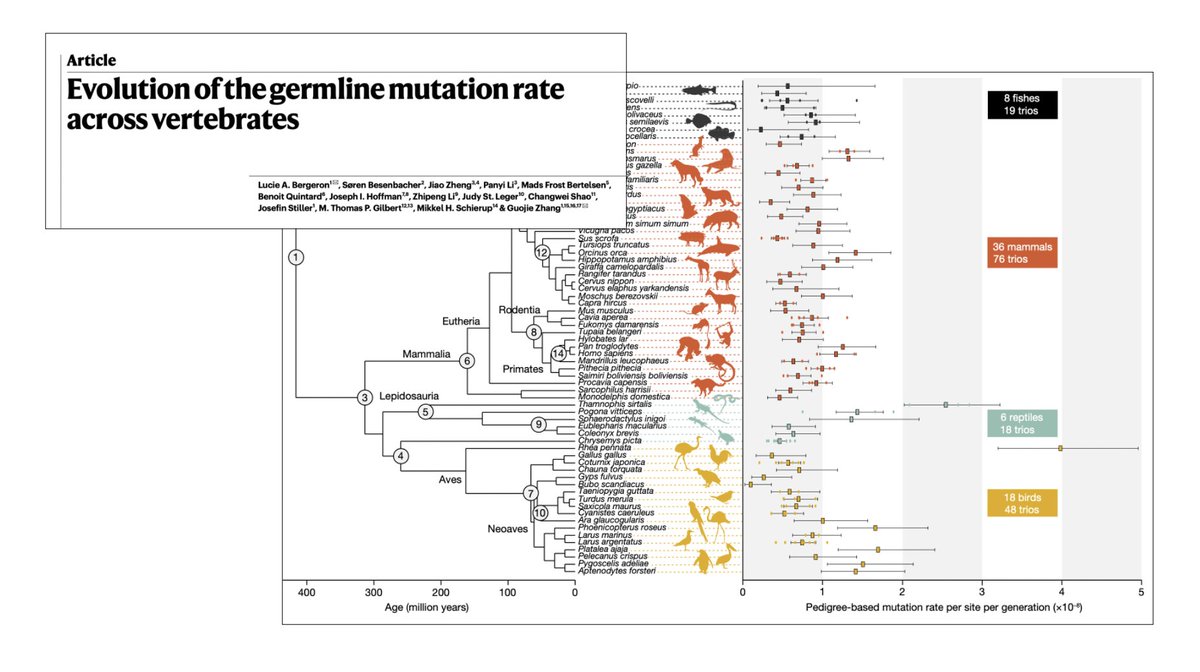
How do mutation rates compare across mammals, fishes, birds and reptiles? New work in @Nature finds:
1. Higher mutation rates in males in mammals & birds, but not in reptiles & fishes.
2. Generation time, age at maturity & fecundity affect mutation rates.
https://t.co/XfkHtCKn5f
Be sure to check out our new paper now published in @NatureComms describing ecological, phenotypic, and phylogenetic data of strains within the genus Saccharomyces:
https://t.co/OgKPWwjuQv
This work led by @DPerisN was highly collaborative and we're thrilled to see it out!
Phylogenomics of magic mushrooms. "Phylogenomics of the psychoactive mushroom genus Psilocybe and evolution of the psilocybin biosynthetic gene cluster"
https://t.co/7i4slpLzPH
NEW Publication🥳 Molecular #evolution studies often rely on single-copy orthologs (SC-OGs), resulting in large gene families—like transporters—being ignored. We present OrthoSNAP, software for identifying subsets of SC-OGs within larger gene families. 🔗https://t.co/2rWsRLsamn
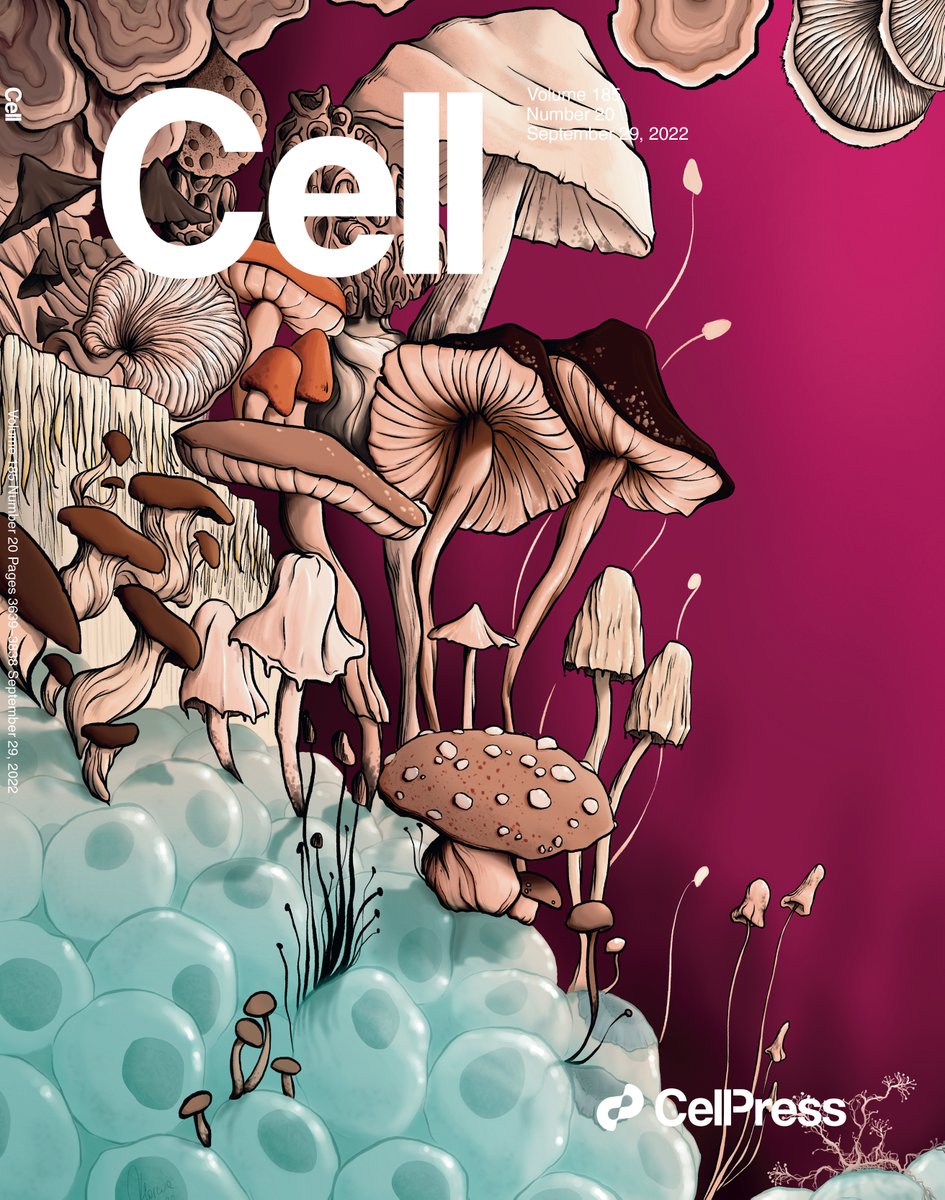
(1/4) Did you know that there are bacteria in human tumors? Well, this is old news now 😊. Our new study, featured on the cover of @CellCellPress, shows that human tumors contain fungi as well and that tumor fungi matter! (Cover by @munafomarzia) https://t.co/gQA3olwSpO
New paper led by grad student Yu Mo (@speechlesso233), with @RobLanfear and @bq_minh. Updated site concordance factor calculations! (yay!)
https://t.co/aUP4uxR9X3
Ever wondered how bacterial pathogens evolved? In our latest work, we provide insight about how obligate host-associated Rickettsiales evolved from free-living relatives. See here: https://t.co/5o0j85NnVX. Great work by @maxemilschon @JoranMartijn @JulianVosseberg & @koestlste
Postdoc opportunity in my future lab at the Ohio State University!!! We will study transposable elements' response to abiotic stresses in plants using modern sequencing. Nice location, Well paid, Great benefits, Starts on Jan 3rd, 2023. Please RT. Apply: https://t.co/2x5PIIhR6W
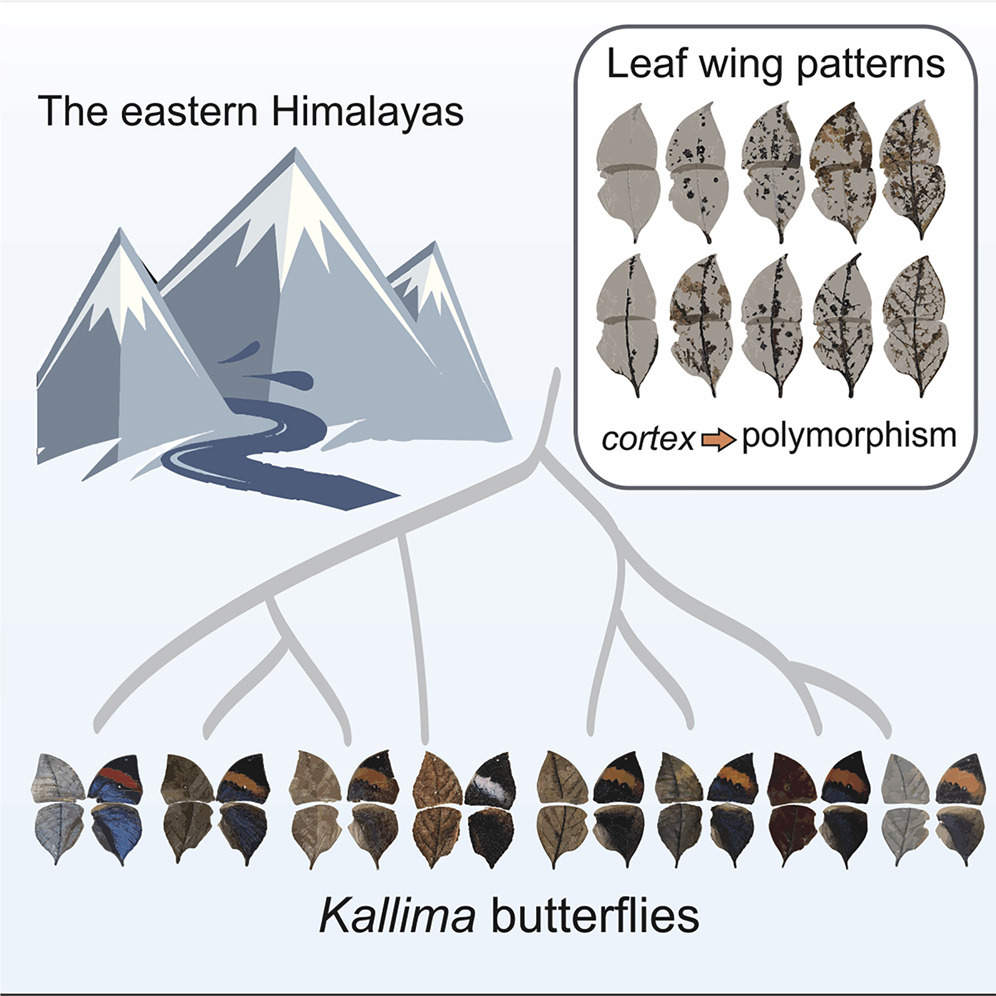
Proud to share this paper coauthored with Wei Zhang and colleagues. A multi-omic approach was used to characterize the genomic basis of leaf mimicry in Kallima butterflies. On the cover of Cell 8/18/22!
@CCNYBiology @CCNY_Science @cunyeeb@GradCenterBio
https://t.co/EcA2AAYnjo
Researchers report more than 1,400 genes across 218 #insect species that originated from bacteria, viruses, fungi, and plants. @CellCellPress
https://t.co/9BGwW2Exbk
#ZJUresearch#microbes